Dans la caverne de Fai Baba

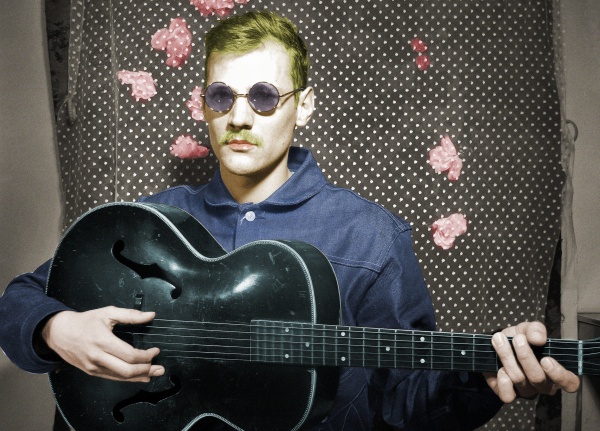
photo_fai_baba_01Sur la scène du Bourg, Fabian Sigmund, alias Fai Baba surprend avec sa formation trio aussi minimale que puissante. D’abord il y a la voix, une voix qui peut partir très haut, dans un registre habité et qui ne colle pas forcément avec la silhouette longiligne et les mouvements de ce corps nerveux. Un décalage intrigant qui accroche d’emblée. A ses côtés, bassiste et batteur suivent, amplifient et bousculent ce blues bruitiste traversé de fulgurances rock et punk. Les rythmes se cassent pour faire place à de longues parties instrumentales. Deux guitares (une simple et une douze cordes), quelques pédales d’effets, Fai Baba met ses tripes à l’air sans avoir l’air d’y toucher. Une reprise de Townes Van Zandt et des clins d’œil à beaucoup de tendances rock confirment que l’homme est un fou de musiques.  Fai Baba salue, annonce qu’il vend ses CDs et passe illico à l’acte en extirpant une mallette planquée sur un des côtés de la scène. A l’intérieur ses deux CD dont le deuxième, « She’s The Guru », vient de paraître. Il fait état d’une musique nettement plus orchestrée que ce que le Zurichois vient d’envoyer sur scène. Pourtant Fai Baba l’a conçu presque entièrement seul. Explications.

Comment avez-vous réalisé « She is My Guru » ?

Fai Baba Cet album s’est fait en six mois. Je me suis enfermé dans un local de répétition à Zurich et j’ai commencé à faire des loops, à expérimenter des sons avec une table de mix huit pistes. En six mois les bases du disque étaient faites. Puis je suis parti à New York pour le terminer. J’ai travaillé dans le studio de Tony Maimone, qui a été longtemps le bassiste de Père Ubu.

Comment avez-vous rencontré Tony Maimone ?

Fai Baba Par hasard. J’aidais un ami à organiser un marché d’habits d’occasion pour enfants. En discutant avec une femme, je lui ai dit que j’étais musicien. C’était la belle sœur de Tony Maimone et elle m’a mis en contact ave lui. J’ai découvert un nerd qui aimait comme moi la musique organique et travailler en analogique.
Fai Baba_02Depuis combien de temps travaillez-vous tout seul ?

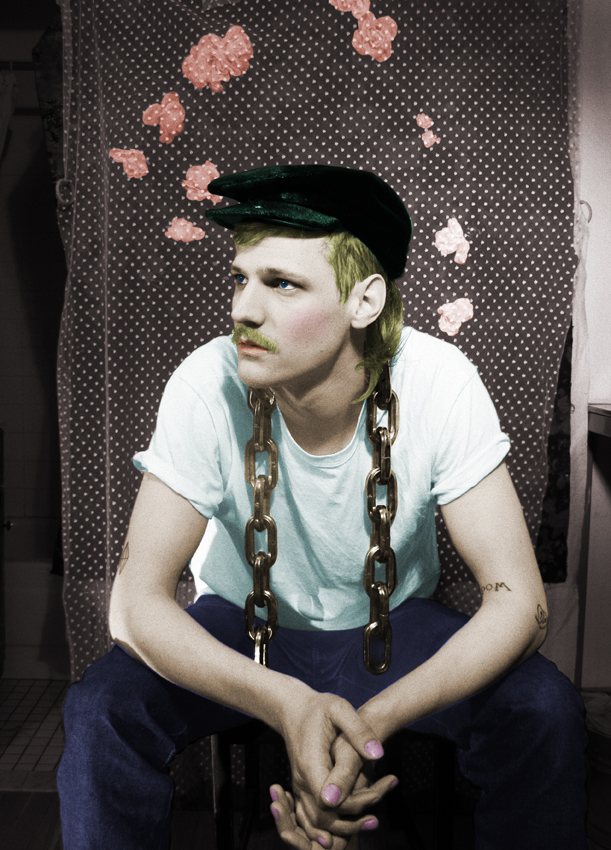
Fai Baba  A 14 ans, j’ai commencé à jouer dans un groupe et je traînais pas mal avec un ami plus âgé et plus au courant. C’est lui qui m’a appris à m’enregistrer sur un magnéto à bandes et j’ai tout de suite trouvé ça plus cool que de bosser avec un ordinateur.

Comment procédez-vous?

Fai Baba J’ai toujours joué avec les rythmes en plus de la guitare. Dès que je touche un instrument, il y un son spécifique pour moi. Je vais par exemple faire un son de grosse caisse avec le pied. Je le sample et je le rejoue. Ça me donne une base à partir de laquelle je construis. Ce sont des choses très simples parfois une simple note. La technique s’inspire du hip hop, mais l’esprit vient du blues.

Comment avez-vous découvert le blues ?

Fai Baba Je jouais dans un groupe. On est passé par tous les style, du hip hop à du rock façon Radiohead, puis façon Pink Floyd, puis façon Sonic Youth ! Je suis ensuite parti en Inde avec ma guitare. Ce sont des travellers qui m’ont initié au blues. Quand je suis rentré, je me suis retrouvé à faire une première partie de concert tout seul à la guitare. C’est là que j’ai réalisé que je voulais jouer solo.

Vous semblez avoir une collection impressionnante d’instruments et de synthétiseurs?

Fai Baba Je ne sais pas combien j’ai d’instruments. Ça remplit une pièce chez moi. Ça me stresse d’ailleurs car je vais devoir déménager bientôt… J’ai toujours aimé les sons vintage, les instruments. Mais je ne suis pas assez riche… Récemment mon amie a déniché un orgue Ace Tone (orgue portable électronique beaucoup utilisé dans le rock américain des années 60). Je l’ai utilisé sur ce disque

Puis vous avez convié d’autres musiciens à vous rejoindre, quels ont été leurs apports ?

Fai Baba Quand je demande à quelqu’un de venir jouer sur mon disque, je sais exactement ce que je veux, le son qu’il va m’amener. Mais j’aime que le processus soit instantané, radical.

Votre dernier album s’intitule « She is the Guru ». Qui est votre gourou ?

Fai Baba Une fois l’enregistrement terminé, j’ai remarqué que je n’avais fait que des chansons d’amour. Quand on pense à un gourou, on pense d’abord à un homme. Ça m’a amusé de dire : « Elle est mon gourou ». Un « elle «  qui renvoie à la femme en général, ma muse autant que mon gourou.

“Julia”, chanson qui figurait sur le premier album de Fai Baba (“Snake Snake”) est téléchargeable sur le bandcamp de Swiss Vibes et écoutable ici:

[soundcloud url=”http://api.soundcloud.com/tracks/88381394″ params=”” width=” 100%” height=”166″ iframe=”true” /]
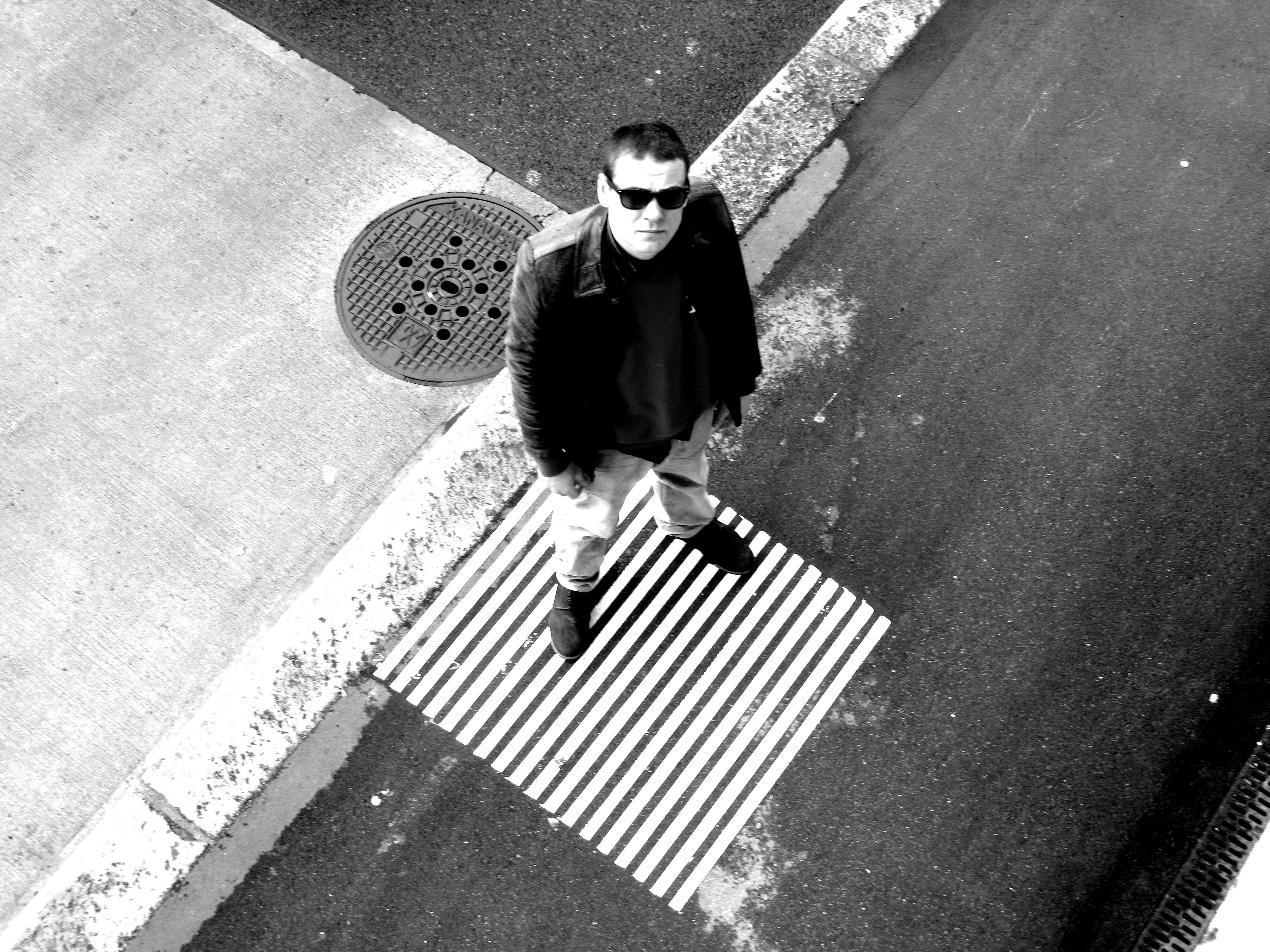
 

Nouvel album: Fai Baba, “She Is My Guru” (A Tree in a Field Record/Irascible)

Swiss Vibes 2013, la chanson du mois de mai

Nick_Porsche_2

« On pourrait croire, en écoutant cette chanson, que je travaille dans un état de spleen profond. Ce n’est pas du tout le cas. Je fais partie de ceux qui ne croient pas au cliché qui dit qu’il faut être malheureux pour produire de bonnes chansons. En composant ” Sorrow “, je voulais trouver une fragilité, je cherchais des ambiances éthérées et subtiles. C’est d’ailleurs pour cette raison que je n’y ai pas mis de basses. J’ai voulu aussi être très concis. On m’a souvent dit que mes chansons étaient longues, dilatées. Avec cette minute et demie, on ne pourra plus me reprendre. » Nick Porsche, à propos de la chanson Sorrow.

[soundcloud url=”http://api.soundcloud.com/tracks/88381400″ params=”” width=” 100%” height=”166″ iframe=”true” /]

Sorrow est écoutable et téléchargeable sur le bandcamp de Swissvibes. Récemment le chanteur biennois aux goûts décidément éclectiques a fait paraître un nouveau single qui comprend une reprise de son cru de « Billie Jean ».

[soundcloud url=”http://api.soundcloud.com/tracks/69423817″ params=”” width=” 100%” height=”166″ iframe=”true” /]

Take 5: Switzerland

Take 5_Swiss team

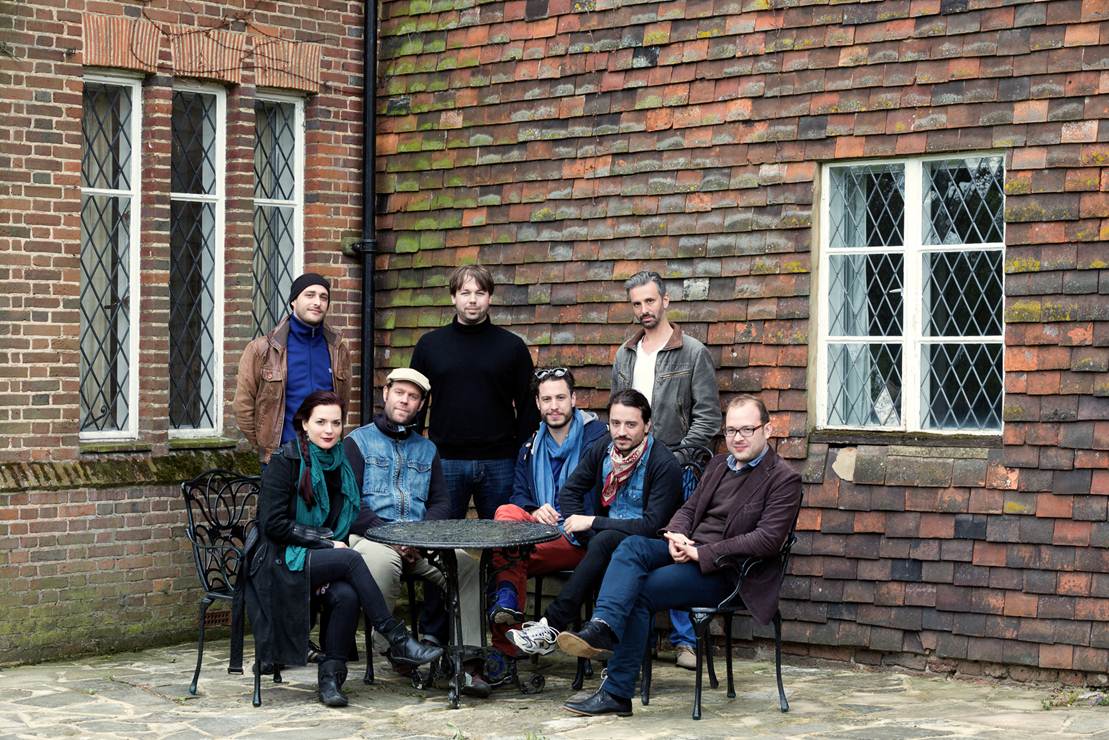
(Left to Right) Andreas Schaerer, Elina Duni, Florian Arbenz, Marc PerrenoudStefan Rusconi, Tobias Preisig. Leo Tardin, Samuel Blaser. ©Emile Holba

The heated kitchen for innovative artists

Take Five is a “heated kitchen” for innovative, young jazz artists, with five concentrated days of coaching, learning, sharing and networking (along with some fun and seriously good food). Created by the UK’s foremost jazz producer, Serious, and funded by Pro Helvetia, Take Five:Switzerland was designed to isolate eight Swiss musicians in the lush setting of Bore Place in Kent – think bluebell woods, gardens bursting with wisteria and mock orange, slouchy sofas and log fires – and lead them through sessions with a performance coach (Mary McCusker), music promoters from across Europe, as well as, digital, legal and industry experts including Wulf Muller of Sony.

“It’s been a rich experience,” said Tobias Preisig, as a comment on the variety of “inside information” they could garner, even when that meant facing tedious home truths. Musicians, such as Florian Arbenz, were aware they could improve their social networking and online presence, and some learnt the value of visual presentation, possibly helped by the photo shoot with experienced portraitist, Emile Holba. Scott Cohen of The Orchard gave a blistering session on aggressive digital distribution and ways to make money from music in an era of sporadic CD sales, with pianist Leo Tardin commenting, “He was the one to shake our ground the most, not someone to pat us on the head, but kick us in the butt, and he did that very well.”

“We need some space for our dreams” Andreas Schaerrer

Sometimes the message from promoters was dour, “We’re learning about the business, but there is no business”, said Marc Perrenoud noting that, “You have to build your audience because, apparently, no audience is interested in jazz.” However, as the vocalist Andreas Schaerer explained, “We need some space for our dreams,” and without exception they were resilient to negative messages. They have to be.

Jazz will need to go on beyond the passing of the classic “greats” and continue sculpting its own relevant identity whilst earning a living. Schaerer felt supported by some promoters learning that, “It’s not only our job to build up our career but it’s also that everybody is interested in having a future generation of active people.”

“We are a community, we are coming from the same place” Stefan Rusconi

What became achingly clear was the wall of work that faces these artists on a daily basis and that as they’d been given this break away from emails, calls, rehearsals, travelling, organising, etc, they were keen to squeeze every drop of tangible use out of the time with little patience for anything deemed irrelevant. Although Take Five is an extremely organised and detailed affair, thanks in part to the sterling work of Martel Ollerenshaw, it also tried to be flexible. So when the Swiss crew stood up to say they wanted time to simply hang out to share concepts, contacts and knowledge with each other, they were given it.

Something I was most struck by was the honesty with which the artists spoke to me about issues they were facing. Somehow the bombardment of information along with the intimate environment and maybe the odd glass of wine had enabled them to face up to their personal challenges: do they follow their business head or artistic heart, how can they deal with the amount they should be doing whilst having focused rehearsal/practise days, or time for their family, what step should they take next?

A Tribe Called Swiss

On the last day there was an extraordinary jam session led by one of the UK’s most exquisite saxophonists, John Surman. And there was an impromptu game of “football-piggy-in-the-middle”. It was actually in the kick about that I most clearly saw a key triumph of Take Five: the founding of a connected, bonded and inspired group. Let’s call it, A Tribe Called Swiss. Without exception each artist echoed Stefan Rusconi’s sentiment, “I knew all of them at least by name, but it’s been great to meet the other musicians. Also, to see we are a community, we are coming from the same place.”

Take Five can shake things up and it will take a while for the musicians to digest it all. I agreed with Rusconi when he said, “We need to be proud of what we’re doing. Swiss music is the new thing – chaotic, strange but rooted too.” Now all they need to do is buck the Swiss trend and force the spotlight onto themselves. As John Surman noted after their music session together, “I won’t forget you guys in a hurry,”  and if they utilise their newly found esprit de corps, they stand a chance of the music world saying the same thing.

Take 5 Switzerland website

Le double électro de Peter Kernel

tumblr_inline_mk0abbdWD31qz4rgpSecond single solo après «I’ll teach you to hunt», Barbara Lehnoff alias Camilla Sparksss enfonce le clou avec «Precious People». Elle creuse son sillon si particulier dans un style électronique quasi-mécanique aux sonorités 80’s assez éloigné de ce que l’on connaissait d’elle au travers du groupe rock Peter Kernel. A l’image de son clip percutant, «Precious People» est une claque sonore inquiétante et hypnotique qui sort des sentiers battus avec ses basses énormes et des arpèges électroniques technoïdes aux frontières de la Cold Wave. Un titre masterisé par Simon Davey (Chemical Brothers, Depeche Mode, Mirwais…) qui n’est sans doute pas pour rien dans cette électro puissante et implacable baignant dans une sensualité toujours sous-jacente.
A l’image des intrigants trois «s» de «Sparksss», la troublante Barbara Lehnoff est définitivement une artiste déstabilisante et hors-norme qui bouleverse les lieux communs. Entre provocation et douceur sauvage, la suisse-canadienne se fraye son chemin au travers de la musique électronique underground… une piste à suivre et à ne lâcher sous aucun prétexte.
[soundcloud url=”http://api.soundcloud.com/tracks/88108236″ params=”” width=” 100%” height=”166″ iframe=”true” /]

Pierre Omer, Cully Jazz Interview

From a distance Pierre Omer‘s appearance is reminiscent of a compelling shadowy figure in a Jim Jarmusch film. His attire is dark, well-worn and elegantly dishevelled. His sound is a film noiresque Django Reinhardt meets Link Wray via The Clash.

London-born, Geneva-based Omer spent his youth listening to 80s UK pop, new wave and punk. Then came American roots music, large doses of Delta Blues, Hank Williams, Jimmy Rodgers, Bob Dylan, Shellac records and all things swinging from the 30s, 40s and 50s. Very much a vintage kinda guy.

His first band was a cabaret outfit immersed in the Berlin/Paris tradition. Omer then became a founding member of the Dead Brothers – an infamous funeral band known for their punk garage band ethic of rock’n’roll and other old school styles like swing, Bluegrass and hillbilly folk.

Pierre Omer & Stewarts Garages Conspiracy Crew_lowAfter 10 years of cult status, Omer moved into writing music for theatre, cinema and dance, as well as producing the first Mama Rosin LP, setting up his own label, ‘Radiogram Records’ and bringing out 3 solo albums.

By autumn 2011, a new band had organically come together out of disparate elements. Rob Butler – bass player from LA, now resident in Berne and part of the Voodoo Rhythm/Beatman scene. Christian Aregger (banjo) and Roly Bucher (drums) had asked Omer to play with them once and then automatically became his backing band. And lastly, the free radical, Julian Israelian – percussionist and noise-maker who plays his own handmade ‘Samsonite Orchestra’, (an out of this world lap-steel contraption that fits perfectly into a Samsonite suitcase). Together they produce a bluesy, rootsy, vintage sound with a post punk twist which is quite often dark but never sad.

Last year saw the release of “Stewart’s Garages Conspiracy Crew'”on Radiogram Records to critical acclaim. It was recorded at Space Echo Studios above Stewart’s old red-brick car garage in Fulham. The cockney twang in Omer’s singing voice is ever-present as is the up-tempo, jivey, Pogues-style sense of manic rhythm. Omer describes his guitar style as “raw, strange, dangerous and fun. I like to get people moving nowadays to music which has tragic and comic juxtapositions”. Judging by the full house at The Hundred Blue Bottle Club where Omer was resident this year at Cully Jazz, his filmic cocktail of folk-noir, roots, jive and swing is just what the Blues doctor ordered.