 To get your bearings at the Berlin Music Week, it’s best to come with a very open mind and pair of ears. The 5th edition of this music fair, a prelude to the Berlin Festival, is diveded into two parts. Part 1, « Music », offers a plethora of new artists performing in clubs along both sides of the Spree (between Warschauerstrasse and Ostbahnof).
Part 2, « Word », offers conferences, debates and round table discussions featuring influential people from the music industry. All these fine people are here to scratch their heads, explore new possibilities, give advice and find solutions to save a market which is in a never-ending downward spiral.
Here below are some points of interest that I came across during the two days of conferences and brainstorming sessions.
The record market continues its long and inexorable downfall
You’re lucky to come across any record shops in France or Germany because digital sales have almost completely replaced the disc. In Norway, 65% of music sales revenue is due to streaming platforms. Now it’s not even a question of downloading… The membership system of Spotify or Deezer & co only generates an insignificant revenue for artists who aren’t already very well-known.
In a conference entitled « Surviving Streaming », Professor Arnt Maaso presented the results of a research project, “Clouds and Concerts” , carried out at the department of Musicology at Oslo University. Having been given access to WiMP data, (a streaming platform which offers its listeners HiFi sound quality), he studied the behaviour of the users and looked for ways of improving what the system offered. His studies found that the most popular user days were Friday and Saturday (but not Sunday). 66% of users listened to music on their headphones from their Iphone or tablet device and discovered new tracks by following other people’s playlists.
The prorata redistribution of money by streaming platforms is unfair
 In other words, the largest part of the money lands in the hands of a few international stars. Hooray for globalisation ! Among the many negatives of such a system, let’s note the most important one : if a big star brings out an album at the same time as a newly-emerging artist, the newcomer will be totally eclipsed and will hardly get anything, despite having a loyal fan base or being already known on a local or regional basis.
Different ways of remuneration could be envisaged
Arnt Maaso and his team suggest a new model of redistribution based on the user. Let’s imagine, you’re signed up to Spotify for the sum of 10.- per month, but each month you only listen to a few tracks by groups who are relatively unknown. Your contribution will be exclusively paid to the groups you’ve listened to, it won’t go into the big pot along with all the other members’ fees to then be distributed prorata based on the most listened to tracks of the month. This system would allow up-and-coming artists to be better remunerated and to be able to count on their local fan base.
The two other ways of building fan-loyalty are crowdfunding and paid-up memberships
No need to remind anyone about the importance of crowdfunding, a system that never ceases to prove its worth. However, let’s talk about something that a lot of musicians find difficult to grasp : crowdfunding cannot be done from scratch ! The most important thing is to make your fan base loyal, communicate with them and build your community of fans step by step. Only once the fanbase is big enough can you think of starting crowdfunding or asking for paying members. To confirm this, watch the debate called « Revenues, Discoverability, Distribution, Transparency » (filmed live from Berlin Music Week) and chaired by Andrea Leonelli, activator of digitalmusictrends.com. since 2009. Also taking part are Janine Wuelker (fintunes.com), Benjamin Lebrave (akwaabamusic.com), Phiona Okumu (afripopmag.com) and Michael Krause (deezer.com). Highly recommended viewing !
[youtube=https://www.youtube.com/watch?v=BBjXWRLR8Xk&feature=youtu.be]
With regards to becoming member of an artist’s club, it’s simply involves a membership deal put forward by a label, an artist or a collective of musicians for their most assiduous fans. In exchange of a monthly fee, fans have access to an exclusive internet site containing videos or audio reserved just for the fans, the possibility to chat live on line, etc..
A conference held by Andrew Apanov, CEO of Dotted Music, a music website which offers online marketing tutorials for artsist producing electronic music unde the name of We spin.
It’s still possible to earn money from making music, but more than ever before the artist has to become as entrepreneurial as possible and simply work, work and work at it.
Berlin Music Week took place from 3rd to 7th September 2014. Click here for the website : ici!
(This article was originally published in French, translated in English by Beatrice Venturini)
 “”Enfin!” diront certains, “voilà”, diront d’autres…” C’est en ces termes que le Conseiller Fédéral Alain Berset a commencé son discours d’ouverture de la cérémonie officielle du Premier Prix Suisse de Musique à l’Opéra de Lausanne ce vendredi 19 septembre 2014.
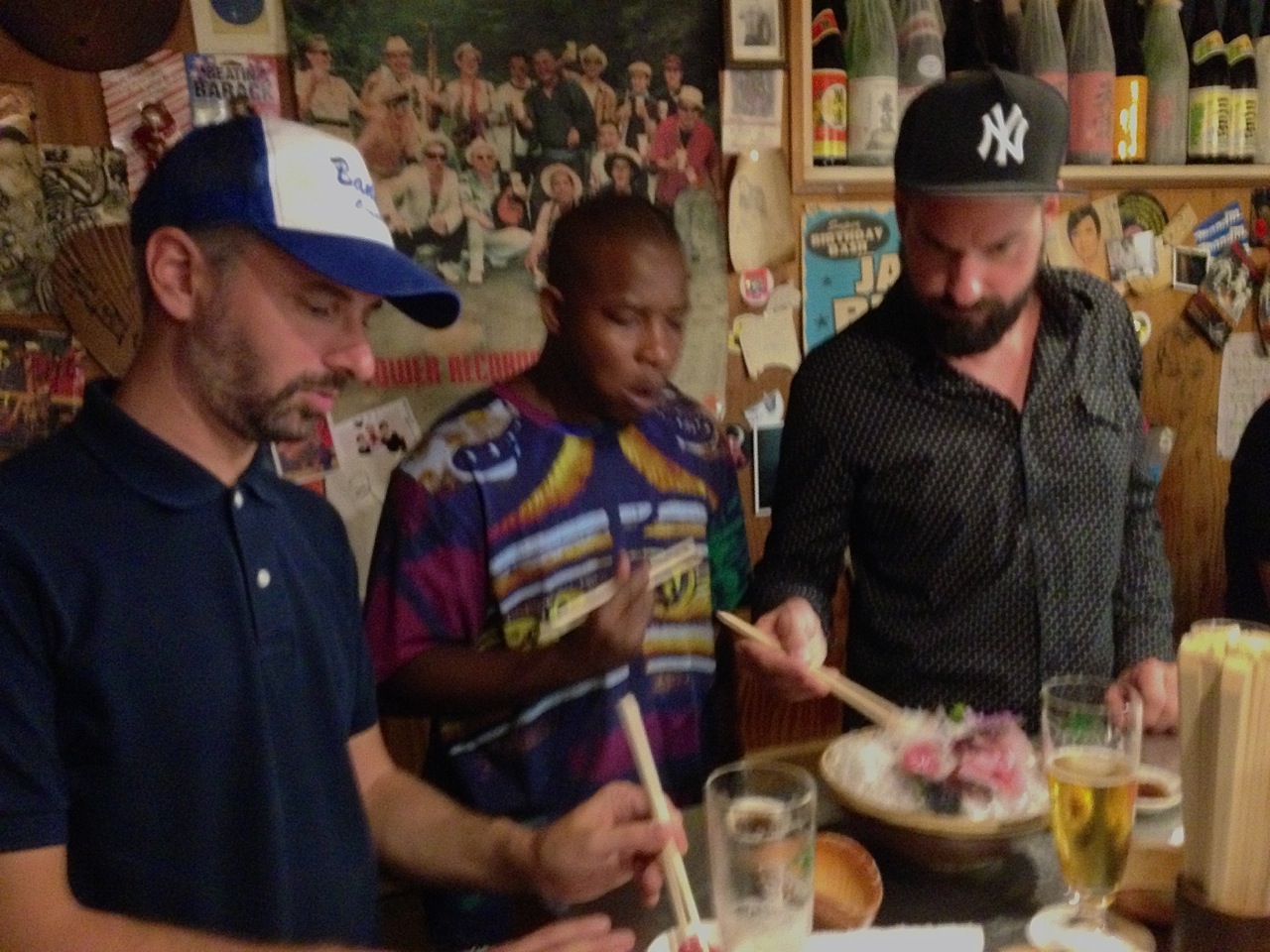
 Dernier jour à Tokyo avant un vol de 12 heures pour Zürich… Il pleut et la ville humide ressemble à un décor de Blade Runner sous ce ciel sombre et chargé, ce qui n’est pas sans charme d’ailleurs…
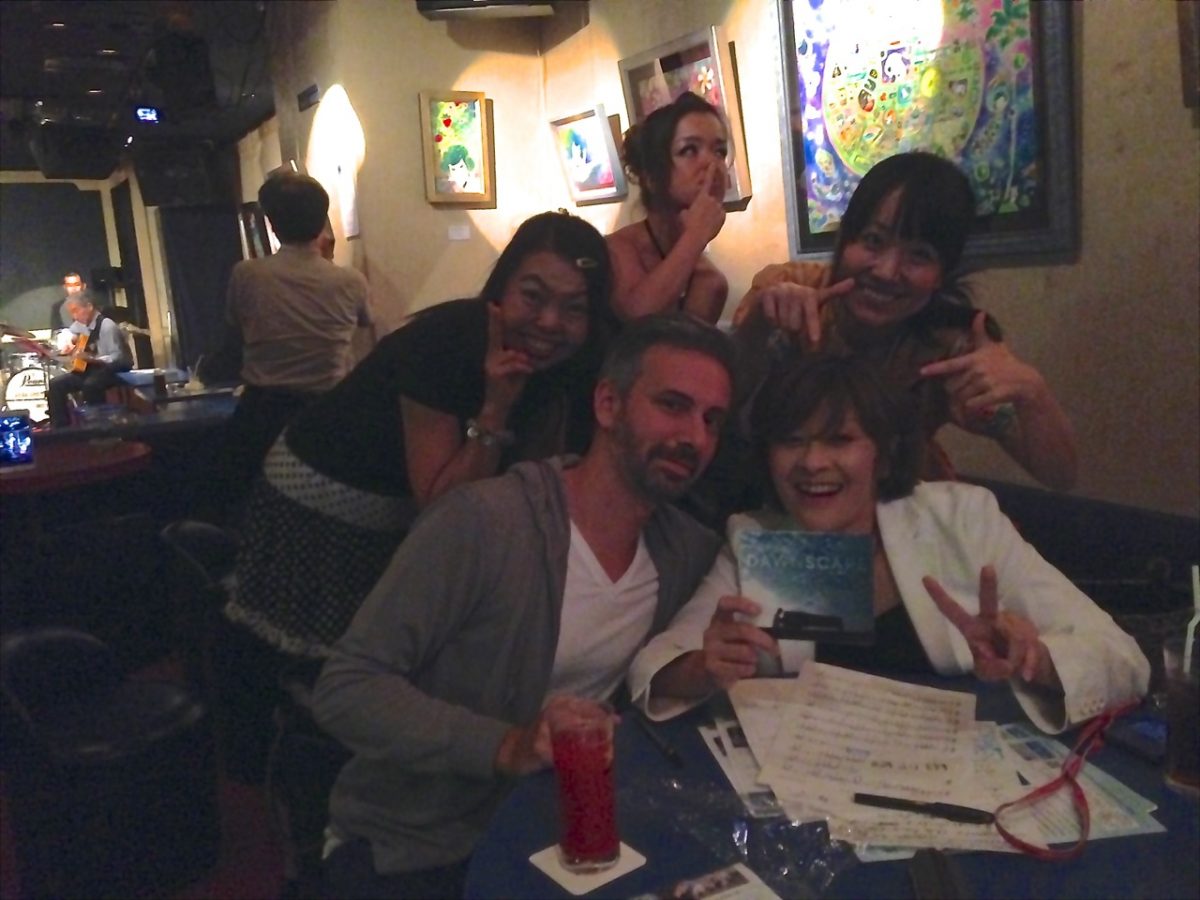
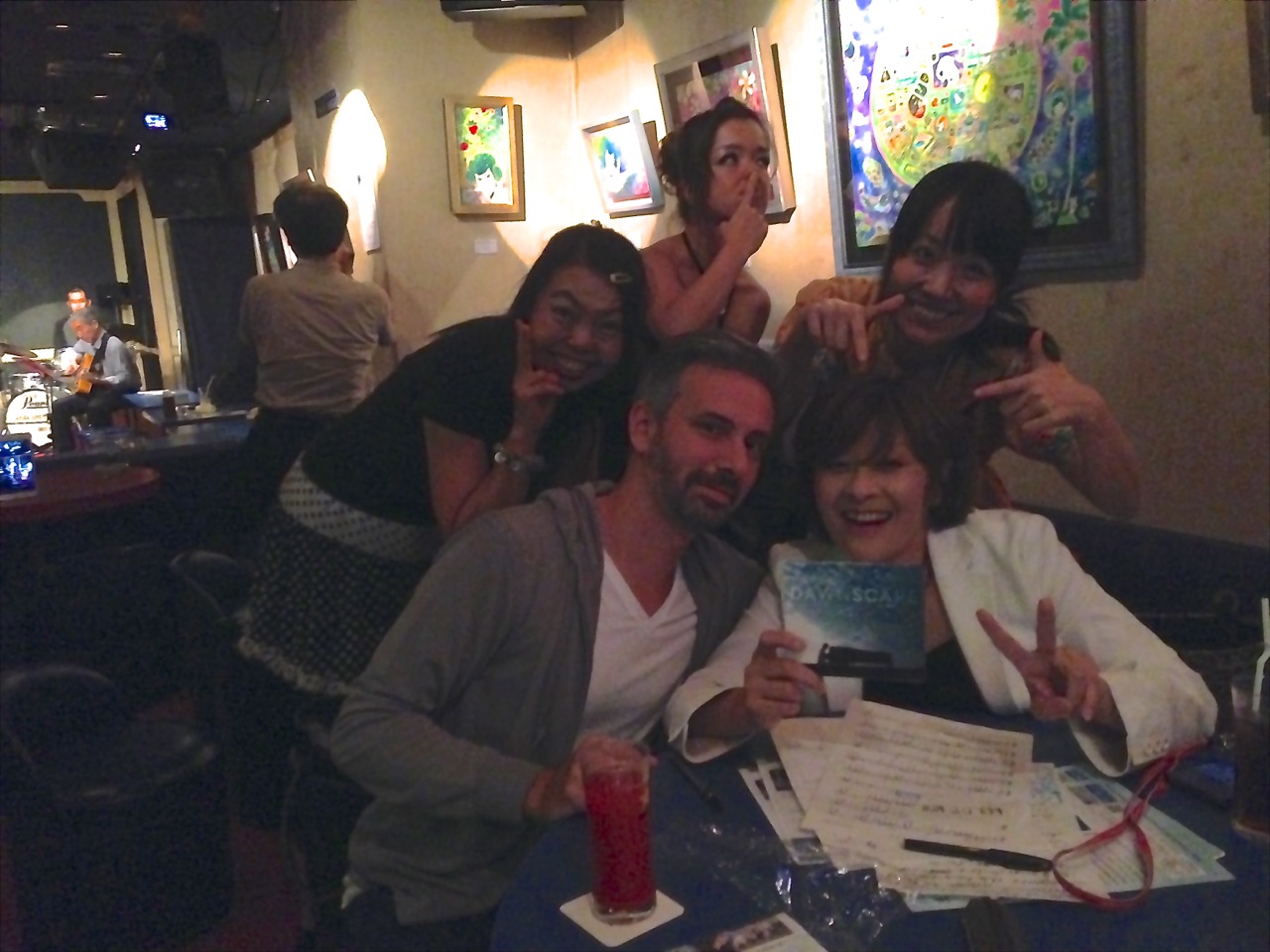 Il s’agit d’un groupe de militants pour les droits des animaux, qui chantent un morceau pour diffuser leur message, avant de céder leur place au band prévu dans le programme. La marraine / instigatrice de cette fondation se révèle être la CEO d’une grande entreprise japonaise de sodas et bières au citron, présente ce soir-là dans le club pour soutenir les troupes, et proche du patron de l’établissement. Nous sympathisons après mon set et échangeons nos contacts. Elle semble beaucoup apprécier l’album Dawnscape
 Le soir dans le cadre d’une soirée intitulée M4Music at Postbahnof les artistes convainquent pourtant que disparité linguistique et culturelle peut rimer avec vivacité. Après
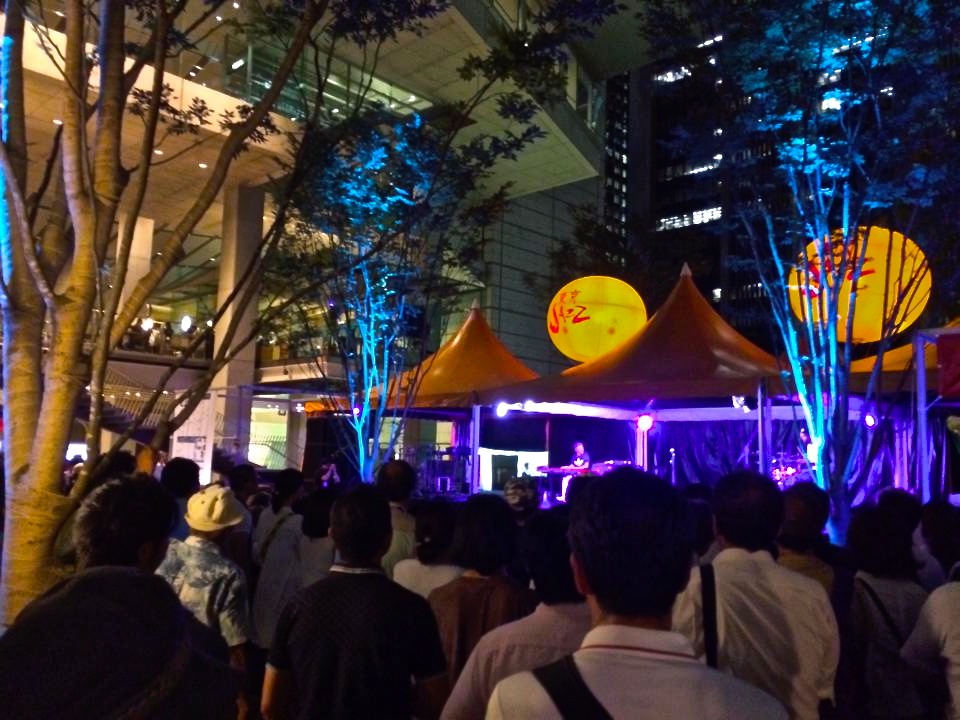 Equipe technique au taquet, magnifique piano Rhodes, public au rendez-vous et très démonstratif: notre premier concert Grand Pianoramax au Japon, dans le cadre du Tokyo Jazz Festival fut un beau succès! Egalement belles ventes de CDs au stand Tower Records Japon, avec un petit pincement au cœur en souvenir de ce disquaire maintenant défunt aux USA, qui avait marqué mes années d’étudiant à New York lorsque je passais des heures à creuser dans leurs bacs.

 Bonjour,
 Demain aura lieu notre premier concert avec Grand Pianoramax au Japon (Tokyo Jazz Festival).
 A
A