
 Not a great fan of distorted digital noises of any kind, I was not prepared to like the work of Blaise Caillet – AKA Sknail – the main perpetrator of the nu-electronica subgenre called ‘glitch jazz’. However, one must always be ready to eat one’s hat. In the intelligent hands of Caillet, the Sknail project is carried off with such graceful modernity and beauty that no one could begrudge him a few mechanical distortions here and there.
A mercurial soundscape
« Snail Charmers » is the second LP that spearheads this sci-fi fusion of jazz and the dark side of modern electronics. Listening to the album is like stepping into a mercurial soundscape where drums are replaced by subtle, finely-tuned scratches and digital malfunctions. Thanks to Caillet’s gifted production skills, they actually are made to sound beautiful, sitting perfectly at ease next to six professional jazz musicians and their elegant experimentation. The LP is a seamless work, fabulously suited to the soundtrack of a would-be Nordic thriller set in a misty land of half human, half robotic jazz warriors.
This Mad Max journey of confrontation between man and machine.
The chilly, not-quite-human electronic glitches are woven with great craftmanship into the sinuey hues of voice, trumpet, bass clarinet, piano and double bass. The result is a silvery, thin blanket of sound that is far warmer and more welcoming than expected. ‘Snail Charmers’ and ‘Something’s got to give’ are probably my favourite tracks of the year so far. Rapper/narrator/singer, Nya, works wonders with his languid, lilting vocals, adding the needed human guidance along this Mad Max journey of confrontation between man and machine. This work is cleverly thought-out and studied from every angle: concept, sound and visuals. Glitch jazz is indeed a product of our digital times, proving that the conquering and innovative spirit of jazz can be merged with anything, even “the aesthetic of failure”.
In conversation with Blaise Caillet:
Did you come up with the term ‘glitch jazz’?
Blaise Caillet: Glitch jazz is a subgenre of electronica. When I checked it on google, the term “glitch jazz” already existed. There are mostly DJ productions, in other words an electro beat with jazz samples and some little glitchy sounds thrown in. When I created the “Sknail” project, I wanted to take the word “glitch jazz” quite literally, ie: real glitches with real jazz! It felt really new. Now when you google “glitch jazz”, the first result that appears is sknail.com.
How was your first LP, ‘Glitch Jazz’ received?
Blaise Caillet: Some listeners were shocked and still are now! The first time I heard Alva Noto (pure glitch music) I was shocked too but it’s good to be troubled or affected when listening to new music. Personally, I always look for this sensation when listening to music. The first Sknail LP was generally well received by people looking for these kind of sensations. I prefer developing an original musical project, taking a path where nobody has gone before, even if it’s something shocking or displeasing.
Drums? Is this the role of the glitches?
Blaise Caillet: Yes, you can look at it this way. The glitches are micro samples and micro sounds stemming from machine failures, electronic malfunctions. When these micros samples are cut, clipped, treated, stuck together, you can get a very smart and definite percussion sound. In the end, the way to give a pulse to a track doesn’t matter, the important thing is getting the pulse, feeling the vibe. Also, using glitch rhythms in electronic music gives a different, finer sound than the “classical” electro drum machines. It results in a different aesthetic.
A lot of the tracks on both LPs have a very filmic, soundtracky quality. Do you plan to work in this domain?
Blaise Caillet: Yes I do. I worked last year with a French producer to adapt a Sknail track for a short movie that was featured in the “Nuit des Images” at Lausanne’s Elysée photography museum.
The timbre of the music has a beautiful melancholic quality. Do you think glitch jazz can ever be upbeat and joyful?
Blaise Caillet: I always use minor and modal (without harmonic changes) tonalities in this project. That gives a very specific mood to the music with a melancholic timbre. This timbre is specific to a certain kind of avant-garde jazz and, when it’s mixed with a cold and clinical electronica glitch music, it transcends itself. This is what I’m into: mixing the timbre and the styles, finding new aesthetics. At the beginning, I tried to make some tracks that were joyful and upbeat, but that didn’t work. They had a kitschy side, a kind of a hopping experimental electrojazz house sound which wasn’t what I was after.
Your rapper, Nya, touches on some relevant points about today’s decaying society, (especially in ’Slow Poison’). Is the band more a celebration or an attack on the digital age and what’s it’s brought to the world?
Blaise Caillet: I’ll let Nya answers this question: “It’s neither an attack nor a celebration of the digital age. It’s a balancing act, as with so many things in life. Trying to stay true to our human selves while at the same time evolving and adapting to our environment. Never losing sight of the essential things.”
How important are the visuals to your music? Who’s in charge of them?
Blaise Caillet: It’s very important. When you listen to music, you automatically create images and scenes in your mind. So I think it’s a very smart way to deliver the sound and the image of the music together, to suggest an entire artistic concept to the listener. And the aim is the same as the music: to create something innovative. Online, I met Efrain Becerra from Phoenix, Arizona, I stumbled upon his FB page and was very impressed with his 3D graphical work. I contacted him with the instruction: “Imagine how a jazz club might be in the year 3147 ». We had a lot of brainstorming ideas and exchanges via e-mail, Facebook, Whatsapp but I still haven’t seen, touched or talked to him yet face to face. Welcome to the 2015 dematerialized world!
What’s the Sknail live experience like?
Blaise Caillet: It’s important to understand that my musicians have never met (for both albums!). I recorded each musician one by one and created the tracks layer by layer because I’ve got only one microphone and because I really didn’t know where this project was going at the start. My objective was to realize an entire project by myself: artistic concept, creation, composition, arrangement, recording, mixing, promotion. The only thing I haven’t done myself is the mastering. I’m now working on how to produce the live show. First I have to find the adapted hardware and software, then, figure out how to perfectly synchronize the glitches with the double bass player to make the perfect rhythm section. In a live situation, I want the musicians to be very free like in a “classic” jazz concert, we play the theme and/or the vocal part very straight and arranged, and then the improvisations take off with great interaction between musicians.
Do you have any other music projects outside of Sknail?
Blaise Caillet: I did all the electronic musical arrangements for the last album of Ultra Dieez from Geneva, (Mathieu Delieutraz: composer, singer and guitarist who plays French rock/folk). When we decided to work together, I mixed the electronica glitch timbres to his roots bluesy French rock music and the result was great.
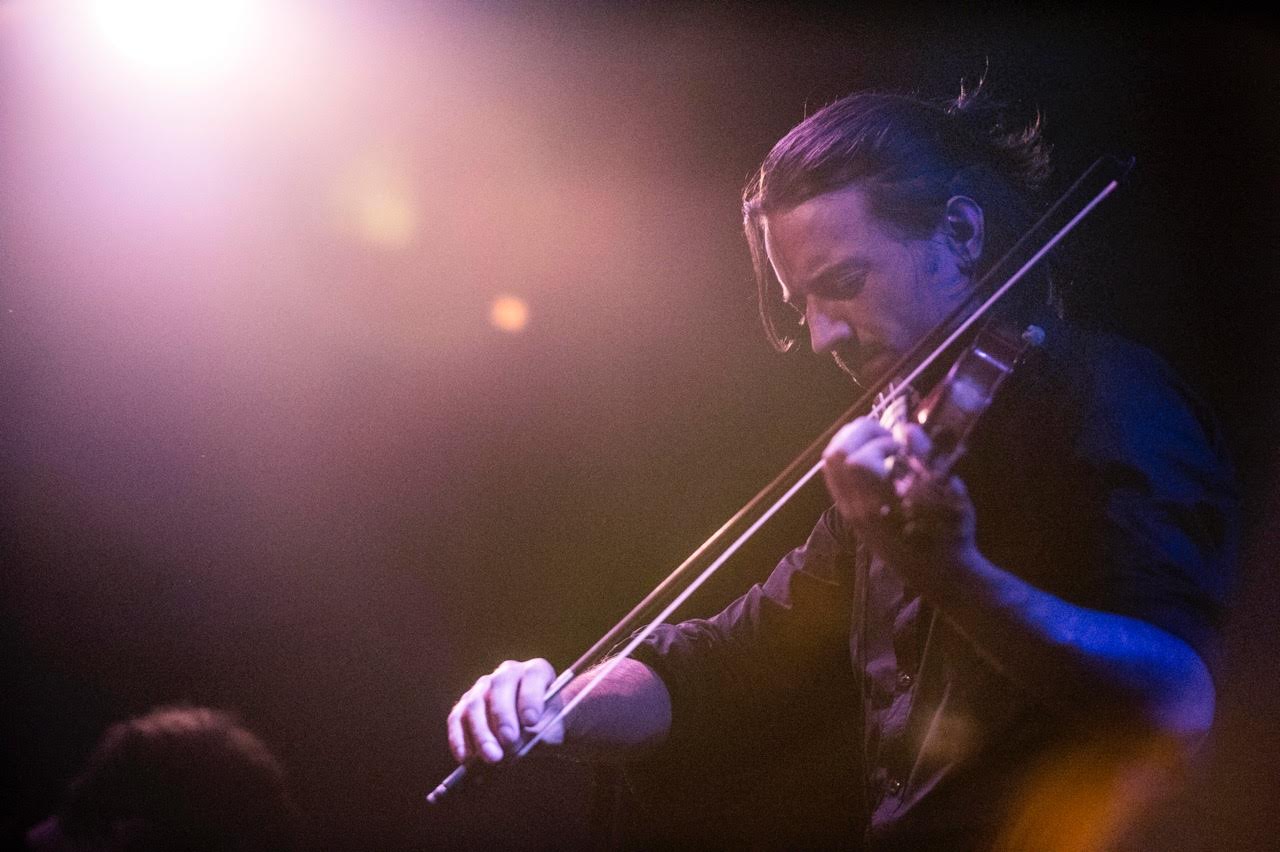 Après nous avoir séduit avec son quartet, après nous avoir surpris avec son projet électro
 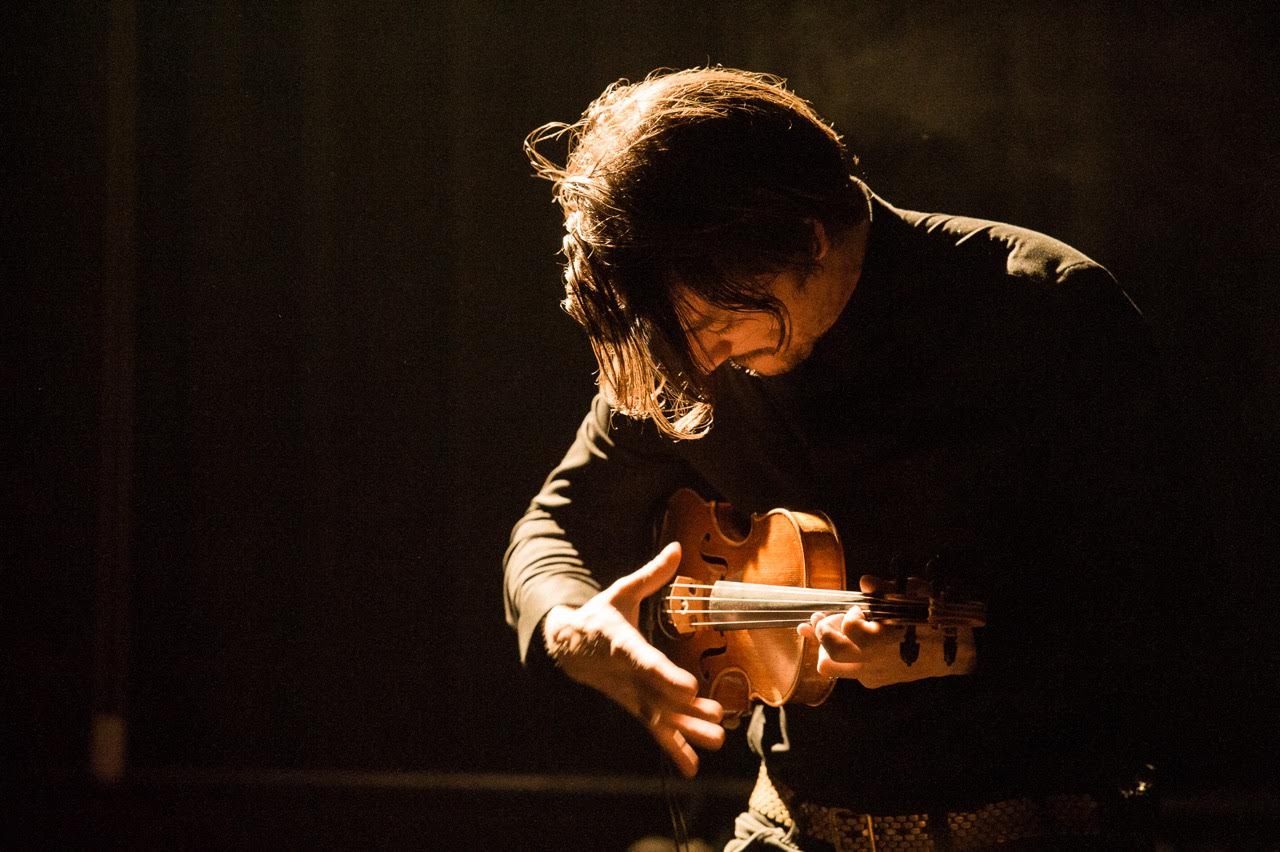 Tobias Preisig: C’est un nouveau défi pour moi. Faire un concert en solo implique de gérer en même temps les rythmes, la mélodie, la situation du moment. C’est très difficile, très extrême, mais ça amène aussi des nouvelles idées, ça permet d’avancer musicalement. Le pianiste