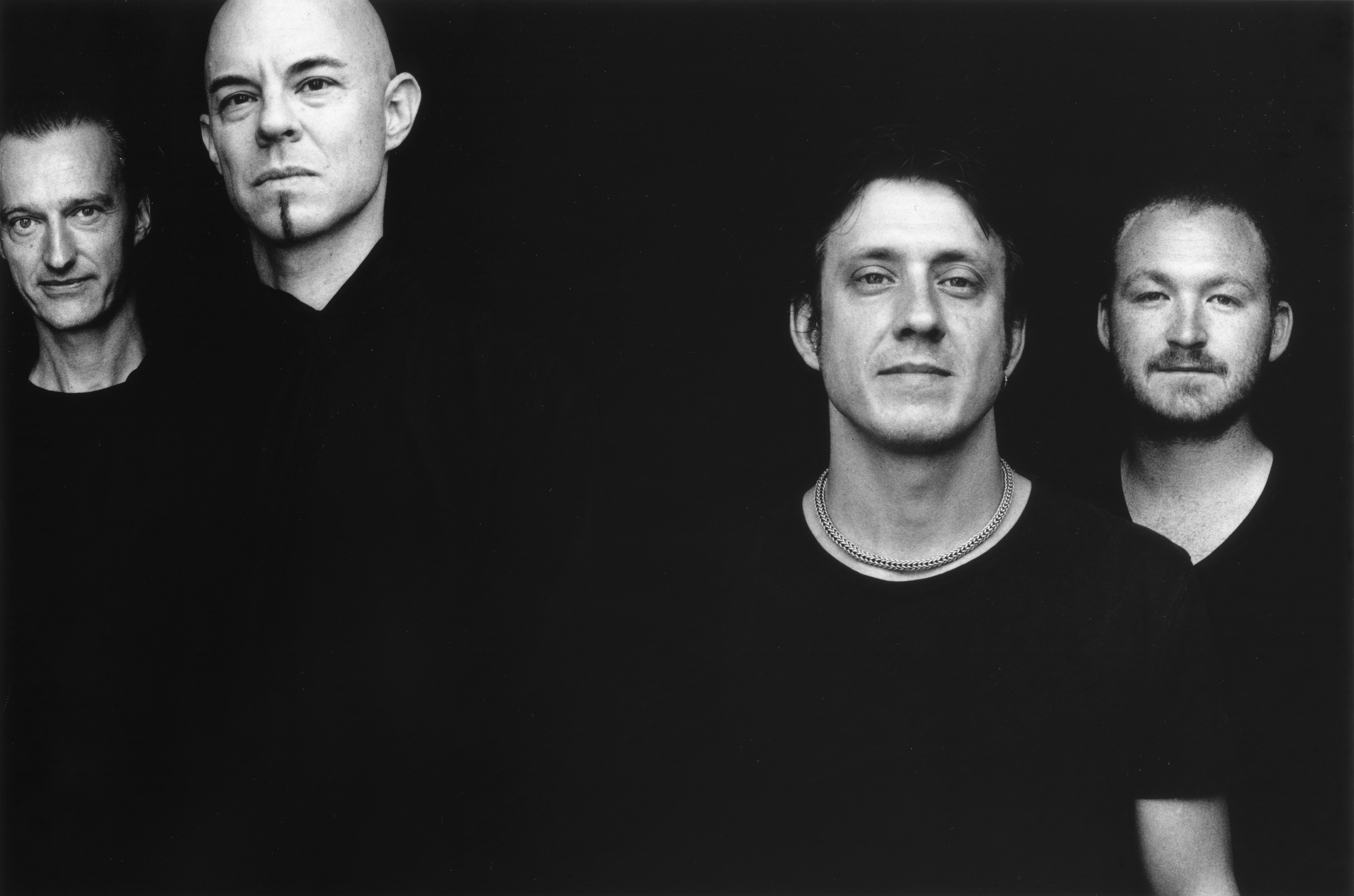
This is Ronin’s first London gig since their latest recorded-in-concert ECM release simply entitled “LIVE”. New to this Swiss quartet, I had heard them described in terms such as ‘zen, meditative, minimalist and hypnotic’, and am hence expecting to quietly relax in my seat and possibly drift off into some pleasant la-la-land reverie. Fat chance.
Then comes the master’s cry
The opening number, a piece commissioned by the London Jazz Festival to celebrate their 21st edition, admittedly sets out the minimalist framework from which many of Nik Baertsch’s compositions emerge: a small sequence of notes played out repeatedly until an almost humming, vibrational plateau is reached. Then comes the shout – akin to a quantum leap – the master’s cry which signals the change in direction, and it’s never the direction you’re expecting. Enter the spikey-edged groove that creates an exciting synergie among the four musicians as the humming vibration is maintained but layered and combined with idiosyncratic funk-jazz rhythms. At once I understand the beguiling statement featured on the band’s press page: “creating the maximum effect by minimal means”. This is music that makes space within a limited space, yet manages to sound intense and massive. “From self-imposed restriction stems freedom” explains Nik on his website.
In between anything can happen

The twists and turns inside the strict aesthetic infrastructure are varied, unexpected and occasionally brutal. Tracks merge in and out of one another with liquid low-key starts and scary built-up endings; in between anything can happen. Just as you begin to think you’ve seized the pattern – bang! – here comes a sharp corner ushering in a brisk tempo change, a pregnant pause, an unexpected motive, an anti-pattern or perhaps just a slight percusiive tap on the inside of the piano. The yin and yang of tension and release are constant key elements, (brilliantly exemplified by a loud, almost orgasmic, gasp from an audience member during an unusually abrupt stop mid-flow in track 5). To quote a You Tube comment “It goes right in the body. Ronin can sometimes feel like a drug”, no snoozing on this risky rollercoaster, Nik himself describes his musical thinking as “ecstasy through asceticism”.
What’s clear though is that Nik is having fun…
A big engaging smile encourages the interlocking rhythms between him and his band members. There’s a lot of playfulness going on in the groove habitat despite the apparent strict code of conduct. Sha on the bass clarinet shuffles and whispers like a discreet background vocalist, yet is in fact unifying the electrical force field. Kaspar Rast on drums is raw and explosive when pushing outwards from the framework . Thomy Jordi on bass is the funk master from whom the mesmerising groove stems. This is a band that meets every Monday at 2pm in Zurich to play in a workshop environment open to all members of the public, so to assume that Ronin is a musical concept best appreciated by the brainy and pretentious is a total fallacy. Tonight’s audience is made up of novices as well as diehard fans, and both types leap to a rapturous standing ovation once released from the deliciously dramatic tension.
Nik Baertsch: piano, Fender Rhodes
Sha: bass clarinet, alto saxophone
Thomy Jordi: bass
Kaspar Rast: drums
Nik Baertsch’s Ronin played @ The London Jazz Festival (Kings Place), 23rd November 2013.
 Dernier chapitre du journal de Johann Bourquenez, pianiste et compositeur de
  Vendredi, départ le matin pour Bangalore. une heure et quelque de vol. Aéroport à plus d’une heure de l’hôtel, une petite route en bon état, qui traverse des petits bleds pleins de gens, de terre rouge, de poules, de vaches, de petites maisons, un singe traverse devant nous. Toujours la conduite au klaxon (qui définitivement, sert à annoncer sa présence, et non pas à signaler son mécontentement), des motos à droite et à gauche, des vélos…
 Notre civilisation bat de l’aile, tout s’effrite et ça se sent, différemment à différents endroits. C’est une chose de le comprendre. C’en est une autre de l’accepter. On parle de cette idée que cette civilisation – celle-là, et toutes les autres – ne nous appartient pas. Un peu de silence, on regarde par le balcon. On en vient à considérer chaque ville comme un animal, puis tout le réseau des villes et des constructions humaines comme une seule entité cybernétique. Quelque chose qui nous dépasse, avec lequel on est en symbiose. Sans s’en rendre compte, et même en se sentant important.
 On va atterrir déjà. La pression me fait mal aux oreilles. J’ai le nez pris à cause de la climatisation. On arrive à Goa. Quel nom mythique. Je ne sais pas à quoi m’attendre. C’est le dernier concert de cette tournée.
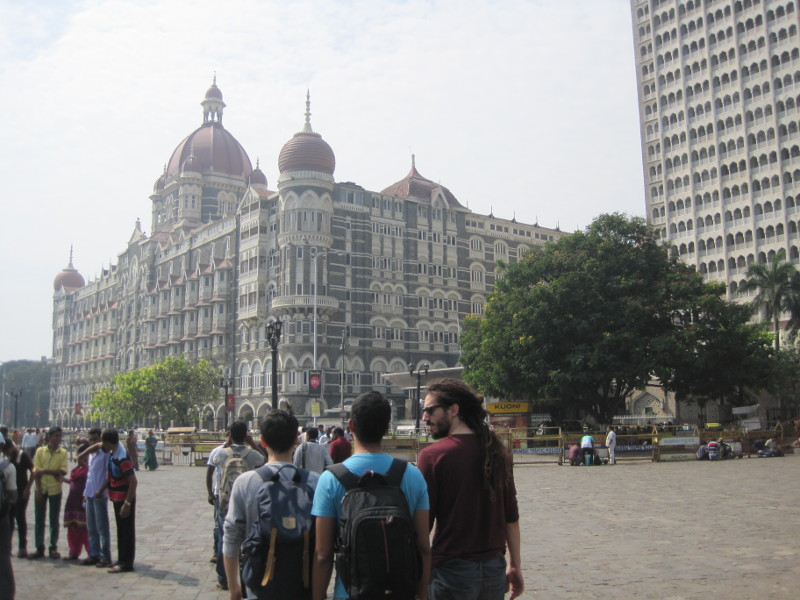 L’après-midi, je dors pendant le trajet en plein trafic dans la voiture de Shrini. C’est fou mais ça se me surprend déjà plus trop ce chaos. Il y a quelquefois où je sens que le surréalisto-mètre est dans le rouge (les croisements sans feu où tout le monde roule pare-chocs contre pare-chocs, les familles avec enfants qui traversent des triple voies au milieu des bus et des motos…)
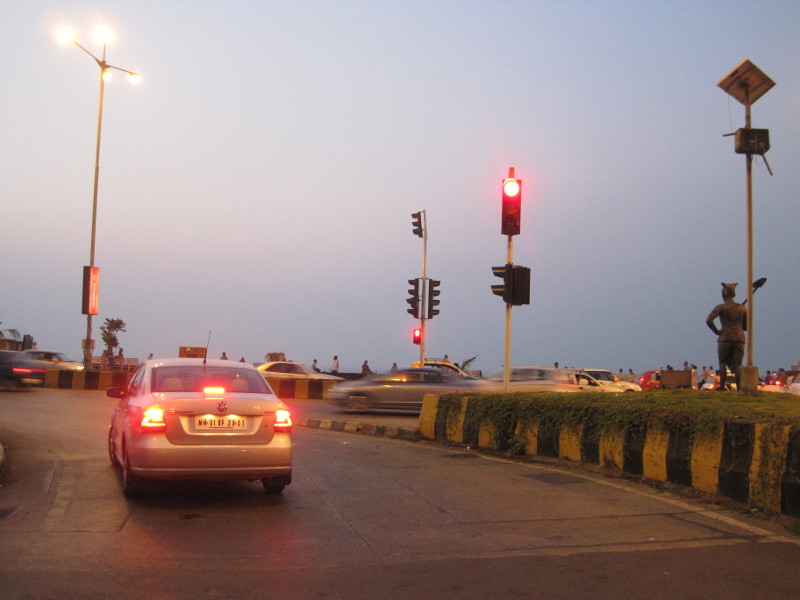 Le soir on mange dans un restau chinois. Le Californien en question à étudié “quand il était jeune, c’est-à-dire il y a longtemps” les rythmes indiens et donne quelques explications sur le Tintal, compter avec les phalanges, décomposer les patterns en 3,4,5, etc. Quand je dis que je m’attendais à ce que la tradition musicale indienne soit plus présente: on ne l’entend pas, on n’en entend pas parler, ni dans la rue ni a la télé, on ne rencontre pas de musiciens qui jouent ça. Il me répond que, comme partout, les gens veulent ce que veut le voisin et ce qui est à la mode, ce qui est brillant et a du succès, c’est-à-dire, les conneries que j’ai vues à la télé.
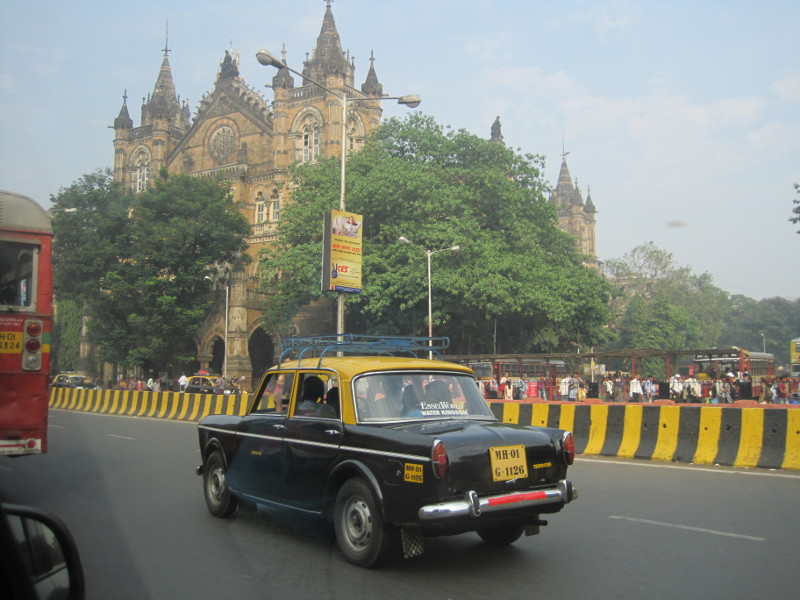 Mardi, on est parti à 10h de l’hôtel pour aller à South Bombay, le quartier plein de bâtiments victoriens et de touristes. On est resté quatre bonnes heures, entre le “India Gateway”, la station de train qui ressemble à une cathédrale, les marchés de rue et un petit atelier de photo au fond d’un couloir humide dans une vieille baraque.
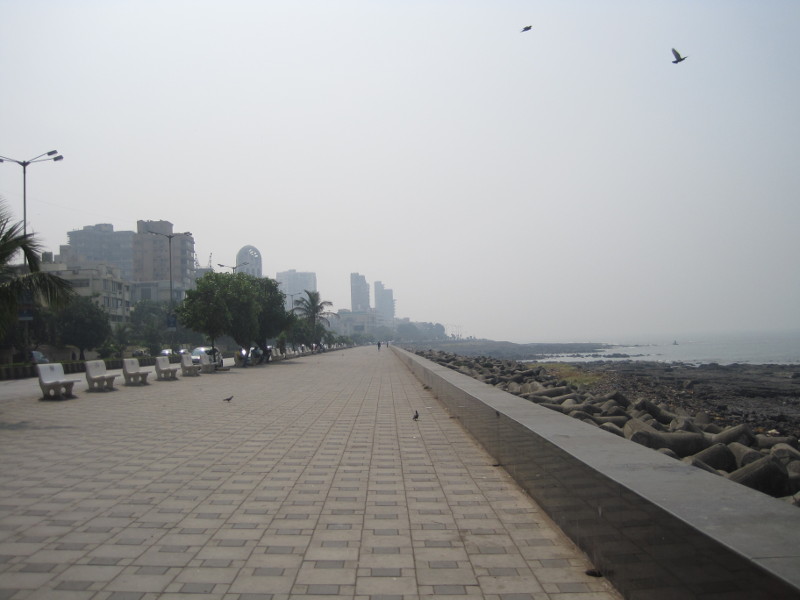 Ce matin ça va mieux. Certainement mon corps doit s’habituer au changement de climat de nourriture…J’ai fait un tour sur les “quais” à côté de l’hôtel, pris des photos. Il y a ce pont au dessus de l’océan qui va à Bandra, qui est énorme. L’air est épais et il fait bien chaud (30 degrés), je transpire tellement, et je ne sèche pas après la douche.
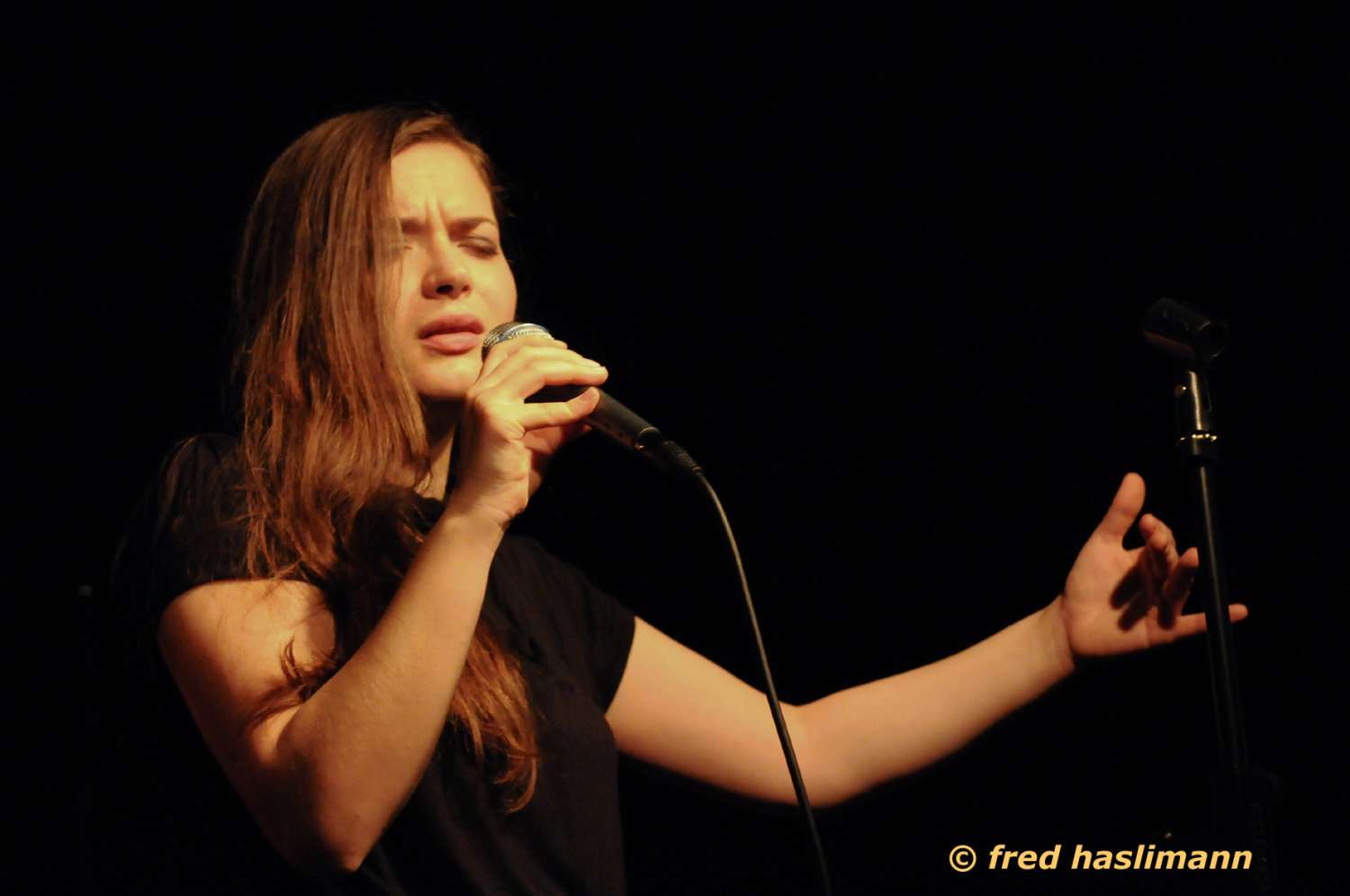 You physically feel the power of Elina’s cry
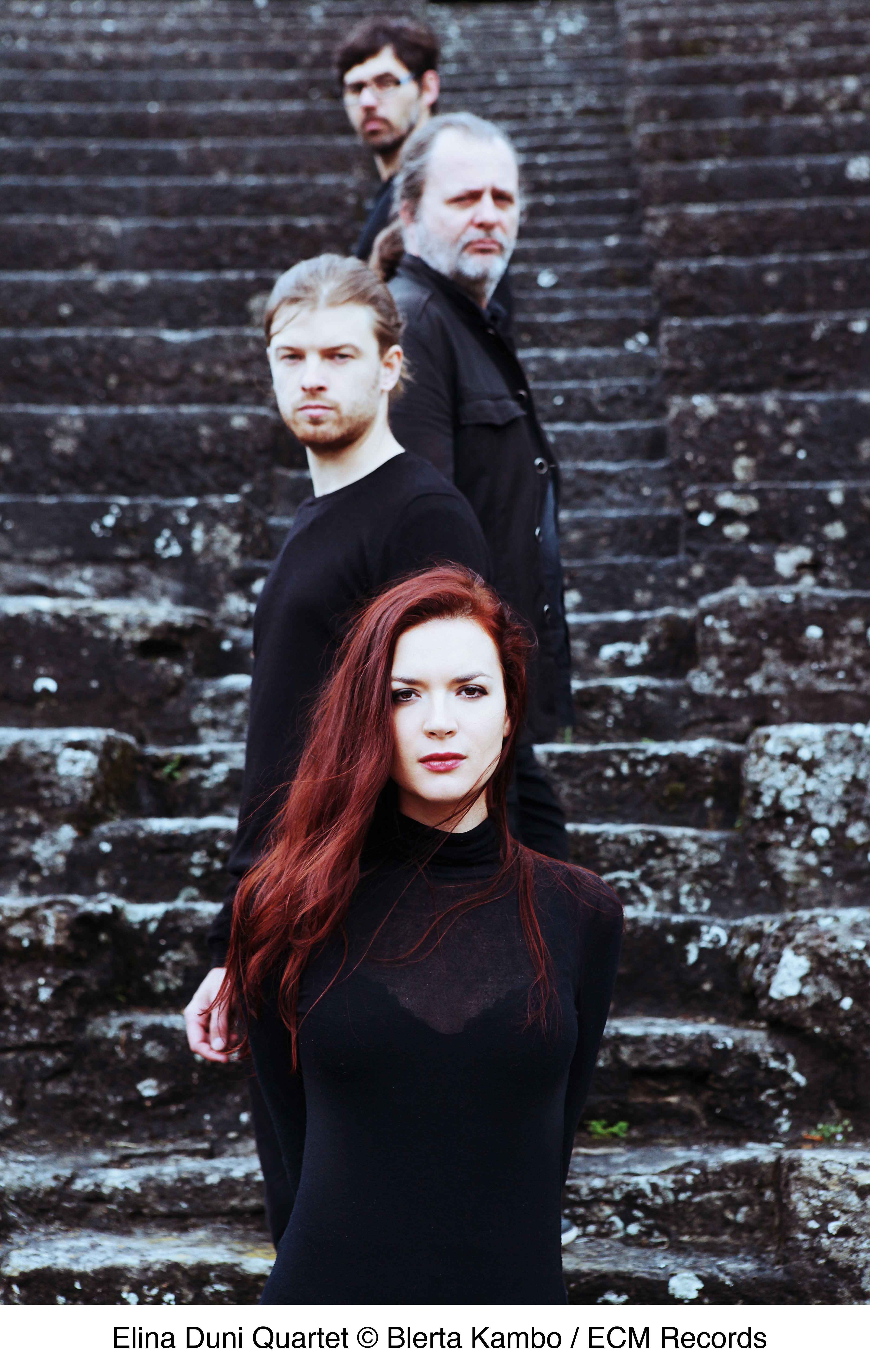 I have to admit I was entranced by Colin’s imagination; he is a potent voice and I want to check his own trio now. At times he played with such melancholy it broke my heart, then in a moment, flashed his anger or became cold, like ice cubes dropping into Elina’s blood-red cocktail, cracking and clinking, changing the temperature. He used various techniques to physically alter the piano, deadening the resonance or twisting the keys into cimbalom-like notes, revealing a Balkan soul whilst never breaking the spiritual thread of jazz.
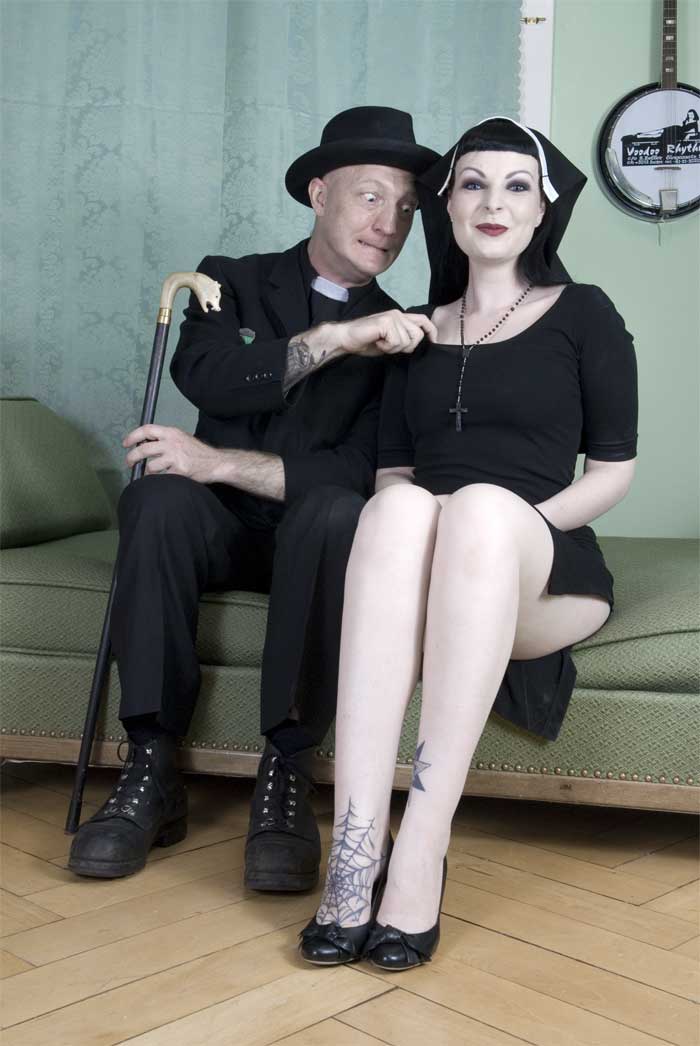 One guitar („Fifty bucks.“), one amplifier („fifty bucks.“), one speaker („fifty bucks.“), and one bass drum („from the trash.“) is all that Beat Zeller, aka the
 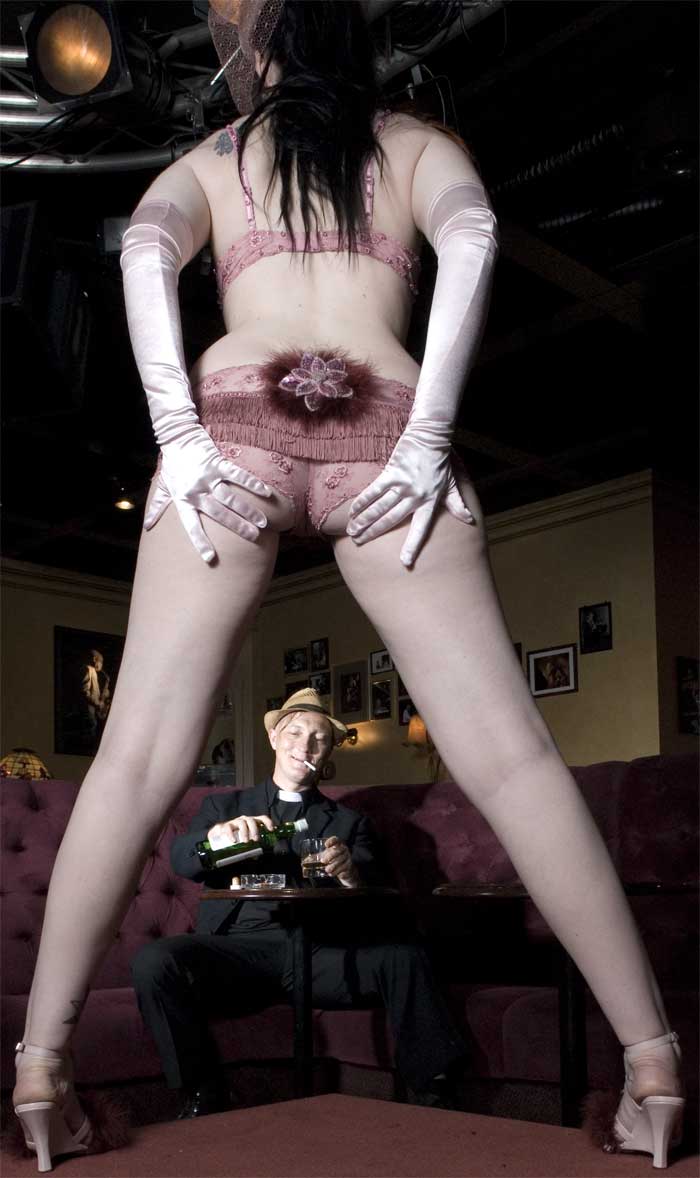 He delivers his absurdist multi-sexual lyrics in a primordial howl that is part animal lust, post-coital sorrow, and part comedy. Driving himself forward with an incessantly rattling bass drum and occasionally permitting himself a Dylanesque wail on the harmonica, he is a truly unique performer. In this rivetting performance in front of a sizeable and highly appreciative crowd in one of the most enjoyable small venues in London he manages to burn not one but two amplifiers in one performance. Ace!