‘Levitation’ by Tobias Preisig & Stefan Rusconi – Le Temple, Cully, 9/4/16
@J-C Arav
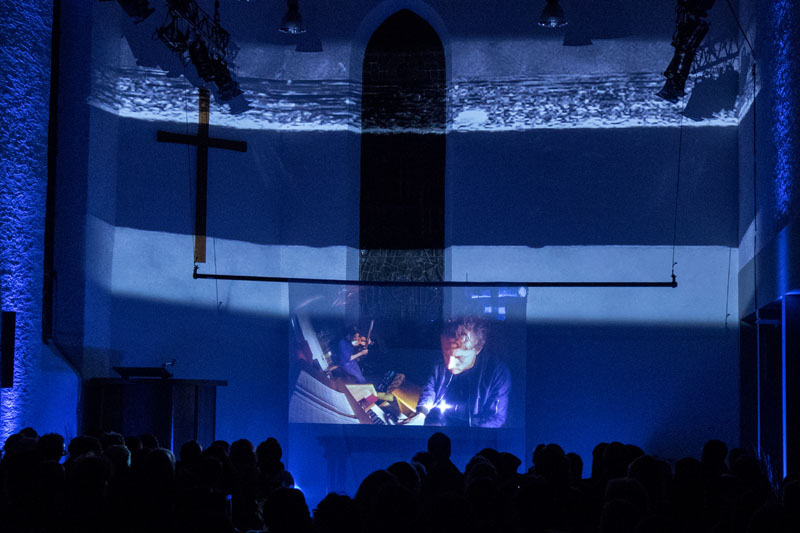
Tobias Preisig and Stefan Rusconi are Swiss pillars of the Cully Jazz musical institution. Their Saturday night performance at Le Temple church marked a return to sacred ground that the duo had already trodden a few years ago. This is the venue that inspired and housed their Levitation project that tonight is played out to an eager audience, most of whom are already familiar with the powerful, intimate exchange between violinist and pianist.
The key feature of the Levitation project is the sensitive, gradually drawn out soundscape created in great part by Rusconi on the church organ which is then supported and teased out by the strings. In practical terms this means having the two musicians play upstairs in the church gallery, heard but not seen from the audience down below. Deciding that this year’s jazz audience needed something to look at, the entire concert was projected on screen at ground level, which, ironically – because of the very bright projector light that was aimed right at the audience – meant that many of us listened with eyes tightly shut, (it was a bit like staring at the solar eclipse without eye protection). Possibly the best way to appreciate the moody, almost Gothic sounds raining down from above.
Some questions and answers with violinist Tobias Preisig:
What’s your relationship to the Cully Jazz festival?
Tobias Preisig: I have a special attachment to Cully Jazz. I’ve been playing here for the last 6 years, I started off in a small caveau as part of the ‘OFF’ programme, then they offered me residency, then larger stages as part of the main programme. There’s a extremely open-minded attitude here and strong commitment to push the next generation. Young and unestablished musicians find a stage here, right next to the superstars. Playing at Cully is definitely the highlight of the year for me. It’s become almost a family gathering with musical professionalism.
Was the material for ‘Levitation’ tailor-made for Cully?
Tobias Preisig: We played as a duo here at Le Temple in Cully a few years ago, performing for the first time with the church organ. Again, it was an opportunity that the festival gave to us. We fell in love with the sound and came back one summer to record at Le Temple for 5 nights. This music is now released as an LP called ‘Levitation’ and yes, it’s definetely tailor-made. So what’s nicer than to celebrate a recording that was actually made in this enviroment?!
Will there be more live gigs with the ‘Levitation’ project?
Tobias Preisig: This is a special side project for both Rusconi and I whose friendship and collaborations go back a long time. So far we’ve only played the material from Levitation live twice! There are a lot of underplayed organs and oversized churches, so we are looking forward to exploring them and awakening them with new music.
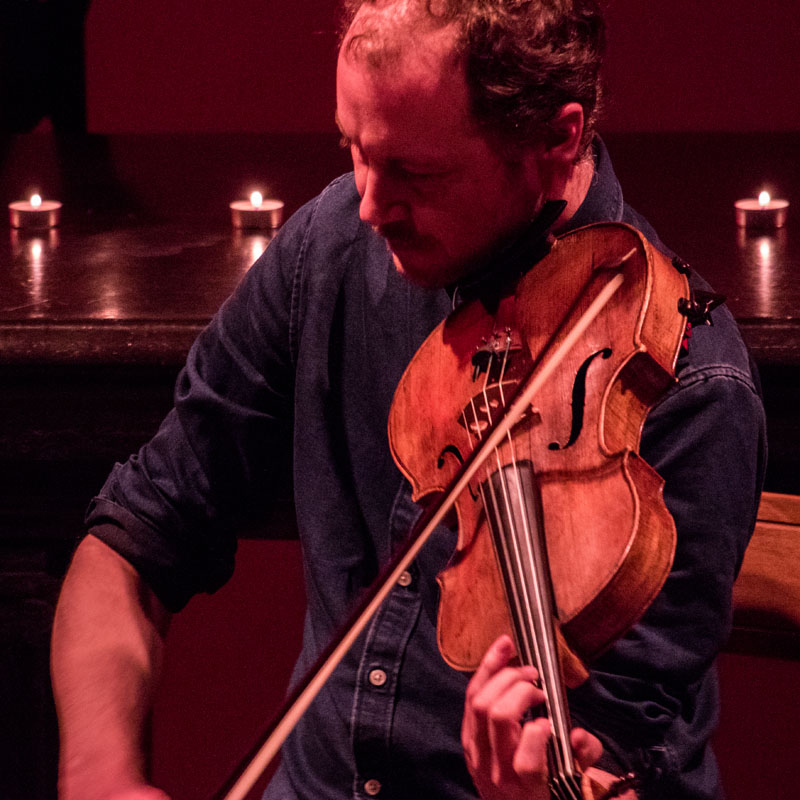
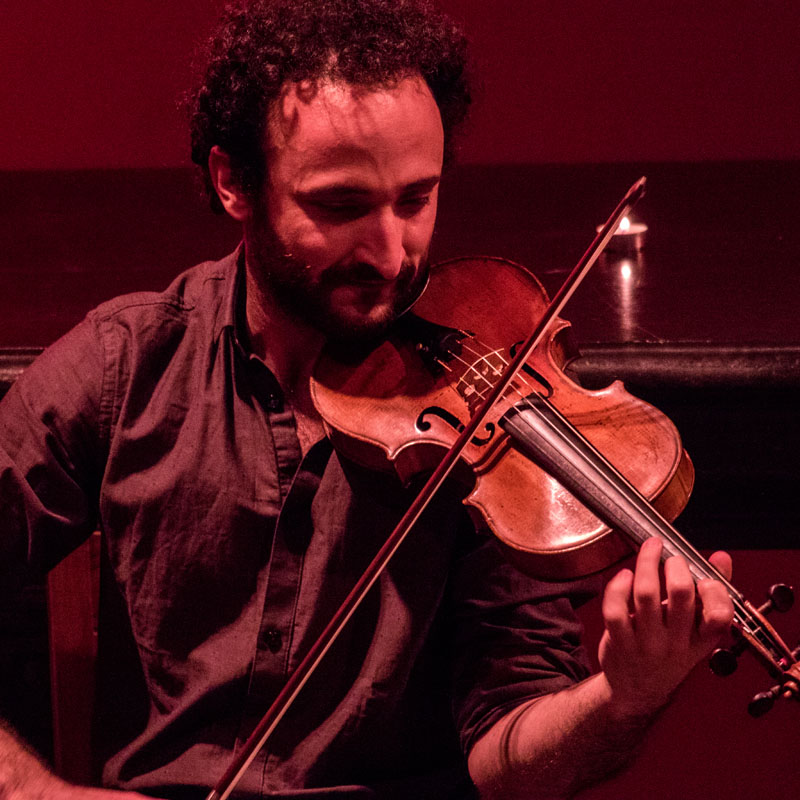
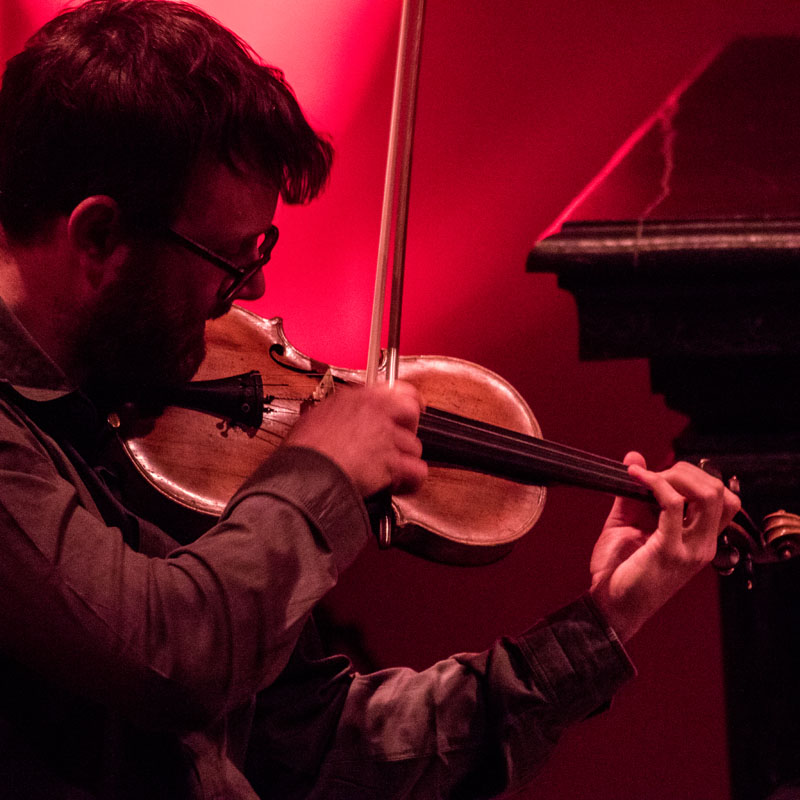
Kaleidoscope String Quartet – Le Temple, Cully, 8/4/16
@J-C Arav
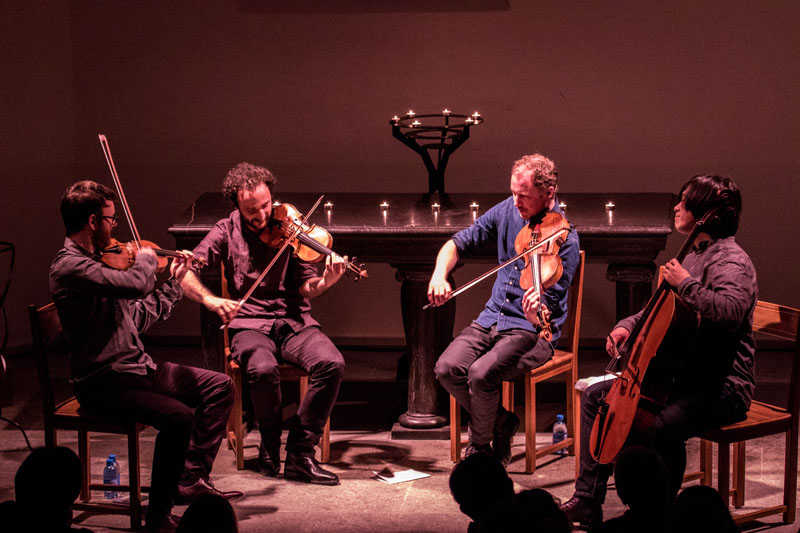
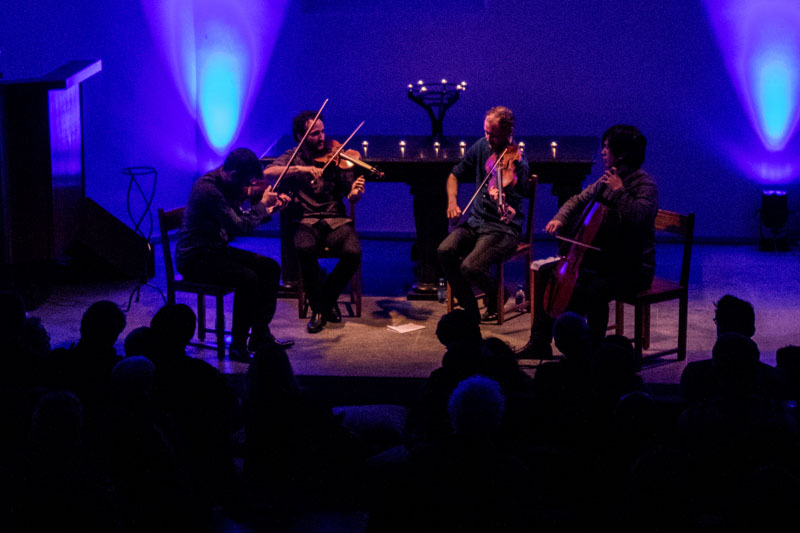
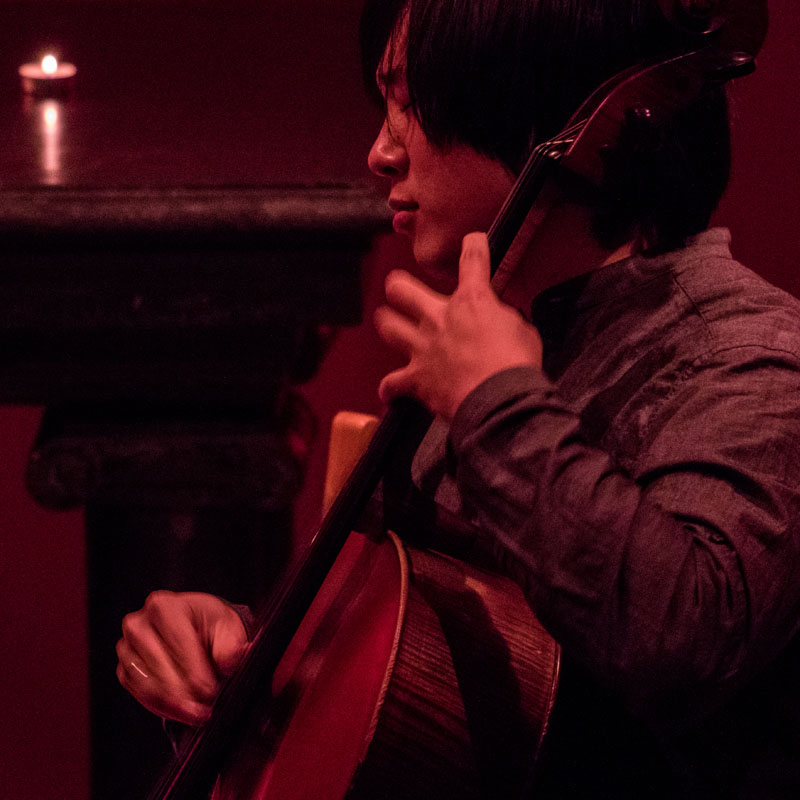
Two violins, one viola and a cello make up the unconventional Kaleidoscope String Quartet who kicked off the first night of Swiss musical contributions at the prestigious Cully Jazz festival. Performing material from their second LP, ‘Curiosity’, their strictly acoustic set up was a perfect fit to the meditative church setting of Le Temple.
I was lucky to bump into violinist Tobias Preisig just before the band came on, he tipped me off with a few insights into the quartet: « I used to play with them in the early days. What they do is technically very hard, you have to be really connected as musicians. Their forte is how they swerve tradition, always looking for new ways to play their instruments ».
@JC-Arav
These words proved a useful interpretation tool. A string quartet inevitably conjures up very rigid ideas of genre, hence what makes this group interesting is how a variety of styles, rhythms and tones are woven into the classical string infrastructure. There’s a feeling of the experimental and the improvised even though they’re clearly a tightly rehearsed unit. Seamlessly the ball is passed from one member to the other as the violin is bent and shaped in all directions. Closing my eyes I could have sworn someone had sneaked in some Japanese pipes during track 3. Quasi pop refrains and folkloric riffs creep up when least expected to add colour and vibrancy.
@J-C Arav
Admittedly, there were moments when some the barren plucking overstayed its welcome, (at a critical point in the musical tension I overheard someone muttering «sounds a bit like a swarm of mosquitoes » ), the bass tones of the cello proving a welcome contrast to the higher pitches of the violins. Possibly too many sparsely clad moments where the rowdy festival crowd outside the venue added more rhythmic movement to the music than the quartet itself.
@J-C Arav
The higlights for me were the warm, swirling melodies that sprang suddenly out of the languid tones. Nothing gives the feeling of lift off and transportation quite like a set of strings, so to hear them setting off into fourth gear with dynamic, frenetic synchronisation was a delight – one track culminating with a joyful vocal shout! Amazing that a string didn’t break in the process.
Some questions and answers with KSQ bandleader and composer, Simon Heggendorn:
Is it important for KSQ to be seen as more than just a classical outfit?
@J-C Arav
Simon Heggendorn: In many ways, yes. From our point of view, a ‘classical’ string quartet mostly interpretes music, whereas we create the music ourselves – rather like a band – and are completely free in the style of interpretation. This gives us the possibility to have a unique ensemble sound defined by the music we write for it.
Did the fact you were playing in a church impact your choice of what material to play?
Simon Heggendorn: Not primarily, maybe the fact we played in a church had an influence on ‘how’ we played (tempi, improvisations, dynamics). We like to play completely acoustic, so Le Temple was a perfect set-up for us.
What’s your relationship to Cully Jazz?
Simon Heggendorn: We played at Cully Jazz in 2012 for the first time. Spots are limited so it’s always very special to be chosen. Since it’s a big festival, you get more press attention than with standard gigs. It’s important to get known on the scene and be exposed to a wider audience, maybe even internationally. Not to mention the unique atmosphere in the village during the festival and the effort of everybody working here – just amazing!
[youtube=https://youtu.be/YTYVvcAsda8]
Band members:
Simon Heggendorn – violin & composition
Ronny Spiegel – violin
David Schnee – viola & composition
Solme Hong – cello
Je me souviens de la première fois où j’ai parlé avec Aris Bassetti. J’avais entendu trois titres de Peter Kernel sur MySpace et nous avions échangé quelques mails ensuite. A la fin de l’un d’eux il me disait, un poil ironique, combien il était difficile d’être Tessinois parfois. Du moins, quand on fait du rock, tant la région manquait alors de structures, de salles de concerts, de festivals ou encore de labels.
8 ans plus tard, tout n’a pas encore changé. Mais c’est un autre monde déjà. Comme MySpace, le désert rock tessinois semble révolu, remplacé par une scène en plein développement et qui fait désormais parler d’elle hors des ses frontières. « Dernièrement, de nouveaux lieux où s’organisent des concerts sont apparus. Surtout, les qualités et les ambitions des groupes tessinois ont augmenté depuis 3 ou 4 ans et ils sont toujours plus nombreux à tourner et à jouer un peu partout dans le monde », observe Aris Bassetti.
Un label, comme gage de sérieux
seul sur scène tom bar mixe garage et electro
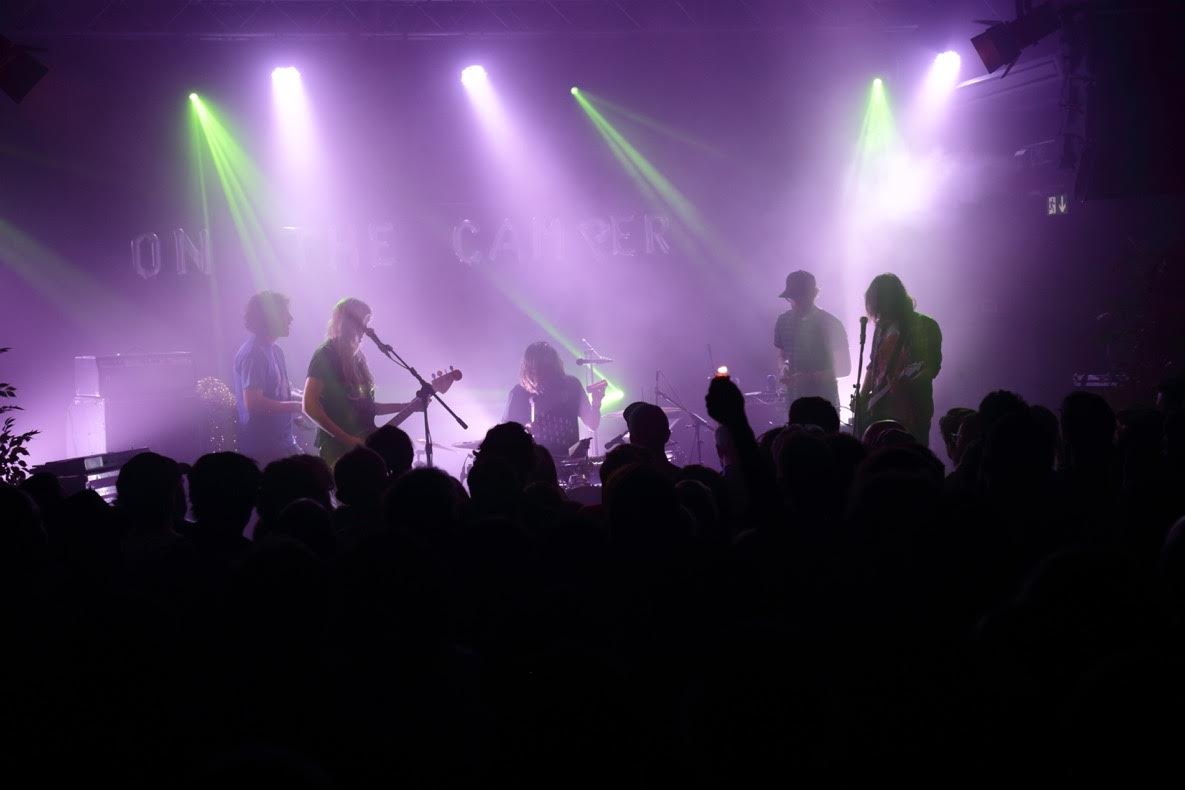
Le musicien de 38 ans n’y est pas pour rien. On the Camper, le label qu’il a créé en 2006 avec sa compagne Barbara Lehnoff a permis l’émergence ces dernières années, en plus de leur projet Peter Kernel, de plusieurs groupes tessinois qui comptent et s’exportent, de Camilla Sparksss (projet solo de Barbara) à The Lonesome Southern Comfort Company. Surtout, il a donné une visibilité au Tessin sur la carte des musiques actuelles. « Je ne sais pas pourquoi, mais les gens prennent plus au sérieux un label qu’un groupe, analyse Aris Bassetti, ce qui permet notamment d’attirer l’attention des médias. C’est en cela qu’avoir un label fait sens au Tessin.»
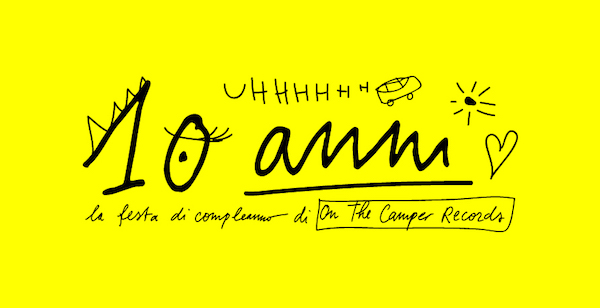
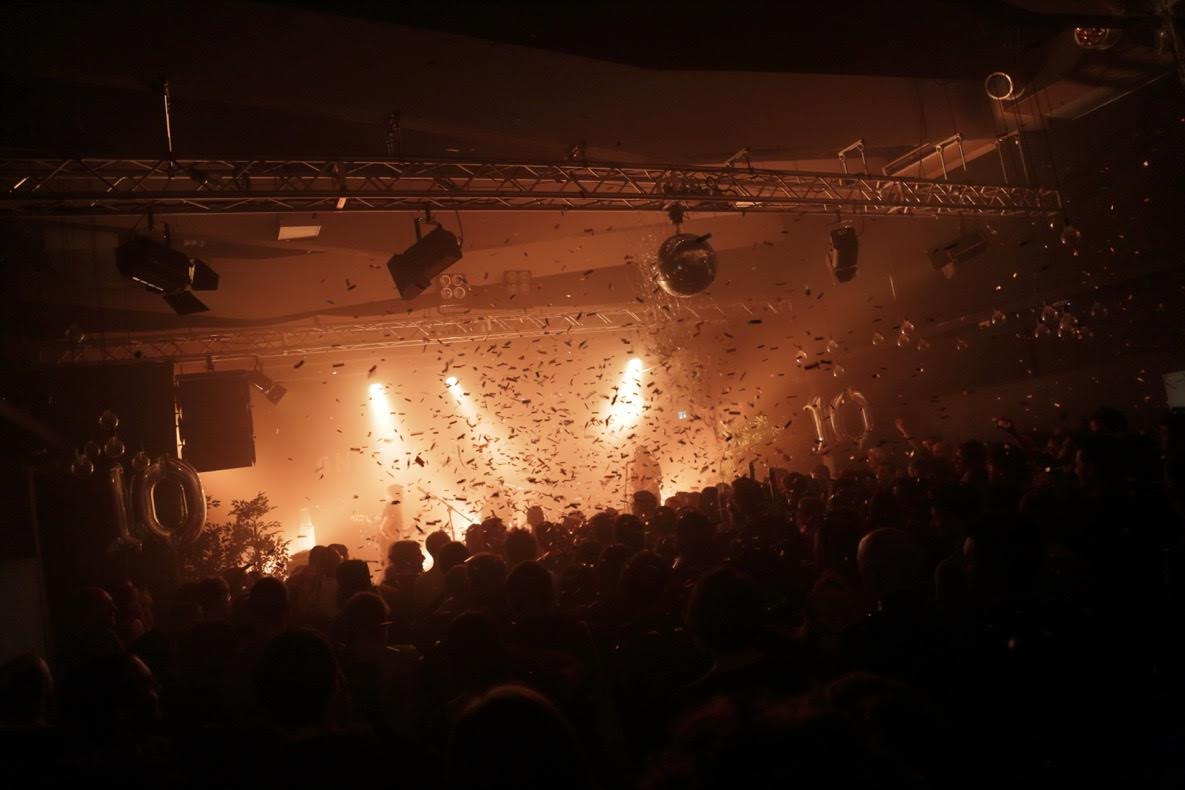
10 bougies
Viruuunga rejoint Peter Kernel sur scène
Un label aux airs de famille musicale, qui fêtait son 10ème anniversaire le temps d’un festival à Lugano, organisé durant le week-end pascal. L’occasion, en plus des fers de lance d’On the Camper, de découvrir sur scène quelques nouveaux groupes tessinois à suivre. En tête tam bor, projet solo de Vitti Bastianelli, batteur intermittent de Peter Kernel. Martelant ses frappes sur des boucles synthétiques, le jeune musicien donne vie à un étrange mix entre garage et electro, le tout rehaussé par un chant habité. Plus conventionnel, Viruuunga n’en est pas moins séduisant. Le duo basse/batterie, soutenu par une drum machine, lorgne aussi bien vers le rock psyché que vers les lignes éthérées d’une certaine new-wave. Premier EP à suivre cet automne. Enfin, le trio Niton – invité de dernière minute en remplacement de Rocky Wood – impressionne par sa posture radicale, l’électronique se frottant à un violoncelle polymorphe et à des instruments bricolés, aux sonorités inouïes.
Frissons et futures collaborations
explosion de paillettes pour clore le concert de Peter Kernel
A côté de cette relève, les (déjà) glorieux anciens de la scène tessinoise ne sont pas en reste. The Lonesome Southern Comfort Company distille son folk inspiré, plus rugueux et crasseux sur scène que sur disque, tandis que Camilla Sparksss s’impose en furie electro-lo-fi, faisant saturer les synthés comme peu d’autres. Mais le clou du week-end, c’est bien sûr Peter Kernel. Le groupe à l’origine d’On the Camper clôt ce jubilé avec un indie rock toujours aussi efficace, mais chargé soudain d’une émotion particulière. Les frissons sont palpables quand retentissent les premiers accord d’It’s Gonna Be Great avant qu’une explosion de paillettes ne ponctue la soirée et le festival.
La fête fut belle et pourrait bien laisser plus que de bons souvenirs en héritage. Les deux soirées au Studio Foce de Lugano ont affiché sold-out et donné quelques idées à Aris Bassetti. « Cet anniversaire était aussi une façon pour nous de tester les collaborations possibles entre différents acteurs culturels du Canton en vue de concrétiser un projet auquel nous pensons depuis longtemps, explique-t-il, un festival qui s’appellerait La Tessinoise. C’est notre prochain objectif. » La scène musicale tessinoise n’a peut-être pas fini de surprendre.
Yael Miller “It was very difficult at the beginning, very upsetting”
As Orioxy’s key composer and vocalist, Yael says, “We did amazing things, were in amazing places and had crazy experiences – it is why it’s good that it finished now before it became bitter…” Like bandmate Julie Campiche, Yael was re-assured about the decision to split up, at Take Five Switzerland & South Africa, even though it affected others, “It was very difficult at the beginning, very upsetting.”
Photo Gerald Langer
Yael has faced tough challenges before. From Tel Aviv, she spoke of a childhood almost lost to shouldering heavy responsibilities. So it’s unsurprising when she says it was a feeling of duty to compose for a whole band that caused her writing block. Her desire was to go more deeply into personal expression, like a singer-songwriter, where lyrics lead. “This is not so acceptable in the mainstream jazz world, so I’m shifting it a bit…not feeling obliged to fit in.” It’s as if Yael is finding the freedom that was compromised as a child.
Orioxy’s drummer, Roland Merlinc will be part of her new trio, “We want the same things,” she explains, and Baptiste Germser, a bassist and French horn player who has a Paris studio. “We close ourselves away for three or four days and just rehearse and record from morning to evening, then we go and drink beers, and then continue.” It’s time for Orioxy to explore who they are now and I’m excited to hear their individual projects.
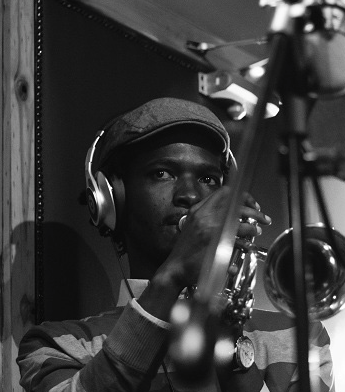
Mandla Mlengeni: “I was a troubled child and I was always in trouble” Someone else shaped by a dramatic early life is trumpeter Mandla. Brought up in a turbulent Soweto by a young, single mother after his lawyer father was murdered, he admits, “I had to find coping mechanisms. I went to see psychologists, but I didn’t know how to deal with it, I was a troubled child and I was always in trouble.” His childhood is hazy but he remembers sitting on his dad’s shoulders, hearing music at political rallies, and a small, blue piano he brought Mandla from London when working on a case concerning South Africa’s ‘hit squads’.
Listening to Mariah Carey and Boyz II Men on the radio, he says, “I thought composing was a sacred gift and being a musician was something bestowed upon you, like being a ‘sangoma’, it was a calling.” An exchange to Norway introduced him to composing in a simple way, but he left the first piece he wrote for a couple of years, then, “One drunken night, I was with a friend and we were jamming and I started playing this song and he asked, ‘Hey man, whose song is that?’” This encouragement eventually led to his 2015 debut, Bhekisizwe.
It was a long process but the recording fell fatefully into place: finding a studio and having saxophonists Shabaka Hutchings (UK) and Ganesh Geymeier (CH) in town to guest. And now, Mandla says, “I’ve sold all the albums so I have to re-print and strategise as to how to get into markets other than South Africa.” With a tenacity that secured him gigs even before the album’s release, he’s one to watch for.
Joel Graf: “We have to find new strategies”
PommelHORSE’s sax player is also thinking about a game plan. This quintet met studying in Bern and are good buddies but says Joel, “We have to find new strategies, new ways and that includes a new label…and better ways to market the band.” I can’t help chuckling when Joel explains they took an actual pommel horse on their early tours. “When we first played shows, audiences in Germany thought we were a music and gymnastics show…they were kind of disappointed.”
Photo Peter Tümmers
My favourite track on their last album was Joel’s ‘Drunk on Christmas Eve’, and I’m intrigued to see them play live at jazzahead! this month. “There’s always big competition,” he says of this music fair, “…selling yourself and your music, it’s hard work.” He talks of feeling overwhelmed by everything a band should be doing and how you can lose sight of why you ever went into music.
Joel actually studied IT first despite coming from a sort of ‘Partridge Family‘ with the six musical siblings all playing instruments. In a way pommelHORSE are his new musical family and although each of them play various styles e.g. classical and heavy rock, they gel together. “I love our combination of music, but really we have to move on, make our music better and move forward.”
Yilian Cañizares “You know what you want, but you don’t know how to get it”
With Ibrahim Maalouf Photo Marc Bertolazzi
Yilian is looking at how to progress too. “When you are trying to build something, sometimes you can feel,” she searches for the right word, “…lost, because you know what you want, but you don’t know how to get it.” She is often invited to play with others after they see her perform, such as Richard Bona, Ibrahim Maalouf and Omar Sosa (with whom she’s just recorded an album) but she wants more exposure.
In fact Yilian sums up a major issue in Europe, “Right now it’s quite difficult because culture [representation] in all media is getting smaller and smaller and sometimes they just speak about pop music or celebrities. It’s quite frustrating.” That’s an understatement – don’t get me started on UK press coverage of this music, but Yilian knows there’s more she can do, “I believe it’s very important to always be in the creative process, I like to see it as an everyday process…maybe we are sure about that as musicians, but we don’t apply the same concept to other areas of our career.”
I suggest that she must get homesick and Yilian graciously replies that she’s blessed to be able to pursue music at this level, but does want to see her Cuban family more often, “I am split into two feelings…and I try to transform this into my music and creativity, that’s how I manage it.”
Ein Banjo zupft ein repetitives Muster, die Band setzt mit einem bestimmten, akzentuierten Spiel ein, während die Protagonistin durch den mit blauem Industrielicht ausgeleuchteten Gang schreitet – und näher kommt. Sie hat eine elektrische Gitarre, Marke Gretsch, umgehängt und als sie ankommt am Ende des langen Korridors, singt sie nur die Worte: «I’m still alive.»
Eine markante weibliche Stimme in der Schweizer Rocklandschaft
Die «Überlebende», die diese Zeile nicht ohne Trotz intoniert, ist Nadja Zela, die glücklicherweise immer noch da ist und seit über zwei Jahrzehnten eine markante weibliche Stimme in der Schweizer Rocklandschaft ist. Erst waren da Bands wie The Whooshings oder Rosebud, später dann Fifty Foot Mama. Ab 2009 veröffentlicht Zela nur noch unter eigenem Namen. Immer war die 44-jährige Zürcherin da, doch nie mittendrin. Denn dazu sind ihre Musik und ihre Stimme zu eigensinnig und unverkennbar. Und vor allem: Zela lässt sich nicht vereinnahmen. Wenn es zu bequem wird, dann bricht sie auf – und geht weiter.
“Ich bin doch nicht Blues! Ich bin auch nicht Rock oder Folk!”
«Immaterial World» ist ihr viertes Album. Sie hat es mit einer neuen, rockigeren Band eingespielt – mit Martin Fischer am Schlagzeug, Michel Lehner am Bass, Nico Feer an Gitarre und Bruder Rico Zela an Orgel und Oboe. Mitproduziert wurde es von Mama-Rosin-Mitglied Robin Girod. «Ich hatte einfach plötzlich wieder dieses Lechzen nach einer Rockband», schreibt sie. Denn ihr wurde es «zu Comfort-Zone-mässig» mit der vorherigen jazzigen Formation. «Ich mag es einfach nicht, wenn eine Szene mich für sich beansprucht. Ich bin doch nicht Blues! Ich bin auch nicht Rock oder Folk! Ich will Zela sein, irgendwas zwischen Bowie, Sister Rosetta Tharpe und Cheyenne aus ‘Spiel mir das Lied vom Tod’», so Zela.
Eine Art kollektive Ahnung
Das Album beginnt mit einem stillen «Prelude». «We are the children of the old world», singt Zela, nur begleitet von ihrem Gitarrenspiel. Sie meint mit dieser Zeile vor allem ihre Generation der «Golden Age Kids in Europa» – «die aufgeklärte, prosperierende, kolonialisierende, missionierende alte Welt.» Eine Welt, die wie der Kapitalismus ihrer Meinung nach ausgedient habe. Die «Immaterial World», die Zela in zwölf Songs besingt, empfindet sie «als eine Art kollektive Ahnung von einer seelischen Verbundenheit der Menschen in ihrem Bestreben nach Liebe, Zusammenhalt und Frieden.» Dies sei nicht religiös oder esoterisch motiviert, sondern rein emotional zu verstehen.
Die Gegenwart und Vergangenheit zu überwinden
Und so klingt denn auch «Immaterial World», das versucht, aufzubrechen in diese neue, bessere Welt – und es aber nicht immer schafft, die Gegenwart und Vergangenheit zu überwinden. Weil: Die Verletzungen, das Elend und Ungerechtigkeiten der momentanen Gesellschaft, sie geben den Ton mit an, beispielsweise im schroffen «I’m Still Alive» – einem der Schlüsselsongs der Platte – oder gleich darauf in «Break Every Bone». Und selbst wenn die Band ausgelassen aufspielt wie in «Sunday Morning» fühlt sich die Sängerin allein. Aber: «I try to carry on», weil es muss weitergehen, irgendwie.
Es gibt aber auch Hoffnung, und Aufrufe zu mehr Solidarität wie im grossartigen «Mercy on the Weak», in dem Zela und ihre Band eine entspannte und doch dringliche Gospelspielart entwerfen. Überhaupt: Diese Band folgt Zela und ihrer Stimme überallhin – sei es im Reggae «Level Off Level Out» oder im abschliessenden und tröstenden «Homeless Son» – und es ist zu hören, dass hier etwas gemeinsames entstanden ist, das mehr ist als nur eine weitere beeindruckende Soloplatte. Denn es ist so (und da darf man schon mal pathetisch werden, etwas, das dieses Album zu keiner Zeit ist): Nur gemeinsam ist sie zu erreichen, diese «Immaterial World».
Pour une vieille peau comme moi, à l’esprit farci de préjugés, un projet pédagogique d’échanges artistiques et de médiation francophone en Afrique qui s’intitule « Une chanson pour l’Education » fait frémir. Je crains d’emblée de retrouver ce bon vieil esprit paternaliste que beaucoup de Français ont si bien su développer à l’égard de leurs ex-colonies. Qu’elle ne fut donc pas ma surprise, lorsque, en ce dimanche 20 mars, je découvre au Festival Voix de Fête de Genève un nombre impressionnant d’artistes burkinabés aussi créatifs que stimulants et engagés : Patrick Kabré dans la cour, Maï Lingani, Dicko Fils et Alif Naaba sur la petit scène du théâtre. Depuis que Victor Démé a ouvert la voie, il semble que la scène burkinabé soit en passe d’imploser.
« C’est un phénomène assez récente, explique dans les loges le chanteur Alif Naaba, également appelé le prince du Konkistenga en raison de ses nobles origines. Elle existe depuis une dizaine d’années et manifeste d’une génération qui veut oser et expérimenter des choses nouvelles. La base de notre musique est traditionnelle, mais elle utilise des codes universels pour ne pas rester enfermée dans une sorte de ghetto artistique ». Quant aux écoliers romands, ils sont venus déclamer des citations de leur crû avec un bel aplomb. Un petit air de révolution et une énergie impressionnante flotte à tous les étages du théâtre Pitoëff. Impressionnant et réjouissant.
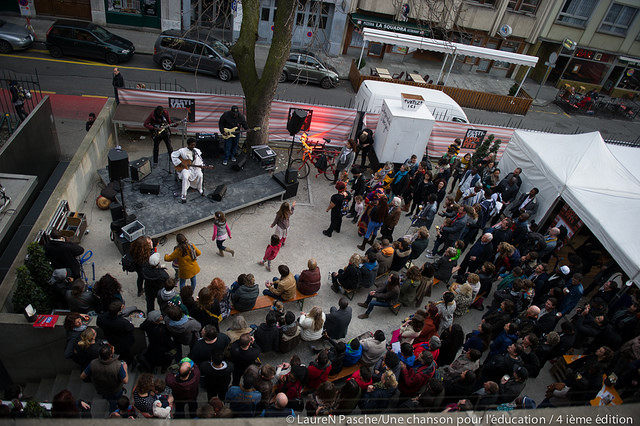
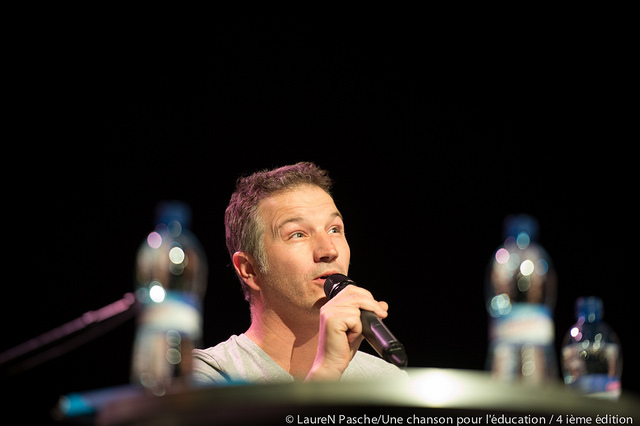
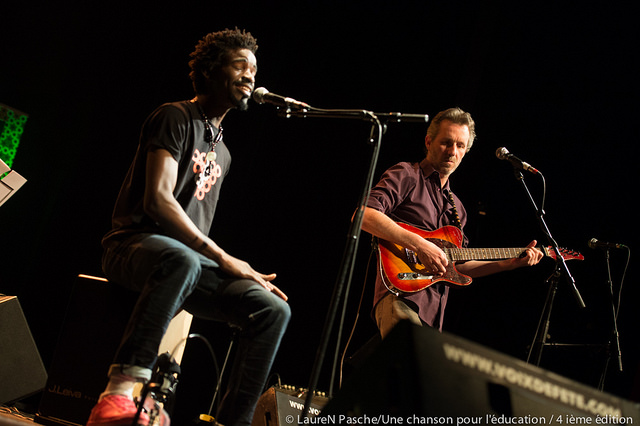
Et cela ne fait que commencer : à 20 :00 le plateau de “Une chanson pour l’Education” investit pour de bon la scène du théâtre Pitoëff. “Une chanson pour l’Education” c’est un projet de coopération initié par l’association Enfants du Monde et réalisé en partenariat avec la Compagnie Zappar dont Yannick Cochand est le directeur artistique. Il s’agit d’une part de sensibiliser de manière ludique des jeunes francophones au fait que des millions d’enfants dans la monde n’ont toujours pas accès à l’école. Les parrains, tous des artistes confirmés, ont eu pour mission d’accompagner les enfants dans la création de textes et des chansons sur le thème du droit à l’éducation. Mais il s’agit aussi de faire des opérations de sensibilisation artistiques dans les régions concernées par les problèmes d’éducation (cette année le Sénégal et le Burkina Faso) et en Suisse romande via une série de concerts (Gland, Neuchâtel et Monthey) qui se terminait au Festival Voix de Fête à Genève.
A Genève, une heure durant les parrains et marraines défilent sur scène ensemble ou séparément. Alif Naaba réapparaît pour un dialogue avec la chanteuse congolaise Gasandji et un autre duo avec Sébastien Peiry sur le thème du climat. La jeune Valaisanne Sylvie Bourban chante, quant à elle, les réfugiés – en bambara – avec Dicko Fils. Zedrus et Patrick Kabré interprètent un titre écrit après le tremblement de terre en Häiti, Pascal Rinaldi chante sa « Race Humaine », Fraissinet nous fait rire avec ses phobies d’avion …. « Un bouillon de culture incroyable » résume Yannick Cochand qui court dans tous les sens sur scène, le sourire vissé aux lèvres.
Du côté suisse, Sylvie Bourban impressionne par sa voix aux accents jazz, sa présence lumineuse et évidemment sa capacité à chanter dans autant de langues différentes. « C’est un peu mon fonds de commerce, s’exclame en riant la chanteuse le lendemain au bout du fil. Depuis mes études à Berklee, j’ai chanté dans beaucoup de langues différentes : du patois valaisan à l’anglais en passant par l’arabe ou l’espagnol. Avec Alif Naala, j’ai chanté en bambara, avec Maï Lingani en français en onomatopée. J’aime les langues pour leur mise en bouche, pour leur sonorités. Cela dit je me considère comme une chanteuse à texte et je comprends chaque mot que je chante. »
Une autre dimension
« Avant de partir en Afrique, j’avais peur d’être condescendante, mais en fait on a tout de suite basculé dans l’émotion. Dans les villages on était accueilli par des dizaines d’enfants qui couraient à notre rencontre. J’avais en permanence des enfants dans mes bras ou qui me tenaient la main, même quand je chantais ! Les Burkinabés me disaient tout le temps que j’avais le « ventre blanc » et que les enfants le sentaient. Je ne comprenais pas. « Avoir le ventre blanc » est une expression de là-bas qui indique la bonté d’une personne. Cette expérience m’a vraiment ouvert une porte sur une autre dimension.»
Pour mieux vous imprégner des sensations de cette expérience unique en son genre, consultez le blog de Sylvie Bourban, où elle posté ses impressions.
Manuel Troller
“How do we make a classic guitar-bass-drum trio sound like something else?”
I’m re-naming Schnellertollermeier as Nitric Acid (hydrogen, nitrogen, oxygen). They are not a trio, but a chemical reaction. Seeing them perform at a Lume event in London I felt the room may combust into flames during the title track of their album, X. The sustained tension of Manuel Troller’s Telecaster plucks, Meier’s afro-beat-punk drums and Schnellmann’s distorted, demanding bass, pin you into a tight corner, forever, it seems. A sudden breakdown into nothingness releases the hold before industrial drones and a poetic, distant guitar change the mood. It’s psychotic and clever – throwing Mr Hyde at you first and, much later, the sane Dr Jeckyll.
Schnellertollermeier play London’s Lume night
Guitarist Troller admitted, “That was a huge job. How do we make a classic guitar-bass-drum trio sound like something else? Like one compact organism; with different elements, different functions, but all going for the same thing.” When it comes together, the sound is seismic; the gig was a whirl of grunge, classical, jazz, blues, rap and rave. Troller is cat-like, darting around the ‘dry and heavy’ bass, at other times he is obsessive, a strumming nutter. I’m as thrilled as they are that X was in the Wall Street Journal’s best music of 2015 (alongside artists like Björk). It’s rare to have such an album picked up by the mainstream.
“I’m really happy at the moment,” says Troller who has good things ahead. He’s an associated artist at Lucerne’s Südpol with the trio playing unfinished music to audiences to give insight into the composing process, then he’ll be in Chicago for an autumn residency and US tour. He’s developing solo material and performing with author Michael Fehr. I first saw him play with Nik Bärtsch’s Rhythm Clan at the EFG London Jazz Festival and solos from him and Sha were highlights.
“I’m more interested in people like Marc Ribot”
“Some of the elder generation in Switzerland used to tell me, ‘Man you have to decide what you really want to do.’ For me it’s not the right way. I’m more interested in people like Marc Ribot who are working in different fields but have their own language, their own personality that they bring to all sorts of music.” Manuel has also played with Sophie Hunger and senses such artists are helping to sketch a profile of Swiss musicians for countries like the UK. “I also feel there is a self-confidence growing which is necessary.”
Julie Campiche
“There is something in me that needs to learn to accept the compliment”
Photo: Laurent ML
Confidence was a theme in my conversation with Julie Campiche. “I’m happy and confident,” she tells me, “and I wasn’t like that two months ago, I was much more afraid.” Julie is part of the quartet, Orioxy, who are dis-banding and she describes the build-up to this split as ‘a crisis’. It’s clearly a difficult time for any band and although she began a trio project she felt too unsettled to make it work. The Take Five programme – and interactions with other professionals helped, but Julie realised she faced a common Swiss issue – being comfortable with her worth.
After gigs she often had people praise her playing, but made excuses – they don’t know the harp, they were just impressed by the instrument, not my playing. “There is something in me that needs to learn to accept the compliment…I have built some tricks to seem like I’m accepting it, but with all the crisis stuff, I was confronted by that…I laughed at myself because I realised I had escaped as long as I could and now I had to face it. Good luck Julie!” She feels the revered Malcolm Braff whom she plays with in Jibcae has found a good balance, “…knowing you’re good, accepting it, being comfortable with that and knowing it’s not about you, it’s what you are able to do, what you enjoy doing…the priority is so clear with him – it’s music.”
“I love to go into the world of the music atmosphere for someone else”
Julie isn’t scared of the business side of music and is organised, but wants to stay active whilst stepping away from planning too much, just, “play with people, find the people to work with on my project,” and explore being a side woman. “I love to go into the world of the music atmosphere for someone else. What can I bring into that? What can I serve in his or her music?” It’s an exciting time being in a place of ‘not-knowing’, having space to truly explore and Julie deserves to relax and enjoy the freedom that can bring.
Christoph Irniger “My way of thinking about jazz is based in the American way”
I find saxophonist Christoph Irniger a little impenetrable, guarded, but he comes alive when working through an explanation of his music. He excitedly refers to Theolonius Monk: “When he’s soloing you always hear the song – and that’s what I’m for, that’s my approach to music, in that kind of tradition.” That’s clear when you listen to recordings of his projects: his trio, the quintet Pilgrim, quartet Counterpoint or the more electronic project, Cowboys From Hell, there is a sense of respect and nostalgia for be-bop. “My way of thinking about jazz is based in the American way and it’s connected with melody. I always try to play melody even if I’m playing avant-garde music.”
Over the years, Christoph has forged a relationship with New York (his ‘musical home’ alongside Zurich) and cherishes the chance to be part of the scene there where the propulsion to simply ‘play’ supersedes thinking or planning. Bonds with the New York based drummers, Ziv Ravitz and Nasheet Waits mean a lot to him and his stays ‘over the pond’ give an alternative lifestyle and viewpoint for composing.
“… the way to work on music is to play gigs”
Pilgrim photo: Erwin Van Rillaer
Pilgrim’s new album, Big Wheel [Live] is out in the autumn (Christoph’s third release on Intakt Records) and they’ve been picked to showcase at jazzahead! the renowned trade fair in Bremen. But he’d like more gigs and larger venues. “The main thing is to play music…to go further, to search for new ways…it’s like a scientist, and the way to work on music is to play gigs, the live situation.” And the bigger the audience the more you get reflected back, “It’s like a mirror, it’s the best way to develop your music.” I’m sure more gigs will follow but as Christoph knows, “There are no shortcuts.”
Nils Fischer “I also like playing different styles, it gives me a lot of energy”
Although Wayne Shorter is still the most important influence for saxophonist Nils Fischer, he is coming at music from a spectrum of points. “I often have periods where I listen to one or two albums all the time, it’s not something I do consciously but I love it. I’m listening to Warpaint, an incredibly good female band from the States. I love the album of Kendrick Lamar. I like listening to different things and I also like playing different styles, it gives me a lot of energy.” His main project, quartet The Great Harry Hillman, describe their music as ‘jazz of today’ and I find it spacious and engaging. Last year they won the ZKB jazz prize at Moods in Zurich and played at London’s Match&Fuse festival.
Nils Fischer
Starting drums at six Nils moved to sax aged eight, after seeing one in the gospel choir his mother sings with. His dad is an organist and his sister is going into musical theatre, but he questioned playing professionally. “It was a hard decision…it came naturally, I wasn’t forced to do it, but when I decided to do it, I really said yes to it.” A chance encounter at a workshop led him to leave his native Germany to study in Lucerne where he met his band. “It’s almost too romantic to say it, but we really had our first lesson together and from then on that was it.” When GHH played London their musical chemistry and friendship was clear, “We have a lot of fun always when we are together,” and I witnessed that…
“Our sound is pretty detailed”
The other side of Nils is he is pro-active and organised, dealing with the bands’ bookings. “I like talking to people, making relations, that’s fun,” he says. That’s the sort of band member you want to hold on to. He is planning GHH’s tour with the Austrian trio, Edi Nulz and something new in November – a heavily produced EP with layers of tracks. “Our sound is pretty detailed…it’s a step further to really make it structured on the record so it’s different from the live thing…we will clearly separate it – give something different on the EP from the live feel of an album.” I’m very keen to hear what they come up with.
Chaque mois, Swissvibes vous présente un nouveau titre extrait de “Inappropriate Behaviour”, le nouvel EP de Rootwords.
Incontournable de la scène musicale suisse, Rootwords puise la source de ses créations dans la culture hiphop. Loin de se contenter de recréer l’actuel ou le passé, le rappeur genevois d’origine américaine et zambienne allie des influences éclectiques à son style de prédilection. Le résultat ? Des univers hétéroclites, entre tendances et old school, guidés par le verbe consciencieusement aiguisé de Rootwords, qui mènent l’auditeur dans un voyage musical aux multiples facettes.
Après avoir présenté son premier album, “The Rush” (en 2014), et les EPs de ses débuts sur les scènes suisses, françaises, italiennes, allemandes ou encore chinoises de renom, Rootwords aborde 2016 avec un nouvel EP au concept peu commun. Composé de six titres qui sortiront au compte-gouttes tout les 25 du mois, “Inappropriate Behaviour” oscille entre titres solo et collaborations avec des artistes des quatre coins du monde, encrant ainsi Rootwords un peu plus dans la lignée des artistes citoyens du monde. Chaque mois, nous découvrirons un nouveau chapitre de cet EP avec l’impression de Rootwords sur ce dernier.
Pour succéder aux basses prenantes de « Move (feat. Muthoni The Drummer Queen) » et à la mélancolie de « She », Rootwords s’allie à Blitz The Ambassador et s’offre un voyage dans des contrées musicales teintées d’Afrique. Rien d’étonnant quand on prête une oreille à l’univers musical de l’invité du titre. Originaire du Ghana et des USA, Blitz The Ambassador s’illustre dans un hip-hop aux racines afro-beat et au résultat saisissant. Pour cette collaboration, les deux rappeurs mettent le verbe sur les relations interculturelles et sur les injustices que les personnes de couleur vivent encore de nos jours. L’image, quant à elle, est mise en forme par Idal (membre des Murmures Barbares), et portée par l’excellent breakdancer Bad Liks (qui fait parti du Warriorz Crew de Genève). Ton sobre et point de fioritures, les mots de Rootwords et Blitz The Ambassador raisonnent dans les gestes précis et percutants de Bad Liks. Le message du texte est porté avec pertinence et reflète la volonté de Rootwords :
« Non, je ne suis pas parano. Les regards, les insultes, les incivilités, les moqueries, les crachats, les coups d’épaule… c’est une réalité. Et ça arrive régulièrement lorsque tu as la peau colorée comme moi. C’est comme ça depuis que je suis tout petit. Ma mère m’a raconté que, lorsque j’avais trois ans et que nous vivions aux Etats-Unis, elle m’a récupéré à la crèche et j’étais en train de pleurer. Elle m’a demandé pourquoi et je lui ai répondu qu’un « copain » m’avait dit qu’il ne pouvait pas jouer avec moi parce que j’étais noir.
On est en 2016 et je vois toujours des affiches dans la rue avec des « retournez d’où vous venez, rentrez chez vous ». Où que j’aille, c’est toujours la même rengaine, le même problème. Ca me pousse à croire que je suis maudit, qu’il existe des forces obscures qui « nous écrasent », comme le dit si bien Blitz The Ambassador sur cette instru hypnotique de Tismé, tout en décrivant notre situation en tant qu’être humain à part entière sur cette planète.
Quoiqu’il arrive, mes yeux sont ouverts, et j’ai depuis bien longtemps conscience des choses qui se passent autour de moi.»
Pour sa 6ème édition, les RepreZent Awards ont mis les petits plats dans les grands pour offrir une expérience inédite à son public.
La scène musicale suisse recèle de talents – cachés ou dévoilés. Là où d’autres entités s’attèlent à dévoiler les perles rock ou pop de nos contrées, le site web RepreZent.ch a pris le pari de lever le rideau sur les artistes s’illustrant avec brio sur les planches du hiphop suisse romand. Tout au long de l’année, les meilleures créations des rappeurs, performers et beatmakers sont mises en avant par le biais de chroniques et d’interviews.
Une fois par année, RepreZent organise les RepreZent Awards pour récompenser les acteurs les plus talentueux du hiphop romand. Pour cette 6ème édition, la cérémonie a élu domicile dans les locaux de Couleur3 pour offrir une expérience unique et inédite en son genre. Retransmise dans une émission spéciale de Downtown Boogie, vous pourrez faire connaissance des intervenants en écoutant des extraits de leurs projets, des interviews, mais aussi et surtout en les voyant à l’œuvre dans le cadre d’un cypher (exercice de style propre au hiphop dans lequel les rappeurs s’affrontent tour à tour au micro) qui a, pour la première fois de l’histoire de la radio, été filmé en 360 degrés. Ainsi, en cliquant dans les différents recoins de la vidéo, vous pourrez découvrir le moment sous de nouveaux angles. Voyez plutôt :
Composé cette année de Geos (mc, journaliste et animateur sur couleur3), de dj Ronfa, de Redstar (mc) et de Mr Seavers (dj, journaliste et rédacteur en chef du site repreZent.ch), le jury avait pour lourde tâche de juger de la qualité des projets sélectionnés.
Jonas, dont on vous présentait le travail il y a peu, est reparti avec le prix de meilleur album pour « Oxymore ». Les acolytes de Jonas, Noé Cauderay, Fred de Haro et Jérémie Bacher, ont été récompensés pour le clip « Petit Carré ».
Le prix venant saluer ceux qui oeuvrent dans l’ombre, à savoir les beatmakers, s’en ira du côté de Berne cette année, puisque c’est le duo de compositeur The Soundbrothers qui l’a remporté, saluant ainsi une année très prolifique pour eux qui ont non seulement produit pour des artistes romands tels que Karolyn mais seront certainement très rapidement certifiés diamant pour leur collaboration avec Maître Gims. La révélation 2015 revient à Slim K, jeune mc tout autant talentueux que prometteur qui a su convaincre le jury tant par sa polyvalence que l’état d’esprit et l’atmosphère qu’il crée dans chacun de ses morceaux.
L’artiste de l’année, seul prix remis après un vote du public, est Makala qui a su occuper tous les terrains en publiant de nombreux clips de qualité, des mixtapes mais aussi et surtout en prenant sa place sur les scènes romandes
[youtube https://www.youtube.com/watch?v=Yl_-AMDxl78]
Encore une fois, les RepreZent Awards ont su mettre en avant avec brio le travail de qualité produit par la scène hiphop suisse romand, permettant ainsi à ses artistes une exposition qualitative méritée.
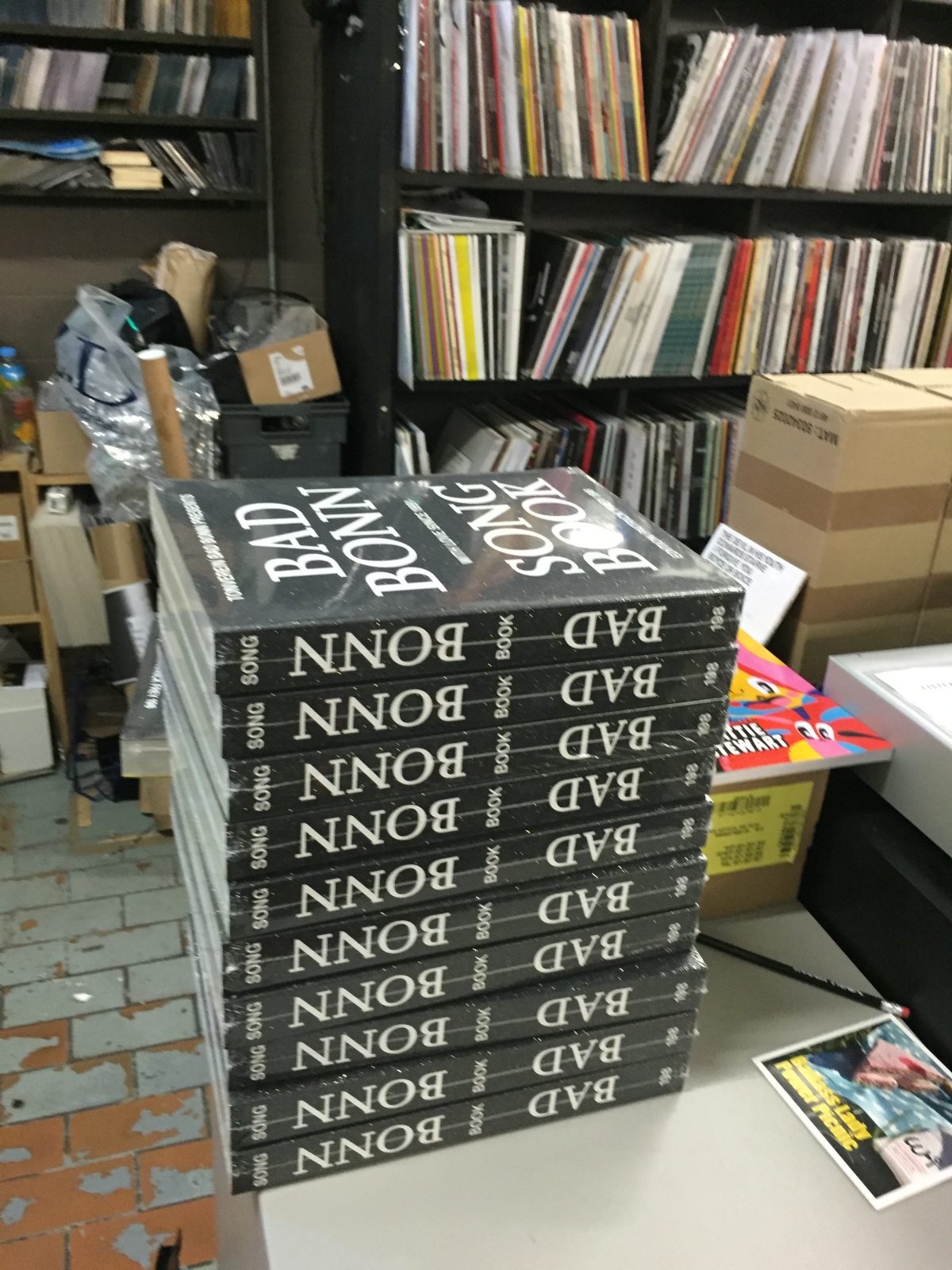
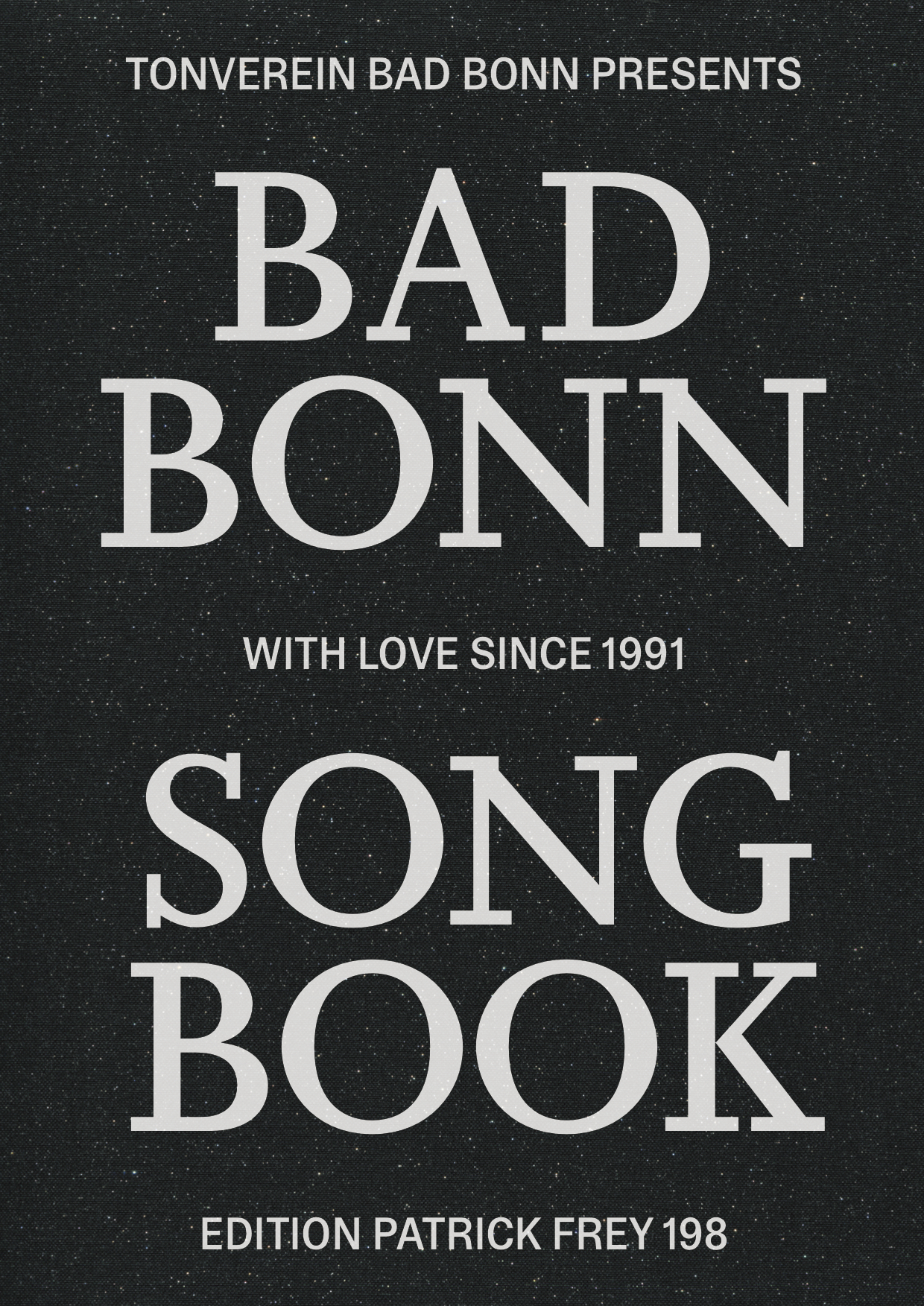
The day after the successful launch event at Rough Trade East, the celebration of the publication of the“The Bad Bonn Song Book” continues. Bad Bonn crew moved North to Dalston for a celebratory Kilbi night at the legendary avant-garde/jazz/folk venue Cafe Oto. Another sizeable and appreciative crowd was served a diverse programme of Swiss artists that showed off Bad Bonn´s sense of adventure to good effect.
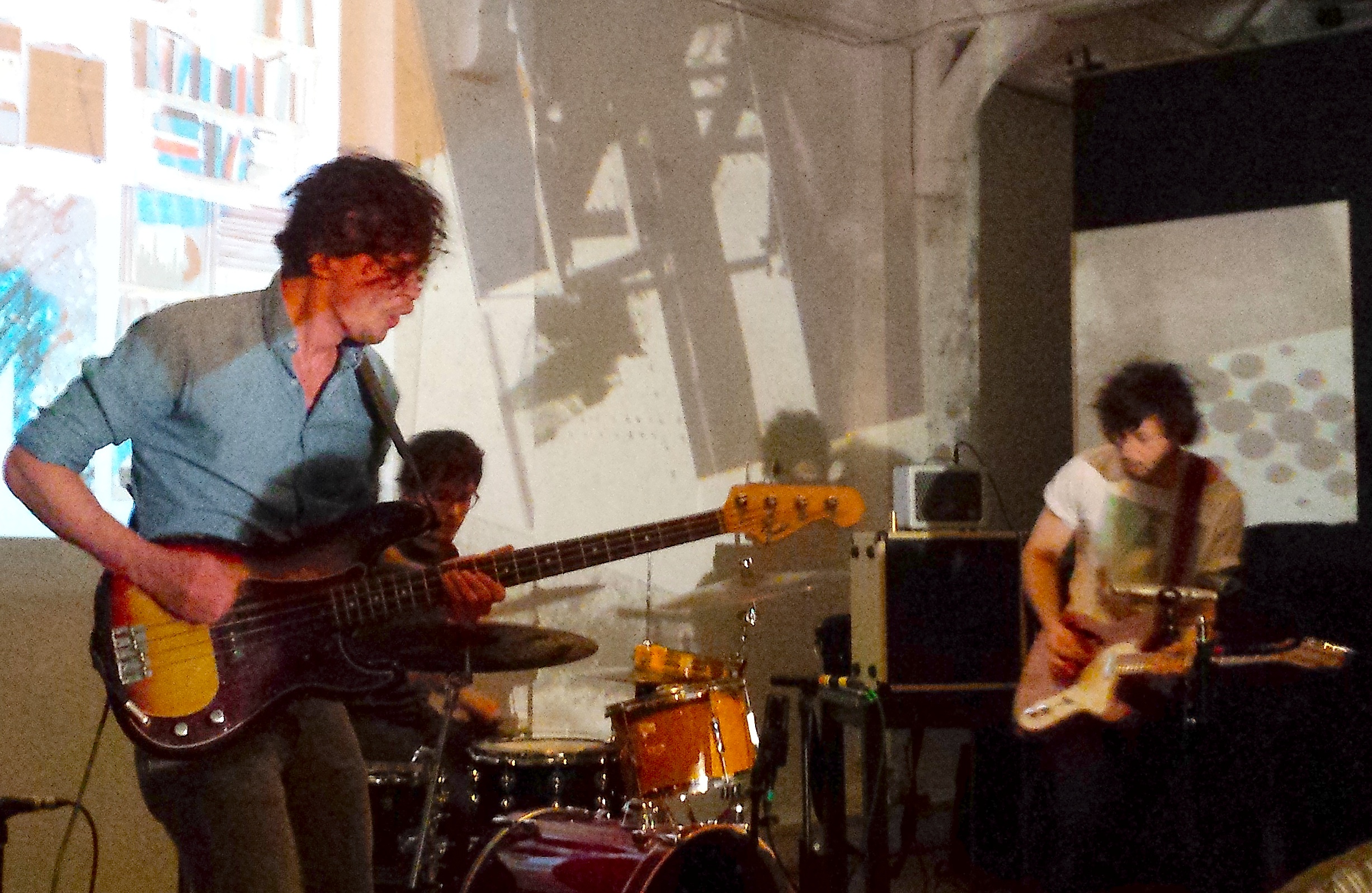
First off was Strotter Inst., aka Christoph Hess. Operating in a border area between noise and conventional music with a pair of “treated” old record players and a series of similarly adapted vinyl records, Strotter Inst produced a minimalist and yet richly textured drone that somehow pulsated with rhythm and held the audience´s attention with remarkable ease.
Next came percussionist Julian Sartorius who, judging by the conversations afterwards, was perhaps the biggest success of the evening. Playful and yet precise, subtle and yet powerful, his uninterrupted half-hour performance was a master class of innovative and controlled solo percussion. In sharp musical contrast, the synth duo Papiro reconnected the audience with early Krautrock history with their slowly shape-shifting take on dreamy Ash Ra-Temple-type sounds.
The evening was rounded off sweatily by Camilla Sparksss, Barbara Lehnhoff’s fiery electro outfit, consisting of just herself and a dancer. Combining punky vocals with minimalist electro rhythms and melodies, her short, sharp bursts of high-octane songs were completely different from everything else that had been heard before then, and all the better for it.
Contributing greatly to the success of the night were the DJs Andy Votel and Doug Shipton whose selection of records was perfectly in tune with the spirit of Bad Bonn. In short – the two Bad Bonn nights in London turned out to be an unqualified success.
 Je me souviens de la première fois où j’ai parlé avec Aris Bassetti. J’avais entendu trois titres de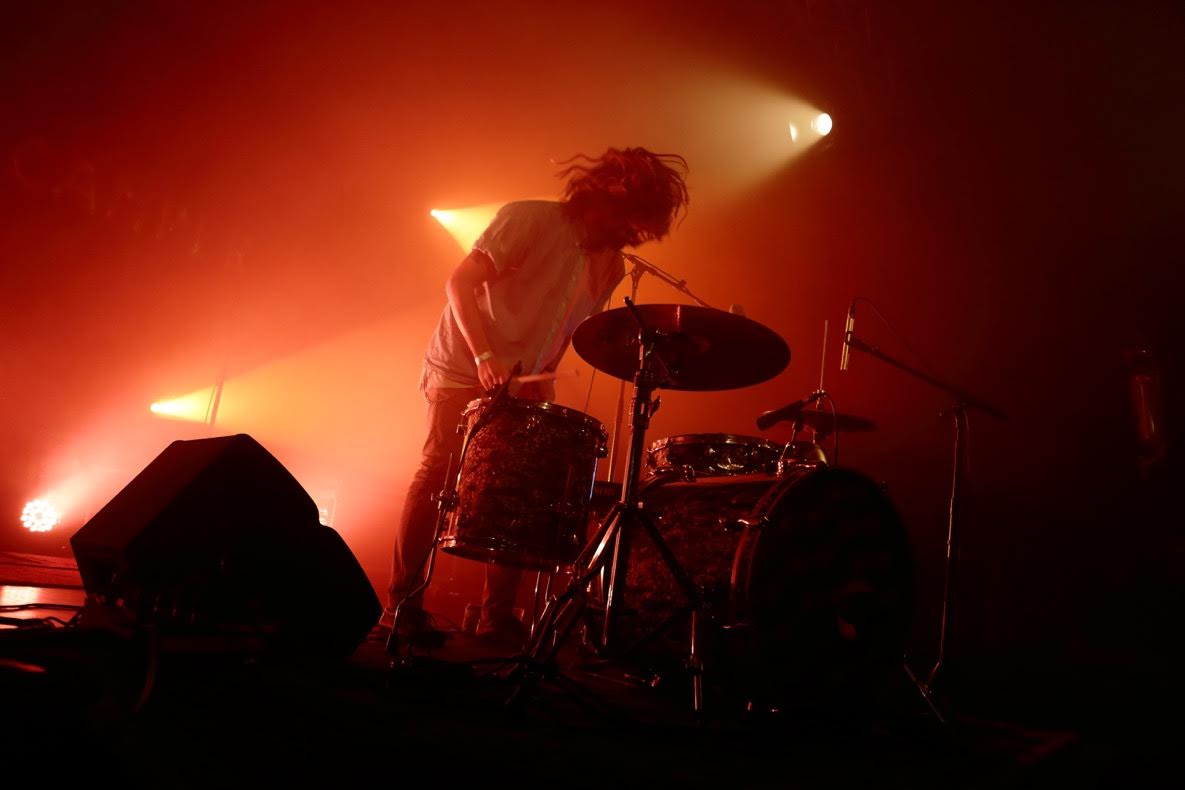

 Someone else shaped by a dramatic early life is trumpeter Mandla. Brought up in a turbulent Soweto by a young, single mother after his lawyer father was murdered, he admits, “I had to find coping mechanisms. I went to see psychologists, but I didn’t know how to deal with it, I was a troubled child and I was always in trouble.” His childhood is hazy but he remembers sitting on his dad’s shoulders, hearing music at political rallies, and a small, blue piano he brought Mandla from London when working on a case concerning South Africa’s ‘hit squads’.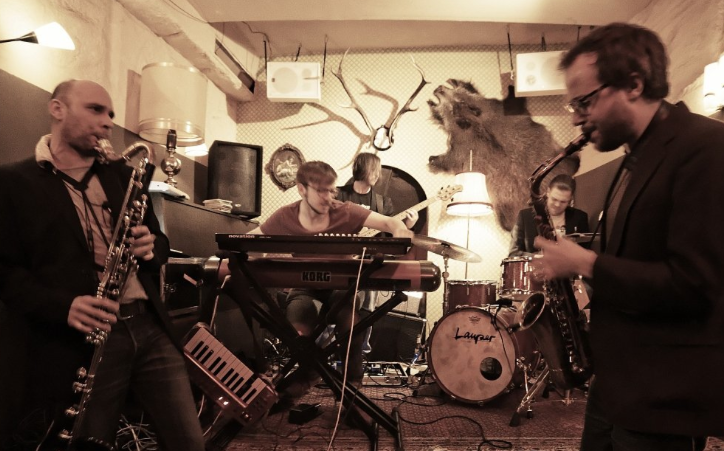

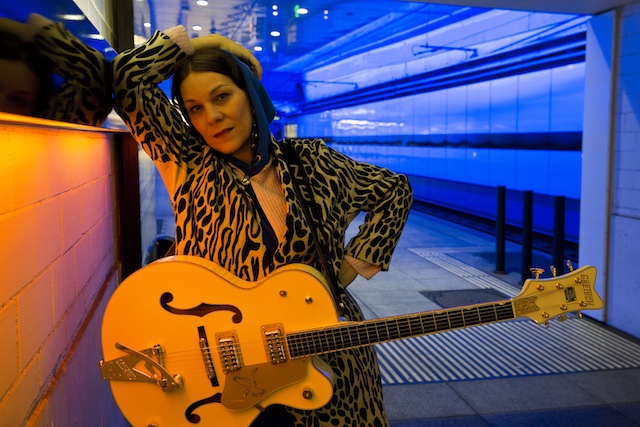
 Ein Banjo zupft ein repetitives Muster, die Band setzt mit einem bestimmten, akzentuierten Spiel ein, während die Protagonistin durch den mit blauem Industrielicht ausgeleuchteten Gang schreitet – und näher kommt. Sie hat eine elektrische Gitarre, Marke Gretsch, umgehängt und als sie ankommt am Ende des langen Korridors, singt sie nur die Worte: «I’m still alive.»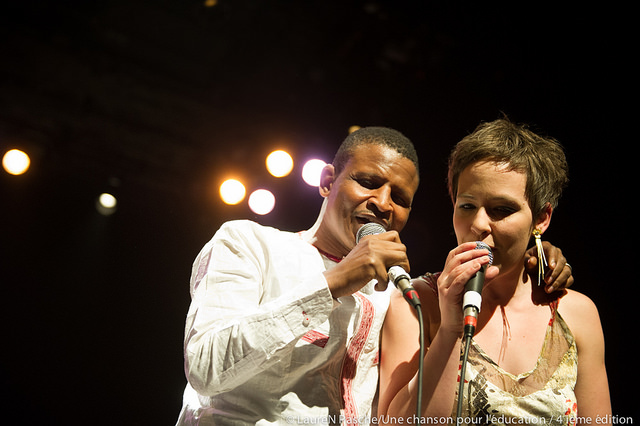

 La scène musicale suisse recèle de talents – cachés ou dévoilés. Là où d’autres entités s’attèlent à dévoiler les perles rock ou pop de nos contrées, le site web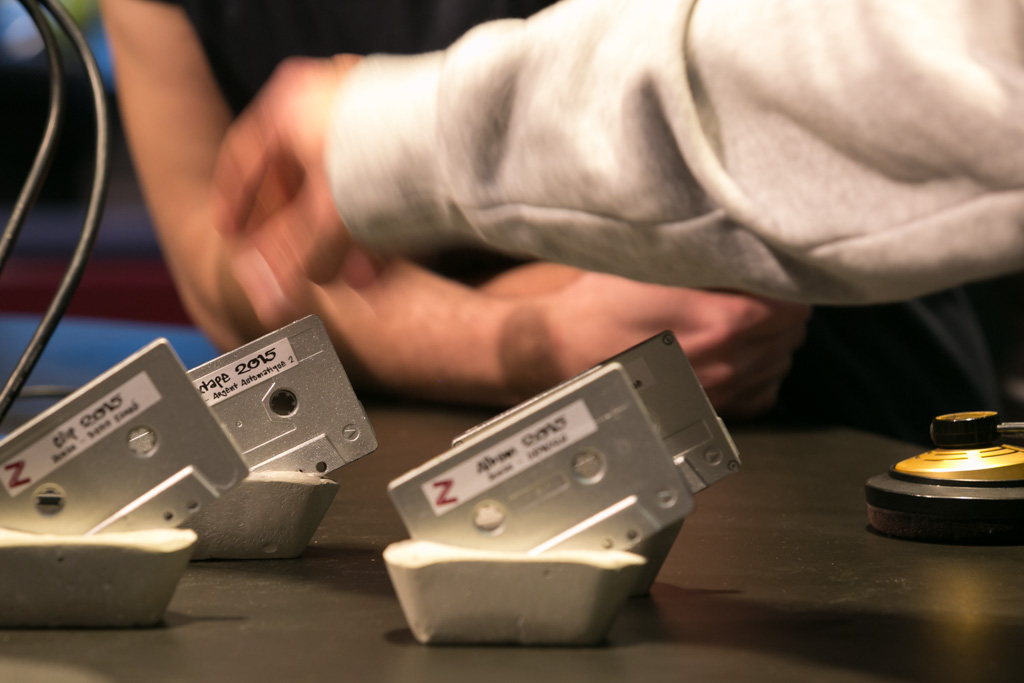
 The day after the successful launch event at Rough Trade East, the celebration of the publication of the