Springtime brings change. In the case of Swiss Vibes, this change translates as putting things on pause. As you know, Swiss Vibes is a website that has been higlightning the current Swiss music scene for over five years. It is run by Swiss journalists in French, German and English. At the start in 2009, Swiss Vibes was just a simple compilation, a sampler produced by Pro Helvetia*, sent to subscribers of the Swiss-French magazine ‘Vibrations’. Building on the success of this first sampler, the operation was extended in 2011. Hence, the idea arose of creating a blog to give more information and scale to this booming musical Swiss scene.
From a simple blog, for which I was the only editor, writer and activist, Swiss Vibes quickly developed into a web magazine with articles in several languages penned by enthusiastic reporters: Beatrice Venturini, Debra Richards and HP Kuenzler (in English), Oliver Hochkeppel, Benedikt Sartorius, Souri Thalong and Benedikt Wieland (in German), Timothy Barrière, Jean-Cosme Delaloye, Sophia Bischoff and myself (in French). Swiss musicians quickly adopted Swiss Vibes, coming to us with each new project. Some even participated actively by submitting their diary entries or sending us pictures of their tours. Thank you all for these valuable contributions!
Today, Pro Helvetia (which remains the only structure to finance Swiss Vibes) has decided to rethink its Internet strategy. Swiss Vibes therefore is taking time out to reflect and will interrupt the regular posting of articles. As for me, I’m signing off from Swiss Vibes after five years of fruitful and enriching exchanges. Thanks again a 1000 times to all of you and hopefully see you soon for new musical adventures!
It’s a strange beast: the jazz trade fair. There’s networking, business talks and sets of exactly 30 minutes, with audiences legging it from one hall to another to catch as much music as they want. It’s pretty intense. Wisely, Erika Stucky, with Marc Unternährer and Lucas Niggli, had been invited to open Jazzahead – not only is she an anarchic ‘force of nature’ but she embodies a side of the Swiss spirit I like: bohemian, gifted and pushing music as far as they can (see video of her in the men’s toilets at Jazzahead below).
Erika Stucky with Lucas Niggli and Marc Unternährer, filmed by Chris Philips of Jazz FM.
“I see what you mean about the drummer.”
Generally, the Swiss night was one of super-quality, despite most bands starting nervously. The better musicians were able to get drawn into their own sound and so, lead the audience into places where magic can happen. I wrote of Elina Duni‘s voice before and it rang clear and true in this gig with her quartet – I wasn’t the only one whose neck hairs were electrified when she sang ‘Fëllënza’. I’d pointed out to a UK promoter how wonderful Norbert Pfammatter is in the band, his playing is so sensitive it’s as if there is no drummer but a sweeping landscape in which Elina stands. During the gig this promoter leant over and said, “I see what you mean about the drummer.” From the audience’s response to Elina they were equally captivated. In the future, whatever context she performs in, I want to see her going places.
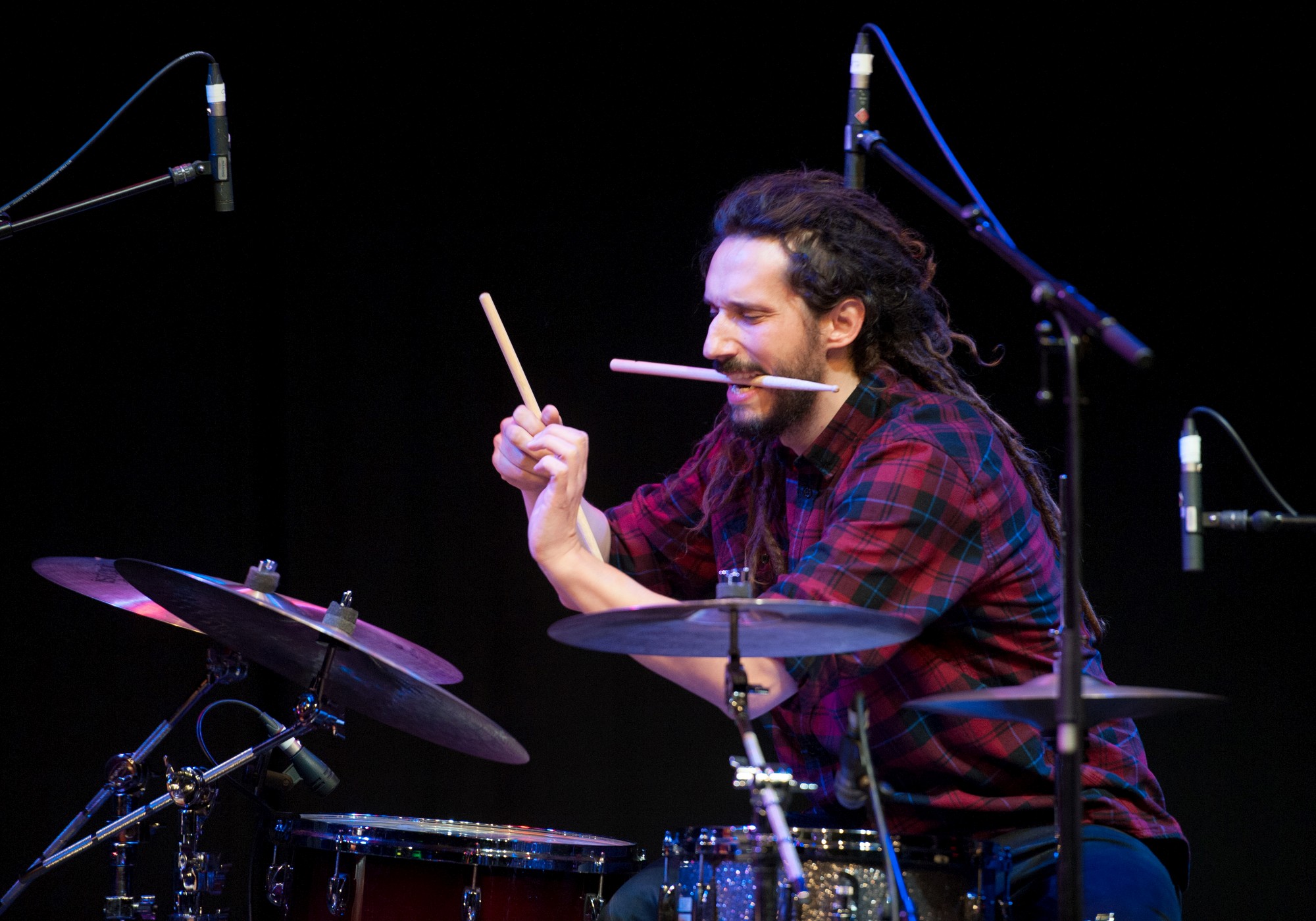
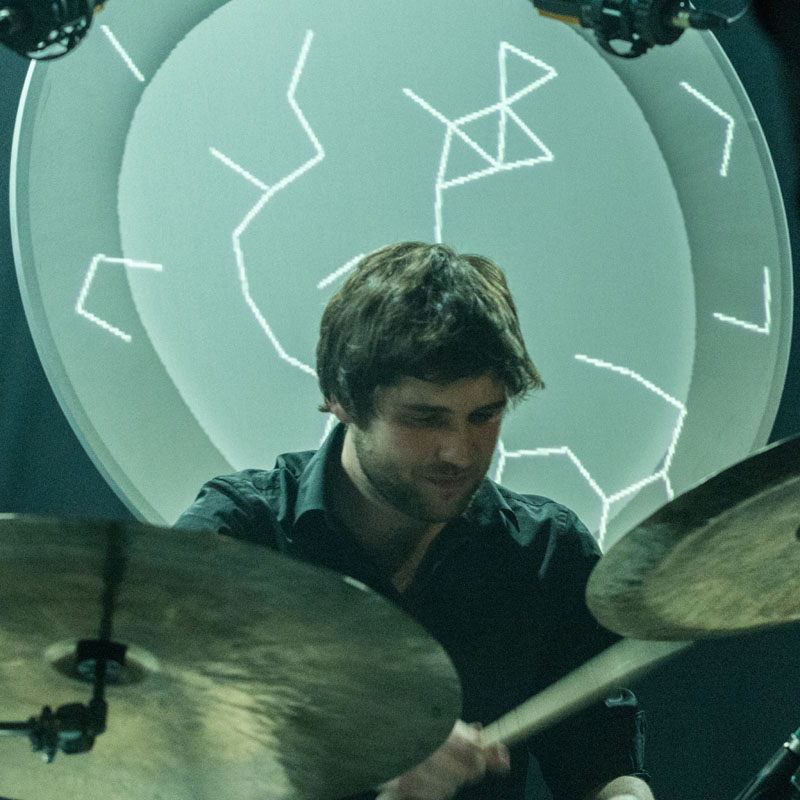
Maybe the most obviously successful act was Julian Sartorius’ drum solo
Someone else who made their mark was Christoph Irniger, warming into Pilgrim‘s set and launching a cracking sax solo that blew the cobwebs away. His time in New York came
Plaistow. Photo: Ingo Wagner
through in the attack he gave it. I was holding my breath at the start of Plaistow‘s gig because like so many bands they are an experience that needs time and a concentrated atmosphere – not what you get in a showcase. However, their narcotic concept with it’s fascinating rhythms had a booker for a big London club tell me they were the most engaging band of the night. Another, and maybe the most obviously successful act was Julian Sartorius‘ drum solo. It was a big ‘wow’ and my mate, Jez Nelson, a key jazz radio presenter said, “It’s hard to do something like that, but he was genuinely inventive.” Elisabeth Stoudman gives a wonderful in-depth review below.
Next year I expect to see more Swiss women onstage
Julian is also part of the Colin Vallon Trio – another artist I expect much of. His set was not only elegant but so assured; it showed the quality of Swiss musicianship. Luca Sisera’s Roofer played a more traditional style well, whilst pommelHORSE had more character but were also left wanting. To be fair they’d been delivered a bit of a blow when key member, Lukas Roos, left the band two weeks before this gig. I see a nugget of some possibility, especially with Olivier Zurkirchen on keys and one UK programmer said the band brought a narrative to their music he liked. Weird Beard looked more comfortable on stage than they did last year and delivered their ideas clearly with Martina Berther on bass. Next year I expect to see more Swiss women onstage – and that’s an order…
Thomy Jordi nearly blew my hair off
It was a pleasure to attend the Gala Concert at Die Glöcke with Nik Bärtsch’s Ronin and Hildegard Lernt Fliegen because this is where some of the showcase bands could be heading: a high level of recognition with audiences delighting in their music. Both received genuine standing ovations. Ronin’s music and lighting design isn’t messing. It delivers punch after punch, even when Sha is at his most sublimely subtle with his saxophone becoming a hoarse and whispering human voice, or when Nik delivers a melody so painfully sweet that it’s a beautiful surprise. Kaspar Rast is equally imaginative on drums and Thomy Jordi nearly blew my hair off with some electric bass notes worthy of Goldie’s Metalheadz label.
Hildegard Lernt Fliegen. Photo: Ingo Wagner
Such a touching ending
Hildegard’s show was a superbly staged bonanza of ingenious ideas with Andreas Schaerer even conducting the band in an improv – pretty risky in such a context. You may think a vocalist sounding a muted horn or beatboxing whilst singing isn’t your thing, but I would challenge anyone not to fall under his spell. The highlight was how the band brought it right down to such a touching ending. In the encore they sat with their legs dangling off the front of the stage, looking like a bunch of kids playing a charming round on blockflutes. It was a rip-roaring success. Schaerer has driven himself hard since I first saw Hildegard play in 2012 and he’s showing how Swiss music can make a big impact on the world out there. Boom!
Julian Sartorius @ jazzahead! 2016 by Elisabeth Stoudmann
Julian Sartorius
Unlike Colin Vallon or Elina Duni who are already well known on the European jazz scene, Julian Sartorius is the new boy at Jazzahead! Although his solo project is not constrained by any genre barrier, he’s been considered before, part of alternative rock circuit. Backstage, Julian is tense: he’s coming down with the flu and fears this will hinder him. The Bernese drummer comes on stage, as always, aloof and a little shy. Had he not been announced, one could almost have mistaken him for the technician come to do one last check before the set. He sits down and turns instantly into a one-man band.
The audience holds its breath…
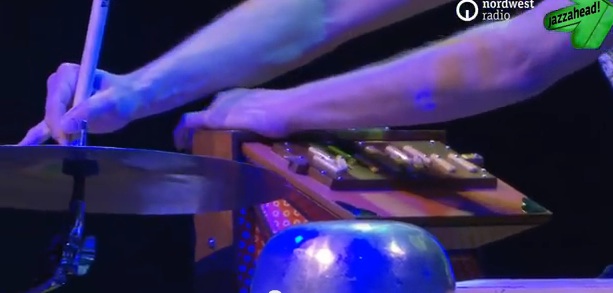
Sartorius puts on an impressive show. As expected, there are rhythms that interlock with each other like pearls in a necklace. Some sequences are set up in advance, others are totally improvised. His pockets brimming with drumsticks, Julian Sartorius stays unperturbed throughout. He can drop the sticks at any second to suddenly strike a percussion with his hand or place a felt mat on a cymbal. He then puts odd objects on his snare drum: percussive bits and pieces that he strokes, rubs and strikes with amazing feeling. Tension mounts in a jubilant crescendo. The audience holds its breath, captivated, when without warning, Julian Sartorius stops everything. Time’s up. The thirty minute showcase – that only felt like five – has passed. The audience is galvanized, excited, happy. We can only hope that Julian Sartorius has the flu before every gig. It seemed to serve him well!
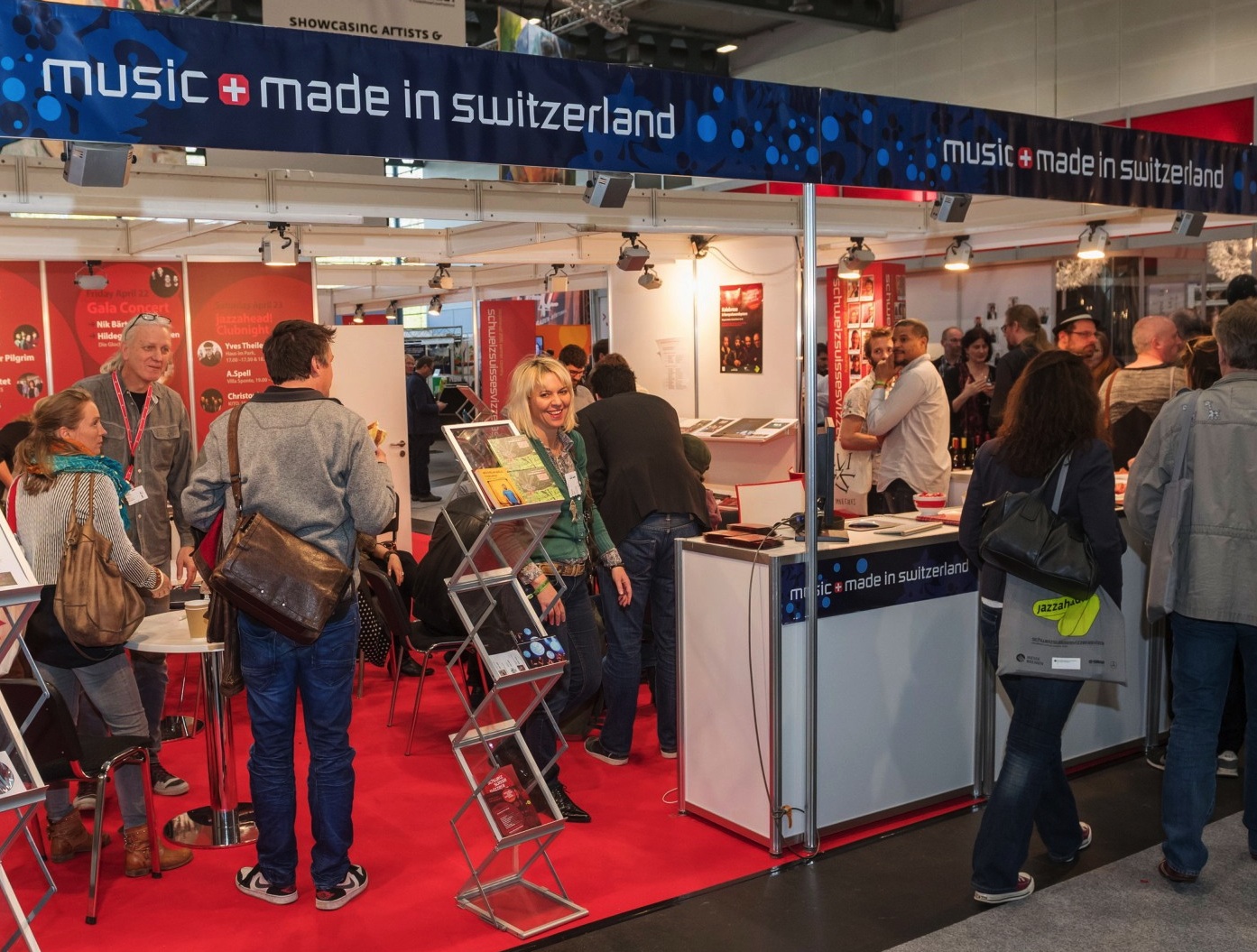
One night: eight showcase-acts: the Swiss Night on April 21 will be a highlight of this year’s live program at Jazzahead! Find out more about the eight Swiss bands below. You can also listen to a track of each band selected at jazzahead! here. If you are not attending jazzahead! this year, Arte Concert is streaming the concerts played at Kulturzentrum Schlachthof live there. Alternatively you can also watch all videos of the showcases the next day on www.jazzahead.de In other words, you have no excuse not to follow those guys live or on Internet!
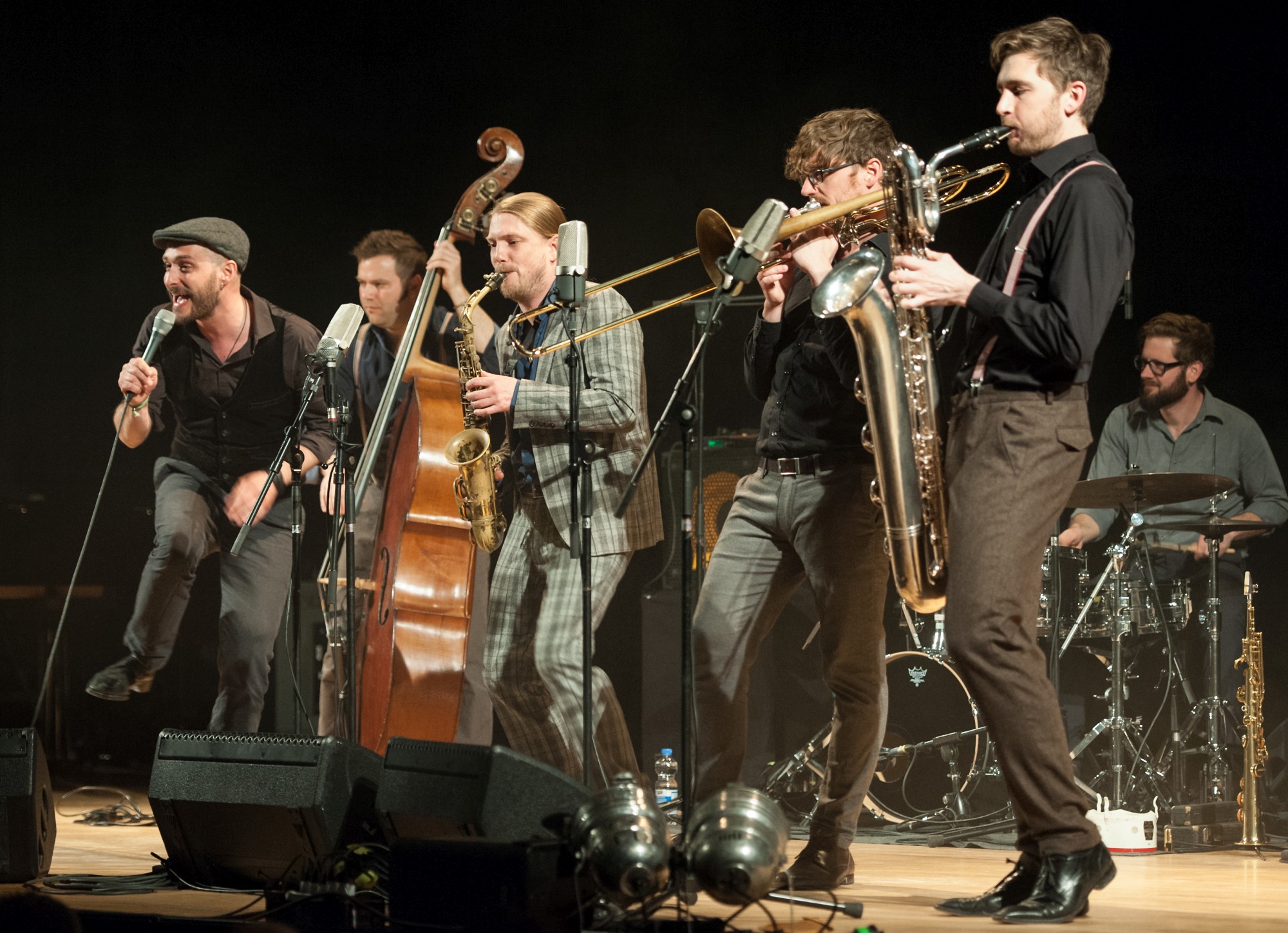
Last week the editor of a UK jazz magazine said how much the office had got into Plaistow’s album Titan. I think they are something special. Plaistow is an acoustic piano trio driven by experimental dance musics, ancient drones and a desire to distill their sound to its most ‘alcoholic’, most potent. Plaistow make for a thrilling listen. At first I wasn’t sure of Geneva-based Cyril Bondi’s drumming style, it seemed to lack swing, bashing the air out of a beat, but at a sweaty, rammed Berlin Jazz Festival club last November, he was brilliant. Unique and aggressive with an engaging, rhythmic sensibility – perfectly coupled with the imaginings of pianist Johann Bourquenez. Irritating, repetitive notes hypnotise under his touch and at other times he sweeps you off your feet with a sweet melody as in ‘Enceladus’ – it has me in a whirl. Johann’s music is so fresh. Growing in confidence is Vincent Ruiz on bass. His sensitivity connects and subtly reflects the band’s ambitions. To learn more about Plaistow, read our selection of articles on Swiss Vibes!
I’ve never seen Colin‘s own trio and am curious, especially as I felt his last ECM album, Le Vent (2014) fell into the ‘contemplative hole’ that undoes many an artist exploring prepared or experimental piano. I suspect Colin is currently going through a time of musical reflection about his direction. His trio is a pretty high-powered crew with drummer Julian Sartorius (who impressed London’s Cafe Oto in March) and Patrice Moret on bass and his appearance at jazzahead! will be a chance to discover where he is now – and what he wants to say. To learn more about Colin Vallon, read our selection of articles on Swiss Vibes!
Seeing Elina playing solo at Cully Jazz last year elevated her even more in my estimation. That woman can sing! She’s been performing since she was five years of age in her native Albania and although she moved to Switzerland when she was ten, you can almost taste her culture and country when she sings. Her experience comes through too – she moves an audience, but is never cloyingly sentimental. I think the drummer Norbert Pfammatter is key to the band, almost the yin to her yang (yes, that way round), responsive to her and tuned in, whilst Colin Vallon leads the music into imaginative landscapes, provoking her to stretch her ideas. The recent addition of Lukas Traxel on bass adds a sparkling energy as I saw when they played the EFG London Jazz Festival last year. I’ve spoken before about Elina evoking universal goosebumps with her emotive expression and that sold-out gig was no exception.
Pilgrim includes Stefan Aeby on keyboards and Michi Stulz on drums – I know their work as part of Tobias Preisig’s quartet and both were crucial to the innovation of Preisig’s album, Drifting. In Pilgrim, Aeby draws on his ability to play an evocative jazz, informed by artists such as Bill Evans in order to echo Irniger‘s direction. Stulz walks an intelligent line between the past and the now and his interplay with Irniger, Aeby and bassist Raffaele Bossard, makes the band something special.
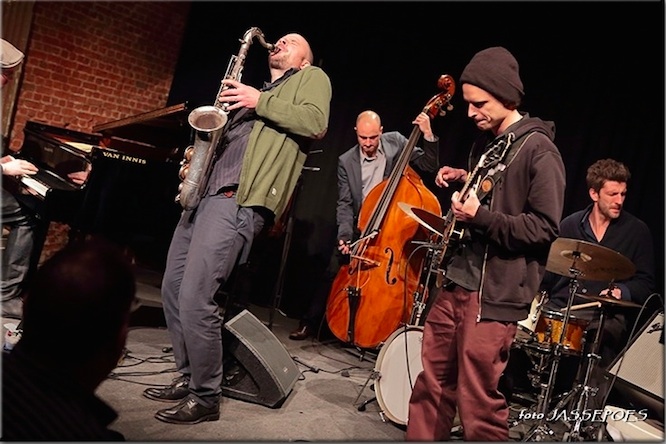
I like Irniger’s choice of electric guitar and Dave Gisler is a highlight of the track ‘Italian Circus Story’ from the album of the same name. Here, Christoph almost whispers in evocative drawls on the saxophone; he tells his tales in a spacious and thoughtful style. Along with the Christoph Irniger Trio and other projects with New York-based artists, he uses trips to the US to immerse himself in the heritage of jazz whilst carefully searching for his own expression.
This confident and original Bernese quintet are a refreshing flight of fancy on the Swiss jazz scene. They inhabit a surreal terrain somewhere between mutant jazz, prog rock and synthy ambiant rhythms. Cleverly creating a story and atmosphere in each track, they juggle an abundance of patterns and ideas always leaving room for improvisation, tempo changes and general dashing about. With tracks entitled ‘Drunk on Christmas eve’ and ‘The circus is closed and all the animals have gone wild’, it’s impossible to resist their playful attitude and experimental forms, both dark and light. Very popular on the live circuit, PommelHORSE are currently working on their third LP.
Representing the exciting non-conformity of the contemporary Swiss jazz scene, Weird Beard is a quartet led by saxophonist Florian Egli, featuring guitar, electric bass and drums. The weirdness of their beards is less a facial hair reference, more a hallmark of their musical individuality. A band rooted in the jazz tradition in terms of improvisation and composition, but sonically pulled towards trashy metal, punk riffs and quirky noise. Both lyrical and totally unpredictable, their elegant, laconic sound designs can go off in all directions. ‘Everything Moves’ is their second LP just out on Intakt Records and comes warmly championed by Bugge Wesseltoft who describes the group as having ”musical ideas and inspirations merged into a very fresh and new sound.”
The Swiss musical ecosystem is a richer place because of drummer Julian Sartorius. What David Attenborough is to nature wildlife documentaries, Sartorius is to the world of sound: a beat explorer, a sound forager, a sonic researcher. His gigs are a masterclass in bashing, crashing and smashing – not just the ordinary drum skin or commonplace cowbell, but squeaky toys, handcrafted gongs, hairdryers, electric toothbrushes. Can he hit it? Yes he can.
Agile in pushing boundaries of the percussive sound from hip-hop to abstract electronica, Sartorius opens up endless possibilities and range. His latest video features cymbals rolling along a studio space, poetically crashing about at will. Previous works include a 12 LP box set called ‘Beat Diary’ composed of 365 analogue beats, each one painstakenly researched and accompanied by its own visual. A true artist in every sense of the word, a national treasure.
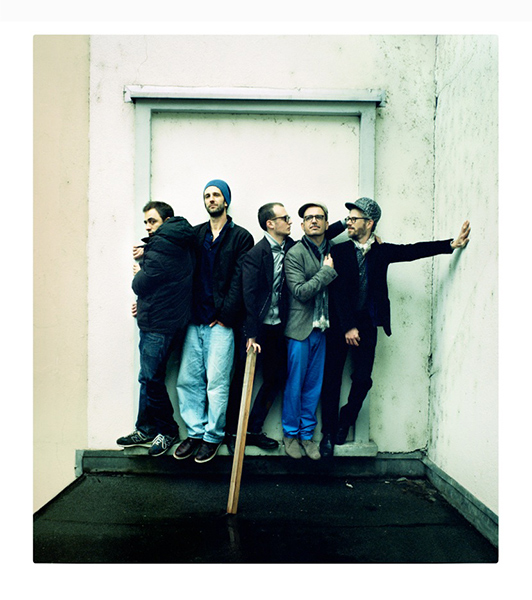
Luca Sisera is a well seasoned Swiss double bass player whose ROOFER quintet describe their sound as “contemporary, liberated jazz music”. Negotiating the fine line between improvisation and composition, the five elements come apart and then reunite in equal measures. There’s a theatrical edge to their music thanks to the horn section adding a lovely big band swing to the complex equation. One minute groovy, sexy, full of bump and grind the next angular, frenetic, swarming around one another like agile birds. The interplay between the musicians is extremely confident and general mood leans towards the playful. An exciting band to watch live because of their warm, busy and inventive approach.
Supporting a very traditional jazz vocalist, (Dianne Reeves), the Akku Quintet played as a very untraditional ‘jazz’ quintet – holding their weight very well as the alternative, slightly dark option on the Cully musical menu. A year ago the band were described as a work in progress, today the quintet comes across as a well-oiled machine full of maturity and articulation.
Underpinned by a definite focus on rhythmic and repetitive elements laid down essentially by the drums and keyboards, this quintet is not in a hurry. Their spacious, unhurried approach leaves plenty of room for interplay between all members who get to shine in totally different ways at very different times.
@J-C Arav
The most attention-grabbing sound is Markus Ischer’s electric guitar which verges towards the psychedelic and is played out to full effect, fuelling the terms ‘jazz rock’ and ‘jazz fusion’ that the band is often labelled with.
Some of the sound particles in the Akku atmosphere are made of of bleeps, hallucinogenic wails, squeaky outbursts. Music to immerse yourself in like a rich, pulsating heart-beat which occasionally slows down, skips and jerks. As Jonas Fehr’s live visuals suggest, the molecules are in gradual full expansion. Expect a new LP from Akku Quintet in spring 2017.
Some questions and answers with AKKU Quintet drummer and bandleader, Manuel Pasquinelli:
Describe the musical dynamics within the quintet
@J-C Arav
Manuel Pasquinelli: We are a quintet with saxophone, but the the sax is not the only leading instrument. The focus on an instrument changes all the time. We are all leading at different times, each member influences the whole thing. Groove and mood are as important as the solos. A solo is always part of the composition and leads from one part to the other. We try to create a piece of music as a journey. We leave space and don’t always play everything we could. We don’t tell a prefabricated story to the listener, so that the listener can derive their own story or mood.
Do you think you fit easily into the ‘jazz’ genre?
Manuel Pasquinelli: People often say to me “I don’t usually like jazz, but I really like what you do”, so I think that ‘jazz’ is maybe not the right word to describe our music. It’s minimal, ambient, rock with the playfulness of jazz, influenced by different kinds of music (from Nik Bärtsch to Steve Reich, Yann Tiersen, Pink Floyd and beyond).
Manuel Pasquinelli – drums & composition
Michael Gilsenan – sax
Markus Ischer – guitar
Maja Nydegger – keys
Andi Schnellmann – bass
Jonas Fehr – live visuals
‘Levitation’ by Tobias Preisig & Stefan Rusconi – Le Temple, Cully, 9/4/16
@J-C Arav
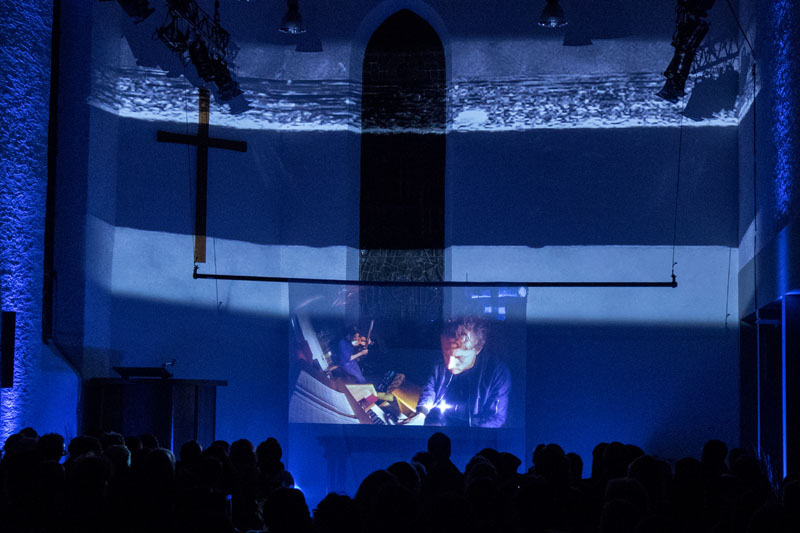
Tobias Preisig and Stefan Rusconi are Swiss pillars of the Cully Jazz musical institution. Their Saturday night performance at Le Temple church marked a return to sacred ground that the duo had already trodden a few years ago. This is the venue that inspired and housed their Levitation project that tonight is played out to an eager audience, most of whom are already familiar with the powerful, intimate exchange between violinist and pianist.
The key feature of the Levitation project is the sensitive, gradually drawn out soundscape created in great part by Rusconi on the church organ which is then supported and teased out by the strings. In practical terms this means having the two musicians play upstairs in the church gallery, heard but not seen from the audience down below. Deciding that this year’s jazz audience needed something to look at, the entire concert was projected on screen at ground level, which, ironically – because of the very bright projector light that was aimed right at the audience – meant that many of us listened with eyes tightly shut, (it was a bit like staring at the solar eclipse without eye protection). Possibly the best way to appreciate the moody, almost Gothic sounds raining down from above.
Some questions and answers with violinist Tobias Preisig:
What’s your relationship to the Cully Jazz festival?
Tobias Preisig: I have a special attachment to Cully Jazz. I’ve been playing here for the last 6 years, I started off in a small caveau as part of the ‘OFF’ programme, then they offered me residency, then larger stages as part of the main programme. There’s a extremely open-minded attitude here and strong commitment to push the next generation. Young and unestablished musicians find a stage here, right next to the superstars. Playing at Cully is definitely the highlight of the year for me. It’s become almost a family gathering with musical professionalism.
Was the material for ‘Levitation’ tailor-made for Cully?
Tobias Preisig: We played as a duo here at Le Temple in Cully a few years ago, performing for the first time with the church organ. Again, it was an opportunity that the festival gave to us. We fell in love with the sound and came back one summer to record at Le Temple for 5 nights. This music is now released as an LP called ‘Levitation’ and yes, it’s definetely tailor-made. So what’s nicer than to celebrate a recording that was actually made in this enviroment?!
Will there be more live gigs with the ‘Levitation’ project?
Tobias Preisig: This is a special side project for both Rusconi and I whose friendship and collaborations go back a long time. So far we’ve only played the material from Levitation live twice! There are a lot of underplayed organs and oversized churches, so we are looking forward to exploring them and awakening them with new music.
Kaleidoscope String Quartet – Le Temple, Cully, 8/4/16
@J-C Arav
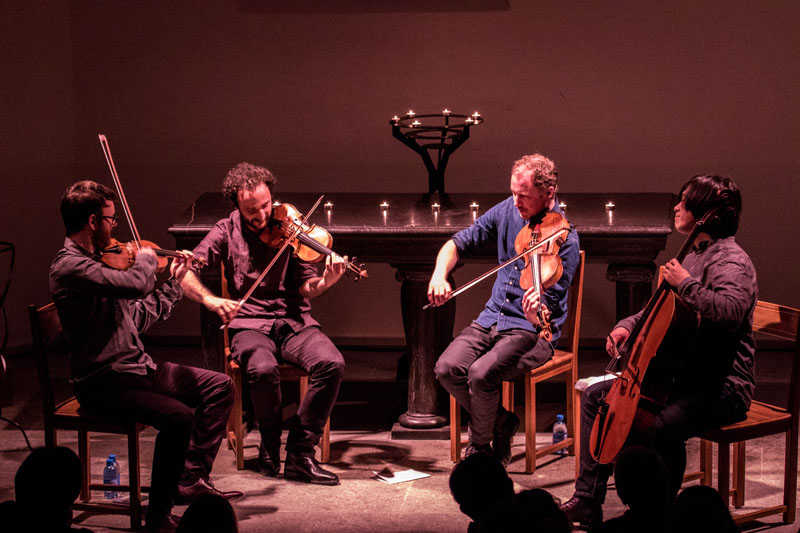
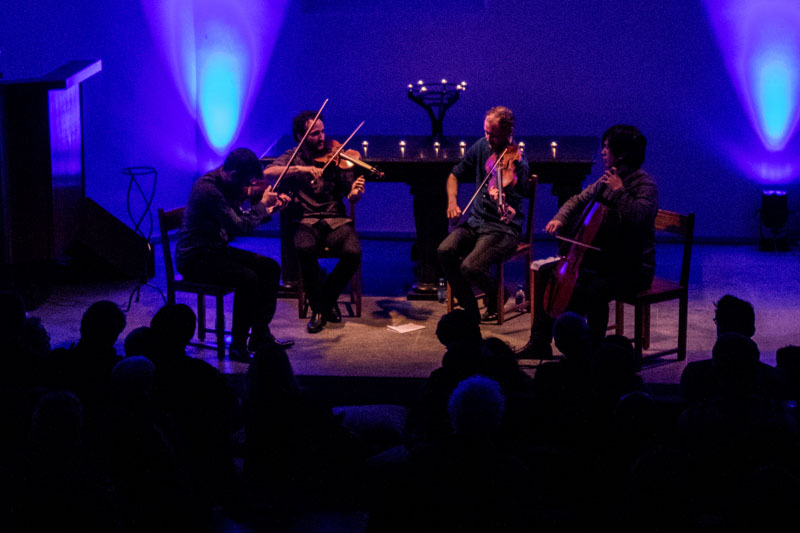
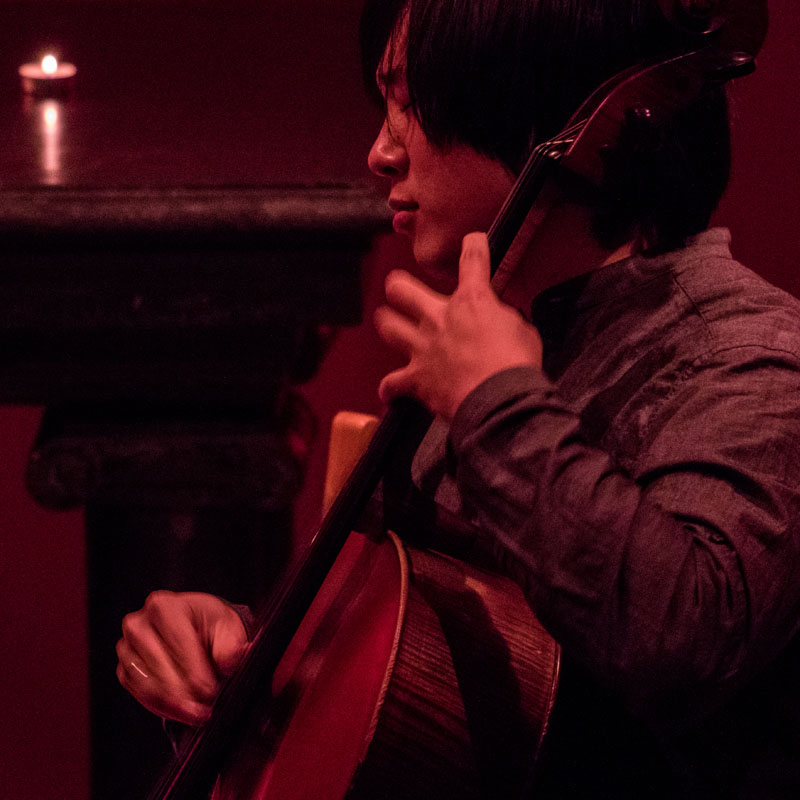
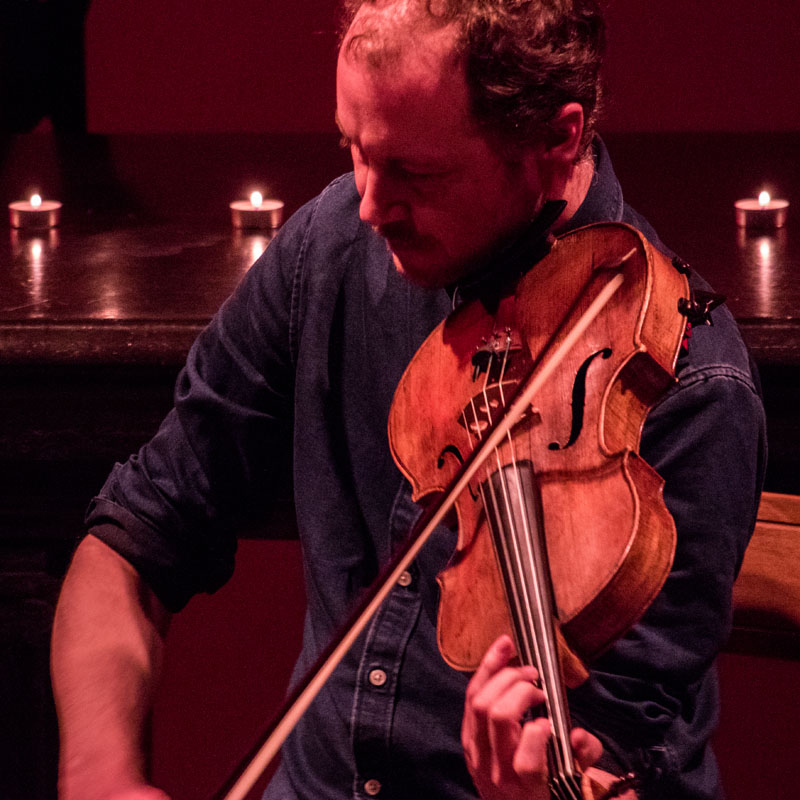
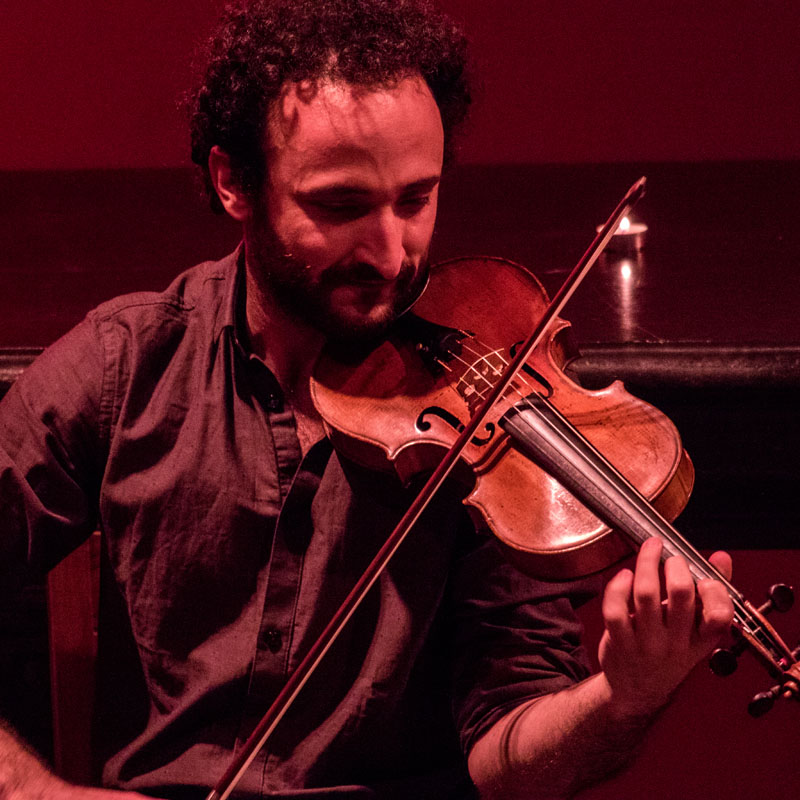
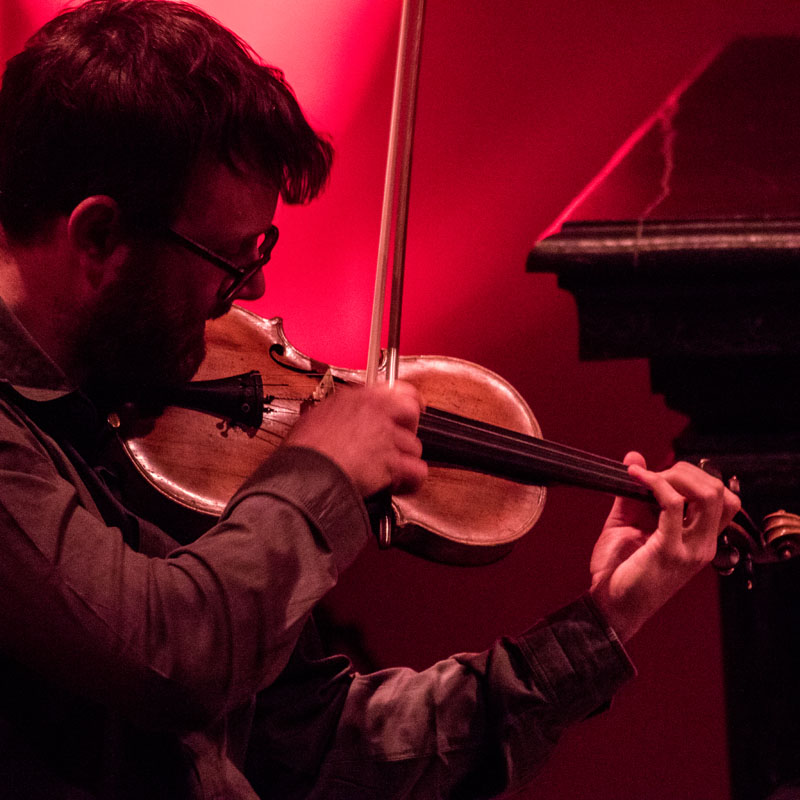
Two violins, one viola and a cello make up the unconventional Kaleidoscope String Quartet who kicked off the first night of Swiss musical contributions at the prestigious Cully Jazz festival. Performing material from their second LP, ‘Curiosity’, their strictly acoustic set up was a perfect fit to the meditative church setting of Le Temple.
I was lucky to bump into violinist Tobias Preisig just before the band came on, he tipped me off with a few insights into the quartet: « I used to play with them in the early days. What they do is technically very hard, you have to be really connected as musicians. Their forte is how they swerve tradition, always looking for new ways to play their instruments ».
@JC-Arav
These words proved a useful interpretation tool. A string quartet inevitably conjures up very rigid ideas of genre, hence what makes this group interesting is how a variety of styles, rhythms and tones are woven into the classical string infrastructure. There’s a feeling of the experimental and the improvised even though they’re clearly a tightly rehearsed unit. Seamlessly the ball is passed from one member to the other as the violin is bent and shaped in all directions. Closing my eyes I could have sworn someone had sneaked in some Japanese pipes during track 3. Quasi pop refrains and folkloric riffs creep up when least expected to add colour and vibrancy.
@J-C Arav
Admittedly, there were moments when some the barren plucking overstayed its welcome, (at a critical point in the musical tension I overheard someone muttering «sounds a bit like a swarm of mosquitoes » ), the bass tones of the cello proving a welcome contrast to the higher pitches of the violins. Possibly too many sparsely clad moments where the rowdy festival crowd outside the venue added more rhythmic movement to the music than the quartet itself.
@J-C Arav
The higlights for me were the warm, swirling melodies that sprang suddenly out of the languid tones. Nothing gives the feeling of lift off and transportation quite like a set of strings, so to hear them setting off into fourth gear with dynamic, frenetic synchronisation was a delight – one track culminating with a joyful vocal shout! Amazing that a string didn’t break in the process.
Some questions and answers with KSQ bandleader and composer, Simon Heggendorn:
Is it important for KSQ to be seen as more than just a classical outfit?
@J-C Arav
Simon Heggendorn: In many ways, yes. From our point of view, a ‘classical’ string quartet mostly interpretes music, whereas we create the music ourselves – rather like a band – and are completely free in the style of interpretation. This gives us the possibility to have a unique ensemble sound defined by the music we write for it.
Did the fact you were playing in a church impact your choice of what material to play?
Simon Heggendorn: Not primarily, maybe the fact we played in a church had an influence on ‘how’ we played (tempi, improvisations, dynamics). We like to play completely acoustic, so Le Temple was a perfect set-up for us.
What’s your relationship to Cully Jazz?
Simon Heggendorn: We played at Cully Jazz in 2012 for the first time. Spots are limited so it’s always very special to be chosen. Since it’s a big festival, you get more press attention than with standard gigs. It’s important to get known on the scene and be exposed to a wider audience, maybe even internationally. Not to mention the unique atmosphere in the village during the festival and the effort of everybody working here – just amazing!
[youtube=https://youtu.be/YTYVvcAsda8]
Band members:
Simon Heggendorn – violin & composition
Ronny Spiegel – violin
David Schnee – viola & composition
Solme Hong – cello
Yael Miller “It was very difficult at the beginning, very upsetting”
As Orioxy’s key composer and vocalist, Yael says, “We did amazing things, were in amazing places and had crazy experiences – it is why it’s good that it finished now before it became bitter…” Like bandmate Julie Campiche, Yael was re-assured about the decision to split up, at Take Five Switzerland & South Africa, even though it affected others, “It was very difficult at the beginning, very upsetting.”
Photo Gerald Langer
Yael has faced tough challenges before. From Tel Aviv, she spoke of a childhood almost lost to shouldering heavy responsibilities. So it’s unsurprising when she says it was a feeling of duty to compose for a whole band that caused her writing block. Her desire was to go more deeply into personal expression, like a singer-songwriter, where lyrics lead. “This is not so acceptable in the mainstream jazz world, so I’m shifting it a bit…not feeling obliged to fit in.” It’s as if Yael is finding the freedom that was compromised as a child.
Orioxy’s drummer, Roland Merlinc will be part of her new trio, “We want the same things,” she explains, and Baptiste Germser, a bassist and French horn player who has a Paris studio. “We close ourselves away for three or four days and just rehearse and record from morning to evening, then we go and drink beers, and then continue.” It’s time for Orioxy to explore who they are now and I’m excited to hear their individual projects.
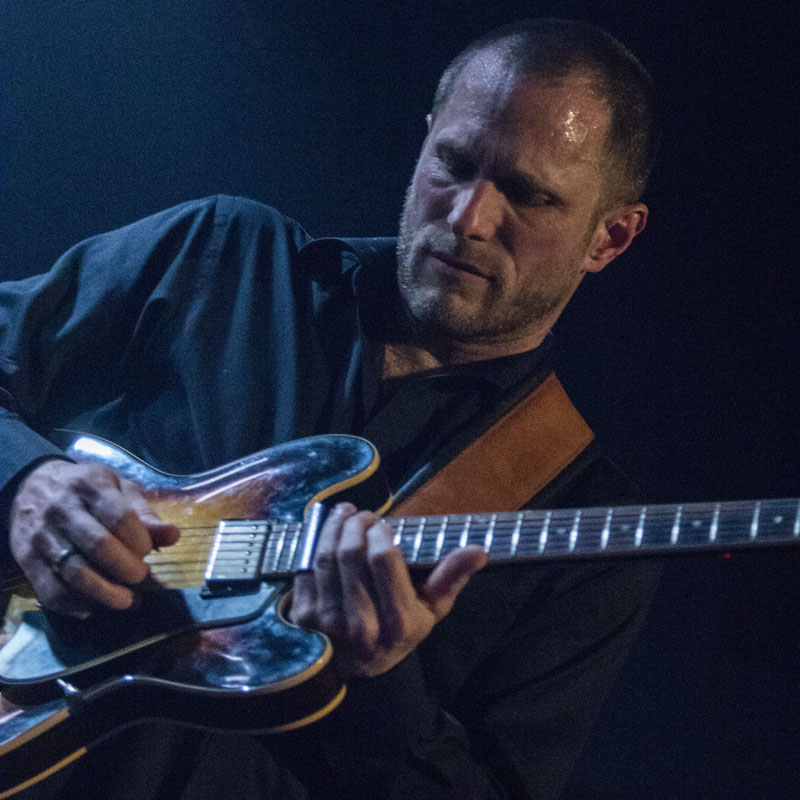
Mandla Mlengeni: “I was a troubled child and I was always in trouble” Someone else shaped by a dramatic early life is trumpeter Mandla. Brought up in a turbulent Soweto by a young, single mother after his lawyer father was murdered, he admits, “I had to find coping mechanisms. I went to see psychologists, but I didn’t know how to deal with it, I was a troubled child and I was always in trouble.” His childhood is hazy but he remembers sitting on his dad’s shoulders, hearing music at political rallies, and a small, blue piano he brought Mandla from London when working on a case concerning South Africa’s ‘hit squads’.
Listening to Mariah Carey and Boyz II Men on the radio, he says, “I thought composing was a sacred gift and being a musician was something bestowed upon you, like being a ‘sangoma’, it was a calling.” An exchange to Norway introduced him to composing in a simple way, but he left the first piece he wrote for a couple of years, then, “One drunken night, I was with a friend and we were jamming and I started playing this song and he asked, ‘Hey man, whose song is that?’” This encouragement eventually led to his 2015 debut, Bhekisizwe.
It was a long process but the recording fell fatefully into place: finding a studio and having saxophonists Shabaka Hutchings (UK) and Ganesh Geymeier (CH) in town to guest. And now, Mandla says, “I’ve sold all the albums so I have to re-print and strategise as to how to get into markets other than South Africa.” With a tenacity that secured him gigs even before the album’s release, he’s one to watch for.
Joel Graf: “We have to find new strategies”
PommelHORSE’s sax player is also thinking about a game plan. This quintet met studying in Bern and are good buddies but says Joel, “We have to find new strategies, new ways and that includes a new label…and better ways to market the band.” I can’t help chuckling when Joel explains they took an actual pommel horse on their early tours. “When we first played shows, audiences in Germany thought we were a music and gymnastics show…they were kind of disappointed.”
Photo Peter Tümmers
My favourite track on their last album was Joel’s ‘Drunk on Christmas Eve’, and I’m intrigued to see them play live at jazzahead! this month. “There’s always big competition,” he says of this music fair, “…selling yourself and your music, it’s hard work.” He talks of feeling overwhelmed by everything a band should be doing and how you can lose sight of why you ever went into music.
Joel actually studied IT first despite coming from a sort of ‘Partridge Family‘ with the six musical siblings all playing instruments. In a way pommelHORSE are his new musical family and although each of them play various styles e.g. classical and heavy rock, they gel together. “I love our combination of music, but really we have to move on, make our music better and move forward.”
Yilian Cañizares “You know what you want, but you don’t know how to get it”
With Ibrahim Maalouf Photo Marc Bertolazzi
Yilian is looking at how to progress too. “When you are trying to build something, sometimes you can feel,” she searches for the right word, “…lost, because you know what you want, but you don’t know how to get it.” She is often invited to play with others after they see her perform, such as Richard Bona, Ibrahim Maalouf and Omar Sosa (with whom she’s just recorded an album) but she wants more exposure.
In fact Yilian sums up a major issue in Europe, “Right now it’s quite difficult because culture [representation] in all media is getting smaller and smaller and sometimes they just speak about pop music or celebrities. It’s quite frustrating.” That’s an understatement – don’t get me started on UK press coverage of this music, but Yilian knows there’s more she can do, “I believe it’s very important to always be in the creative process, I like to see it as an everyday process…maybe we are sure about that as musicians, but we don’t apply the same concept to other areas of our career.”
I suggest that she must get homesick and Yilian graciously replies that she’s blessed to be able to pursue music at this level, but does want to see her Cuban family more often, “I am split into two feelings…and I try to transform this into my music and creativity, that’s how I manage it.”
Manuel Troller
“How do we make a classic guitar-bass-drum trio sound like something else?”
I’m re-naming Schnellertollermeier as Nitric Acid (hydrogen, nitrogen, oxygen). They are not a trio, but a chemical reaction. Seeing them perform at a Lume event in London I felt the room may combust into flames during the title track of their album, X. The sustained tension of Manuel Troller’s Telecaster plucks, Meier’s afro-beat-punk drums and Schnellmann’s distorted, demanding bass, pin you into a tight corner, forever, it seems. A sudden breakdown into nothingness releases the hold before industrial drones and a poetic, distant guitar change the mood. It’s psychotic and clever – throwing Mr Hyde at you first and, much later, the sane Dr Jeckyll.
Schnellertollermeier play London’s Lume night
Guitarist Troller admitted, “That was a huge job. How do we make a classic guitar-bass-drum trio sound like something else? Like one compact organism; with different elements, different functions, but all going for the same thing.” When it comes together, the sound is seismic; the gig was a whirl of grunge, classical, jazz, blues, rap and rave. Troller is cat-like, darting around the ‘dry and heavy’ bass, at other times he is obsessive, a strumming nutter. I’m as thrilled as they are that X was in the Wall Street Journal’s best music of 2015 (alongside artists like Björk). It’s rare to have such an album picked up by the mainstream.
“I’m really happy at the moment,” says Troller who has good things ahead. He’s an associated artist at Lucerne’s Südpol with the trio playing unfinished music to audiences to give insight into the composing process, then he’ll be in Chicago for an autumn residency and US tour. He’s developing solo material and performing with author Michael Fehr. I first saw him play with Nik Bärtsch’s Rhythm Clan at the EFG London Jazz Festival and solos from him and Sha were highlights.
“I’m more interested in people like Marc Ribot”
“Some of the elder generation in Switzerland used to tell me, ‘Man you have to decide what you really want to do.’ For me it’s not the right way. I’m more interested in people like Marc Ribot who are working in different fields but have their own language, their own personality that they bring to all sorts of music.” Manuel has also played with Sophie Hunger and senses such artists are helping to sketch a profile of Swiss musicians for countries like the UK. “I also feel there is a self-confidence growing which is necessary.”
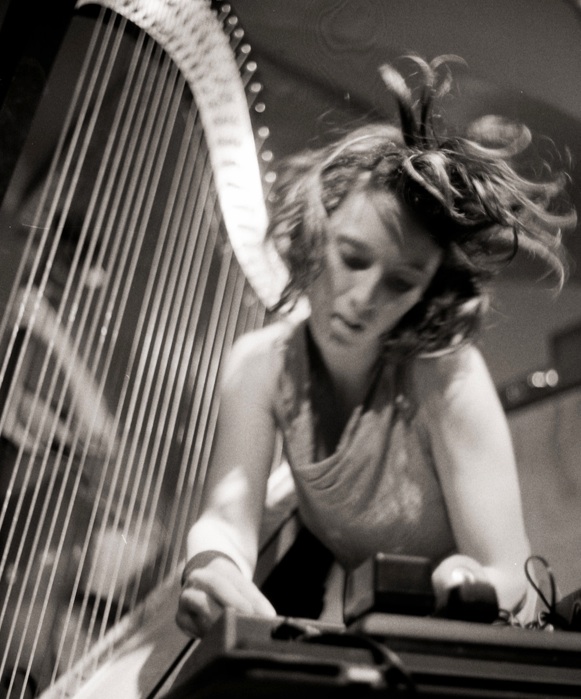
Julie Campiche
“There is something in me that needs to learn to accept the compliment”
Photo: Laurent ML
Confidence was a theme in my conversation with Julie Campiche. “I’m happy and confident,” she tells me, “and I wasn’t like that two months ago, I was much more afraid.” Julie is part of the quartet, Orioxy, who are dis-banding and she describes the build-up to this split as ‘a crisis’. It’s clearly a difficult time for any band and although she began a trio project she felt too unsettled to make it work. The Take Five programme – and interactions with other professionals helped, but Julie realised she faced a common Swiss issue – being comfortable with her worth.
After gigs she often had people praise her playing, but made excuses – they don’t know the harp, they were just impressed by the instrument, not my playing. “There is something in me that needs to learn to accept the compliment…I have built some tricks to seem like I’m accepting it, but with all the crisis stuff, I was confronted by that…I laughed at myself because I realised I had escaped as long as I could and now I had to face it. Good luck Julie!” She feels the revered Malcolm Braff whom she plays with in Jibcae has found a good balance, “…knowing you’re good, accepting it, being comfortable with that and knowing it’s not about you, it’s what you are able to do, what you enjoy doing…the priority is so clear with him – it’s music.”
“I love to go into the world of the music atmosphere for someone else”
Julie isn’t scared of the business side of music and is organised, but wants to stay active whilst stepping away from planning too much, just, “play with people, find the people to work with on my project,” and explore being a side woman. “I love to go into the world of the music atmosphere for someone else. What can I bring into that? What can I serve in his or her music?” It’s an exciting time being in a place of ‘not-knowing’, having space to truly explore and Julie deserves to relax and enjoy the freedom that can bring.
Christoph Irniger “My way of thinking about jazz is based in the American way”
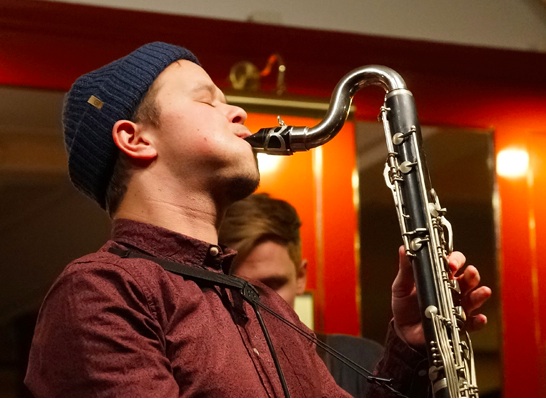
I find saxophonist Christoph Irniger a little impenetrable, guarded, but he comes alive when working through an explanation of his music. He excitedly refers to Theolonius Monk: “When he’s soloing you always hear the song – and that’s what I’m for, that’s my approach to music, in that kind of tradition.” That’s clear when you listen to recordings of his projects: his trio, the quintet Pilgrim, quartet Counterpoint or the more electronic project, Cowboys From Hell, there is a sense of respect and nostalgia for be-bop. “My way of thinking about jazz is based in the American way and it’s connected with melody. I always try to play melody even if I’m playing avant-garde music.”
Over the years, Christoph has forged a relationship with New York (his ‘musical home’ alongside Zurich) and cherishes the chance to be part of the scene there where the propulsion to simply ‘play’ supersedes thinking or planning. Bonds with the New York based drummers, Ziv Ravitz and Nasheet Waits mean a lot to him and his stays ‘over the pond’ give an alternative lifestyle and viewpoint for composing.
“… the way to work on music is to play gigs”
Pilgrim photo: Erwin Van Rillaer
Pilgrim’s new album, Big Wheel [Live] is out in the autumn (Christoph’s third release on Intakt Records) and they’ve been picked to showcase at jazzahead! the renowned trade fair in Bremen. But he’d like more gigs and larger venues. “The main thing is to play music…to go further, to search for new ways…it’s like a scientist, and the way to work on music is to play gigs, the live situation.” And the bigger the audience the more you get reflected back, “It’s like a mirror, it’s the best way to develop your music.” I’m sure more gigs will follow but as Christoph knows, “There are no shortcuts.”
Nils Fischer “I also like playing different styles, it gives me a lot of energy”
Although Wayne Shorter is still the most important influence for saxophonist Nils Fischer, he is coming at music from a spectrum of points. “I often have periods where I listen to one or two albums all the time, it’s not something I do consciously but I love it. I’m listening to Warpaint, an incredibly good female band from the States. I love the album of Kendrick Lamar. I like listening to different things and I also like playing different styles, it gives me a lot of energy.” His main project, quartet The Great Harry Hillman, describe their music as ‘jazz of today’ and I find it spacious and engaging. Last year they won the ZKB jazz prize at Moods in Zurich and played at London’s Match&Fuse festival.
Nils Fischer
Starting drums at six Nils moved to sax aged eight, after seeing one in the gospel choir his mother sings with. His dad is an organist and his sister is going into musical theatre, but he questioned playing professionally. “It was a hard decision…it came naturally, I wasn’t forced to do it, but when I decided to do it, I really said yes to it.” A chance encounter at a workshop led him to leave his native Germany to study in Lucerne where he met his band. “It’s almost too romantic to say it, but we really had our first lesson together and from then on that was it.” When GHH played London their musical chemistry and friendship was clear, “We have a lot of fun always when we are together,” and I witnessed that…
“Our sound is pretty detailed”
The other side of Nils is he is pro-active and organised, dealing with the bands’ bookings. “I like talking to people, making relations, that’s fun,” he says. That’s the sort of band member you want to hold on to. He is planning GHH’s tour with the Austrian trio, Edi Nulz and something new in November – a heavily produced EP with layers of tracks. “Our sound is pretty detailed…it’s a step further to really make it structured on the record so it’s different from the live thing…we will clearly separate it – give something different on the EP from the live feel of an album.” I’m very keen to hear what they come up with.
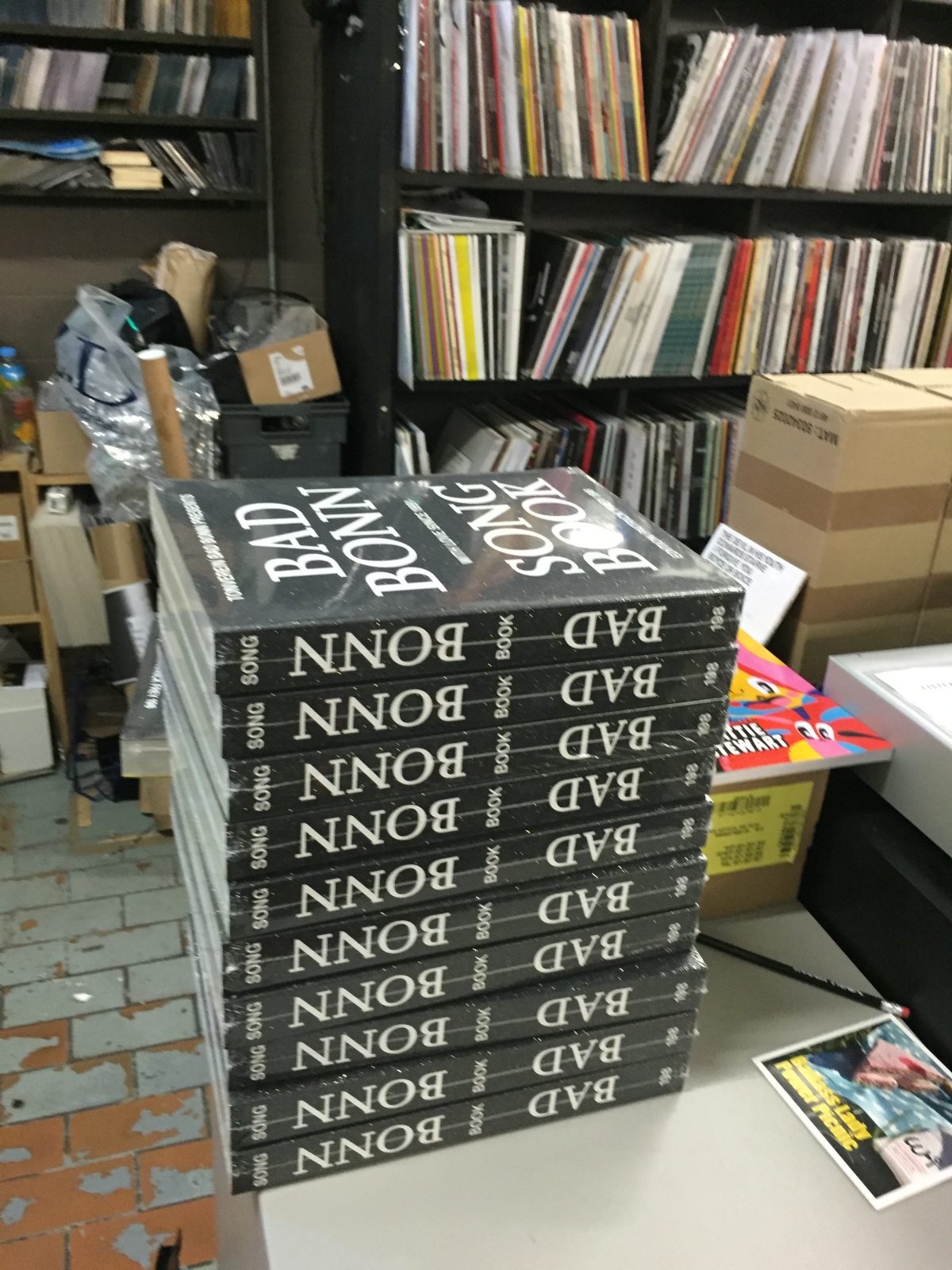
The day after the successful launch event at Rough Trade East, the celebration of the publication of the“The Bad Bonn Song Book” continues. Bad Bonn crew moved North to Dalston for a celebratory Kilbi night at the legendary avant-garde/jazz/folk venue Cafe Oto. Another sizeable and appreciative crowd was served a diverse programme of Swiss artists that showed off Bad Bonn´s sense of adventure to good effect.
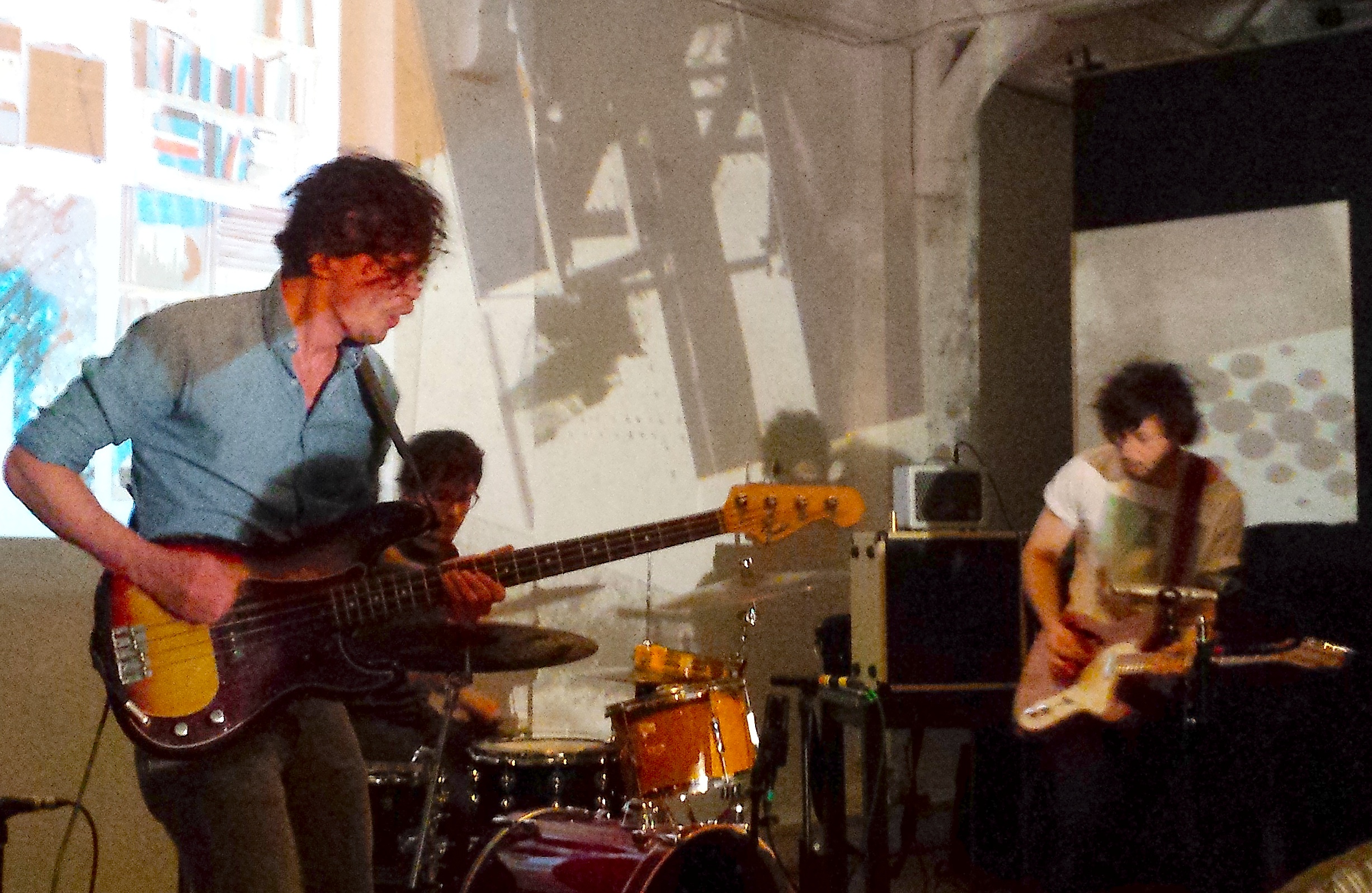
First off was Strotter Inst., aka Christoph Hess. Operating in a border area between noise and conventional music with a pair of “treated” old record players and a series of similarly adapted vinyl records, Strotter Inst produced a minimalist and yet richly textured drone that somehow pulsated with rhythm and held the audience´s attention with remarkable ease.
Next came percussionist Julian Sartorius who, judging by the conversations afterwards, was perhaps the biggest success of the evening. Playful and yet precise, subtle and yet powerful, his uninterrupted half-hour performance was a master class of innovative and controlled solo percussion. In sharp musical contrast, the synth duo Papiro reconnected the audience with early Krautrock history with their slowly shape-shifting take on dreamy Ash Ra-Temple-type sounds.
The evening was rounded off sweatily by Camilla Sparksss, Barbara Lehnhoff’s fiery electro outfit, consisting of just herself and a dancer. Combining punky vocals with minimalist electro rhythms and melodies, her short, sharp bursts of high-octane songs were completely different from everything else that had been heard before then, and all the better for it.
Contributing greatly to the success of the night were the DJs Andy Votel and Doug Shipton whose selection of records was perfectly in tune with the spirit of Bad Bonn. In short – the two Bad Bonn nights in London turned out to be an unqualified success.
Bad Bonn venue in Düdingen celebrates its 25th anniversary this year with – amongst other things – the publication of a unique book: over the past few years, bands appearing at this idyllic location in the rolling green hills near Fribourg have been asked to donate one song each for the project. Some sent sheet music, others sent drawings, poems, chord sequences and collages. “The Bad Bonn Song Book” collects 140 of these in a splendidly glittery coffee table book published by Edition Patrick Frey in Zurich.
A unique collective work
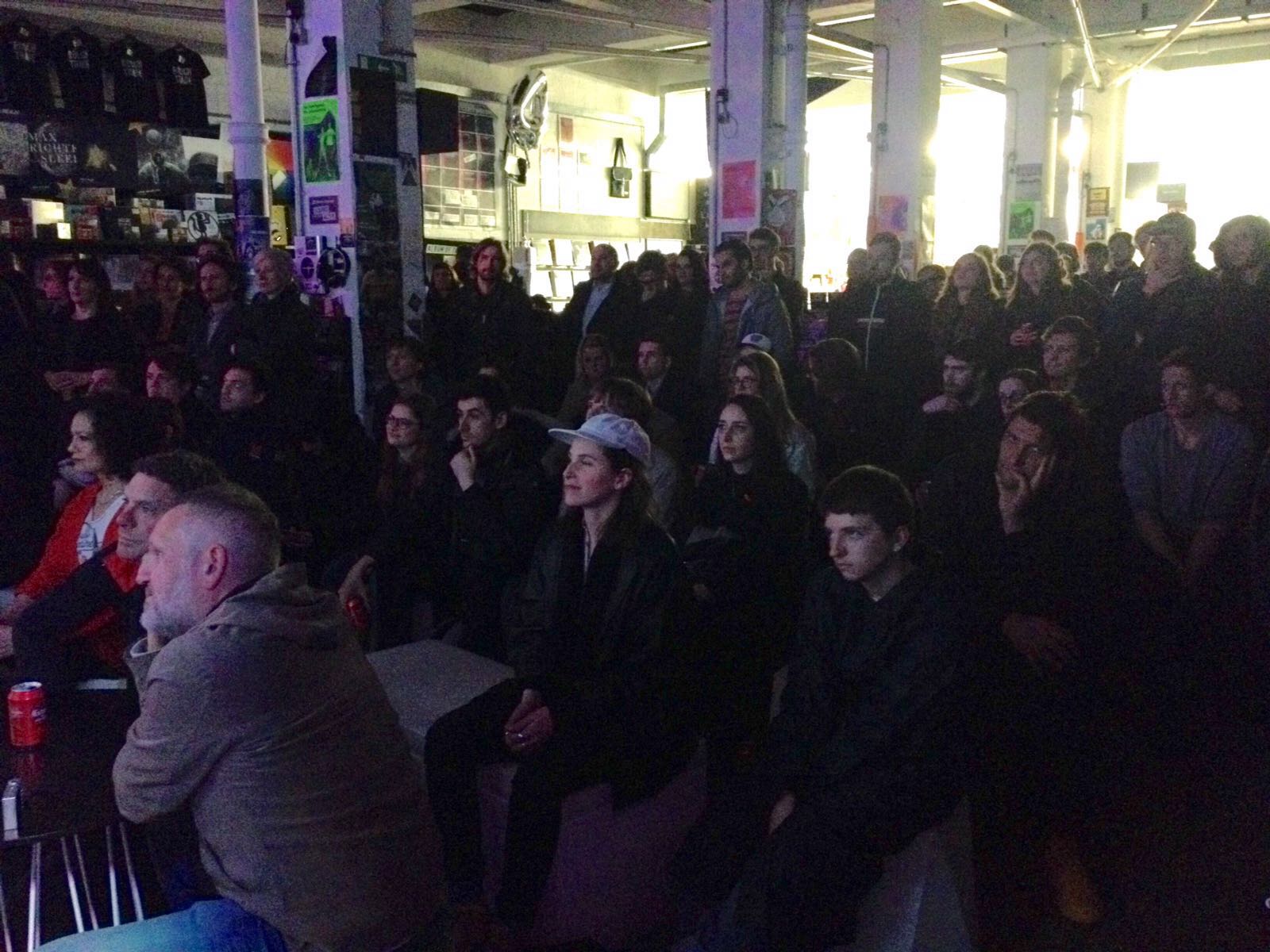
The impressive and diverse list of participants ranges from Flaming Lips and Bonnie “Prince” Billy to Goat, Jandek, Sebadoh, Sleaford Mods and Suzanne Vega. To launch the book, Bad Bonn came to the legendary Rough Trade East shop off London’s Brick Lane. The choice of venue made sense: Most of the lyrics in the book are in English, many of the artists involved are from the UK, and the shop carries one of the most comprehensive selections of music-related books anywhere. The two-pronged event attracted an excellent crowd of around 150 people.
A panel and a solo concert
Hanspeter Kuenzler, Tom Relleen, Luke Turner,Christophe Schenk, Daniel Fontana
The first part consisted of a panel discussion, “Can a Live Music Venue Change a Small Town?” with the participants, Tom Relleen (musician with Tomago and The Oscillation, concert agent with the Julie Tippex Agency), Luke Turner (writer, founder of the Queitus web-zine), Christophe Schenk (Swiss television), and Düx aka Daniel Fontana (founder, Bad Bonn). A lively exchange was peppered with excellent anecdotes, including Relleen´s story that many a band he had booked for the venue called him up in desperation, fearing the GPS had misdirected them when they found themselves driving past freshly tilled fields and manure
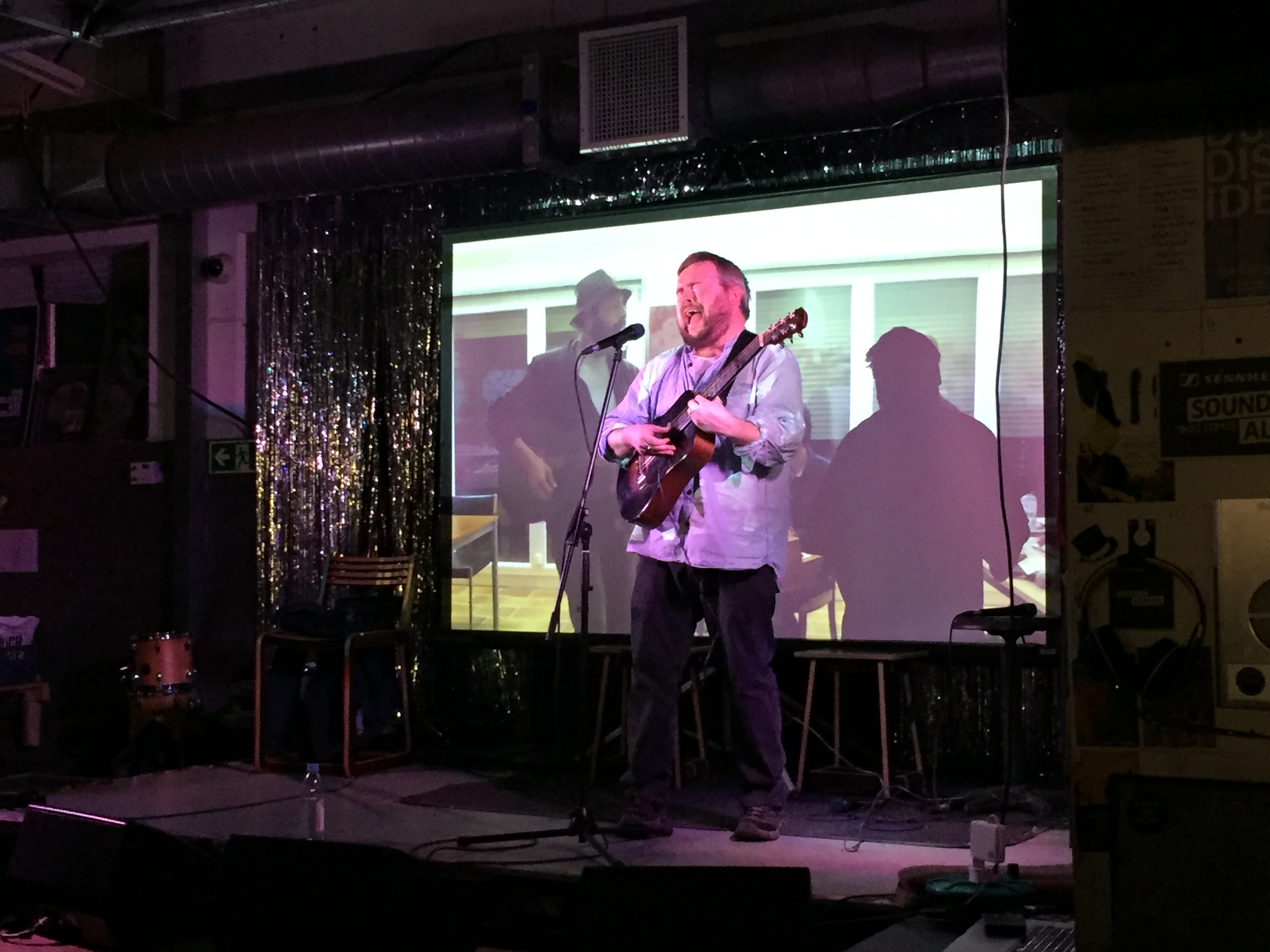
silos instead. Following the discussion – the conclusion: of course it would! -, Richard Dawson, a highly original singer/songwriter from Newcastle and a happy regular at Bad Bonn, gave a breathtaking solo performance, sometimes with his battered guitar, sometimes acapella.
 Springtime brings change. In the case of Swiss Vibes, this change translates as putting things on pause. As you know, Swiss Vibes is a website that has been higlightning the current Swiss music scene for over five years. It is run by Swiss journalists in French, German and English. At the start in 2009, Swiss Vibes was just a simple compilation, a sampler produced by Pro Helvetia*, sent to subscribers of the Swiss-French magazine ‘Vibrations’. Building on the success of this first sampler, the operation was extended in 2011. Hence, the idea arose of creating a blog to give more information and scale to this booming musical Swiss scene.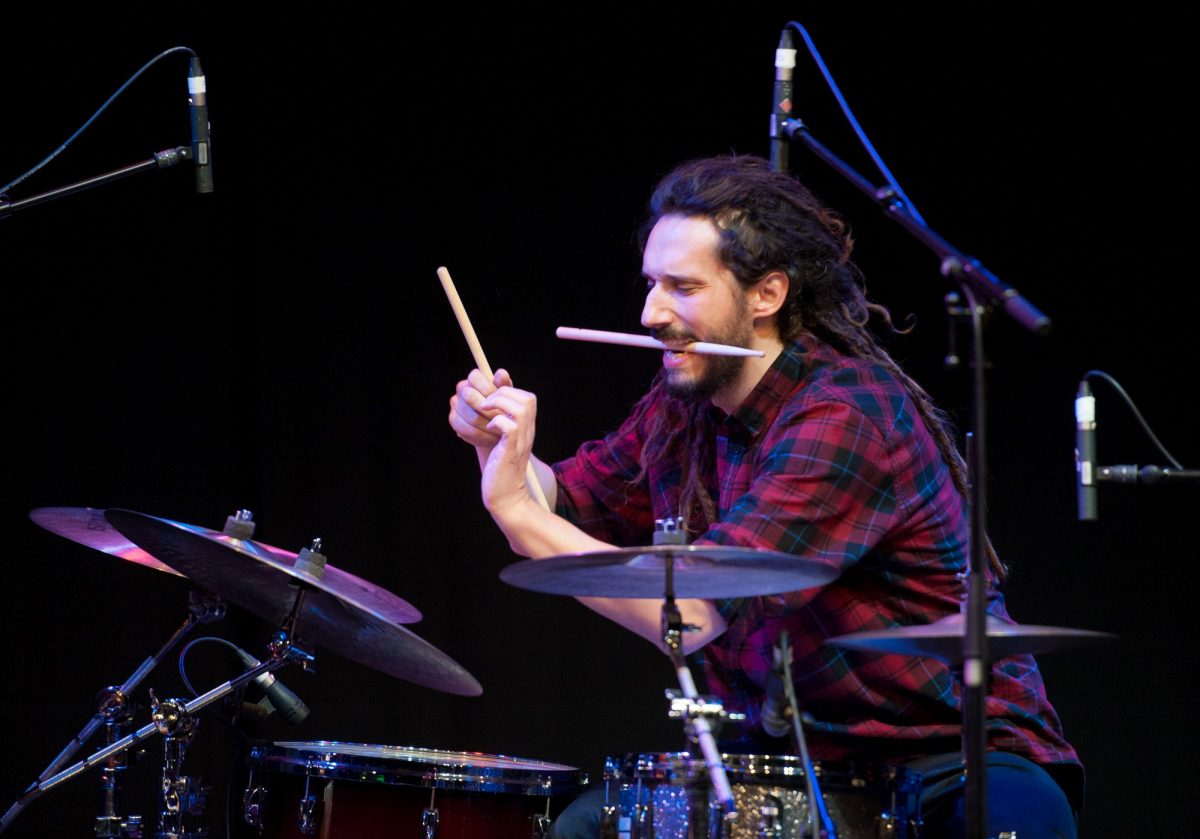

 Last week the editor of a UK jazz magazine said how much the office had got into Plaistow’s album Titan. I think they are something special. Plaistow is an acoustic piano trio driven by experimental dance musics, ancient drones and a desire to distill their sound to its most ‘alcoholic’, most potent.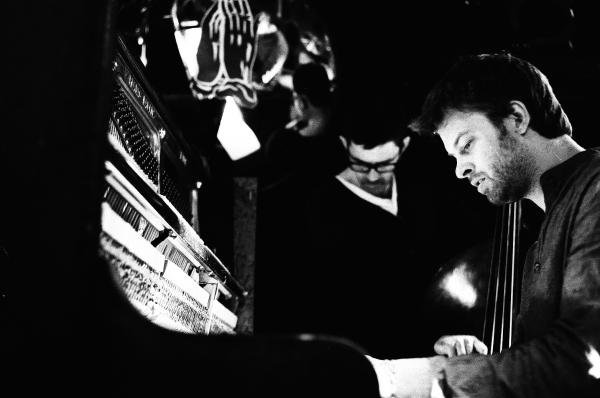

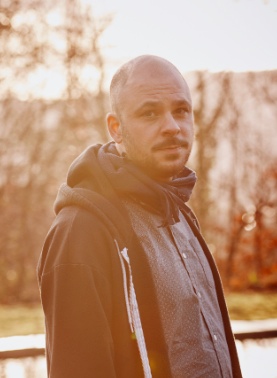 Pilgrim includes Stefan Aeby on keyboards and Michi Stulz on drums – I know their work as part of Tobias Preisig’s quartet and both were crucial to the innovation of Preisig’s album, Drifting. In Pilgrim, Aeby draws on his ability to play an evocative jazz, informed by artists such as Bill Evans in order to echo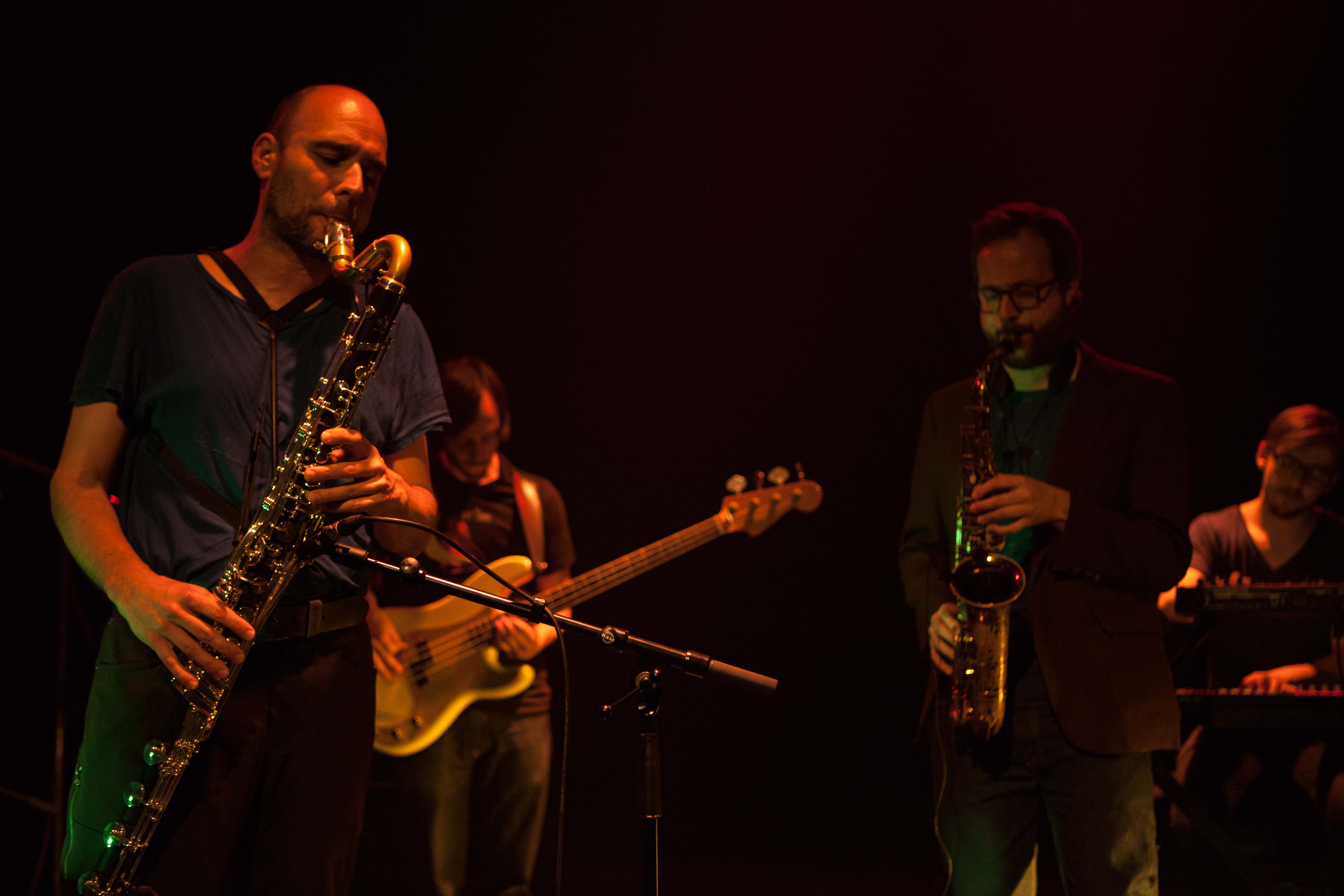
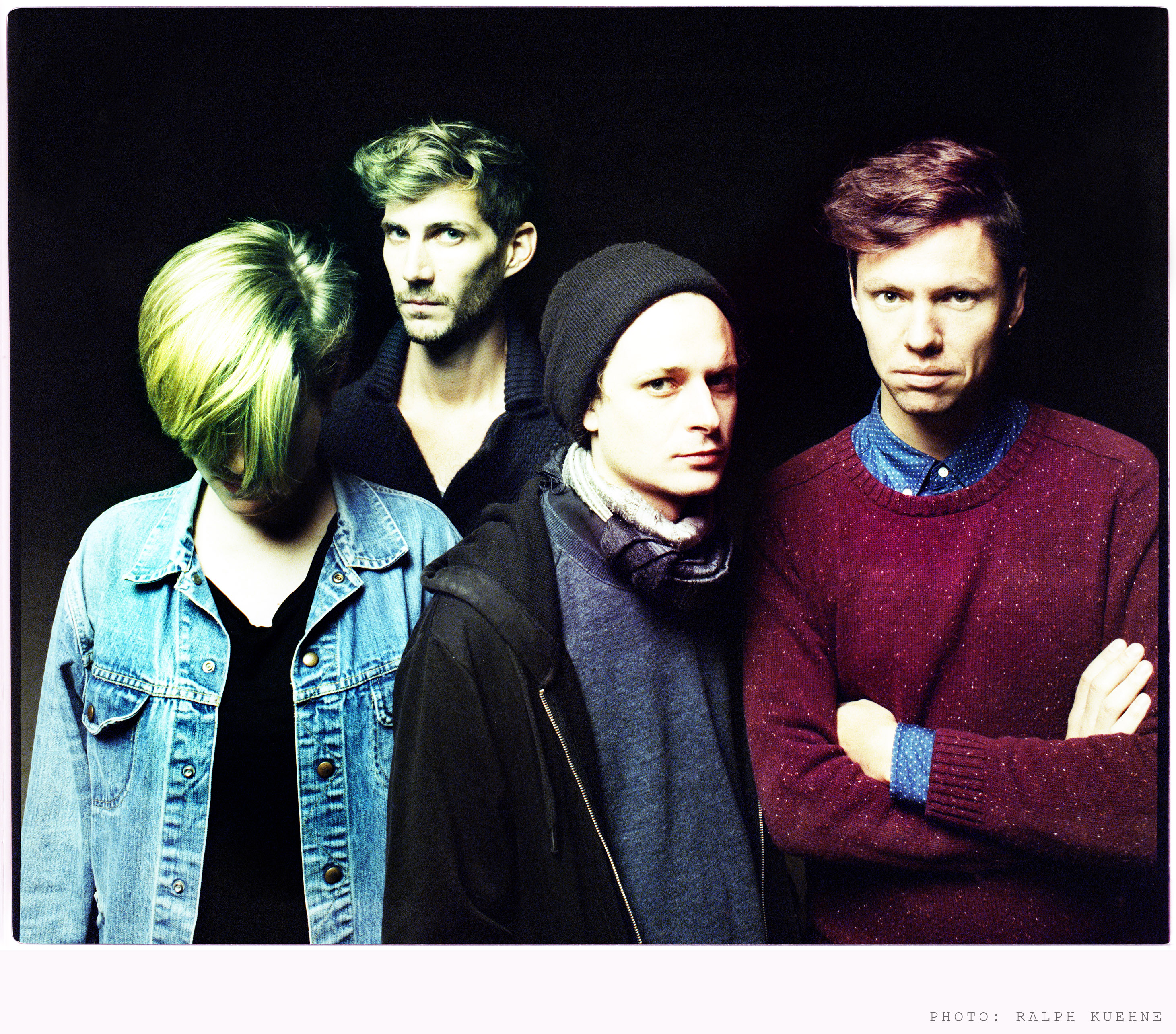 Representing the exciting non-conformity of the contemporary Swiss jazz scene,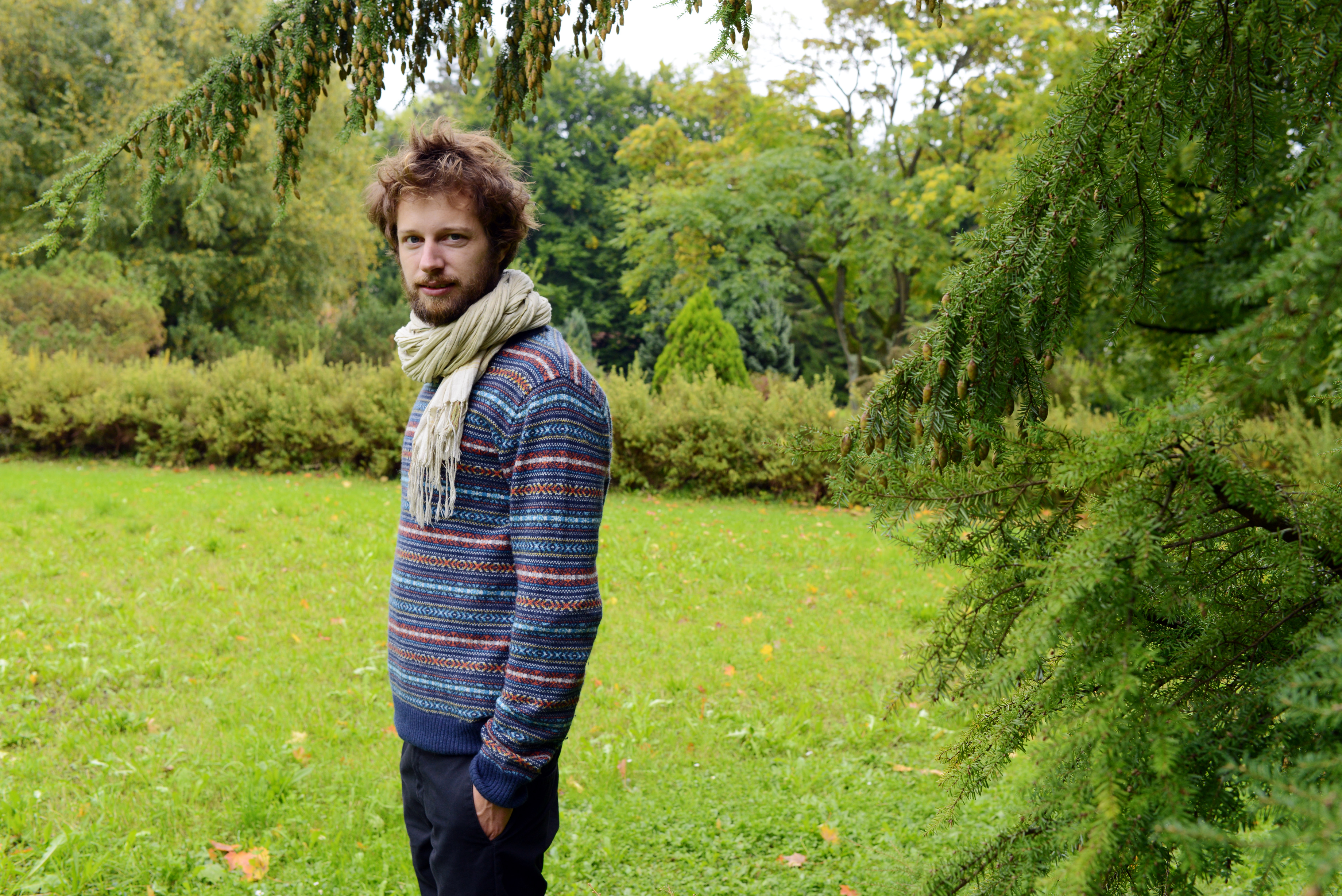
 Luca Sisera is a well seasoned Swiss double bass player whose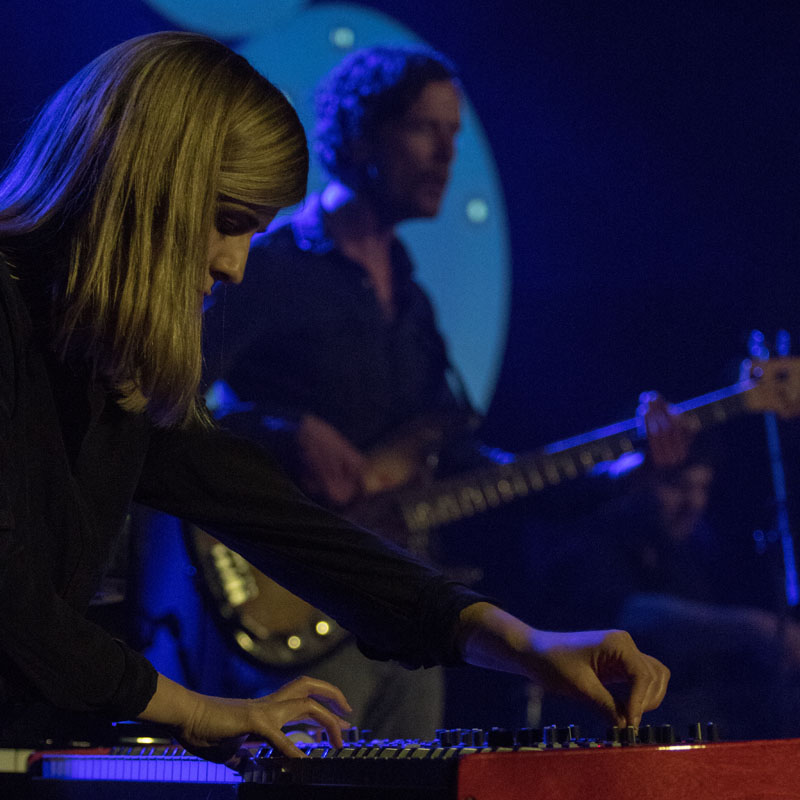

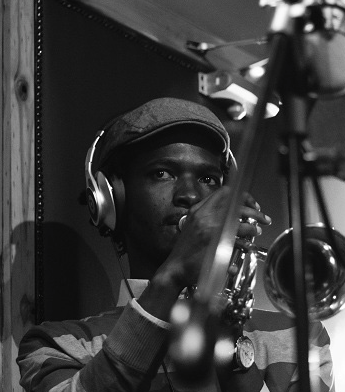 Someone else shaped by a dramatic early life is trumpeter Mandla. Brought up in a turbulent Soweto by a young, single mother after his lawyer father was murdered, he admits, “I had to find coping mechanisms. I went to see psychologists, but I didn’t know how to deal with it, I was a troubled child and I was always in trouble.” His childhood is hazy but he remembers sitting on his dad’s shoulders, hearing music at political rallies, and a small, blue piano he brought Mandla from London when working on a case concerning South Africa’s ‘hit squads’.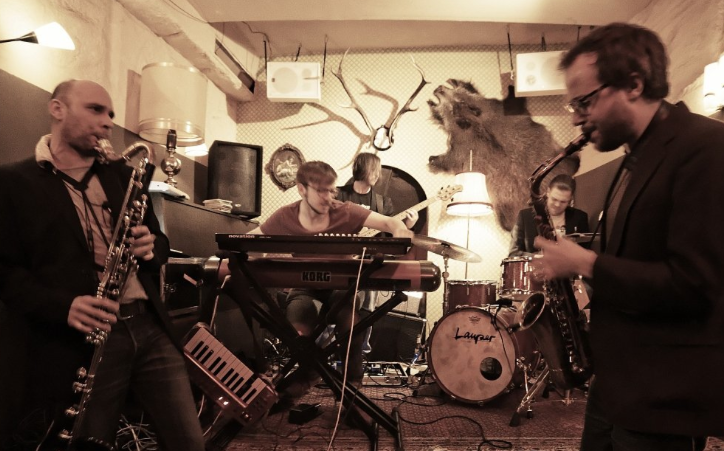
 The day after the successful launch event at Rough Trade East, the celebration of the publication of the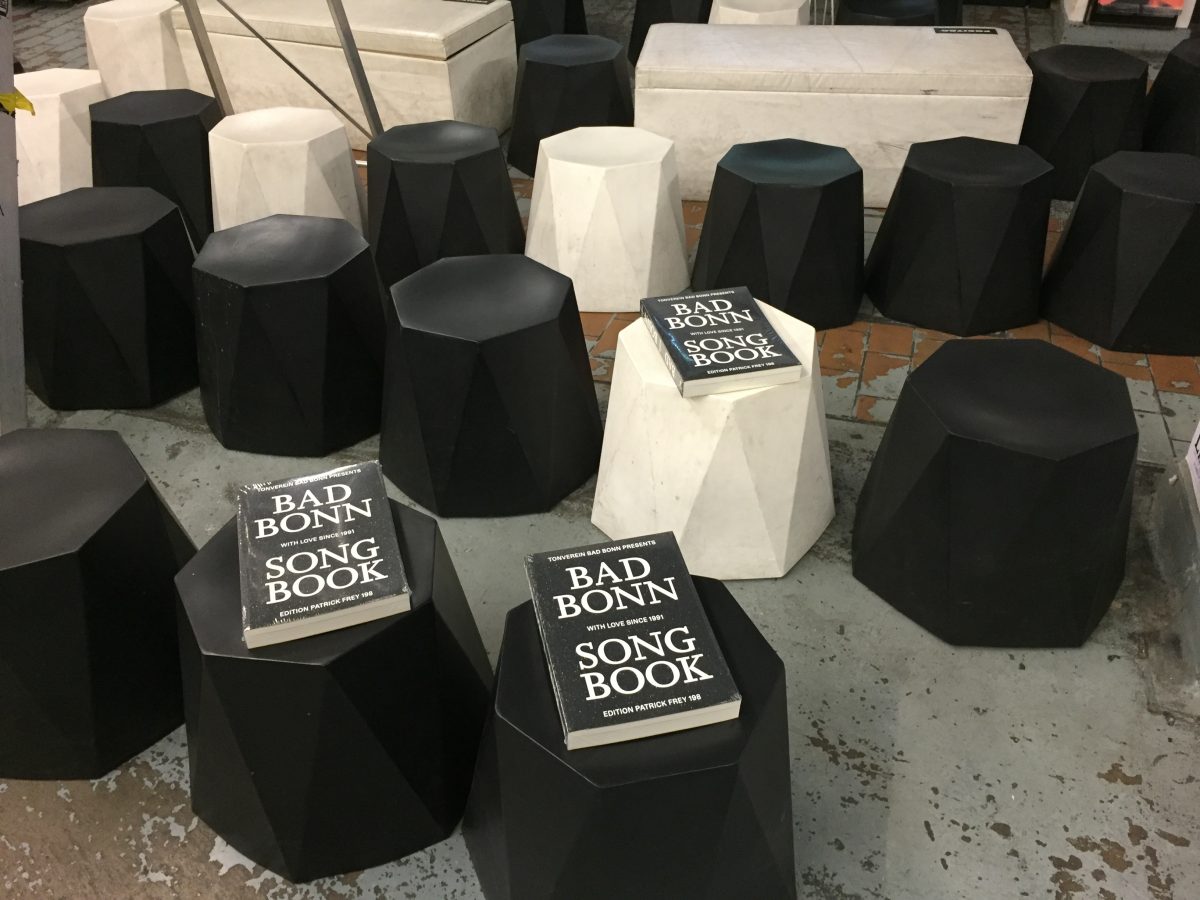
 The impressive and diverse list of participants ranges from Flaming Lips and Bonnie “Prince” Billy to Goat, Jandek, Sebadoh, Sleaford Mods and Suzanne Vega. To launch the book, Bad Bonn came to the legendary Rough Trade East shop off London’s Brick Lane. The choice of venue made sense: Most of the lyrics in the book are in English, many of the artists involved are from the UK, and the shop carries one of the most comprehensive selections of music-related books anywhere. The two-pronged event attracted an excellent crowd of around 150 people.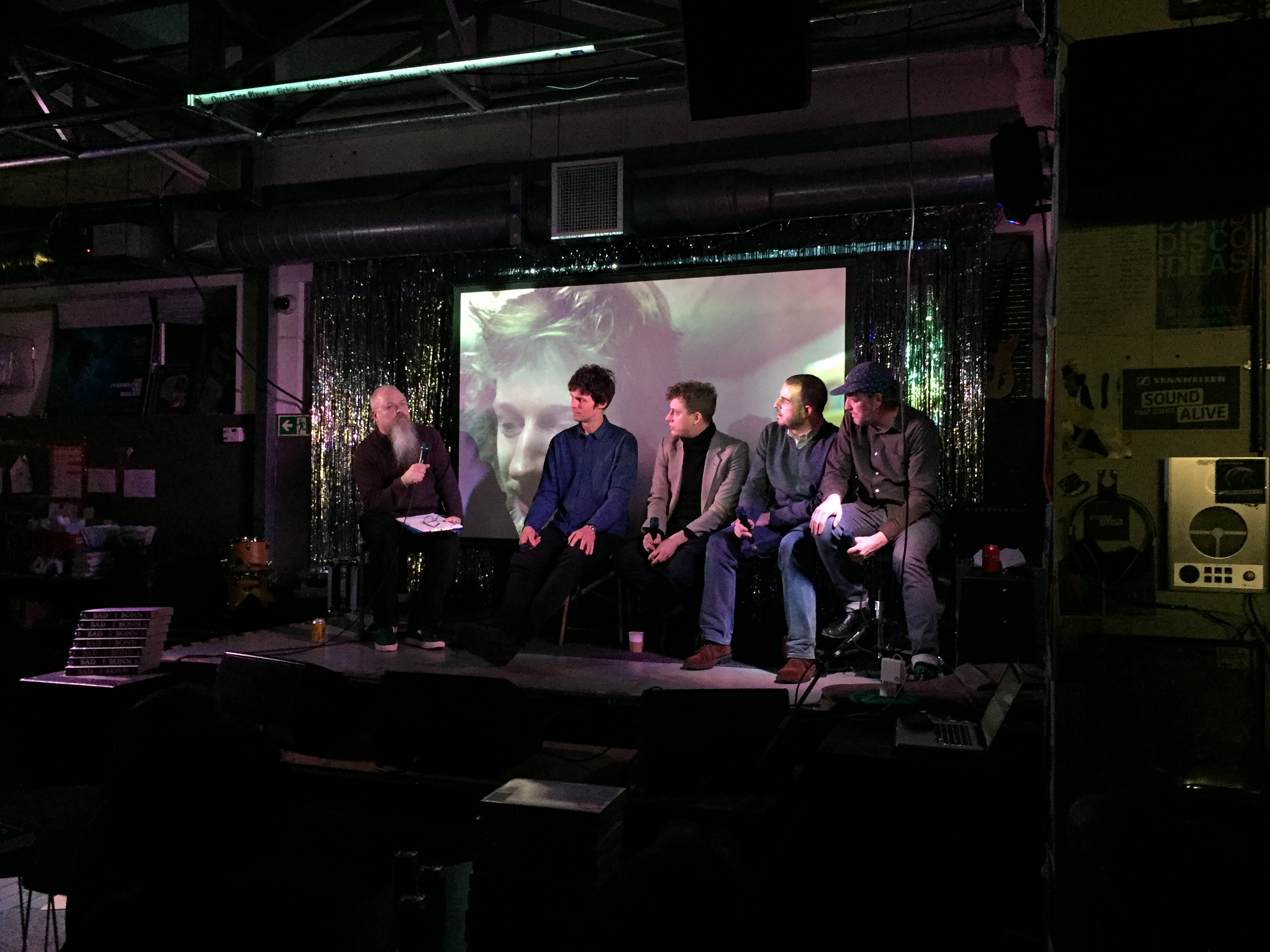
 silos instead. Following the discussion – the conclusion: of course it would! -,