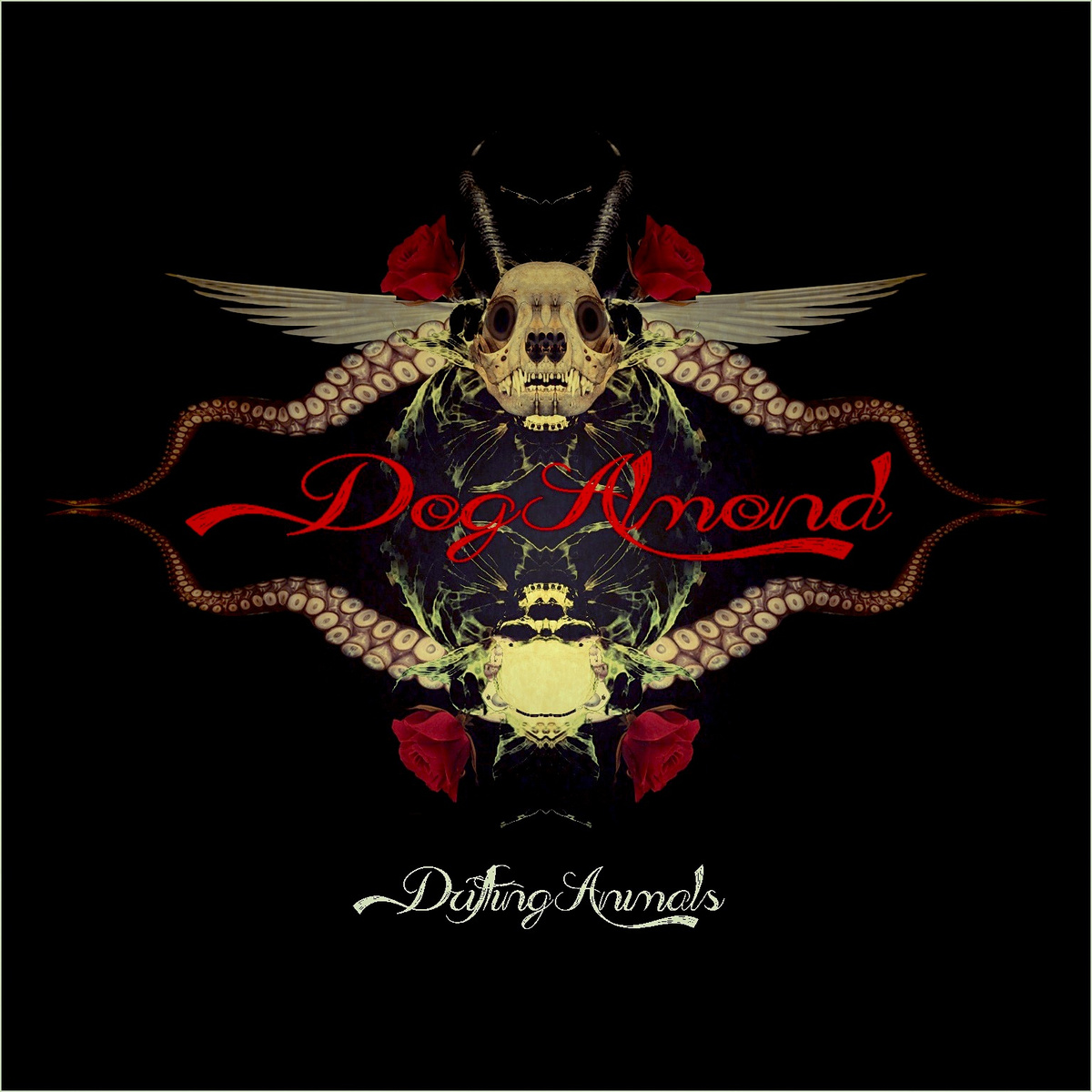
Dog Almond “Drifting Animals” LP

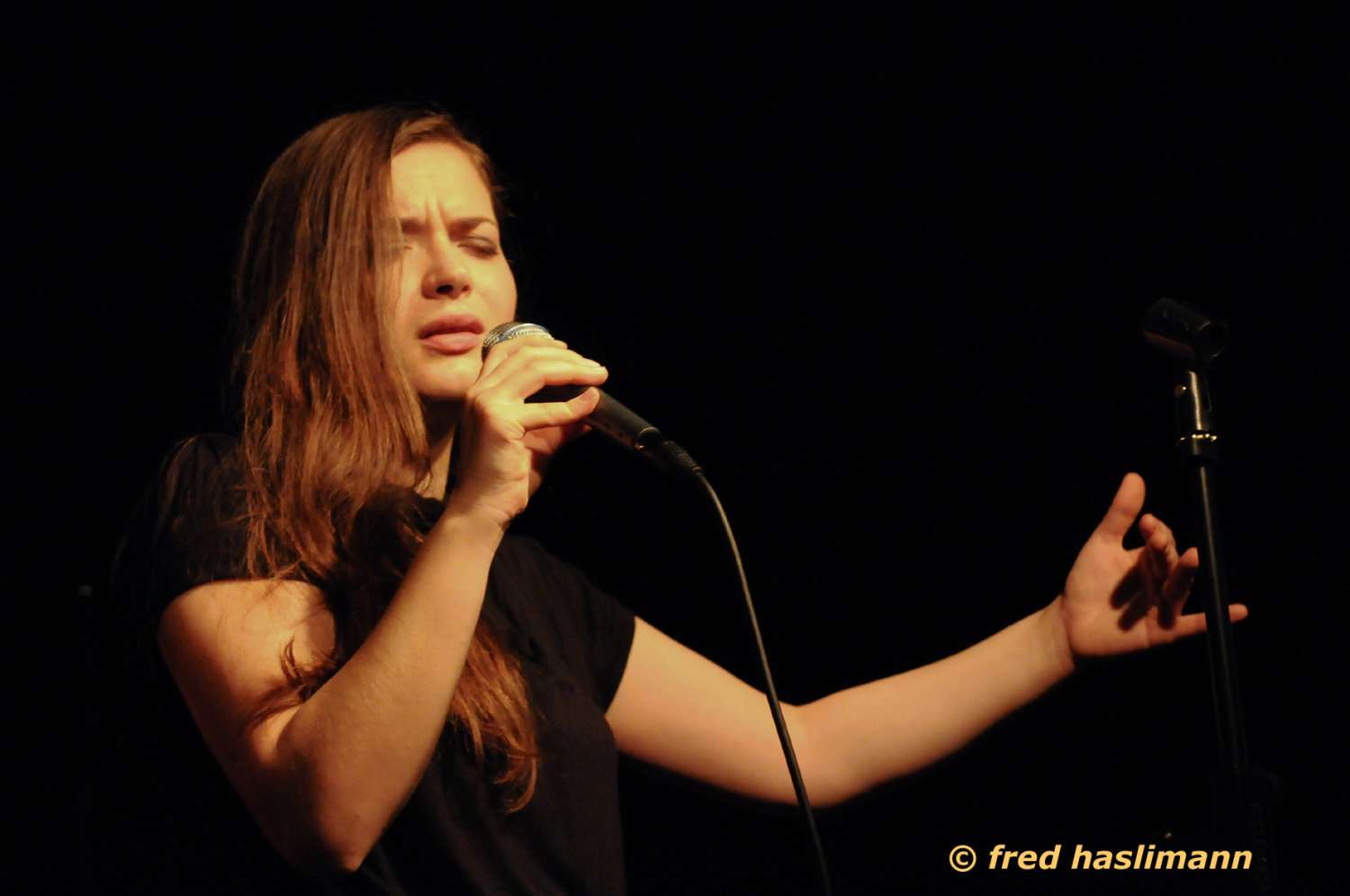
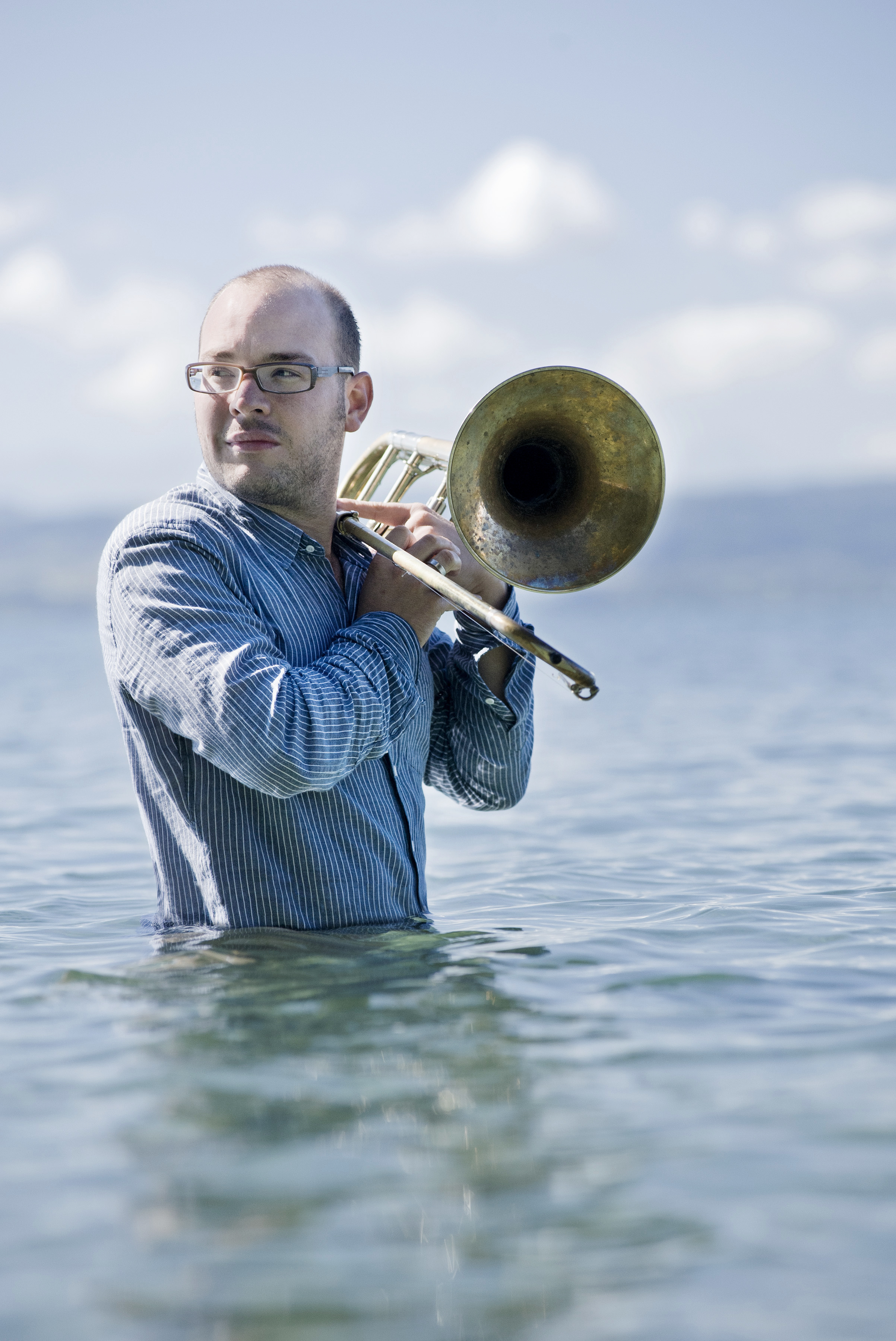
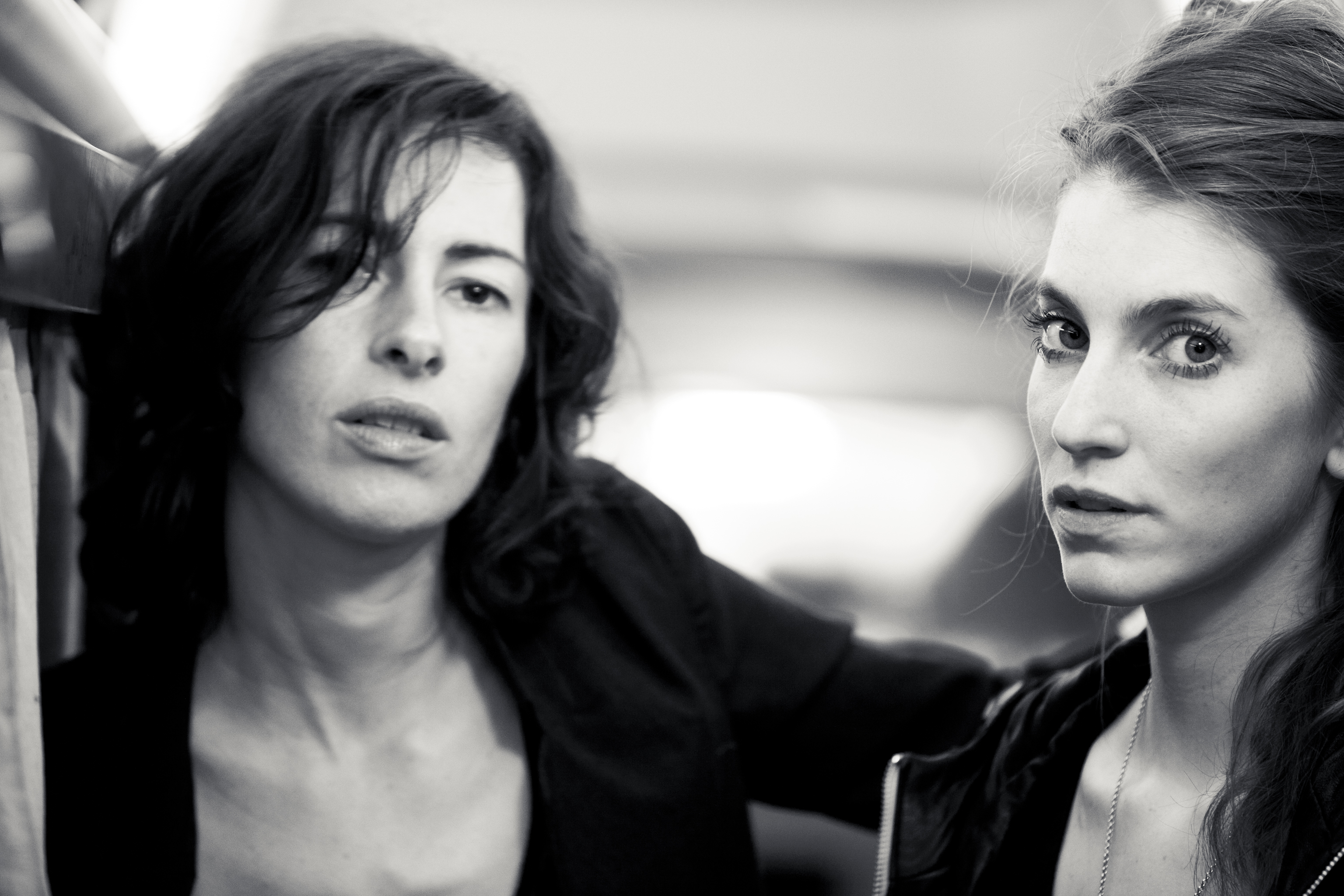
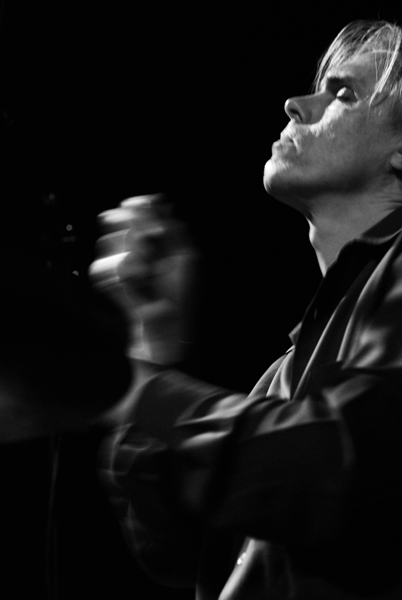
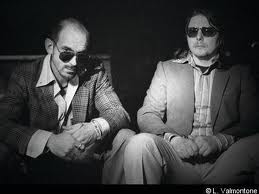
a2445370845_10Christophe Calpini and Franco Casagrande are two busy, genre-defying, musical pedigrees who play around with styles as they play around with projects. With CVs as long as their arms, their musical journeys are both peppered with collaborations that read like the Swiss Who’s Who of the electro-jazz, indie-folk, reggae and hip hop scenes. Calpini – a veteran drummer, knob twiddler, arranger and producer, who made his mark back in the 90s with Silent Majority, then continued via Eric Truffaz, Alain Bashung, and set up cult underground projects in the shape of Mobile in Motion and Stade. Casagrande – best known as the guitarist in the Swiss reggae band The Moonraisers, errant collaborator with outfits as varied from Chapter to Awadi, and master of a very capable vocal talent.

Ready to bite

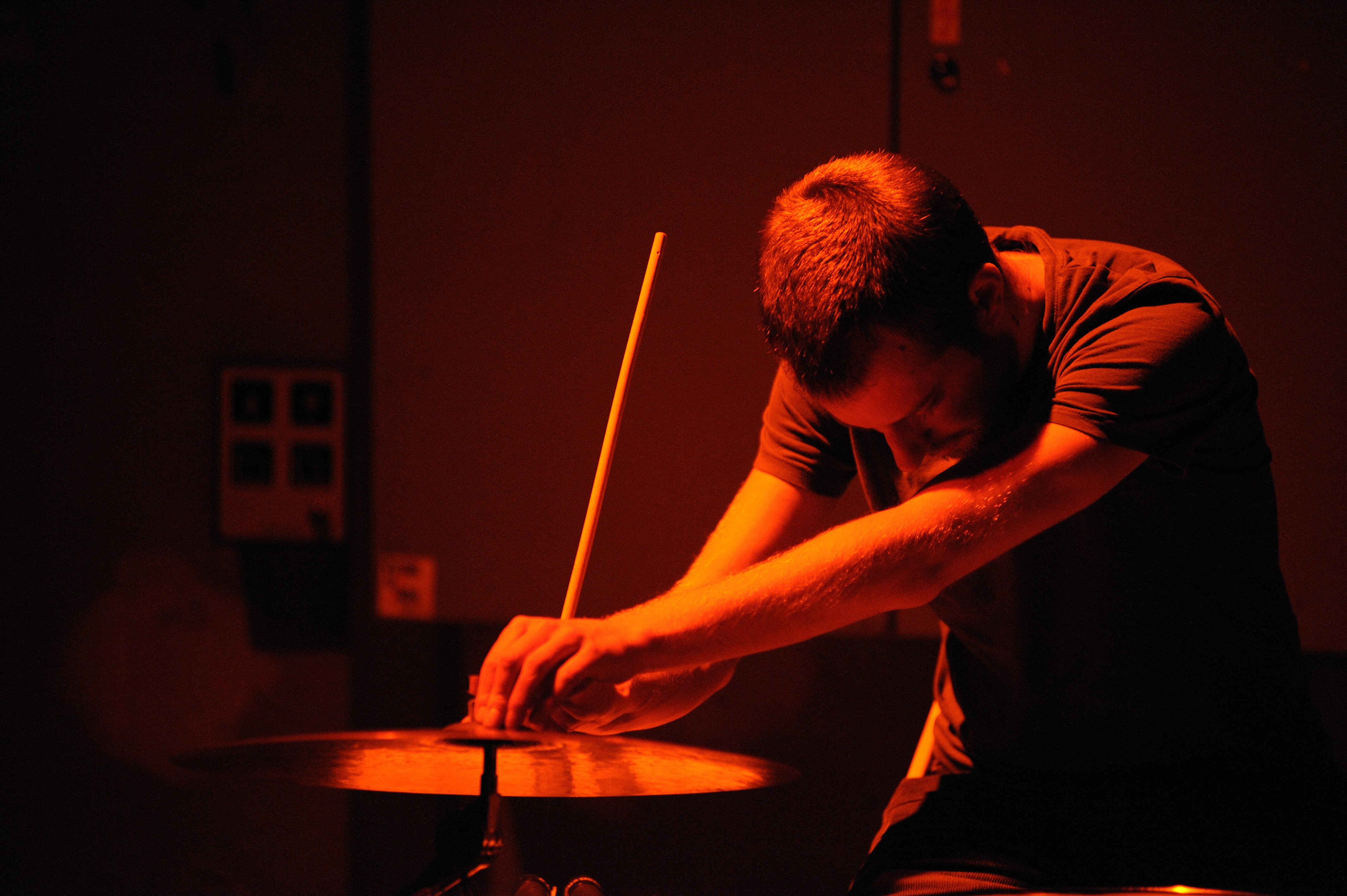
‘Drifting Animals’ is the third Dog Almond LP recently issued on their own label, altogether a different affair from their quirky, groovy-edged “In Dog We Trust” of 2010 where the pooches were cute, cuddly and playful. Here the dogs are in a more sombre mood and are ready to bite. As the album cover suggests, intricate beauty sits aside danger, decay and darkness. The sound is fuller, larger, played live and loud. Distorted guitars, reverberating drums, vocoder voices add a depth and perspective which is at times melancholy, other times angry, always emotionally and musically audacious.

Epic, moody, multi-textured, swirling pop songs
images

Setting the tone perfectly is the opening track, “Dull Knife”, a richly menacing and dubby instrumental soundtrack, (imagine a would-be Tarantino reggae Western), greatly coloured by the baritone sax of Ganesh Geymeier. There’s an ambiant, trip-hoppy vibe that then takes over, big beats played sparse and wide giving room to highlight Casagrande’s vocal abilty that sits well in both a soft pop frame as that of fierce rocker. For some reason comparisons with Depeche Mode are springing to mind – epic, moody, multi-textured, swirling pop songs that could seduce a daytime radio listener as much as the stadium rock fan. “If it’s easy” is a typical example of a darkly captivating, tortured love song that sucks you in and spews you out thanks to less-is-more pacing, crafty sinister reverbs and an emotionally-sensitive vocal. My money sits with the closing track, “Inventing a moment”: deceptive languid melancholia set on fire by wonderful string arrangements and the guest-featured sax that swirls us into a heady jazz-tinged finale.

Dog Almond forthcoming gigs:

7/03/14: Chat Noir-Carouge (Ge)

28/03/14: Le Bout Du Monde – Vevey (Vd)

3/05/14: Hacienda-Sierre (Vs)
Bänz Oester and The Rainmakers @Chorus Club

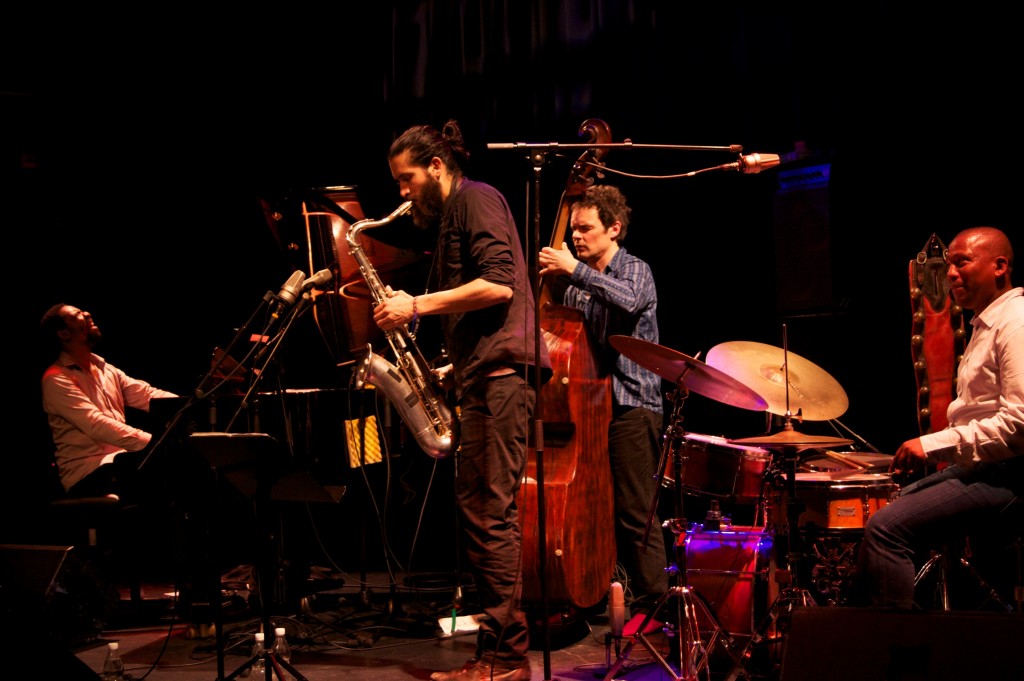
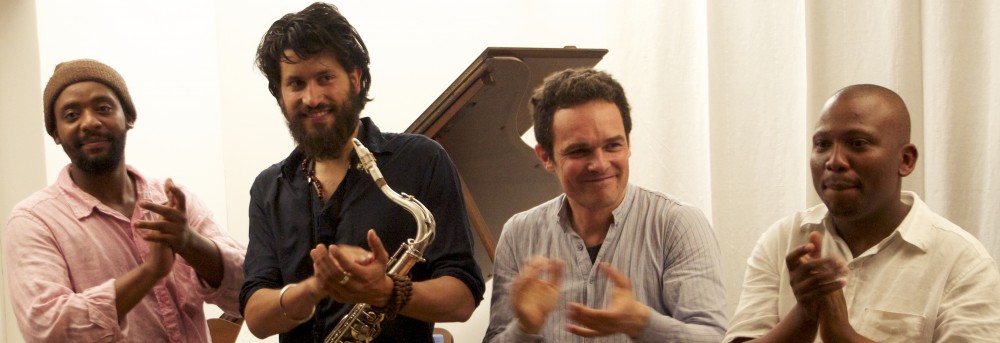
Bass maestro, Bänz Oester and his friends The Rainmakers are a joyful union of Swiss and South African musicians who grouped together after a chance encounter at the Grahamstown National Arts festival in 2011. Rainmakers_photo 1Spontaneous cameraderie and a deeply felt musical intention are what unite this group and deliver an immediate, powerful jazz punch. Tonight at Lausanne’s Chorus Club they perform the final date of their 2 week tour, show-casing their first LP, Bänz Oester and The Rainmakers ‘Playing at the Bird’s Eye’ – an album that took just four days to put down and that captures an intimate sense of wonderment, spirituality and emotion.
Only two days of rehearsals

Live, their style and content vary from the languid jazz standard, African polyrhythms, seductive funky blues, obscure Swiss and Bulgarian folklore to blinding improvisation. Whether introspective or gregarious, all styles are drenched in emotional depth and meaningful purpose. This is a band who describe themselves as playing “the music of intention” after only two days of rehearsals.

Spectacularly lithe piano playing

Afrika Mkhize’s spectacularly lithe piano playing is a constant joy, over-brimming with the gospel, blues and afro-jazz colours you’d expect after 10 years on the road as Myriam Makeba’s musical director. His instrument is cropped-DSC01181jumping as he scats, sings and cajoles it into action, rolling out the pretty melodies and interplaying beautifully with the often darker hues of the sax. Shame there’s no microphone, I’m curious to hear more of his singing voice but am later informed that his vocalese is not an imitation of Keith Jarrett, just a special way of entering into communication with a foreign piano that is ever-changing whilst on tour.
It’s a miracle we don’t all start stripping

The track “The Rainmakers” is a wonderfully sunshiny example of lilting African rhythms, dynamic and strong, rising and falling with a jovial ambiance that has the band and entire audience smiling from ear to ear. Similarly heart-warming is “Land’s End”, a silky smooth and teasingly bluesy number, full of such playful sexy pacing it’s a miracle we don’t all start stripping. Between the achingly seductive beats, drummer Ayanda Siukande amuses us with his larking about while pianist continues to speak Ray Charles-inspired volumes. There is joy on stage and in the room!

A weight of emotion

From the Swiss camp is Ganesh Geymeier on the saxophone with a style uncontainable as it is delicate, full of DSC6546-189x126emotional fire as well as delicate spaciouness. Whether building up a frantic storm as in “The Elevator” à la 60s Blue Note soundtrack or hinting at the sinister grey fog in the traditional Swiss-German folksong ‘Wie di graue Näbel schlyche”, his sound carries a weight of emotion and accompanies the listener into a spiritual musical dimension.

Bänz, looking splendid in his African shirt and red pixie shoes, is by no means the understated member of the band. His presence is, as usual, smilingly masterful and his exhuberant musical creativity proving  once again that he’s not considered “one of Europe’s leading jazz-bassists” for nothing.

Bänz Oester & The Rainmakers, « Playing at The Bird’s Eye » (Unit Records)

[youtube=http://www.youtube.com/watch?v=N14DMUAVRWQ]

Sartorius @NODE Festival, Lausanne, 25/01/14

20130303_ch_bern_bee-flat_juliansartoriusdrperc_breite800px_72dpi_scb8286I’m tempted to describe Julian Sartorius as an OBE (no, not an Order of the British Empire, even though he’s very gentlemanly), but an Olympic Beat Explorer: boldly going into any environment, natural or urban, and discovering the potential percussive sound habitat that lies therein. Well-known in his hometown of Bern as the nutty guy who goes around banging on stuff – and has done since the age of 2.

Sound Forager

Calling himself a ‘Sound Forager’, as well as an artist, musician and composer, Sartorius began his quest into the world of alternative sound over 10 years ago when intrigued by the aesthetics of electronic music he wanted to imitate the sound accoustically. Often on tour without his drum kit in the day, he began using whatever he could get his hands on to make beats: ashtrays, small bells, electric toothbrushes, walls, sides of rocks, etc…,hugely inspired by the varied likes of JDilla, Madlib, Aphex Twins, Elvin Jones and Tony Williams.

Pure, improvised, minimalist
02

Known for his collaborations with Merz, Sophie Hunger, Dimlite and many more, Julian’s most talked about project has been last year’s ‘Beat Diary’ on Everest Records. 12 12inch vinyl records containing a total of 365 analogue beats, all real sounds played by him, a beat a day accompanied 365 images (because Sartorius is as visual as he is aural). A true indication of his musical penchant : pure, improvised, minimalist, pushing boundaries.

Tonight, he’s kicking off the Saturday evening session of the innovative NODE Festival, a yearly gathering in Lausanne featuring workshops and concerts to expand your listening habits. Theremin of all shapes and sizes, circuit bending, Gameboy music and electronic toys all form part of this ‘unusual sound’ event.

Like a baby throwing its rattle out of the pram…

Sartorius and his drum kit are on a rug in the audience pit surrounded by a vast array of sound accesories. For a moment you could think you’re at a car boot sale, but it doesn’t take long to realise that actually you’re in a subtly woven beat infrastructure full of richly differing tempos and textures.

Dexterous playing of the cymbals creates a wall of sound from which the only way is up. It’s a fast and frantic climb atop hard sounds with very little let-up. Julian’s physical agilty is a sight to behold, moving with such feline economy and using every inch of his kit – what could be considered just messing around has never been such an art form or spectacle. A variety of props magic themselves onto the kit (Ikea hot plates, kitchen towels, broken off bits of xylophone, bowls and bells) momentarily adding depth and texture to the soundtrack to then quickly get chucked away like a baby throwing its rattle out of the pram.

Exciting atmosphere of new sounds being created

Sticks are used in every way imaginable: hitting, tapping, scraping, prodding. Not all sounds are easy on the ear, some vary from resembling big drops of rain on a tin roof to a dying walrus or a rusty train pulling into a station, yet all contribute to the rich, exciting atmosphere of new sounds being created in this room.

In fact what we’ve just heard is the main body of his forthcoming album due out later on this year. A solo drum project full of carefully crafted live sounds, no overdubs, no processing, no collaborations, just the simple fruit of all his experimentation in sound. For more intriguing examples of his daily beats and images, go to the ‘morph’ section on the Julian Sartorius website and also visit the Raun No-15 exhibition in Bern which features his installation till 22nd Feb 2014.

[youtube=http://www.youtube.com/watch?v=UKqZ1Dlwe5I]

Forthcoming live dates:

Julian Sartorius Solo:
8.2.2014 Netwerk, Aalst (B)
21.2.2014 Dampfzentrale, Bern
21.3.2014 Naturhistorisches Museum, Bern
30.3.2014 Kunstmuseum, Thun
4.4.2014 Cully Jazz Festival, Cully

Merz feat. Sartorius Drum Ensemble:
30.1.2014 Étage St. Gervais, Biel / Bienne
31.1.2014 Sedel, Luzern
1.2.2014 Festival Antigel, Genève
27.2.2014 Bad Bonn, Düdingen

Rom Schaerer Eberle: At The Age of Six I Wanted To Be A Cook

artworks-000056794141-a88nt2-t500x500“At the Age of Six I wanted To be A Cook” by Rom Schaerer Eberle takes you gently by the hand into the landscape of childhood. There are lullabies oozing with ‘mother-love’, sounds of jumpy kids at play and simple, stare-into-space tracks. The achingly sweet vocal ‘stories’ of Royal Family are sung by Schaerer; his warm, steady tone flowing with imagined words whilst Eberle plays the horn with a simplicity that is both melancholic and uplifting. Rom caresses his guitar to sound different on every track whilst always creating spacious, considered and sensitive notes. At times you can almost see the coils of his A string as every scrape and pluck resonate.
Cooking the Books is a stand-out track with its robotic opening giving way to the most exquisite refrain of vibing guitar and melodic trumpet, echoed by Schaerer’s vocal-trumpet notes. Syncopated dabs of sparse rock-guitar and buzzing mouth harp serve to heighten the beauty of the theme; the guitar bending and entwining you with its longing. It holds you.

[soundcloud url=”https://api.soundcloud.com/tracks/108202431″ params=”color=ff6600&auto_play=false&show_artwork=true” width=”100%” height=”166″ iframe=”true” /]

This is a well-blended trio, each echoing the others’ voices, never trying to dominate, but I missed the fizzing energy that comes with an extended solo. In Triple Prism, Schaerer explores higher vocal registers to ghostly effect but Eberle and Rom become a mere reflection as opposed to a solid presence.

I liked Eberle’s When I Was Seven I Wanted to be Napoleon, led with great panache by Schaerer’s Cabaret-style MC. The drunken slurs of Eberle’s trumpet and Rom’s guitar draw a George Grosz sketch of a flea-bitten bar with wrinkled, topless ‘dancers’ slouched on faded velvet, but again, I wanted it to go further. Lou is the final lullaby to tuck us up in bed, but sometimes I craved something more adult – where each musician had the freedom to delve into their wonderfully creative themes in a deeper and more explosive way.

“At the Age of Six I wanted To be A Cook” by Rom Schaerer Eberle  was released in September 2013 on JazzWerkstatt Records. Tour dates include:
Rom Schaere Eberle played Bern (CH), Beeflat, the 4th Dec, and London (UK), Vortex, 8th Dec
Next concert: Zurich (CH),  Moods, 12th Dec

Nik Baertsch’s Ronin @ The London Jazz Festival

©Martin Moell
©Martin Moell

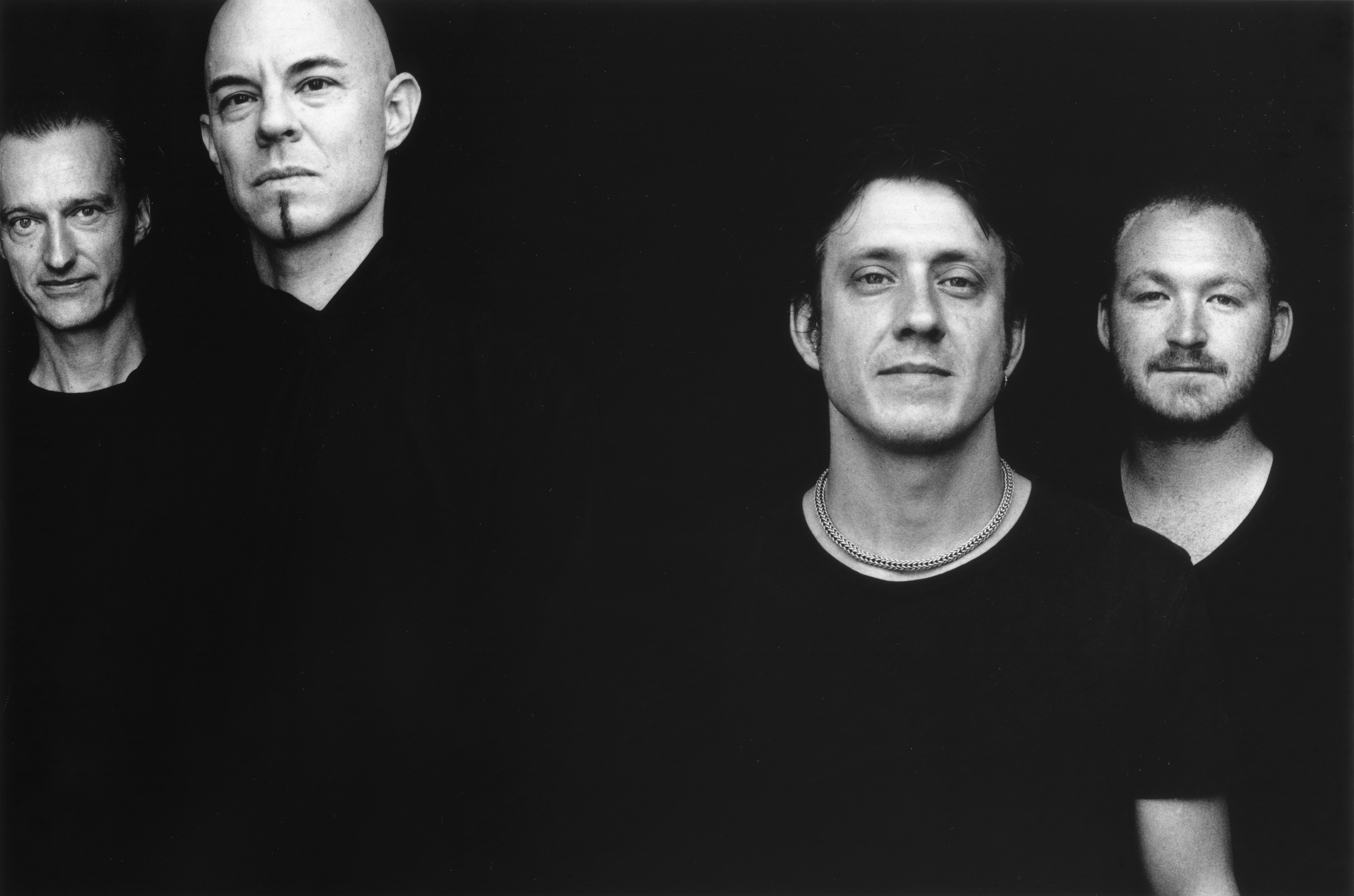
This is Ronin’s first London gig since their latest recorded-in-concert ECM release simply entitled “LIVE”. New to this Swiss quartet, I had heard them described in terms such as ‘zen, meditative, minimalist and hypnotic’, and am hence expecting to quietly relax in my seat and possibly drift off into some pleasant la-la-land reverie. Fat chance.

Then comes the master’s cry

The opening number, a piece commissioned by the London Jazz Festival to celebrate their 21st edition, admittedly sets out the minimalist framework from which many of Nik Baertsch’s compositions emerge: a small sequence of notes played out repeatedly until an almost humming, vibrational plateau is reached. Then comes the shout – akin to a quantum leap – the master’s cry which signals the change in direction, and it’s never the direction you’re expecting. Enter the spikey-edged groove that creates an exciting synergie among the four musicians as the humming vibration is maintained but layered and combined with idiosyncratic funk-jazz rhythms. At once I understand the beguiling statement featured on the band’s press page: “creating the maximum effect by minimal means”. This is music that makes space within a limited space, yet manages to sound intense and massive. “From self-imposed restriction stems freedom” explains Nik on his website.

In between anything can happen
©Martin Moell
©Martin Moell

The twists and turns inside the strict aesthetic infrastructure are varied, unexpected and occasionally brutal. Tracks merge in and out of one another with liquid low-key starts and scary built-up endings; in between anything can happen. Just as you begin to think you’ve seized the pattern – bang! – here comes a sharp corner ushering in a brisk tempo change, a pregnant pause, an unexpected motive, an anti-pattern or perhaps just a slight percusiive tap on the inside of the piano. The yin and yang of tension and release are constant key elements, (brilliantly exemplified by a loud, almost orgasmic, gasp from an audience member during an unusually abrupt stop mid-flow in track 5). To quote a You Tube comment “It goes right in the body. Ronin can sometimes feel like a drug”, no snoozing on this risky rollercoaster, Nik himself describes his musical thinking as “ecstasy through asceticism”.

What’s clear though is that Nik is having fun…

A big engaging smile encourages the interlocking rhythms between him and his band members. There’s a lot of playfulness going on in the groove habitat despite the apparent strict code of conduct. Sha on the bass clarinet shuffles and whispers like a discreet background vocalist, yet is in fact unifying the electrical force field. Kaspar Rast on drums is raw and explosive when pushing outwards from the framework . Thomy Jordi on bass is the funk master from whom the mesmerising groove stems. This is a band that meets every Monday at 2pm in Zurich to play in a workshop environment open to all members of the public, so to assume that Ronin is a musical concept best appreciated by the brainy and pretentious is a total fallacy. Tonight’s audience is made up of novices as well as diehard fans, and both types leap to a rapturous standing ovation once released from the deliciously dramatic tension.

Nik Baertsch: piano, Fender Rhodes

Sha: bass clarinet, alto saxophone

Thomy Jordi: bass

Kaspar Rast: drums

Nik Baertsch’s Ronin played @ The London Jazz Festival (Kings Place), 23rd November 2013.

Elina Duni Quartet @ the London Jazz Festival

BaO_DuniYou physically feel the power of Elina’s cry
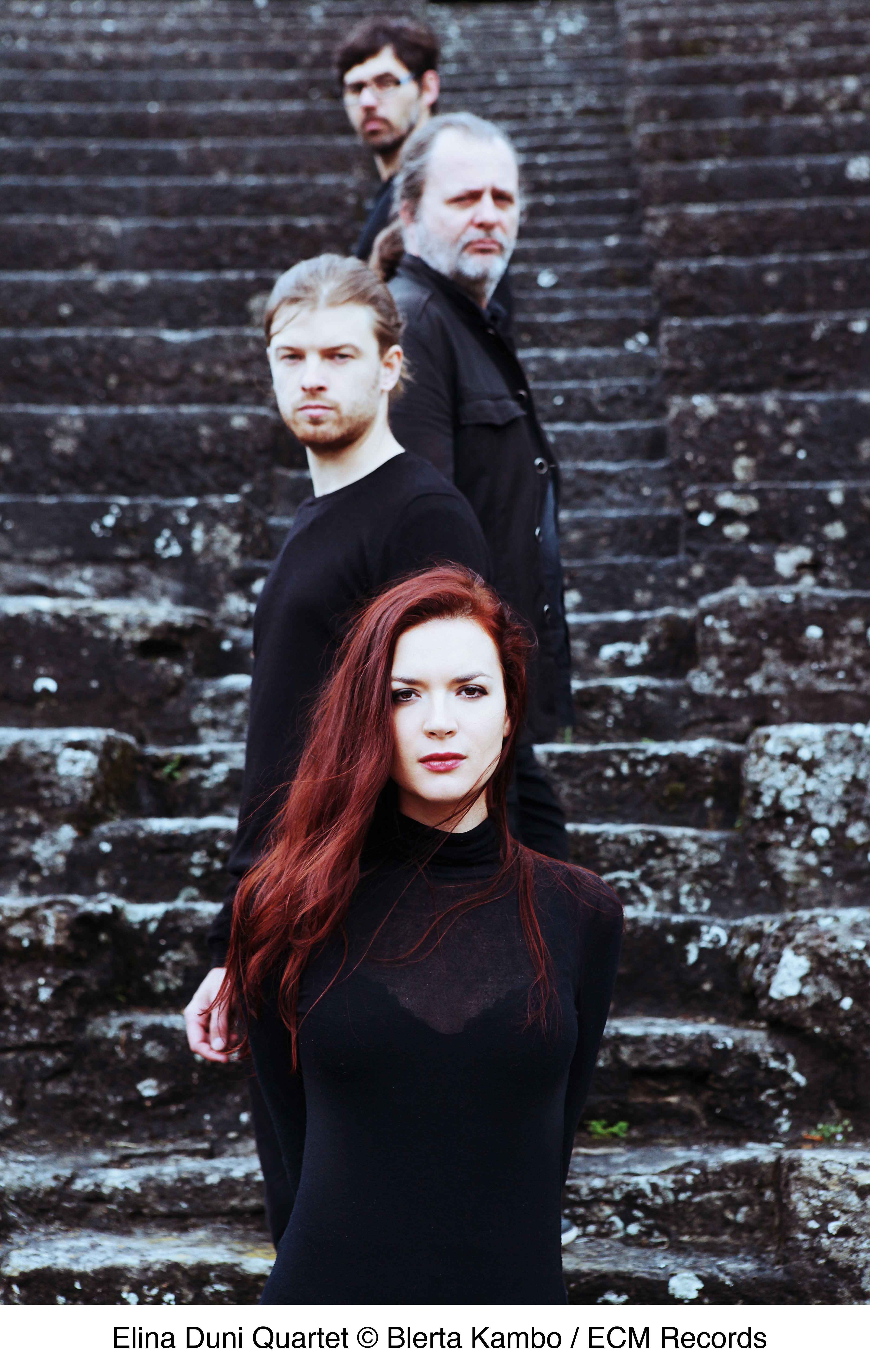
Elina Duni is a storyteller and from the moment her first ever London concert began she unapologetically took us, barefoot, from the Queen Elizabeth Hall into the forests and mountains of Eastern Europe. And into a culture of stirring tales of family bonds, passionate love, loss and longing. You physically feel the power of Elina’s cry, the emotional quivering of the Balkan vibrato and resonance of the words (even though most of us didn’t know the language) and along with her quartet she held the audience rapt

“The magical part is what’s happening between us, our interplay”

Elina’s lifeblood is both the folk music of her birthplace, Albania, and improvised music. “The magical part is what’s happening between us, our interplay,” she explained to me and over the nine years they’ve played together they’ve evolved ways to hold Elina’s stories (two were traditional songs passed to her by grandparents) without crushing them under the weight of jazz improv or, more to the point, not being eclipsed by them and Elina’s charisma. In The Girl of the Waves Elina’s ethereal vocal sounded as if it was floating on the wind, being carried to the bird that the girl is questioning about her missing lover. Colin Vallon’s piano felt like the bird’s reply, sweet yet with edgy minor keys to hint at tragedy.

“The earth beneath us”

Elina Duni_PF2I have to admit I was entranced by Colin’s imagination; he is a potent voice and I want to check his own trio now. At times he played with such melancholy it broke my heart, then in a moment, flashed his anger or became cold, like ice cubes dropping into Elina’s blood-red cocktail, cracking and clinking, changing the temperature. He used various techniques to physically alter the piano, deadening the resonance or twisting the keys into cimbalom-like notes, revealing a Balkan soul whilst never breaking the spiritual thread of jazz.
The drumming of Norbert Pfammatter was sensitive and swinging. He made every beat count and at a pace that clearly said, ‘I’m taking my time, got a problem with that?’ He used bundles of thin sticks to create an effect between brushing and drumming and exuded a yin quality: soft but dark, tapping out a funereal rhythm or taking us into a tribal trance. The double bass of Patrice Moret stayed warm and solid, ‘The earth beneath us,’ as Elina described it.

Albanian blues

A rendition of Nënë Moj, a son sorrowfully telling his mother he must leave to his homeland to work, was a highlight. Elina described it as Albanian blues and it’s the flavour of the quartet’s next album. If it’s half as thrilling as their performance it will blow your socks off. I did want to hear a wider range of sounds and ideas but admittedly it was a short set. I think it will be vital for the quartet to establish the breadth of their creativity in the future. After the gig finished, I heard a woman behind me say, “You can feel the root, the tradition and that’s what she is.” I would add that Elina is genuine, humble and only at the start of exploring her full compelling potential.


Elina Duni played @The London Jazz Festival (Southbank), 19 November, 2013.

Next concerts:

23.11. 2013, München (DE), Unterfarht
06.12. 2013 Fribourg, La Spirale (Elina Duni & Bessa Myftiu, lecture-chant)
25.12. 2013 Bern (CH), Bee-Flat, Elina Duni & Colin Vallon
05.01.2014 Toulouse (FR), salle Nougaro
16.01.2014 Paris-Pantin (FR), Festival Banlieues Bleues, la Dynamo
17.01.2014 Auray (FR), Centre Culturel Athena

Reverend Beat-Man @London, Buffalo Bar

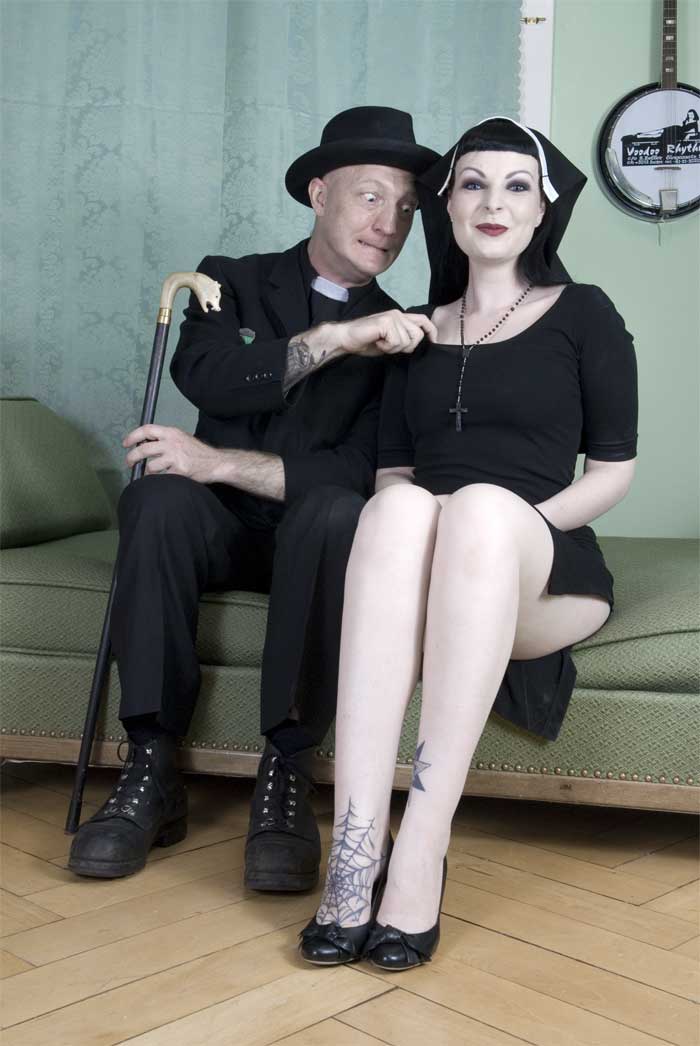
REVEREND-NUN2One guitar („Fifty bucks.“), one amplifier („fifty bucks.“), one speaker („fifty bucks.“), and one bass drum („from the trash.“) is all that Beat Zeller, aka the Reverend Beat-Man, has ever needed to travel the world. And travelled the world he has! Starting off a quarter of a century ago from Berne he has been highly resourceful in plugging his mad, bad and extremely entertaining brand of Rockabilly into an international network of likeminded folks, and building up a global roster of artists for his fabulous Voodoo Rhythm Records label in the process.
Live, the genial Reverend turns into a berserk monster

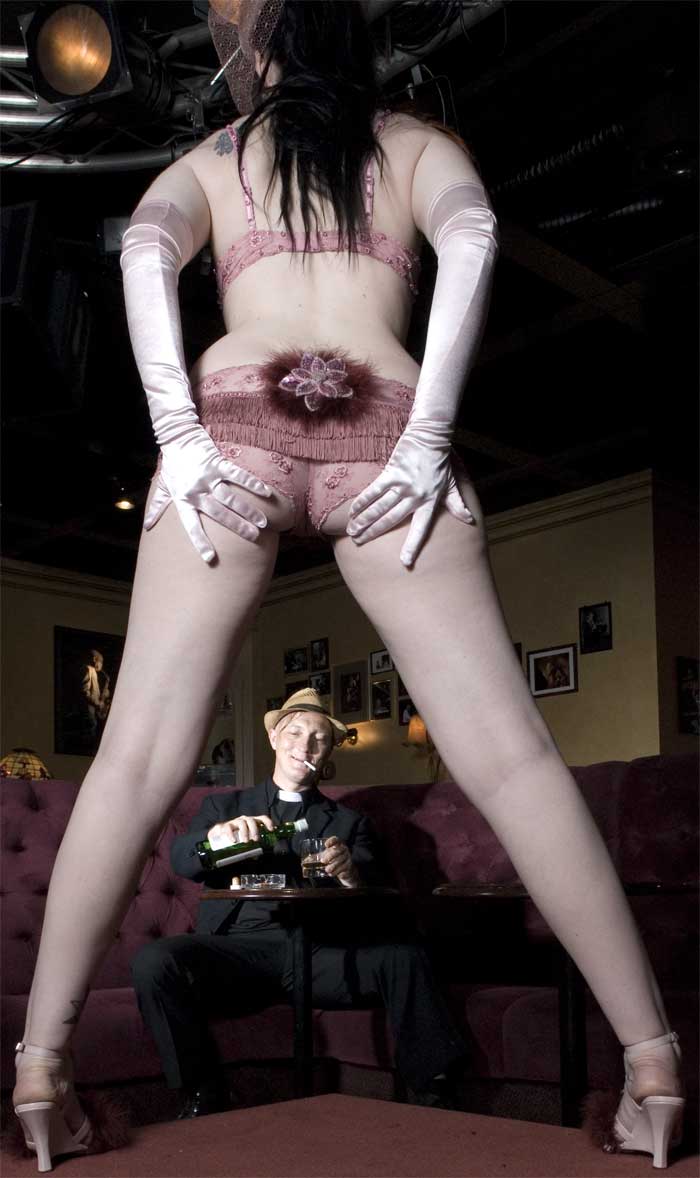
REVEREND-LEG1He delivers  his absurdist multi-sexual lyrics in a primordial howl that is part animal lust, post-coital sorrow, and part comedy. Driving himself forward with an incessantly rattling bass drum and occasionally permitting himself a Dylanesque wail on the harmonica, he is a truly unique performer. In this rivetting performance in front of a sizeable and highly appreciative crowd in one of the most enjoyable small venues in London he manages to burn not one but two amplifiers in one performance. Ace!
 

Reverend Beat-Man played London, Buffalo Bar, Sunday, 17 November 2013

Samuel Blaser: Trombone Man

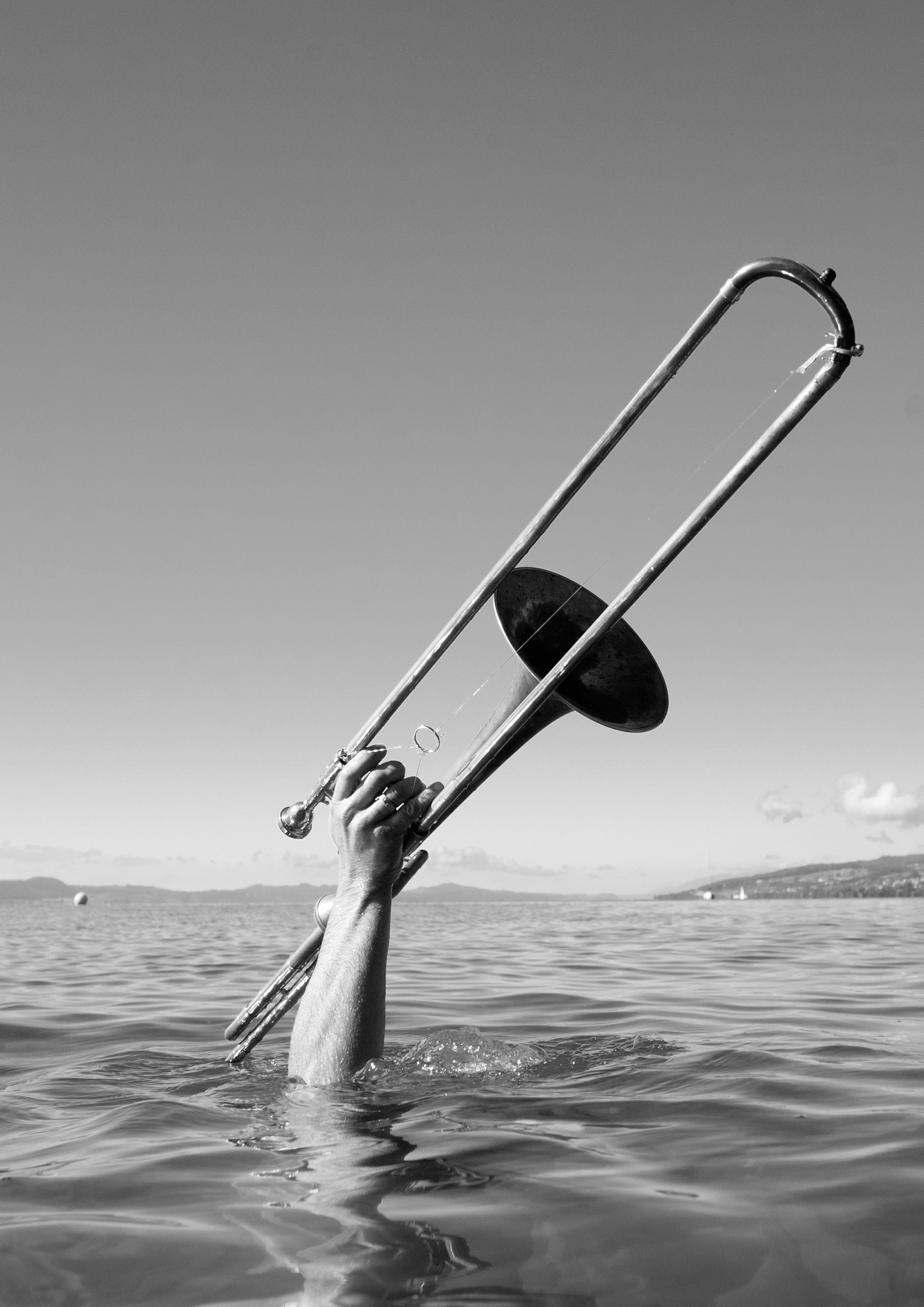
SamuelBlaserLacPosterSamuel Blaser doesn’t mess around. The 32 year old formed the Samuel Blaser Trio with Marc Ducret and Peter Bruun six months ago and they’re already on their third tour touching down at the Festival Jazz Onze+ in Lausanne, London Jazz Festival and playing Poland and Italy in the next couple of months.

You need Sherlock Holmes to deduce which bands he was, is, or will be, performing in

In the last few months he’s toured as a duo with Ducret in Brazil (“There is an opening market there,” he says, due to the SESC cultural centres), released a CD with Consort in Motion, the international outfit that included revered drummer Paul Motion until his death in 2011 and has been to Japan with his new solo venture, “It’s like a marathon for trombone,” he tells me of the hour-long performances.

“A lot of time I don’t like the way the trombone is played…

When I ask him how he keeps his ‘creative well’ topped up, with so many projects on the go, he looks at me questioningly, “I don’t feel like I need to be inspired.” He just listens to music every day, “Yesterday I listened to…Burning Spear, Dennis Bovell [with whom Samuel also plays] then some Polish pop, and today Maria Callas, Beethoven and Joe Henderson, all kinds of music, yeah.” And it was Vinco Globokar and Berlioz that originally fired his love of trombone, “Those guys really pushed the boundaries of the instrument and that was really inspiring.” He moved into jazz through his mum’s love of the music but says, “A lot of time I don’t like the way the trombone is played…I try to keep the natural way of the trombone to express myself and to have new extended techniques.”

He refesamuelblaser3rs to his trombone as ‘her’

It’s a true romance (he refers to his trombone as ‘her’) that began after seeing marching bands when he was two years old. He couldn’t say the word, ‘trombone’, so tried to make a sliding movement to his parents then held onto his dream until he was nine when his arms were (almost) long enough to play. He progressed rapidly at the local conservatory in La Chaux-de-Fonds, winning awards, praise and a Fullbright scholarship to study in America.

“Maybe if I call myself ‘Trombone Chubby’…”

It’s when I ask whether he has to ‘compose to order’ that he remembers the tribute to Jimmy Giuffre he’s recording next year with, due to his own suggestion to Fortune Records, Ravi Coltrane. “I don’t like to record an album only with material written by someone else. I need to add my touch so that I feel it is mine,” Blaser comments. Last month saw the release of a recording made with Benoît Delbecq and Who Trio’s Gerry Hemingway that charted in Billboard’s top 50 jazz albums. “Maybe if I call myself Trombone Chubby…” he quips with reference to Trombone Shorty’s chart success.

He keeps his spirit light

It’s not all fast and plain sailing as Blaser explains, “I still cannot really break through into France and I’ve been playing with French musicians since 2002.” He also has to find a label for a solo recording made with ‘sound designer’ Martin Ruch in various rooms of the ex-DDR radio station in Berlin. He knows it’s not an easy sell, but says it with his ever-optimistic smile. It’s the Blaser secret: he doesn’t spend time on things that don’t work or he doesn’t like to do (a good manager helps) and he keeps his spirit light. While he has a smile on his face, a shiny trombone in his hands and a song in his heart, I’m sure Blaser will maintain this incredible workload and find out who he really is as a musician.

Samuel Blaser is playing London Jazz Festival (Oto Café), the 17th of November.

“What we saw and experienced in the United States was very inspiring”

BOY_Benedikt Schnermann

Valeska Steiner, the singer of Boy, shared her thoughts with Swissvibes on the band’s recent US.

You just finished touring the US. What were the highlights?

The whole tour was very special to us. It was the first time we toured the US with the whole band. The show at Webster Hall in New York was something extraordinary for us, as it is always special to play in New York. We were very nervous and excited at the same time. People were so nice to us and the atmosphere was great. We were on tour for 4 weeks. We played in big cities and in smaller ones. We sometimes had quieter crowds and sometimes very excited ones. Both experiences were nice. New York was a great crowd, but we also had special shows in Washington DC and in Portland. It was a smaller venue and a very intimate show. We are always very surprised we hear people sing along with us. It’s really fun.

[vimeo http://vimeo.com/79137240]

In New York, quite a few Swiss expats came to see the show. Did you have other “Swiss” crowds during the tour?

We had some Swiss people, but there were more Germans. You can also notice the Germans in the crowd as they make themselves noticed. The Swiss people are quieter. I am the only Swiss member of the band. And we have a big following in Germany.

Did you get a chance to meet US bands during the tour?

Not really. Life on tour can be pretty insulated. You spend a lot of time in your tour bus, going from one city to another. You often don’t see much of the city as you go straight to the club, where you play. But we had Jeremy Messersmith open for us.

You also had a good exposure in the media…

Yes, in Philadelphia, we played at World Cafe (ndlr, the cutting-edge rock show on NPR, the American Public Radio). We also played on KCRW (ndlr, Famous underground rock radio station in Los Angeles) . It was really nice and we got 45 minutes of air time.

You played in some of the best venues in the US, including on a Friday night at Webster Hall in New York. How did that happen?

We have a great booking agency, High Road Touring. We were really impressed with the venues they booked for us.

You drove through the whole United States. How was this experience?

It was beautiful. Denver was one of the highlights of trip. We had a day off and our bus driver drove us to Garden of the Gods in Colorado Springs. He always wanted to go there and we were really happy to discover this incredible place.

Did you get a chance to write some new music while you were in the US?

We are not a band that writes on the bus. But what we saw and experienced in the United States was very inspiring. Hopefully all this will turn into songs. The show in San Diego was the last show of the tour but also of the album. We have been touring for 2 1/2 years. We are looking forward to spending some time at home and recording our new album.

For more info:

Boy’s website

Boy’s Facebook page

Who Trio @Festival Jazz Onze+

Who Trio_HemingwayWhen I hear a band like Who Trio, I feel I need to get out from under my rock and listen to a lot more Swiss-based music. Playing together since 1995, they thrilled Lausanne’s Jazz Onze+ Festival last week with highlights such as drummer Gerry Hemingway losing himself in a cave of pounding beats that never hit us like falling rocks but swung with such power and groove we could hardly stay in our seats. But I’m getting ahead of myself – a key to imagining their performance is to know how they looked.
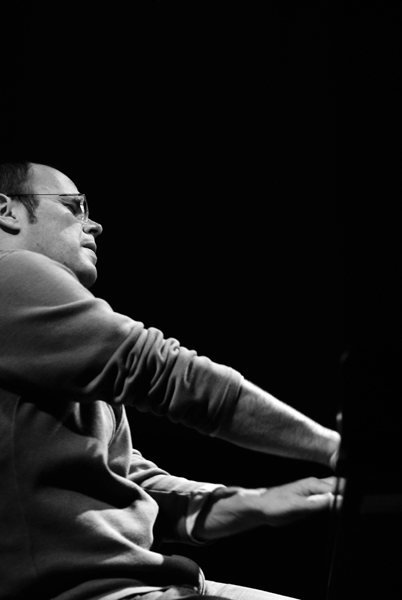
Three toddlers, who are black belts in music improvisation

Who Trio_WintschPut simply, three toddlers. Who are black belts in music improvisation. The way they played, stroked, tweaked, plucked and beat the living daylights out of their instruments, was as creatively done as it could be. Michel Wintsch was often hunched over the piano like Schroeder from Charlie Brown as if to control his delicate touch, or plucking strings under the hood of the piano like a car mechanic. Gerry also used physicality to direct energy into his drum kit, emphasizing beats be they furious or almost inaudible. He’d throw his head back and release vocally, serving us with scraps of a monologue; mutterings of the crazy guy who loiters on a street corner. Inventive sounds and ideas were continually mushrooming from this trio.
animalistic whines, walking bass, scratches…

Who Trio_Oester

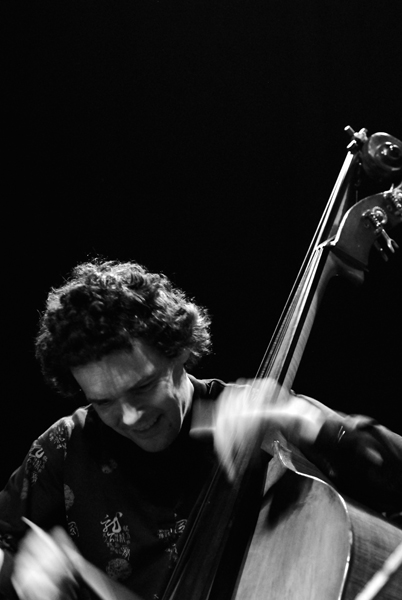
Whatever Baenz Oester created with his double bass there was clarity and conviction: animalistic whines, walking bass, scratches, deep twangs and a series of Bach-like notes that I found particularly moving. It was the trio’s emotion and revealing of vulnerability that stood their performance apart and gave it resonance. Michel’s work as a film and theatre composer showed itself in glimmers of exquisite melodies and perfectly imagined chords that were authoritative yet melancholic.

It is a feat to improvise a full set without pausing but I wanted breaks in the music so we, the audience, could express and release our responses and also so the trio had a chance to start a piece, afresh. There was a tendency to build the tension, bring it down, then re-build the sound and this became a little predictable as a landscape. However, the music never was and the view was continually riveting. I can’t wait to hear more.


[youtube=http://www.youtube.com/watch?v=F9HcCDFW8oI]