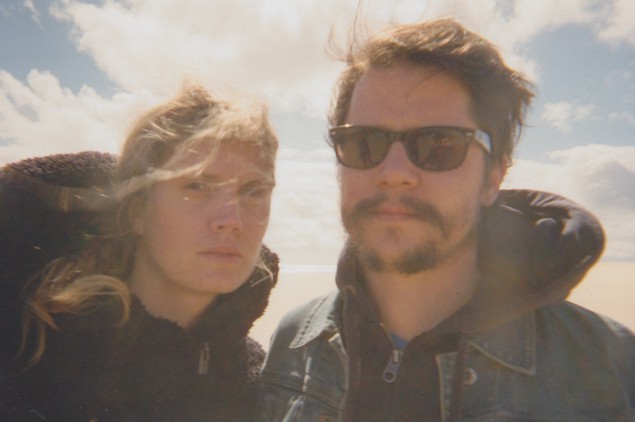
Les riffs et les tripes, l’amour et l’insolence, les beats et les claques : longtemps, Peter Kernel s’est forgé sur ses instincts primaires. Ceux qui faisaient tournoyer une Barbara Lehnoff possédée sur une basse délaissée et un Aris Bassetti sombre sur sa guitare frénétique. Une incandescence de l’instant, qui brillait surtout sur scène (voir la chronique d’un de leur passage au Point Ephémère), quand le couple réinventait la danse des sens, sur les rythmes enragés de leur batteur Ema Mathis. Frissons fugaces, donc : l’émotion s’envole, les cris restent. Avec leur troisième album, le bien nommé « Thrill Addict » (accro au frisson, en VF), Peter Kernel voit encore plus loin : l’étincelle a allumé un foyer plus stable, prêt à scintiller longtemps dans l’espace (l’un des thèmes principaux de ce disque, justement).
« Tout ira bien, on a un plan et du temps » susurre Barbara, en guise de programme sur la ballade quasi cold wave « It’s Gonna be Great ». Et le plan, c’est de canaliser ces pulsions primitives du rock abrasif. Juste un exemple : Barbara la prêtresse hurleuse (« High Fever ») peut se faire douce – et à ce moment là, sur « Supernatural Powers », c’est la batterie qui déploie toute sa charge sonore. Mais surtout, le feu sacré de la guitare d’Aris Bassetti enflamme désormais toute la palette du rock, tour à tour garage post MC 5 (« You’re Flawless »), ensorceleuse comme chez Mogwai (« Your Party Suck », « Tears don’t fall in space »), décomplexée et tribale comme chez Sonic Youth (« Majestic Faya »)… La comparaison, facile, évidente, avec leurs grands aînés s’impose, encore plus que d’habitude, car « Thrill Addict », rock trip mené tambour battant et saut qualitatif important dans leur discographie, pourrait bien être leur « Daydream Nation » : le grand référent rock des années 2010, où les guitares s’envolent, mais l’émotion reste.
Barbara Lehnoff et Aris Bassetti vont défendre leur album dans une longue tournée en France et en Suisse :
23/01 La Souris Verte – Epinal 24/01 Radio Z Winter Festival – Nürnberg
27/01 Showcase DRS Virus – Zürich
28/01 Studio 2 RSI – Lugano
30/01 MJC Picaud – Cannes 12/02 Le Tétris – Le Havre 13/02 L’Astrolabe – Orléans 14/02 Le Confort Moderne – Poitiers 19/02 La Centrifugeuse – Pau 20/02 MJC John Lennon – Limoges 21/02 Le Spot – Nimes 25/02 Le Point Ephemere – Paris 26/02 Pôle Etudiant – Nantes 04/03 Le Bourg – Lausanne 05/03 La Gravière – Genève 20/03 Les Cuizines – Chelles 27/03 Bad Bonn – Düdingen
« Vous êtes là pour Blixa ? » se demande-t-on poliment au sein d’une foule compacte d’où émerge, en connaisseur, la tête du géant (au sens propre) de l’électro analogique parisienne, Arnaud Rebotini. Blixa Bargeld, donc, fait l’attraction de ce premier concert de rentrée au centre culturel suisse. Le fondateur d’Einstürzende Neubauten vient prêter sa voix caverneuse au nouveau projet de KIKu, le duo d’indus jazz romand. Mais, comme pour rester fidèle au titre de leur album, « Marcher sur la tête », Yannick Barman, à la trompette et Cyril Regamey, à la batterie, s’amusent d’emblée à brouiller les pistes. En introduisant le slammeur lausanno-new-yorkais Black Cracker et leur guitariste David Doyon, ils démarrent par une impressionnante session de hip hop noise, tandis que sur l’écran sont projetés les dandinements d’une caméra entre deux murs léprosés. Regamey, métronomique sur sa batterie électronique et Barman, toujours entre miaulements de trompettes et mélodies fugaces orchestrent l’ensemble avec toute leur science du micro silence et du groove impossible.
Quelques morceaux plus tard, après cet échauffement emballant, frémissements : « Blixa », impassible dans son costume trois pièces impeccables, débarque en fauteuil. A peine le temps d’un « Bonjour ! » tonitruant, et déjà les meilleurs morceaux de « Marcher sur la tête » s’enchaînent. Avec « Nuages », longue composition labyrinthique, KIKu tempête sur drone; sur « Belehrung », poème de Herman Hesse contée d’une voix profonde, la trompette chuinte du free jazz; sur le classique new wave des Korgis, « Everybody’s got to learn sometime », d’incongrus apartés pop font leur apparition. Parfois, Blixa lâchera un cri ou soulèvera un sourcil rageur, Régamey laissera l’impression d’être le Tony Martin du free-drone; Barman, la trompette dans la bouche, fricotera avec ses machines (la sainte trinité sampler-ipad-laptop). Mais toujours, sauf peut-être pour le final, qui, à défaut de marcher sur la tête, piétinera les tympans, toujours KIKu, Blixa et Black Cracker réussiront à rester imprévisibles.
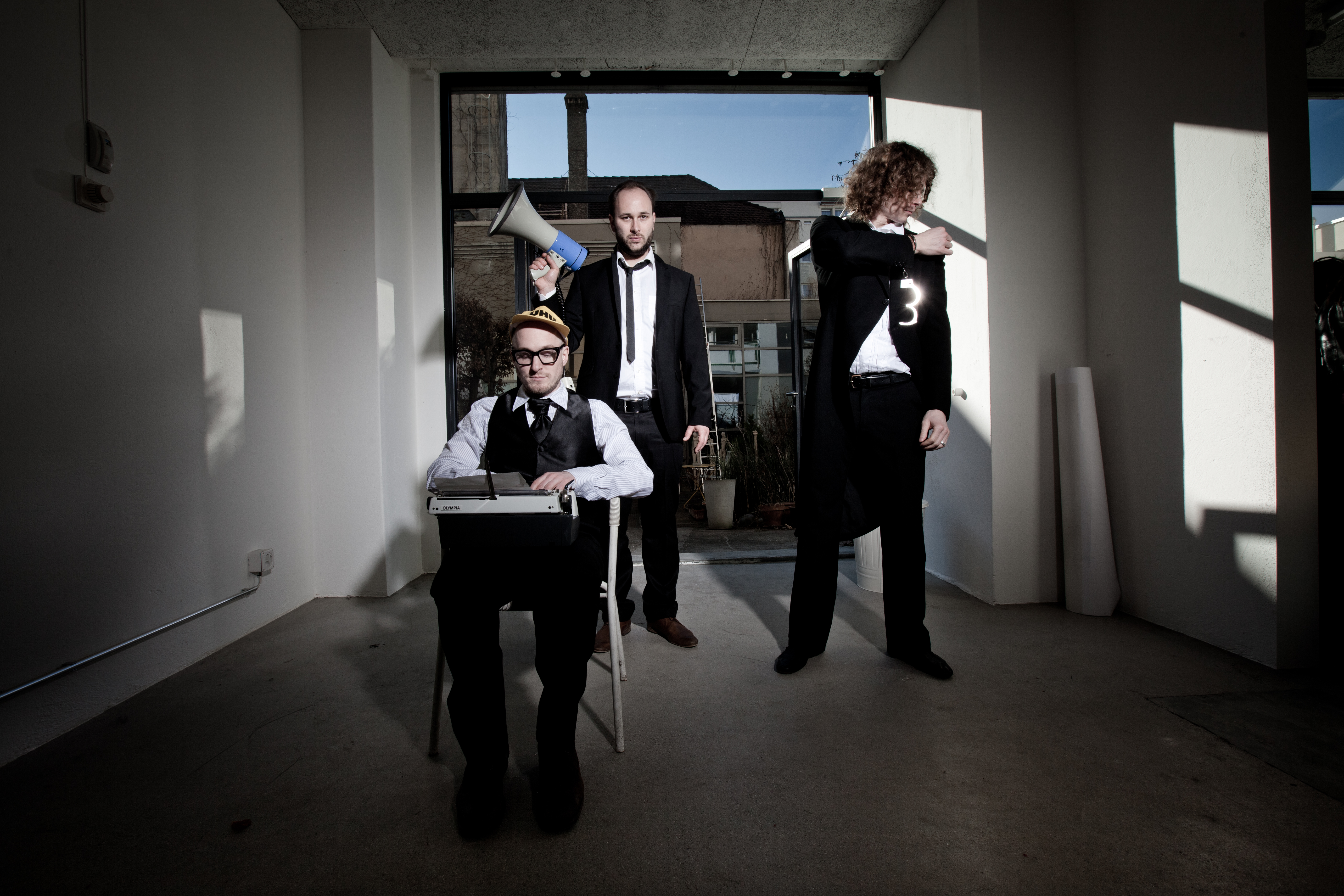
„zdravstvuyte. Mi Kaos Protokoll i mi iz Shveytsáriya. My rady igrat vrasi v pervyy raz. Spasibo Bol’shoye.“
Mittlerweile können wir diesen Begrüssungssatz den wir jeweils an unseren Konzerten brachten im Schlaf, aber was haben wir nicht dafür geübt.
Gut, es gab auch reichlich Flugstunden, die genug Zeit boten, sich mit den russischen Verhaltens -und Sprachregelen auseinander zu setzen.
Aber beginnen wir von vorne…
Heute, genau vor einem Jahr waren wir das erste Mal in Russland und der Ukraine auf Tour. Überhaupt war davor noch nie jemand von uns in dieser Gegend. Vorfreude mischte sich mit Spannung und Aufregung.
Zur Einstimmung schauten wir uns ein paar „Russian Traffic“ Filmchen auf Youtube an, um uns ein wenig auf das Russische „Verkehrs –Roulette“ vorzubereiten. Der Flugzeugabsturz einen Monat vor Tourbeginn in Kazan, demselben Flughafen, den auch wir noch benutzen sollten, liess natürlich auch uns nicht kalt und so gab es kurz vor Abflug in München für alle noch ein Gläschen Verdrängungs-Wodka.
1. Tag Moskau
Moskau war unsere erste Station in Russland. Es herrschten eisige minus 10 Grad. Wir spielten im renommierten Kozlov Club. Ein netter Laden dessen Eingang leicht übersehbar durch eine „Anne Frank – Bücherregal-Türe“ führte. Der Club war längst nicht voll, aber die Leute tanzten und kaum hatten wir den letzten Ton gespielt, standen bereits die ersten im Backstagebereich und wollten Fotos und Autogramme von uns. Wir dachten, die hätten sich wohl in der Tür geirrt. Warum wollen die nun Fotos und Autogramme von uns? Es sollte nicht unsere letzte Überraschung des russischen Publikums bleiben.
2.Tag Kaliningrad
Von Moskau ging es weiter mit dem Flieger in die russische Exklave Kaliningrad. „Dreadnought“, hiess der Club, der einem U-Boot nachempfunden wurde und einen schier endlosen Gang hatte, der uns vom Backstage bis zur Bühne führte. Das Haus war voll und die Leute noch euphorischer als zuvor in Moskau. An die obligaten Autogrammstunden und Fotosessions haben wir uns mittlerweile gewöhnt, war auch nicht all zu schwer, doch unser gesamter CD Bestand war schon fast ausverkauft und das hat uns dann doch etwas überrascht, ist doch Russland eher für den Musik Download als für die Kaufkraft bekannt.
3. Tag Arkhangelsk
Weiter ging es mit dem Flug über Moskau in den noch kälteren Norden nach Arkhangelsk, ein nettes russisches Städtchen am weissen Meer. Nachmittags angekommen, war es bereits stockdunkel, aber das ist es dort immer, zumindest im Winter, egal zu welcher Tageszeit.
Wir spielten in einem Museum, der Saal war voll, die Stimmung elektrisierend. Wir wollten soeben zur Zugabe ansetzen, da packte der Veranstalter das Mikrophon und startete zu einer grossen Rede, die unser Vorhaben sogleich wieder im Keim ersticken liess. Es schien, als würde er nun rückblickend versuchen in Worte zu fassen, was wir gespielt hatten. Und ach ja, Zugaben kennen die Russen anscheinend nicht, auch wenn sie das Konzert noch so sehr genossen haben, würden sie sich doch keines falls die Hände wund klatschen. Verlässt man die Bühne, verhallt dann auch ziemlich bald mal das klatschende Geräusch.
4.und 5. Tag St. Petersburg Airport/Cheboksary
Von Arkhangelsk ging es weiter über St- Petersburg nach Cheboksary, eine Stadt an der Wolga, östlich von Moskau.
Mit 12 Stunden Verspätung endlich dort angekommen – wir hatten unseren einzigen Off-Day mit Warten am Flughafen verbracht, weil der Pilot kurz vor dem Start bemerkt hat, dass der Reifen kaputt war – empfing uns ein junger Veranstalter, der in seiner Aufregung eine Kippe nach der anderen rauchte, (er hätte sich dem Anschein nach auch gerne drei auf einmal angesteckt.) Es stellte sich heraus, dass unser Konzert seine erste selbstorganisierte Veranstaltung war und da will man sich doch, vor allem mit einer Band aus dem Westen, keine Fehler leisten.
Auf dem Parkblatz wartete dann sein Kumpane, ein kahlgeschorener eher furchteinflössender Typ mit Daunenjacke, der uns als unser Fahrer vorgestellt wurde und wie sich später herausstellen wird, sein Geld als Transporteur der örtlichen Sexarbeiterinnen verdient, indem er die hochgestiefelten Frauen zu ihren Kunden fährt und wieder abholt.
Das Konzertlokal war dann in Bezug auf die Dekoration wohl kaum zu überbieten. Ein ländliches Disco-Flair der 90’ mit einem Backdrop, das irgendwie so aussah, wie ein Verschnitt zwischen Predator und dem Maskottchen von Iron Maiden.
Für uns war es eher ein Konzert zum vergessen, aber den Leuten schien es gefallen zu haben. Ein späterer Bericht von diesem Abend im russischen Rolling Stone Magazin, fand jeweils nur lobende Worte.
6. Tag Yekaterinburg
Von Cheboksary ging es weiter zum Flughafen Kazan nach Yekaterinburg, die Stadt in der Zar Nikolaus II. der russischen Revolution zum Opfer fiel.
Dort angekommen erwartete uns ein junger Kasachischer Typ mit einem Kopfhörer im Ohr und dem Handy in der Hand, dessen Lockerheit so demonstrativ war, dass uns jede unserer Bewegungen schon total verkrampft vorkommen musste. Den Kopfhörer hatte er dann auch den ganzen Abend im Ohr und man wusste nie genau, ob er mit dir spricht, oder jemanden in der Leitung hat. Im „Everjazz Club“, ein gediegener Jazz-Laden mit langer Tradition begrüssten uns dann die beiden Veranstalterinnen, deren Charme unsere erkalteten Körpertemperaturen sofort wieder in die Höhe schnellen liess.
Während wir unser Abendessen genossen, spielte zuerst der lokal Matador mit seiner Jazzband gelangweilt ein paar Standarts, was uns eher befremdend vorkam, vor allem in der Vorstellung, wie wir wohl in Kürze mit unserem „Kaos“ ähnlich einer Dampfwalze die kitschig – träumerische Stimmung platt walzen werden.
Lustigerweise sorgte gerade an diesem Abend das Publikum wieder für eine unerwartete Überraschung. Wir verbeugten uns, die Leute klatschten frenetisch und brachen wiederum abrupt ab, als wir von der Bühne traten. Eine Zugabe schien uns eher aufgezwungen, als erwünscht zu sein. Komischerweise – es waren bestimmt bereits 10 Minuten vergangen – schienen die Leute immer noch auf etwas zu warten und erst als die Veranstalterin uns nochmals lieb bat, doch noch ein 1-2 Stücke zu spielen, wurde uns klar, warum.
7. Tag Dubna
Von Yekaterinburg ging es weiter zu einem Festival in Dubna, eine kleine Stadt in der Nähe von Moskau. Dass dieser Gig überhaupt noch stattfand, war eigentlich den Umständen entsprechend kaum mehr zu denken. Es fing schon in Yekaterinburg an, als unser lieber Kasache – es war der Tag, als die olympische Fackel auf ihrer Reise gerade Halt in der Stadt machte – vor lauter Lockerheit uns mal schön den Flieger verpassen liess. „Shit happens!“ meinte er lakonisch dazu, während wir ihn am liebsten in Stücke zerrissen hätten. 3 std. später doch noch in Moskau angekommen, folgte darauf eine ca. 2 Stündige Autofahrt nach Dubna, die wohl keiner mehr von uns so schnell vergessen wird. Gott sei dank heil angekommen, konnten wir doch noch als letzte Band des Festivals die örtliche Bibliothek beschallen. Nach 6 Konzerten, 10 Flügen und durchschnittlich 4 Std. Schlaf, neigte sich unsere Tour langsam dem Ende zu.
8. Tag Lviv
Ein letzter Gig in Lviv im westlichen Teil der Ukraine bevor es über Warschau wieder zurück in die Schweiz gehen soll. „JazzBez“ hiess das Festival und es sollte uns vor Staunen beinahe zu Salzsäulen erstarren lassen. Doch zuvor genossen wir noch ein paar Stunden in der wunderschönen Altstadt. Aus den Lautsprechern, die noch aus der Sowjetzeit in den Strassen hingen, erklang die Stimme der Ukrainischen Revolution. Im Stadtzentrum versammelte sich das Volk und demonstrierte lautstark gegen die Regierung. Es war der Anfang des später im Osten folgenden Bürgerkriegs. Beängstigend und zugleich aufregend. Man spürte förmlich die Kraft und Euphorie des Widerstands. Das Konzert fand in der städtischen Philharmonie statt, welche ein Fassungsvermögen von ca. 800 Plätzen bot. Blöd nur wenn die halb leer sein sollte, dachten wir, während wir uns für den Soundcheck installierten. Als wir später zum Konzert auf die Bühne traten, konnten wir unseren Augen kaum trauen. Der Saal war restlos ausverkauft und wir spielten wohl eines unserer besten Konzerte. Es war ein wunderschöner Abend und ein fantastischer Tourabschluss. Und hätten wir dann keine Zugabe mehr gespielt, sie hätten es uns wohl nie verziehen.
Singer-songwriter Prisk Zemp, otherwise known as Heidi Happy, is a delightful exponent of today’s Swiss indie music scene, delivering a fresh, cheeky, homemade lo-fi folk/pop with an electronic edge. Her ethereal voice is seductively irresistable and has been entrancing audiences in and around Switzerland for the past 10 years. Her latest LP, Golden Heart (Silent Mode/ Irascible), is a creative project of 14 compact songs that float by like a breeze, each full of deep, beautiful melodies as well as a hint of melancholy and “sonic heartbreak”. The album’s received very warm reviews, has sold out and is currently being re-pressed.
Is the name ‘Heidi Happy’ some kind of strategic Swiss marketing trick?
Heidi Happy Funnily enough no, though I did love the Heidi stories as a kid. It was more a question of visual design because my first ever solo live performance was at a party of some graphic designer friends who wanted my stage name to look good on their flyers. There were many to choose from but they decided that Heidi Happy had a nice symmetry to it.
You’re from a small village outside Lucerne, what kind of music did you grow up listening to?
Heidi Happy Everyone is musical in my family: my father is a choir singer, my mother is a classically trained soprano, all my siblings play instruments, music was always happening in the house. As a teenager I loved everything soulful like Aretha Franklin and the funky jazz sound of Jamiroquai and Incognito. My first group was a funk band, I sang, wrote the lyrics and arranged the horn section. During my exchange year in America at 17, I discovered Jimi Hendrix and got into a dirtier, rockier sound which I still appreciate now. In recent years I’ve been very inspired by singers like Feist and Wallis Bird, at home I usually listen to old vinyl records with big voices and orchestra, like Lee Hazlewood or Nina Simone.
How did your career take off?
Heidi Happy I recorded my first CD with the funk band in 1998. Then in 2003 a producer asked me to do an album with him based on my own material. I learnt a lot about what I can/can’t do, what I really want to do and what I’m best suited to. I did so many things on that record that I’m still deeply ashamed of that I decided to not let others convince me to do things (like rapping!) if I’m not sure about it myself. It helped me to listen to my heart and trust my intuition and hence, I have produced all my subsequent LPs. I’ve been lucky to receive some funding from the city and canton of Lucerne which has allowed me to do my own thing. After having released my records on labels like Little Jig and Two Gentlemen, I set up my own label Silent Mode in 2012 on which I have released my records abroad (often in collaboration with other labels and promotors) and in Switzerland.
You’ve been described as “one of the most influential Swiss voices of the moment”. How would you describe your sound/your voice?
Heidi Happy I had a distinctive folk/pop sound at the start that was rather safe and constructed, but now that I’ve branched out into electronic music things feel freer, more open to surprises. My voice is very precious to me after surgery to remove a polyp on my vocal chords in 2001. The operation has given it a slightly more crackly tone, but I’ve learnt to like it and appreciate it more. I always take care of it nowadays and warm up before going on stage.
You are quite a multi-instrumentalist powerhouse on stage.
Heidi Happy Each tour is different. I’ve had duo shows where I sang, played guitars, drums, melodica, piano, glockenspiel and used a loop station, or shows with an entire symphonic orchestra where I just sang and played the guitar. It all depends on the songs, location, audience and financial possibilities. Right now I usually perform with my four-piece band or solo with my loop station, guitars, glockenspiel and a synthesizer.
How is Heidi Happy received abroad?
Heidi Happy I’ve played the most abroad shows in Germany, Holland, Canada, England and in Russia. People abroad seem to really appreciate our music – we get very enthusiastic feedback. Radio stations in France, Germany, Austria and USA have put my songs on their playlist. Thanks to my collaboration with Yello, some people know me without me ever having played there. We’ve just been on an Austria tour with Clara Lucia, an Austrian singer very similar in style to me. We’ve been friends for a few years and it was a wonderful, perfectly matched tour.
What are you working on at the moment?
Heidi Happy I’m currently writing some film music which has always been a big love of mine. I’m also rearranging my repertoire for a big show in spring next year where I’ll be playing in my hometown Dagmersellen with the local brass band. I’m constantly gigging, writing and looking for new distribution deals abroad to get my music heard.
Die neugierigste und furchtloseste Musik wird nicht in den Zentren dieser Welt geschaffen, sondern stammt aus den Provinzen. Das ist auch in der Schweiz nicht anders. Ein Beispiel ist Cédric Streuli aus Leysin, der unters einem Alias Buvette im Sommer sein bereits drittes Album «The Never Ending Celebration» veröffentlicht hat. Erschienen auf dem französischen Label Pan European Recordings, geht Buvette den Weg, der vom grellen, enorm lustigen und unterhaltsamen Pop seiner Anfangstage wegführt, weiter. Ein Weg, den er bereits auf seiner zweiten, in sich gekehrteren Platte «Palapa Lupita» eingeschlagen hatte – wie auch auf «Airplane Friendship», das dieses Jahr mit dem «Best Swiss Video»-Award ausgezeichnet wurde.
Neu ist aber die Orientierung hin zum Song: Beispielhaft dafür steht die Single «The Never Ending Party», auf der Buvette die elektronischen Kicks und Sounds behutsam zu einem Song zusammenbaut. Ein Song, der nicht auf den schnellen Effekt zielt, sondern dank dem hell-fröhlichen Refrain lange nachhallt:
«The Never Ending Celebration» ist auch ein Album, in das man sich reintanzen kann – wie bei «The Sun Disappeared» und bei «Living in a Painting», dem späten Höhepunkt der Platte –, ehe Buvette die Gitarre auspackt und das Album mit dem spanisch gesungenen «El Nuevo Paraiso» endet. So bleibt Buvette – auch dank seinem eigenen Label Rowboat Records – einer der eigenständigsten Popforscher der Schweiz, der immer noch viel zu unbekannt ist.
As Johann walked into the hotel for our first meeting, I got Plaistow‘s music. Dressed in black, head shaved, lean – he is stripped back. There’s an aroma of smoke and an intensity quivering a hair’s breadth beneath the surface, a rapid rhythm. The albums, Citadelle and Lacrimosa, with their trance-inducing repetition, microscopic detail and Johann’s rounds of claustrophobic piano notes, feel driven by a desire for the raw and pure. It didn’t surprise me when he said in preparing for the next album (due out in April 2015) he woke at 6am, worked 8 hours at the piano, then took a bike ride in the evening…every day for a month. It could be said Johann Bourquenez is hardcore.
‘…maybe it’s better not to go too far with this’
French-born and studying jazz in Toulouse, he met drummer Cyril Bondi doing a gig in Geneva. Their connection is the cornerstone of Plaistow, you can hear it on the albums. Johann moved to a squat in Geneva (‘a big house full of crazy people’) and he played regularly with Cyril, but not seriously (‘I was partying a lot.’). Eventually they felt there was something worthwhile, ‘I said to Cyril, OK but I’m a very crazy guy so if I do a band…I will do it very seriously, very deeply, and I will expect people around me to do the same, so maybe it’s better not to go too far with this, and he said, ‘No, no, no, no, you don’t know me, if I do a band it’s going to be a mother******.’ So we decided to do it.’ That was in 2007 when they recruited, Raphaël Ortis on bass, though more recently, Vincent Ruiz on double bass.
‘You have to be physically be in the present’
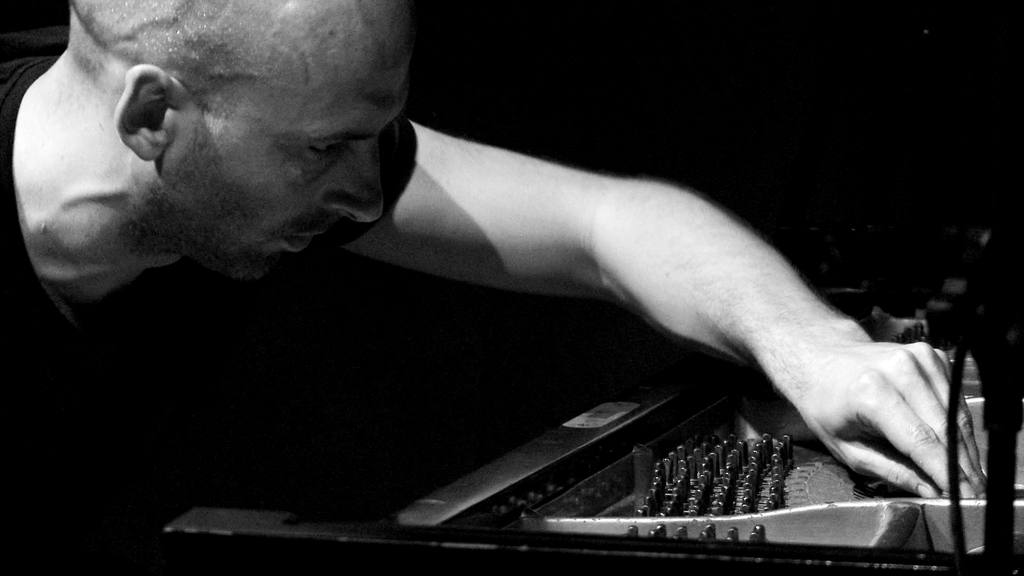
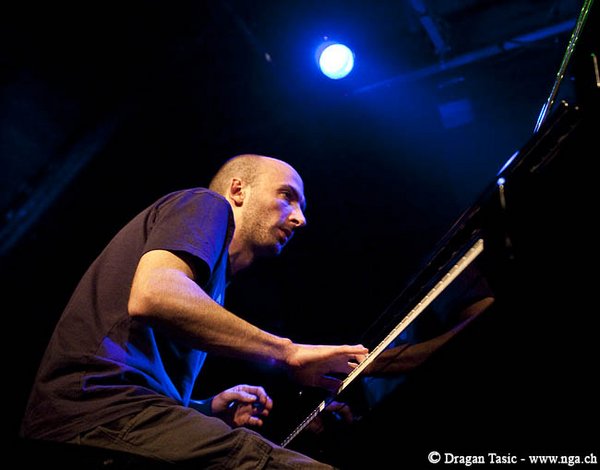
Their musical angle comes from Johann’s early years of immersing himself in drum ‘n’ bass and techno (he has currently got Rrose on rewind), using machines and synths, ‘I had many years of this kind of experimentation with electronics…and computer noise stuff.’ At one gig, pre-Plaistow, fed up of lugging equipment around, Johann decided to play acoustic piano – opening it up to use the strings to create a more powerful sound. ‘I can play this piano the way I played all those machines, but I found the significance of every move I make is very important , if I don’t move there is nothing, if I do a very small thing it is very meaningful…The movement – that is very important…you have to be physically be in the present. So, I said with Plaistow let’s pretend we are just a jazz trio but we actually are filled with techno and noise walls…let’s make that music but with acoustic instruments.’
To take these ideas further the art and animations of Nicolas Berger will be integral to the new album. Johann understands that visuals [on a cinema-sized screen] can divert attention from the music so they need to be justified by making the performance an immersive experience. ‘It’s an old fantasy of mine, I would like to have a two hour concert the way you would do with a DJ set – I will take your brain, trust me, and then I give it back to you at the end.’ This best sums up Plaistow’s raison d’être, it reminds me of the theatre of Artaud or Stravinky’s Rite of Spring – primal yet with a care for the concept of ceremony, event, people.
In fact Johann’s next project is the Great Noise Choral which will debut in December. It will feature, ’20 to 30 people only using voice and making some noise’. I’m certain it will be something pretty hardcore.
Plaistow live @ London, Pizza Express, 20 November (London Jazz Festival) Liepaja (Latvia), Hiks Hall, 27 nov Cesis (Latvia), Vidzeme Concert Hall, 28 novembre Daugavpils (Latvia), Mark Rothko Art Center, 29 novembre
The Great Noise Choral at AMR Jazz Club in Geneva, 19 & 20 December
2014 has been a good year for Marc Perrenoud and his trio of Cyril Regamey on drums and Marco Müller on double bass. They’ve toured China, Taiwan, Europe and are off to the US this month to play five cities and cover about 20,000 kilometres of American soil.
The gigs have followed their well-received third album, Vestry Lamento (released October 2013-April ’14). Frank Alkyer of Downbeat magazine crucially wrote, ‘Would someone please book this band for a tour of the States? We want to see them live!’
I spoke to Marc Perrenoud about his feelings on the eve of the trio’s US tour.
Marc Perrenoud I’m very excited. US people are very open, I’m not nervous, I just feel pleasure to go there…Playing in New York is always a big thing, but I am very excited to discover New Orleans, it must be an incredible place…and it’s the birthplace of jazz. There’s so much music there and I’m really looking forward to that, to ‘feeling’ Louisiana.
Sometimes it can be hard to be from a little country but sometimes it makes you more curious…you have to be because we have to leave Switzerland and that’s very stimulating. I am very honoured that these guys invited me, a Swiss guy, to play jazz there – it’s crazy. It’s so cool.
Do you think Vestry Lamento was particularly suitable for US audiences?
Marc Perrenoud There is a very big difference between Two Churches [his previous album] and this one. I was a little bit, not bored, but tired of the top, classical jazz, European style…so I tried to think about what I love about this music – and that is American jazz from the ’60s and even earlier. I tried to put some musical ideas like the energy and the swing style into this CD but with my European culture too, to make a mix of these two cultures.
In this album I was more confident in my partners. I was a control freak before, so I had an idea and would be like – you have to play that and that. Now the ideas are more precise and I can give more liberty to the musicians…It gave more pleasure and more energy to the drummer and bass-player and they had more fun playing because their ideas are in there too. It really grew together.
When will you work on a new album and what direction will it take?
Marc Perrenoud When we finish the US tour we are working for the month of December on the new repertoire and the new trio CD for 2015. I think recording will take place in February or March. After the US we’ll be full of ideas, I think it will be a good moment to write new things. We had a very exciting year, but it will be good to calm down and write.
The direction: you can never say exactly what it is, but I am sure about the manner with which to work and write together with the trio – it will be the same way and same kind of energy as with Vestry Lamento.
With the new album I will try to have a longer release time to focus on a new country every month with good PR. It’s good to have big festivals [to play] but it’s always important to meet people in smaller clubs. At Ronnie Scott’s we jammed til 3.30am…it was nice to meet the London jazz scene and have a real bebop jam session. Then I went straight to the Gatwick Express at 5am [to get to the airport – proper jazz stylee].
What have you found inspiring recently?
Marc Perrenoud I try to often go to concerts but also to theatre – I saw a very good theatre piece of Dostoyevsky, I go to opera, rock, jazz concerts. It’s very important to me to go to live music and performance. I’ve seen Roy Hargrove, a cool concert of Brad Mehldau solo and Joe Lovano.
I have a project next year with actors, poetry and music – trying to make something new. I think jazz is made from these things, we need improvisation in jazz and to do that we need to look everywhere. It’s why it’s unstable and moving because we have to continually find ideas and, sure, other arts are very inspiring.
18/11 Somethin Jazz Club, New York
20/11 Snug Harbor, New Orleans, Louisiana
21/11 The Jazz Station, Eugene, Oregon
23/11 Upstairs at Vitello’s, Los Angeles, California
24/11 Lobero Theatre, Santa Barbara, California
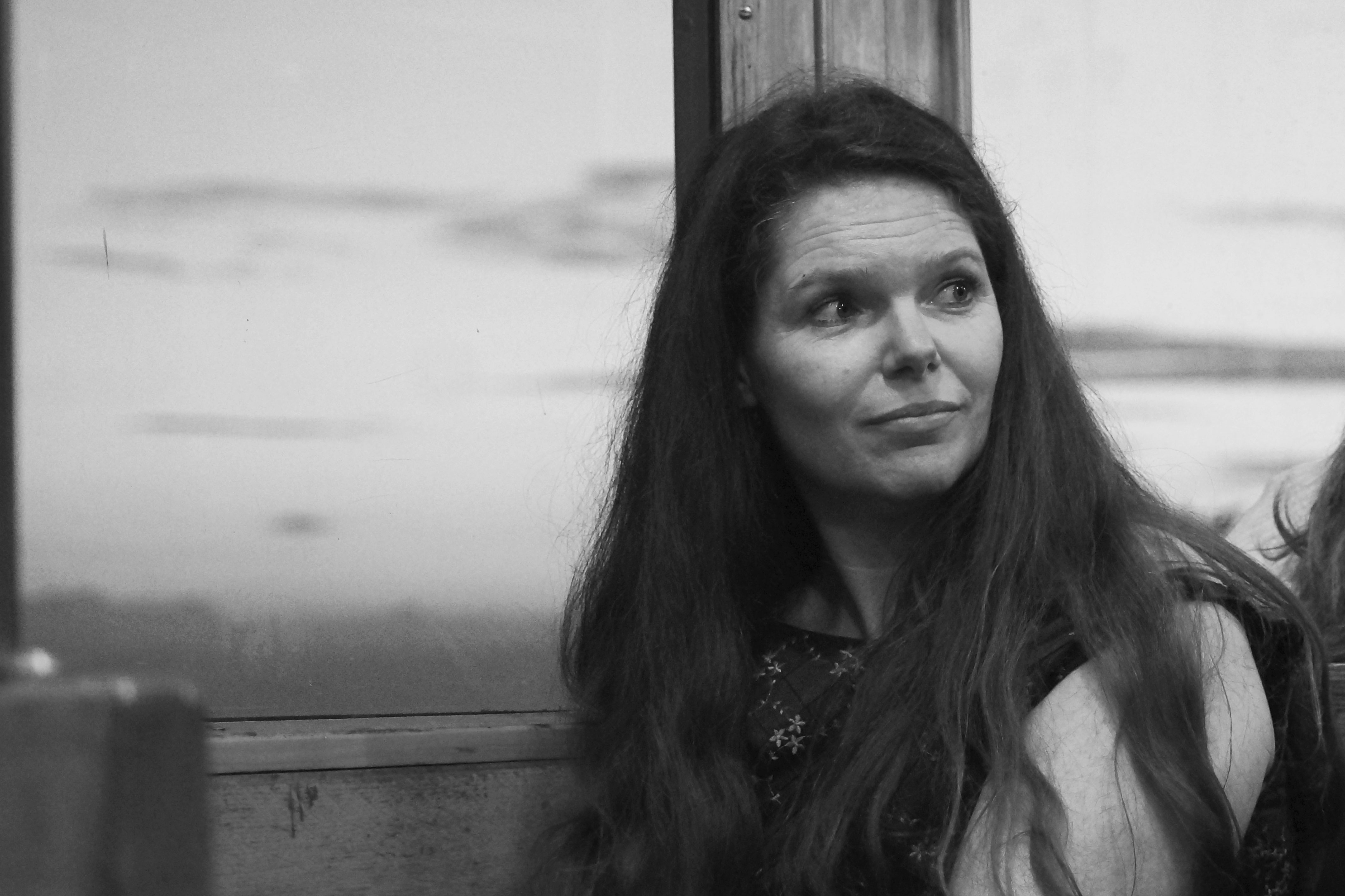
Stéphanie-Aloysia Moretti, artistic director of the Montreux Jazz Academy, talks about the first edition of this exciting, pedagogical project where 12 young winners of the prestigious Montreux piano, voice and guitar prizes are further coached by 14 world-renowned mentors at the Sylvia Waddilove musical centre.
How did the idea of musical pedagogy evolve at Montreux Jazz ?
Stéphanie-Aloysia Moretti I’ve been working for the Montreux Jazz Festival for over 25 years, primarily as artistic co-ordinator, but also as educational co-ordinator ever since Claude Nobs began the idea of informal musical workshops. Before my arrival in 1989, Claude had always asked key musicians to extend their stay in Montreux in order to talk, teach and interact with the audience, students and fellow musicians. He would announce the workshop details at the end of a concert for the following day, but this meant that only people present at the concert would know what, where and with whom it was happening. I started organising these workshops in advance, incorporating them into the official programme, which gradually made the workshops an important feature of the festival highlighting the importance we gave to the interaction between master and pupil. This eventually led to the 1st official Montreux Jazz Solo Piano Prize in 1999 where a selection of young pianists from all over the world came to Montreux be coached by professionals in the field. Voice and guitar prizes soon followed.
What was the approach to the Montreux prizes?
Stéphanie-Aloysia Moretti We wanted to structure these prizes in such a way to avoid the competitiveness you might find in a sporting event, and instead create a nice atmosphere for the candidates. The young musicians coming to Montreux were treated as a group, made to feel comfortable, lucky to meet and work together, mostly of the same age and level but coming from different countries. At that time it was also an excellent way to bridge the gap between eastern and western Europe of the late 90s. It was important that the contestants be real, complete musicians, not just able to reproduce or repeat music, each had to submit their own composition or arrangement and give a lot of themselves.
When did you realise that musical coaching was not enough?
Stéphanie-Aloysia Moretti Year after year, we began to notice a reoccurring problem. Despite the winners receiving money, a recording contract and a live show the following year at Montreux Jazz – a few months after winning the prize, they would call us up asking for help: “can we have the names of a good agent, manager, how can we find gigs, labels, PR, etc..?” It was clear that being a young virtuoso is not enough in the world of jazz and music, many of our young winners had no idea what direction to go in and how to follow up their prize-winning achievements. We soon realised that the chosen candidates coming from over 40 different countries needed a more practical form of training alongside their musical coaching. Hence the idea of the Montreux Jazz Academy was born – to help young musicians take advantage of the experience and connections of the Montreux Jazz Artists Foundation, the Festival’s pedagogical wing, in order to maximise their self expression as artists and also help them build their career toolkits.
Describe how the Montreux Jazz Academy is set up.
Stéphanie-Aloysia Moretti There are 14 mentors and 12 candidates, or ‘laureates’ as we like to call them. Nine of them are made up of the first, second and third place winners of this year’s piano, voice and guitar competitions. The remaining three are made up of the first prize winners of the previous year. The Academy lasts just over a week from 30th October to 5th November where the young laureates live, work, perform and learn during an intensive week of exchanges with international musicians and music-business professionals. Masterclasses are given on a daily basis on useful topics such as “Understanding the music business/ How do I get signed to a label? / Managing your online presence”. There’s no competitive atmosphere or prize at the end of the Academy, just learning, sharing and a big gala show on the last evening overseen by Lee Ritenour. What’s very precious for me is to have the laureates express themselves freely and get into the habit of risk-taking with ideas and possibilities, this is less present when there’s a competition at stake. After the Academy I know something will change in how they make music as individuals – and not just the laureates, the mentors have also been affected by what they’ve shared here. They didn’t all know eachother beforehand and it was wonderful to see the cross-fertilisation bubbling up between them during the duologs, live gigs and workshops.
http://youtu.be/7XVXOUIlVoA
How did you go about chosing the mentors?
Stéphanie-Aloysia Moretti I chose mentors who already have a strong relationship to Montreux, first of all because it’s easier to have direct access to them, secondly because I needed to know their resources, what they’re capable of and how curious they are. For example, I chose guitarist Lee Ritenour as musical director of this edition because he has always taught in his career, he has a good relationship with the younger generation and knows how to raise everyone’s level. He’d already been president of a previous Montreux Jazz Guitar prize and had done an amazing job. From the USA we invited drummer Sonny Emory from Earth, Wind and Fire who has an amazing energy but is very different from the classical jazz drummer; saxophonist Charles Lloyd, who opened the first Montreux Jazz Festival in 1967 – a kind of godfather figure; star vocalist Patti Austin, president of the Voice competition a few years ago. We also had the pianist Yaron Herman from Israel, electronic genius Bugge Wesseltoft from Norway, Hammond B3 giant Macoto Ozone from Japan, singer Sebastian Schuller from France and our very own Eric Truffaz. Their interaction made it feel more like a laboratory than an academy, anything could happen! The relationship between instruments and machines was really explored which was very important to me as I wanted new musical territories to be looked at as much as geographical ones. Even Charles Lloyd got to experiment with the power of electronic music.
Does the Academy have a particular involvement with Swiss artists?
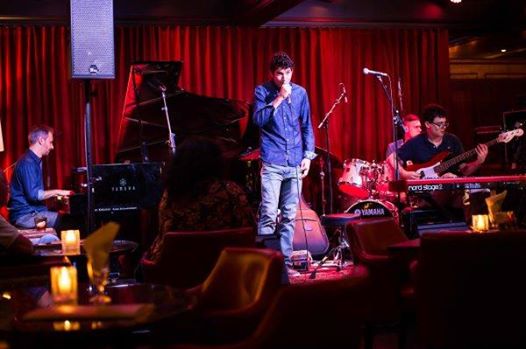
Stéphanie-Aloysia Moretti The Academy is essentially aimed at aspiring jazz musicians on an international basis, but obviously we are happy to nurture Swiss young talent as much as we can. The exceptional singer/songwriter/guitarist Patrick Rouiller, (one of the star contestants on The Voice Switzerland 2013), was the only Swiss laureate selected for the Academy this year. However we were graced with some top Swiss musicians who took part in our live sessions in the evenings, among which vocalists Anna Aaron, Billie Bird, and pianist Léo Tardin – who was so enraptured with his jam session that he missed his train back to Geneva and ended up with all the other laureates back at the Waddilove centre. Léo, a Montreux solo piano prize winner himself, was blown away to see the high standard of practical teaching, backline equipment and tools on offer. “The best of the best in an informal setting” is how he described his time spent at the Academy.
What will the laureates take away with them?
Stéphanie-Aloysia Moretti Firstly, all the laureates have said that the practical learning has been crucial: how to get a gig, consider yourself a brand, understand the workings of the music business, etc… They feel more confident to go into the world as a musician and handle their lives. No school normally talks about the practical side but now at last they know what to expect. Secondly, they’ve all mentioned the importance of experimentation and improvisation as a group. They have been stretched beyond what they thought were their capacities, forced to explore new territories and been made to find new ways of expressing their art.
How will the Montreux Jazz Academy be next year?
Stéphanie-Aloysia Moretti I could be a bit more audacious next year regarding styles of music from further afield than just the western world. Maybe bring in mentors from India or the Orient and see what new musical perspectives they could share with us, teach us to feel music more with our guts and less with our brains perhaps…? But for sure the goal will remain the same: to maximise self-expression, risk-taking in each young musician and to teach them the practical tools for succeeding in their music careers.
Etwas unerwartet kam die Ankündigung seines aktuellen Albums, denn der Vorgänger «She‘s My Guru» erschien unlängst im Frühling 2013. Ein kurzer Blick auf die Statistik zeigt aber, dass Fabian Sigmund, besser bekannt als Fai Baba, noch nie lange Schaffenspausen eingelegt hat. Sein viertes Album seit 2010 nennt sich «The Savage Dreamer» und ist – ein weiteres Mal – grandios.
50 Minuten Genialität
Abgeklärter und erwachsener kommt das neue Album daher, ohne dass dabei die Leidenschaft und Rohheit abgetötet werden, welche Fai Babas Musik neben seiner charakteristischen Stimme kennzeichnen. Wer all die Feinheiten der Songs erfassen möchte, dem sei empfohlen, sich in ein ruhiges Eckchen zu begeben und sich während knapp fünfzig Minuten ganz der Welt von «The Savage Dreamer» hinzugeben. Auch nach dem zehnten Hördurchgang entdeckt man noch Tonspielereien, die einem vorher nicht aufgefallen sind – was für kleine Glücksmomente sorgt, als hätte man in einem Wimmelbild Walter entdeckt.
Aus der Ferne heulende Gitarren und warnende Orgel- und Basstöne werden beispielsweise bei «Not That Simple» zu einer akustischen Leckerei aufgeschichtet. Auf dem achteinhalb-minütigen «New York City» verkündet Fai Baba eindringlich, dass er nicht nochmals in die Weltmetropole reisen möchte, weil er sich dort einsam fühlte. Der eindrucksvolle Instrumentalteil, der den Grossteil des Songs ausmacht, könnte meinetwegen ewig weitergehen. Ein weiteres Highlight auf dem Album ist der Opener «The Savage Dream»: Fragil und untermalt mit Piano-, Flöten- und Geigenklängen bietet der Song einen wundervollen Kontrast zu den reissenderen Stücken.
Schöner warten
Blues, Folk und Psychedelic Rock verschachtelt Fai Baba gekonnt zu einem faszinierenden Werk, das es sich ausgiebig zu erforschen lohnt. Dem Tatendrang der letzten Jahre nach zu urteilen, schreibt Fai Baba womöglich bereits fleissig neue Songs für das nächste Album. Bis dahin beschert uns «The Savage Dreamer» die wohl schönste Wartezeit auf Erden.
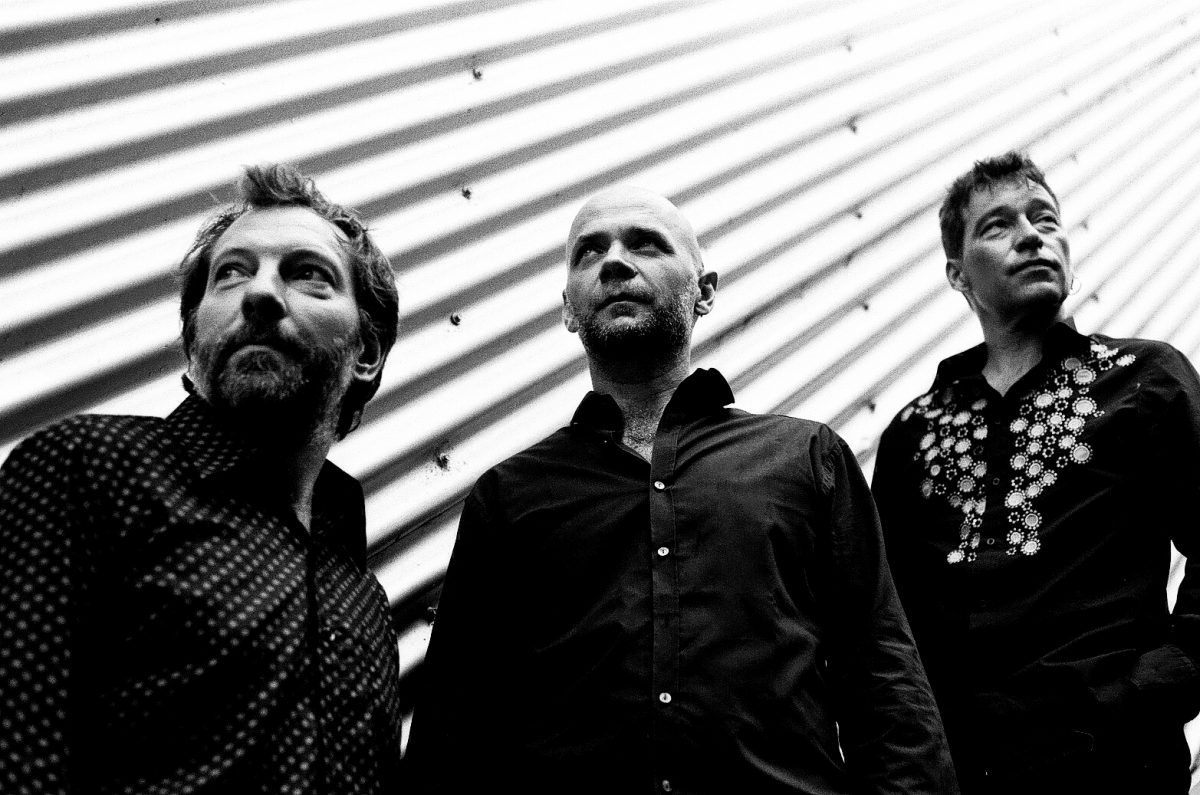
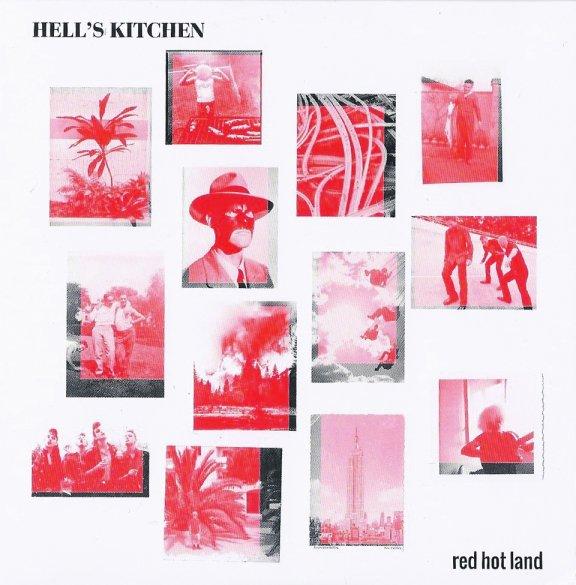
« Laisse moi essayer quelque chose de neuf » entend-on, d’une voix plaintive, au détour du cinquième album des Hell’s Kitchen, « Red Hot Land ». Passé de Dixiefrog à Moi J’connais, le label des amis de Mama Rosin, les vétérans du blues genevois, quinze ans de scène au compteur, ont voulu aller voir ailleurs si le Delta y était. Ho, bien sûr, les acteurs de base sont toujours en place, Bernard Monney et sa voix broussailleuse au dessus du bottleneck, Cédric Taillefert et sa batterie faussement déphasée, Christophe Ryser et sa basse foudroyante.
Mais, à l’inverse du blues classique, identifiable à l’enfer guindé où des serveurs coincés débitent mécaniquement leurs syncopes précises et prévisibles, le trio genevois semble s’être mué en garçon de rade prêt à faire trembler les assiettes sur son bras tatoué : on croit s’attendre à un plat, un plan, une attitude, et c’est toute autre chose qui arrive.
« Red Hot Land » rompt un peu plus avec leur goût du blues minimaliste. Là un rythme de marche militaire dérisoire, ici un banjo qui parle tout seul, une corde un peu aléatoire répond à une mélodie précise, un vrai refrain fait contrepoint à un yaourt rockab, une ambiance New Orleans laisse la place à un accès de cris sauvages. Et s’il s’entend encore, leur blues sauvage des alpages s’efface derrière des balancements folkpop. A qui la mue ? À Robin Girod de Mama Rosin, à la fois producteur et compagnon d’entrain, venus apporter sa gouaille échevelée sur certains morceaux. A Matt Verta-Ray, à plus forte raison : la moitié de Heavy Trash, qui a mixé l’album à New York tout en s’invitant lui aussi sur certains titres, a contribué à trouver le son juste. Celui qui relie les énergies primales de Hell’s Kitchen à ses meilleures idées.
Disque Hell’s Kitcehn “Red Hot Land” (Moi J’Connais/Irascible)
 Les riffs et les tripes, l’amour et l’insolence, les beats et les claques : longtemps, Peter Kernel s’est forgé sur ses instincts primaires. Ceux qui faisaient tournoyer une Barbara Lehnoff possédée sur une basse délaissée et un Aris Bassetti sombre sur sa guitare frénétique. Une incandescence de l’instant, qui brillait surtout sur scène (voir la chronique d’un de leur passage au Point Ephémère), quand le couple réinventait la danse des sens, sur les rythmes enragés de leur batteur Ema Mathis. Frissons fugaces, donc : l’émotion s’envole, les cris restent. Avec leur troisième album, le bien nommé « Thrill Addict » (accro au frisson, en VF), Peter Kernel voit encore plus loin : l’étincelle a allumé un foyer plus stable, prêt à scintiller longtemps dans l’espace (l’un des thèmes principaux de ce disque, justement).

 1. Tag Moskau
 Von Cheboksary ging es weiter zum Flughafen Kazan nach Yekaterinburg, die Stadt in der Zar Nikolaus II. der russischen Revolution zum Opfer fiel.

 ‘You have to be physically be in the present’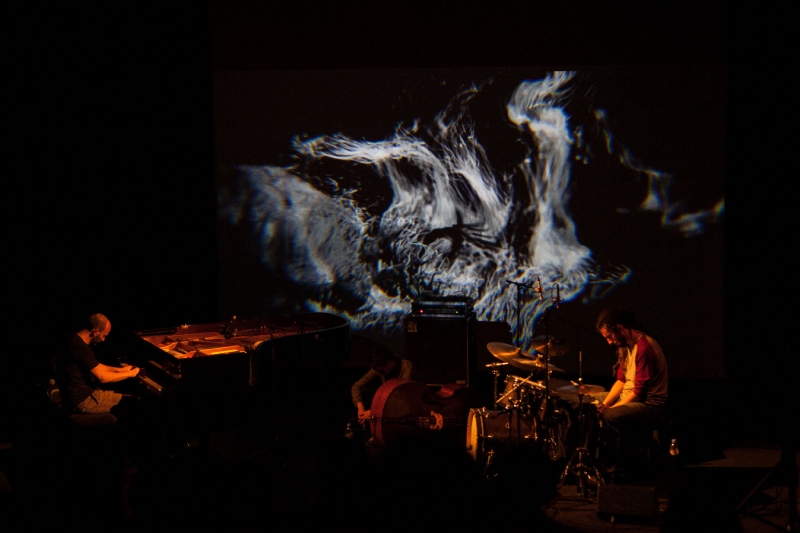
 I spoke to Marc Perrenoud about his feelings on the eve of the trio’s US tour.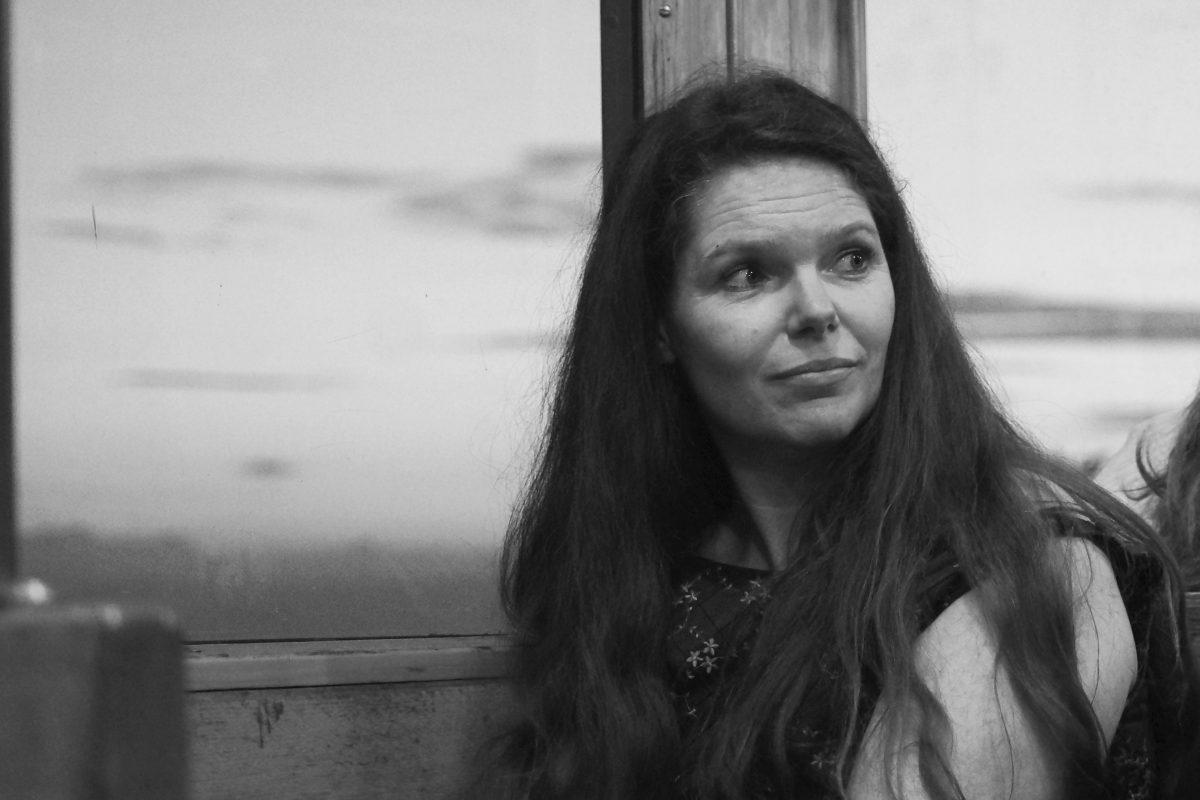
 Stéphanie-Aloysia Moretti, artistic director of the
  Stéphanie-Aloysia Moretti The Academy is essentially aimed at aspiring jazz musicians on an international basis, but obviously we are happy to nurture Swiss young talent as much as we can. The exceptional singer/songwriter/guitarist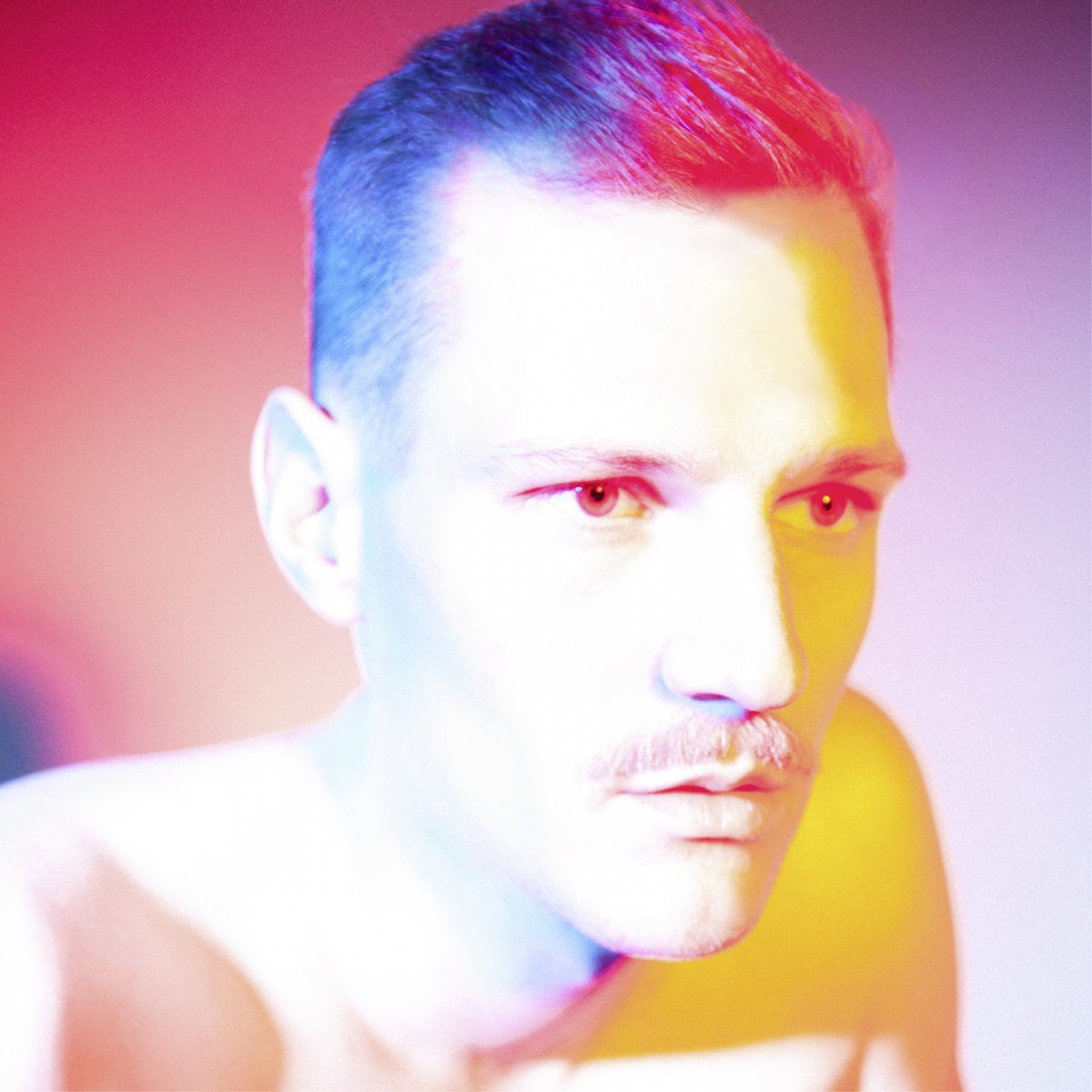
 « Laisse moi essayer quelque chose de neuf » entend-on, d’une voix plaintive, au détour du cinquième album des