Swiss artists @EFG London Jazz Festival 2015

EFG_London Jazz logoThe EFG London Jazz Festival is a big annual affair running for ten days in the middle of November. This year Swiss and Swiss-based artists, represented by Nik Bärtsch’s Ronin and Mobile, Elina Duni, Samuel Blaser, Basel Rajoub, Marc Perrenoud, Christophe Fellay and the Russian/Swiss collaboration, Jazzator, had well-attended gigs (two were sold out). Phew. Clashing with big-name artists, and the overwhelming number of events can be an issue at such festivals.
The UK can be a tough and weird market

Consider this list of musicians – you couldn’t get a more diverse bunch. There isn’t a Swiss sound like there was a Norwegian one, but the artists are building individual reputations via their quality. The UK can be a tough and weird market, but when people hear something they like they will always give a warm and enthusiastic response.

Nik Bärtsch has a definite fanbase and had a two-day residency at King’s Place as part of the Minimalism Unwrapped season with Mobile Extended and Ronin Rhythm Clan. I saw the latter on the opening night of the festival with an added 3-part brass section and guitarist Manuel Troller, whose sensitive but spirited playing made him a natural part of the clan. I first heard Ronin two years ago in the same hall. I was entranced by their intense yet grooving sound and still am.

You live for such moments with Ronin
nik_baertschs_feat_roninThere were the sparkles of Nik’s compelling piano work and superior conversations between the Ronin members whilst other phases had the extended band heading into an alt-funk fest with James Brown’s spirit shimmying around the room (well, almost). But ‘Modul 32’ was the highlight for me: Kaspar Rast played a small shaker – no fuss, just simple but killer in its repetition, and clever in the textural canvas it gave saxophonist, Sha, and Manuel on which to paint subtle but deeply personal musical thoughts. You live for such moments with Ronin.

He can evoke memories of J. J. Johnson
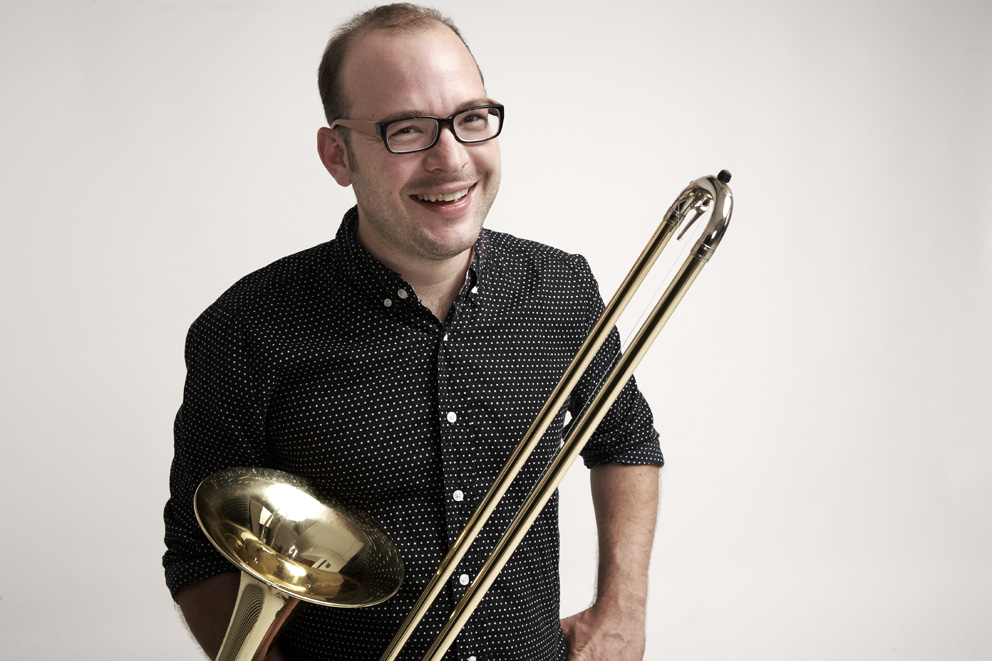
©Alex TroeschThe small, shabby Club Inégales is in the bowels of an office building but was set aglow by the quality of the musicians in Samuel Blaser‘s quartet. I’ve already waxed lyrical about the wisdom of pianist Russ Lossing’s playing on Spring Rain, Blaser’s tribute to Jimmy Guiffre. He approaches music as an horizon, it’s not about him, but the entire landscape. I love his touch. Equally fine are bassist Masatoshi Kamaguchi and legendary Gerry Hemingway. A key drummer on the avant garde circuit he caresses and cajoles rhythm out of his kit, able to be economical yet inventive. I particularly like Blaser when he drawls his sound as if part of a deep South funeral march, his soulfulness peeping through. He can evoke memories of J. J. Johnson then veer off elsewhere. It was a promising show cut short by the venue’s format of a final set improvising with the house band.


marc_perrenoud_feat_marc_perrenoud_trio

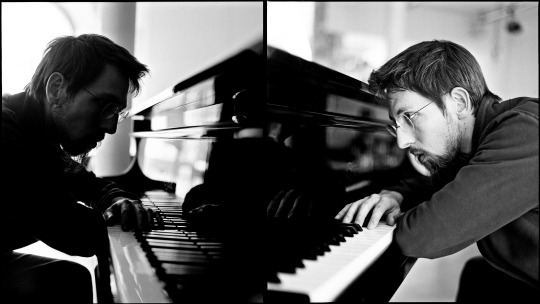
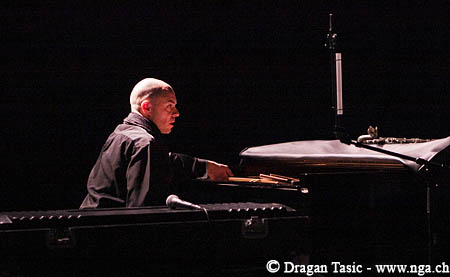
Luckily I’d got to hear the crisp interplay between this quartet at Adventures in Sound, a feast of music recorded for BBC Radio’s Jazz on 3 programme earlier that day. Each of them also improvised with renowned UK artists such as John Edwards (bass) and rising keyboardist, Elliott Galvin (in photo). Unfortunately it meant I missed Marc Perrenoud‘s set as part of ‘Seriously Talented’ – an afternoon of musicians that had been on Serious’ Take Five course. The Clore Ballroom of the Royal Festival Hall was packed and I heard that Marc’s joyful and bonded trio were an uplifting addition to the line up.

Elina’s expression taps into our universal goosebumps

Elina Duni Quartet Elina Duni Quartet are equally notable and their Dallëndyshe album had good reviews, one in The Guardian. Live, Norbert Pfammatter stands out as a sublime drummer. His pulse-like work encourages a sensual interplay between vocals and rhythm. There is an almost mantra-like progression as Elina leads us through the emotive themes of Albanian folk songs. Lyrics such as, “My dear boy in front of the flag oh, my heart’s engulfed in worrisome flames,” (from ‘Me on a Hill, You on a Hill’) feel horribly relevant and even if they weren’t Elina’s expression taps into our universal goosebumps. At first her tone seems warm and smooth, but then a quiver or cry renders me helplessly emotional.

Colin Vallon is simply captivating, and fierce too, making his mark. Along with new, fearless bassist, Lukas Traxel, they stand their ground at the side of Elina’s power. I like the brave move the quartet made of paying great respect to the Albanian folk tradition whilst interlacing it with a form of ethereal jazz. It left the audience spellbound.

richmixbaselrajoubnov15_26It was a similar story for another Swiss émigré. The concert of Basel Rajoub‘s Soriana (‘Our Syria’) was the evening after the Paris attacks and as the review Classical Source expressed, it could not have made for a more eloquent night of music. Made so by the skill and personality of Basel in a magical alchemy with the type of welcoming audiences that can be found in London.


 A unique view of free music

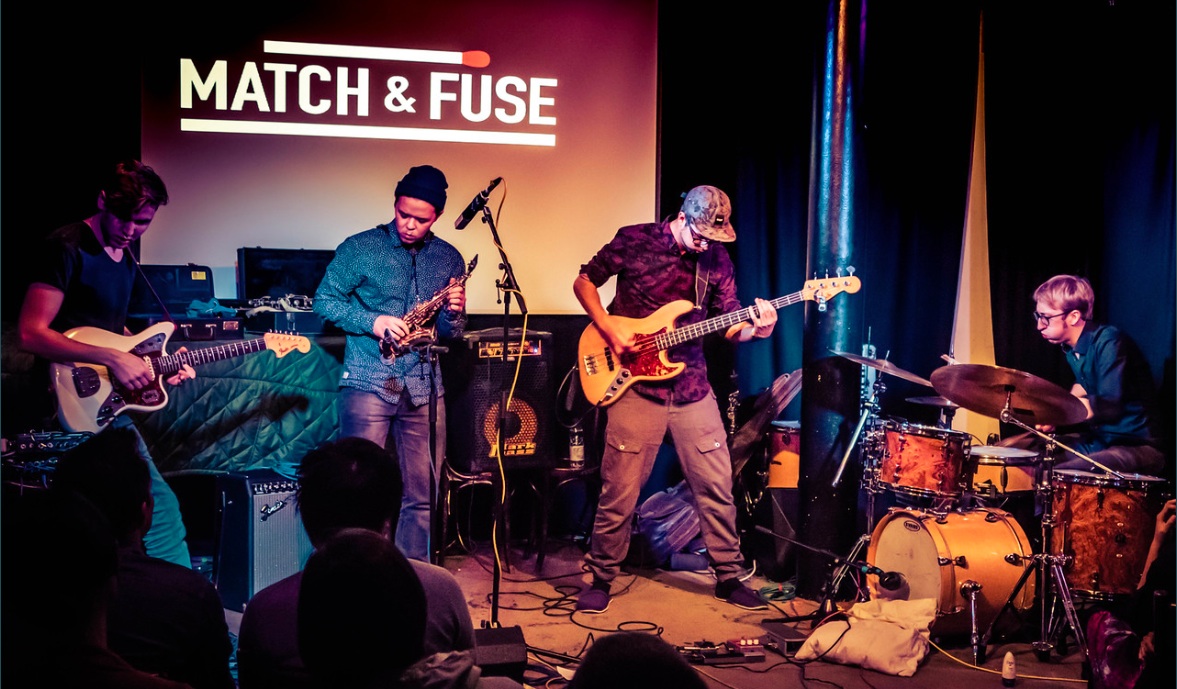
Jazzator2_M&FNov2015Finally, Jazzator are a Russian/Swiss quartet with quirky intentions conveyed with talent. I particularly liked saxophonist Oleg Mariakhin who delicately integrated himself with the vivid vocals of Marina Sobyanina. I sensed underlying eastern folk traditions that had been pulled apart leaving ragged edges and broken threads. Drummer Sergey Balashov on drums and bass player Maximilian Grossenbacher provided an ear-pricking rhythm section, and together Jazzator offered a unique view of free music. One UK reviewer declared them a highlight of the festival.
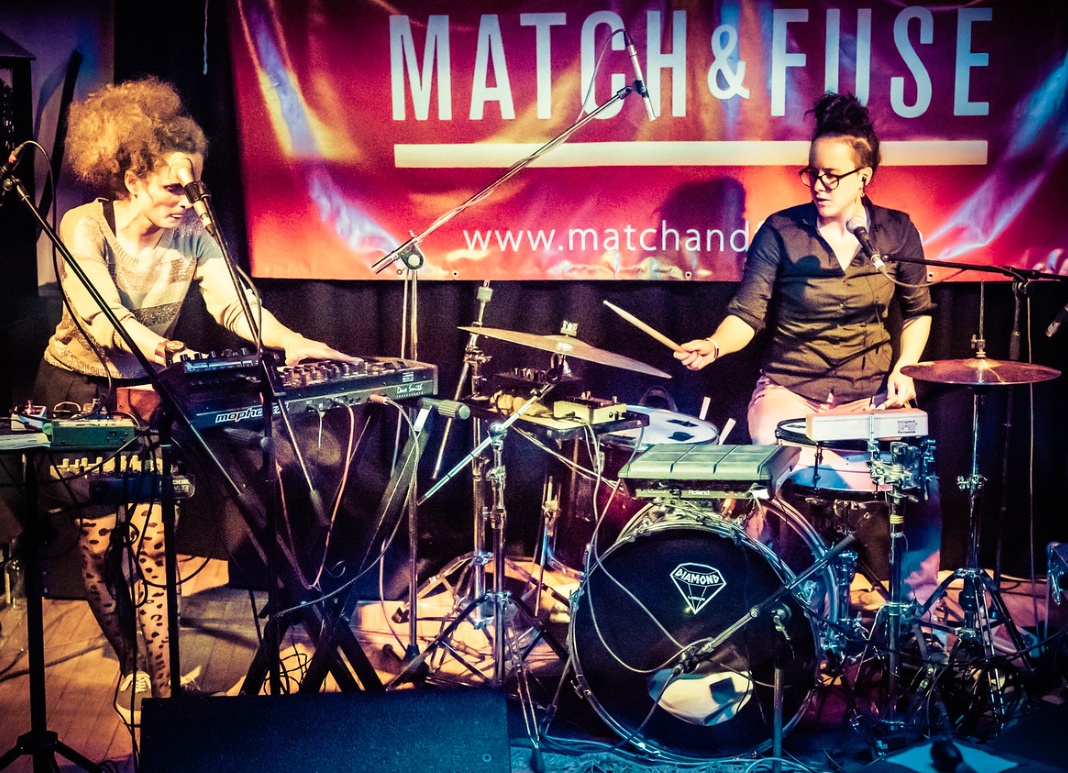
 

Match&Fuse, London 2015

Climbing the Eiger’s Mordwand is tough, but if you are a band trying to get a gig in the UK, then you really face a challenge. And it’s not much better anywhere else.
Presenting the most engaging artists from Europe’s progressive scenes

The musician Dave Morecroft started Match&Fuse (M&F) in 2011 to attack this problem – with energy. He wanted his band (World Service Project) to tour abroad, so in 2011 he found a Norwegian act to ‘match’ his and asked them to find three gigs in Norway for this double bill, whilst he used his UK contacts to book gigs at home. It worked, and the following year Match&Fuse launched its first festival with the aim of presenting the most engaging artists from Europe’s progressive scenes – giving audiences a taster of music from inside and outside their own borders and, more crucially, enabling musicians to extend their contacts abroad.

GHH
Great Harry Hillman Photos: Steven Cropper

Since then Match&Fuse (M&F) has developed co-producers with festivals in Toulouse, Warsaw, Rome and Oslo. Their annual event in the buzzing Dalston area of London uses venues such as Cafe Oto, Vortex and Servant Jazz Quarters and this year, Swiss bands, the Great Harry Hillman (GHH) and duo, 2henning were invited to play. I spoke to them about their experience.


‘We could see our music has many different sides’

‘The gig was big fun,’ said Nils Fischer of the GHH, ‘with a conscientious audience. We would have loved to play more than 35 minutes, but the time was sufficient to present our music and get involved in some interesting talk – feedback and discussions, after.’ Valeria Zangger of 2henning also appreciated getting feedback, adding, ‘It showed us some very important stuff that we still have to do, but we could see our music has many different sides and can fit in with a real variety of music programming which is good.’

2henning_a
2henning (Steven Cropper)
‘Getting all this inspiration in a few days, was invaluable’

They were scheduled alongside other emerging European artists such as Strobes, Laura Moody, J=J, Kaja Draksler and Alarmist as well as unique collaborations such as Isabel Sörling with Leafcutter John (of Polar Bear). 2Henning felt that, ‘There was room for free improvisation as well as for more pop/rock oriented music…Playing in that context with a lot of different bands and styles – and getting all this inspiration in a few days, was invaluable.’

‘The idea to unite the bands in a soundpainting orchestra is great’

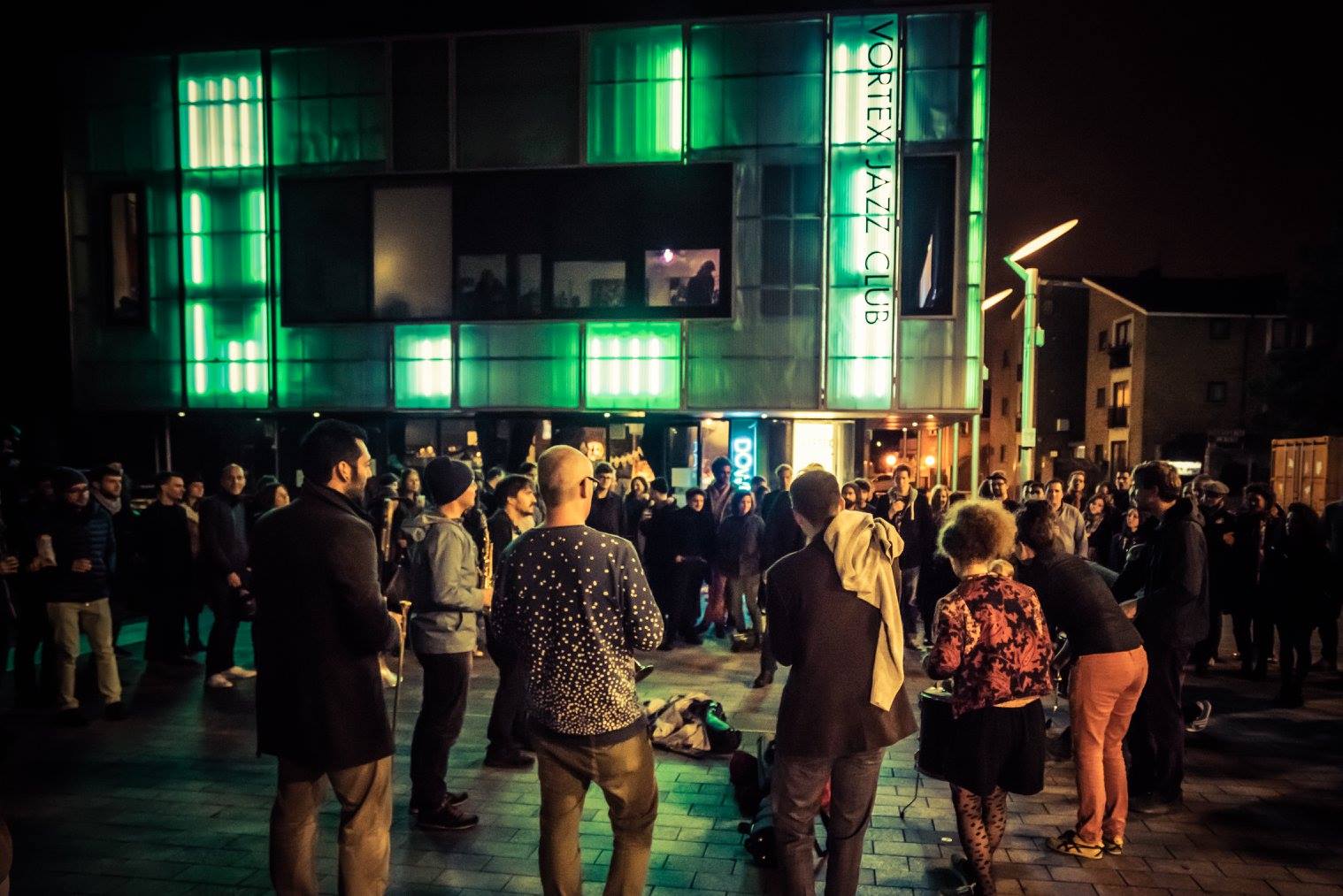
The ‘fuse’ of the festival brings the bands together in an improvisation in each venue before they proceed to a square outside where they play together in an ‘orchestra’. Using the soundpainting technique with a conductor and hand signals, it can be powerful, fun and completely chaotic. ‘The idea to unite the bands in a soundpainting orchestra is great. We had a very energetic session inside [at the Vortex],’ said Nils. ‘Maybe we stretched the session too long and missed the right point to stop, but it was big fun to meet everybody in the square.’ 2henning agreed, ‘When we began it wasn’t really defined, but then, as we walked to the square in front of the Vortex and met with the other musicians, it was great…people were listening and we played some cool ideas.’

Orchestra
Match&Fuse Orchestra (Steven Cropper)
‘Everybody was giving their best’

The GHH hope to continue being part of the M&F family, taking part in exchange tours, meeting other bands and contacts, ‘Back at home we discussed the option to do another UK trip during our next tour,’ they told me. 2Henning who also played a Sofa Sound night (gigs in people’s living rooms), did a school workshop and appeared on London Live TV as part of their M&F festival experience said, ‘It is helpful to use the name Match&Fuse, but also to have London as a reference,’ before adding, ‘Everybody was giving their best and I think people could feel that…I really had the feeling we belonged to the Match&Fuse family.’

It is a slow and long process with no guarantees

It’s not just about getting gigs and tours abroad – quality of experience matters and concrete benefits. Despite vital support from embassies and cultural organisations, there is not much financial renumeration so M&F need to build media relations in order that musicians get useful reviews. What they do well is encourage exposure of specialist musics, connect musicians and help them develop fanbases across Europe. It is a slow and long process with no guarantees but what was clear from Match&Fuse London 2015 was not only the breadth of talent but the good feeling, positivity and confidence that came out of it for both M&F and the artists.

M&F also had three events during the EFG London Jazz Festival with the Swiss/Russian band Jazzator. It will develop more ‘threads’ through other festivals both in the UK and abroad. M&F festivals are confirmed for Toulouse and London in 2016 as well as tours in Sweden, Poland and Ireland.
Soundcloud: Match&Fuse, London 2015 Mix
Match&Fuse
Match&Fuse Facebook

Les Transmusicales font la part belle à quatre groupes suisses

Ce soir, au mythique club Ubu de Rennes, quatre groupes suisses – et pas des moindres – sont à l’affiche!

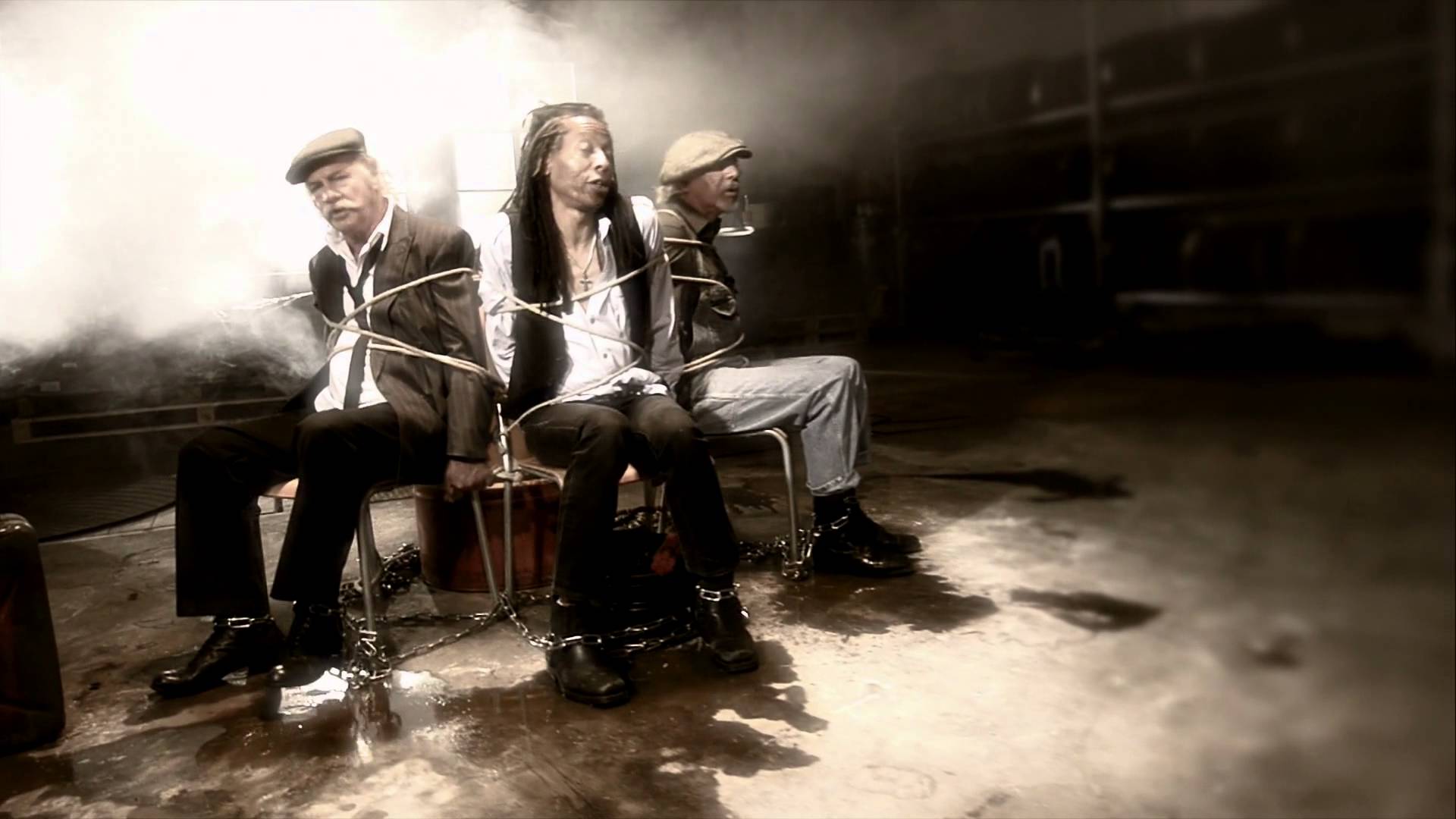
Grand CannonLa playlist ci-dessous vous permettra d’en découvrir trois. Seul Grand Cannon, un trio dont les membres (plus proches de la soixantaine que de la vingtaine) ne sont pas forcément des adeptes de soundcloud, n’est pas inclus dans notre playlist. La vidéo ci-dessous saura toutefois vous convaincre de l’efficacité de leur blues déjanté et humoristique emmené par le Chicagoan Zach Prather

FlexFabQuant aux trois autres sélectionnés au grand rendez-vous des musiques actuelles françaises, leur jeunesse n’a d’égal que leur détermination et leur feeling. Justement: le Neuchâtelois FlexFab s’est fait remarquer dès la sortie de son premier EP sur l’excellent label Feelin Music du beatmaker Chief. Son univers musical sombre, des basses transperçantes et un hip hop bien méchant a déjà été récompensé aux Swiss Live Talents et au M4music, FlexFab est du genre à tout faire tout seul, armé de ses seules machines et platines. Bon chance pour cette conquête de la Bretagne!
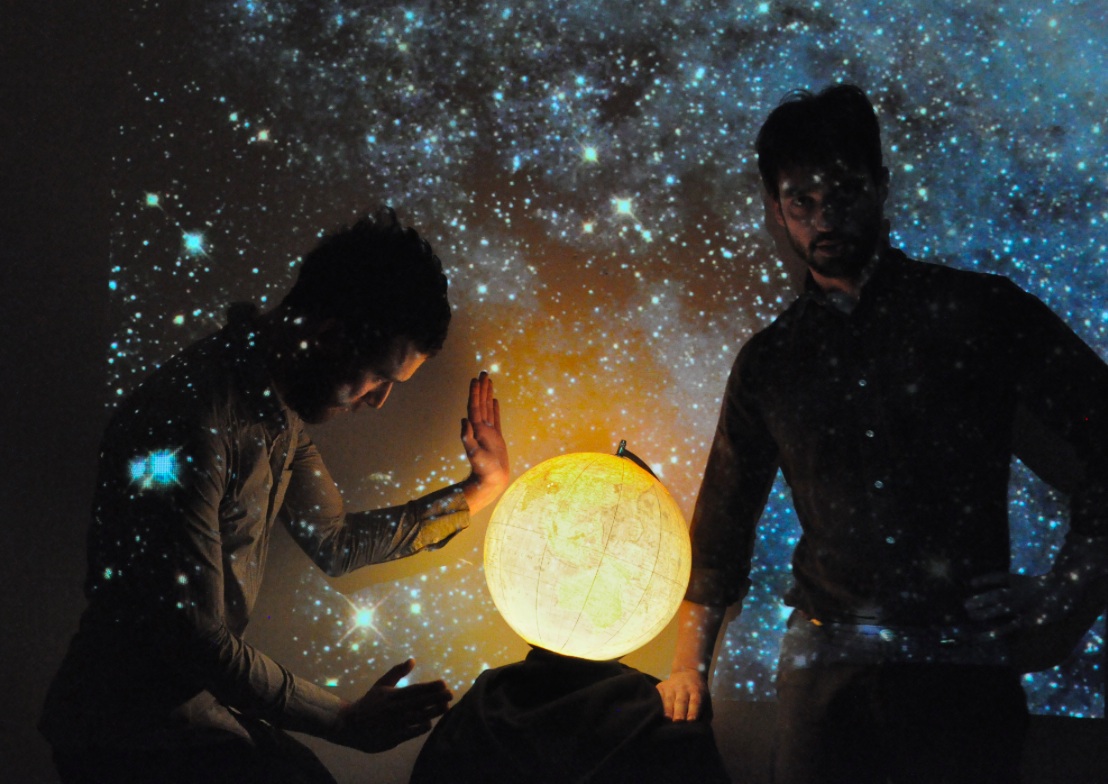
 

KlausJohannGrobe2Klaus Johann Grobe, dont notre collaboratrice anglaise, Debra Richards est une fan, ne séduit pas que les British. Ce trio alémanique associe orgue, guitare et rythmiques binaires pilonnées et semble collectionner les passages dans les festivals cultes (Bad Bonn Kilbi, For Noise, Great Escape et aujourd’hui les Trans). Psychédélique, romantique, imprégné de krautrock, Klaus Johann Grobe chante majoritairement en allemand et est passé maître dans l’art de soupeser les genres et les influences pour façonner un son et une musique très prenante.

Chikitas_1Quant aux Genevoises des Chikitas, elles marient, elles, les életrochocs musicaux; en particulier les intros douces, presque mélancoliques et une déferlante punk. Beaucoup de bruit et de fureur orchestrés par deux charmantes jeunes femmes, respectivement, chanteuse-guitariste et batteuse-choriste. Leur premier album «Distoris Clitortion», est paru en 2014 sur le label Rough Trade.

Et pour tous ceux qui ne seront pas aux Trans ce soir, petite séance de rattrapage via notre playlist!

Grand Cannon, Klaus Johann Grobe et Chikitas seront en concert aux Transmusicales de Rennes, jeudi 3 décembre.

[soundcloud url=”https://api.soundcloud.com/playlists/171581031″ params=”auto_play=false&hide_related=false&show_comments=true&show_user=true&show_reposts=false&visual=true” width=”100%” height=”450″ iframe=”true” /]


Grand Pianoramax : SOUNDWAVE LP on Mental Groove Records

Update 02.2016: “Soundwave”, the fifth album of US/Swiss trio Grand Pianoramax will be released internationally on 29 January by the German Word and Sound label. Grand Pianormax will also be playing at Cully Jazz Festival on the 08.04.2016. Take this opportunity to read our review again!

photoaccueilsite2Reading over my notes taken while listening to the latest Grand Pianoramax LP just released on Mental Groove Records, the word ‘bouncy’ makes a frequent appearance. This may seem a trite concept to use when describing a band that over the years has become known as the Swiss heavyweight supergroup of post jazz, art rock and hip hop. But it does go to show that the aim of being “lighter, brighter, more fun” – to quote bandleader Leo Tardin – has been accomplished.

A fresh and spontaneous approach

Produced and mixed by ‘pugnacious’ drummer, Dom Burkhalter, the LP was recorded in his studio in an almost live situation with a fresh and spontaneous approach. “We wanted to keep it direct and imperfect somehow: upright piano with creaky pedals, old Fender Rhodes, analogue synths – a chilled attitude, nothing too perfect” explains Tardin. Following on from the Big Easy EP released last May, SOUNDSCAPE continues the “more accessible, less dark” theme that the band had already prepared us for. And why not? Nothing wrong with a bit of sunny Steely Dan-inspired melodies to help the foot-tapping along even when you’re an experimental bunch of musical giants.

There’s as much rule-breaking here as there is on the earlier ‘darker’ albums

But to define the LP simply in terms of fluffy adjectives is far from half the story. Yes, it’s the perfect soundtrack for a sun-roof-down drive along the south of France, but there are challenging twists and turns around every corner. Tempos come and go, unsuspecting chopped up beats hit you in the face, lyrics are sharp and cutting – in brief, there’s as much rule-breaking here as there is on the earlier ‘darker’ albums. Tardin is keen to emphasize:   “It’s actually easier to be dark and dramatic than it is to be simple but solid. This is not straight music, there’s experimentation happening on every track. ‘No Doubt’, for example, is essentially a disco track set to a very unusual 7/4 beat”.

[soundcloud url=”https://api.soundcloud.com/playlists/136146509″ params=”auto_play=false&hide_related=false&show_comments=true&show_user=true&show_reposts=false&visual=true” width=”100%” height=”450″ iframe=”true” /]

Fans of his pretty, lyrical touch will not be disappointed

There’s a good ratio of vocal and instrumental tracks here, the latter giving space to more journeying on behalf of the keyboards. The old Fender Rhodes gets quite a bashing on ‘Tight Rope’ recalling a funky mid 70s Herbie Hancock/George Duke style that suits Tardin rather well and could do with further exploration in the future. Fans of his pretty, lyrical touch will not be disappointed, there are some gorgeous sweeping moments where being carried away on the wave of Tardin’s dexterous style is nothing other than a pleasure.

Charismatic experimentation and radio-friendly sparkle

But essentially, Grand Pianoramax are known for their foray into beats and hip hop which Black Cracker‘s edgy, poetic vocal style encapsulates so well. Totally enveloping and slightly less razor sharp than usual, his timbre is just perfectly suited to the jazzy, understated, choppy groove. Nothing in his lyrical content is ever over-done or insincere. The trio are famous for being a powerhouse live act, all bark AND bite, but on this album the slightly more laid back, crossover attitude is in no way a detracting dumbing down. On the contrary, warm and colorful like the cover, it’s an album full of charismatic experimentation and radio-friendly possibility.

GPX_Tokyo_4_large-300x199

Band line up:

Leo Tardin – piano & keyboards
Black Cracker – vocals
Dom Burkhalter – drums

Forthcoming live gigs:

28th Nov, 2015: Moods, Zürich, CH
27th Dec, 2015: Bee Flat, Bern, CH

A la découverte des voyages de Verveine

Après avoir été l’une des révélations des Transmusicales en 2014, Verveine s’est imposée au Printemps de Bourges cette année et vient d’annoncer sa participation à la Mecque du rock européen,  Eurosonic au mois de janvier prochain. En attendant Verveine donne encore quelques concerts en France et en Suisse d’ici à la fin de l’année. Ne la manquez pas!

Un objet qui en tape un autre. Une cadence qui s’établit. Vingt secondes où ce rythme se répète et attire subtilement l’auditeur dans l’atmosphère si particulière de cet album sobrement nommé « Antony ». Petit à petit, d’autres éléments rejoignent la bulle. On se retrouve projeté dans un univers aux contours électro, au tempo envoûtant. Le verbe s’envole dans un nuage lyrique, porté par une vague organique et cosmique.

[soundcloud url=”https://api.soundcloud.com/playlists/64763086″ params=”auto_play=false&hide_related=false&show_comments=true&show_user=true&show_reposts=false&visual=true” width=”100%” height=’450′ iframe=”true” /]

Derrière cette création aussi étonnante que savoureuse se cache Verveine, un talent nourrit au bouillonnement artistique de la petite ville de Vevey, au bord du lac Léman. Après une formation au chant et au piano, Joëlle Nicolas, de son vrai nom, se tourne vers l’électro. Réelle autodidacte, elle se familiarise avec les boîtes à rythmes pour en faire ses instruments de prédilection et développe sa patte musicale sur scène. « La musique me suit depuis que je suis gamine. C’est quelque chose de très intuitif et ça a été très naturel pour moi d’aller explorer des choses musicales et sonores. Je n’ai pas cherché à créer dans un style musical précis. Je fais ce qui me plaît et le résultat est ce qu’il est ».

Un effet domino

verveine_2_verticalEn septembre 2013, la sortie de son premier album, « Peaks », marque l’aboutissement de cette évolution et une étape importante dans la carrière de Verveine, en Suisse, mais aussi en France. « Il y a eu un effet domino positif : la sortie de « Peaks », ma participation à l’Opération Iceberg et mon concert au Paléo Festival qui m’a permis de rencontrer ma bookeuse française ». Album de qualité et bon timing lui ont ainsi permis d’attirer l’ouïe des programmateurs des Transmusicales de Rennes qui l’invitent pour leur édition de 2014. Ce concert lui ouvre d’autres portes.
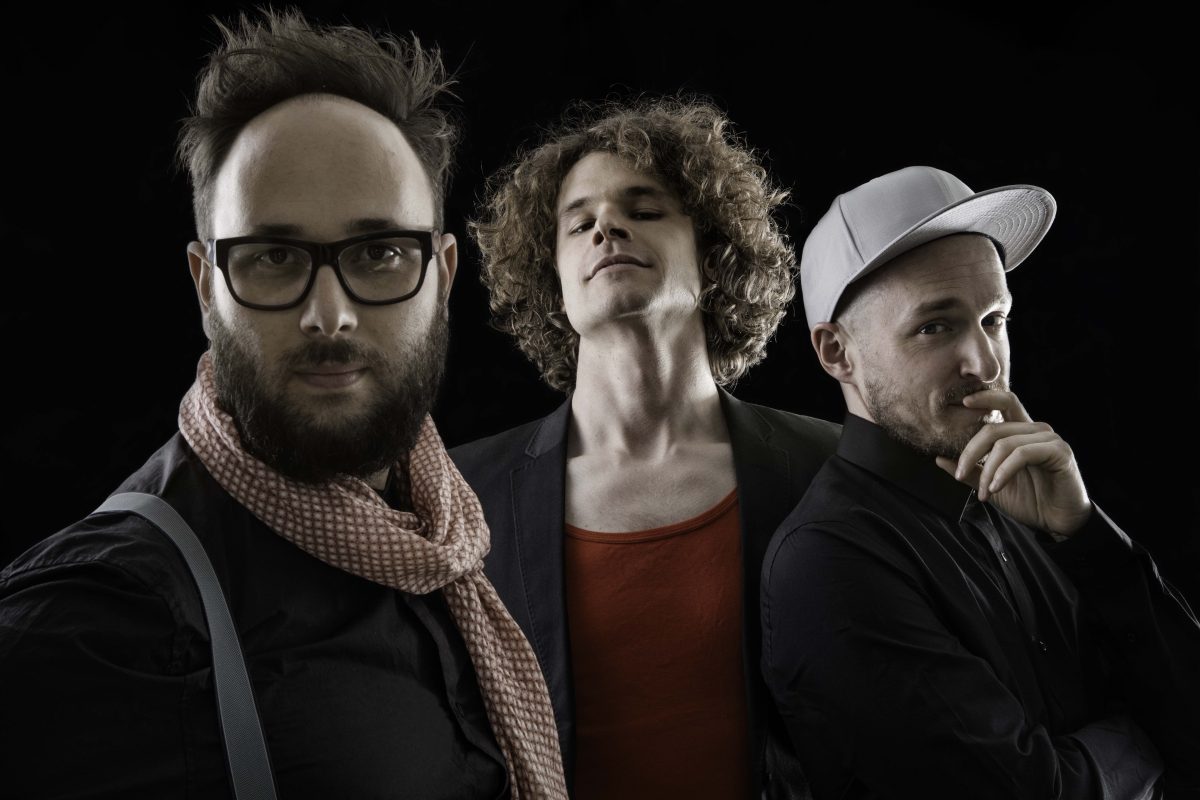
«Les Transmusicales ont été un événement majeur. Libération a ensuite publié un très bel article. J’en ai été la première surprise. A partir de là, les autres médias se sont intéressés au projet. Je suis très heureuse de ces retombées médiatiques mais je me protège également. L’essentiel n’est pas d’apparaître dans la presse mais de faire un bon son ». Libération et Les Inrocks offrent une pléiade de critiques les plus flatteuses les unes que les autres. Loin d’un effet de mode éphémère, Verveine parcours les planches suisses et françaises à la rencontre de son public. En 2015, un mois à peine après la sortie de son deuxième album,« Anthony », son passage au Printemps de Bourges confirme son succès grandissant et attire la plume du journal Le Monde.

“Je sors mon projet et le laisse vivre là où il peut évoluer”

Verveine se réjouit de ce succès naissant tout en avançant au rythme de ses harmonies : « Ce projet est potentiellement extensible à n’importe quel territoire. Cela peut être la Suisse romande, l’Europe ou le monde…Voir qu’en une année et demi il y a eu la France et la Suisse, c’est génial. Mais ce n’est pas un but, mais cela ne peut que me donner confiance. Je sors mon projet et le laisse vivre là où il peut évoluer ».

Fin 2015, c’est au coeur du MaMA à Paris – haut lieu de rencontre des professionnels de l’industrie musicale – que la Veveysanne a posé ses machines. Signe de reconnaissance de la profession, cette participation à ce festival visant, entre autres, à faire connaître les talents en phase ascendante, lui a permis d’asseoir un peu plus sa place de « révélation à surveiller » dans le paysage musical suisse et  français. Sa sélection à Eurosonic au Danemark le 14 janvier prochain la positionne désormais sur l’échiquier européen. Une évolution plaisante mais qui devra patienter; Verveine met la scène de côté en 2016 pour se consacrer à la création de son prochain album.

Avec un univers musical qui se détache des codes actuels et qui chatouille le subconscient d’une caresse d’écume cosmique, la patte Verveine s’inscrit dans cette nouvelle génération de musiciens qui n’ont pas peur de repousser les limites harmoniques toujours plus loin, le tout avec une attitude emprunte d’humilité.

Disque

Verveine, Antony (Creaked Records) est disponible sur bandcamp

Concerts

Nantes (F), Stéréolux, le 20 novembre 2015

Brest (F), Kergariou Farm, le 22 novembre 2015

Laval (F), 6par4, le 27 novembre 2015

Neuchâtel (CH), Superette, le 28 novembre 2015

Auxerre (F), Le Silex, le 4 décembre 2015

Lausanne (CH), Les Docks, le 11 décembre 2015

Noorderslag, Festival Eurosonic (Dan), le 14 janvier 2016


Kaos Protokoll, punk-jazz provocators

Photo by Brigitte Fässler

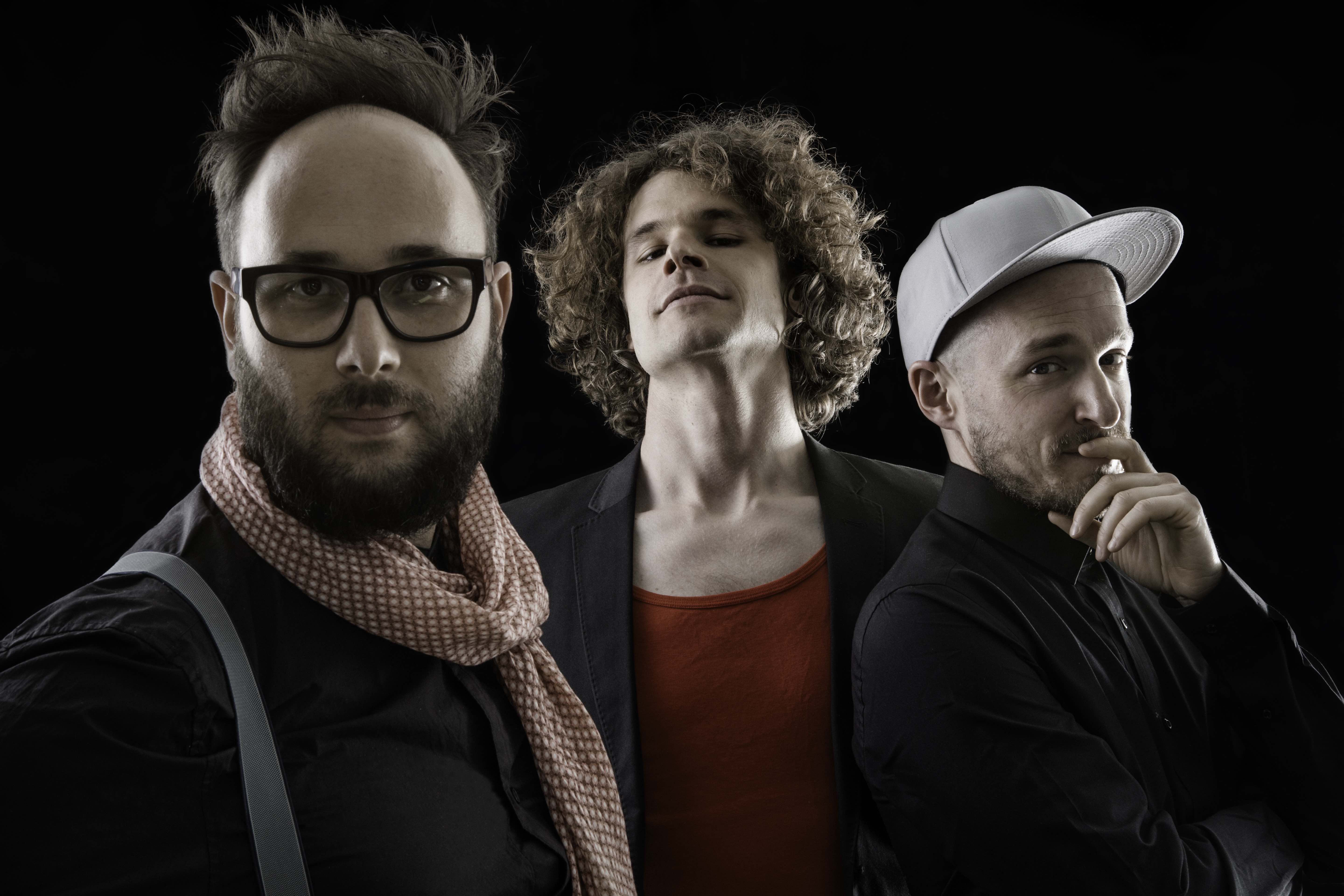
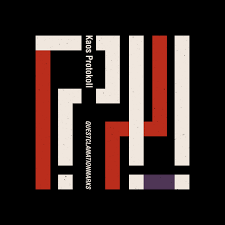
Swiss trio, Kaos Protocoll are fond of sweeping statements: « Punk-jazz provocators », « No concept as concept », « No track ends as it begins » – these are just some of their cheeky mantras aimed at focussing your listening toward the left-field attitude they strive to cultivate. Freshly released on the Prolog Music label, Questclamationmarks is their second LP which the band describe as being more mature, complex and mysterious than its previous little brother, largely inspired by a recent tour across Eastern Europe and Russia during which they excelled in their live performances, honing their various radical free-jazz, funk and electronic influences.


« Rough in attitude but very well structured »

The driving wheel behind this LP is British pianist and composer, Django Bates, a familiar name on the Swiss German jazz scene since his appointment as Professor of Jazz at HKB school in Bern. His role as producer came about after stumbling across the band during a live gig. Vague inflections of Loose Tubes-inspired mayhem sit well next to the chaotic, busy style that has become the band’s trademark, especially appreciated in live situ. But Prof Bates’ presence is gratefully felt here in the clarity of composition, arrangement and production, resulting in a body of work that is « rough in attitude but very well structured » to quote bass player Benedikt Wieland. The beast has not been totally tamed, just steered in a direction where the mish-mash of influences and barrage of sound have been refined, organised and, to some degree, conceptualized. As a result, it’s more of an unpredictable but elegant carousel ride, rather than a dirty punk collision course.

[soundcloud url=”https://api.soundcloud.com/playlists/140558374″ params=”auto_play=false&hide_related=false&show_comments=true&show_user=true&show_reposts=false&visual=true” width=”100%” height=”450″ iframe=”true” /]

Enthusiastic, clean and fresh

A good case in point is the track « Ein Stück zum Mitsingen » – lots going on here: crazy bebop singing melodies, pounding wall of sound beats, furious sax à la Greg Osby, all chunky and funky with a definite giggle going on, wrapped up in a perfect package and just the right duration for the laugh to tickle. The sound is enthusiastic, clean and fresh. “Maybe you” is equally playful with its hide and seek game of tempo and style. Unusual, but not unsuitable German rap makes an appearance in “Pathos Ratlos featuring Baze”, a place where wobbly jazz synths and broken beat melodies suit the grave but not too serious poetic narrative. Winding down the ride is the melodica-friendly “Wiegelied”, a warm and soothing lullaby ending their enigmatic, confident journey.

A mercurial piece inspired by their concert in the secret Russian city

A short film has just been released to accompany “In the Secret City”, a mercurial piece inspired by their concert in the secret Russian city, K26. Benedikt Weiland explains: “A man runs through the secret city at night. He sees scenes that are independent of each other, very abstract and without clear identification. For example, a woman holding a flowerpot while a man is floating in the air! A horse, led by a non-recognizable prancing creature, a corpulent elderly man walks out of his house carrying a briefcase. Just as the song unravels different moods, so do the images which feature different worlds that somehow have a relationship and are linked together by the runner. The images are also a little bit chaotic, abstract and analogous to our sound!”

Unknown


Band:

Benedikt Wieland (bass, FX)

Marc Stucki (sax, melodica, FX)

Flo Reichle (drums, electronics)


Forthcoming live dates:

19/11/15 – Le Singe, Biel (CH)

20/11/15 – Jazzclub, Gera (DE)

21/11/15 – Cuba, Münster, (DE)

23/11/15 – Jazzclub, Abensberg, (DE)

24/11/15 – Waldsee, Freiburg, (DE)

27/11/15 – Moods, Zurich (CH)

28/11/15 – Jazzclub, Erfurt, (DE)

29/11/15 – Glashaus, Bayreuth, (DE)

30/11/15 – Schon Schön, Mainz, (DE)


Jürg Frey at hcmf

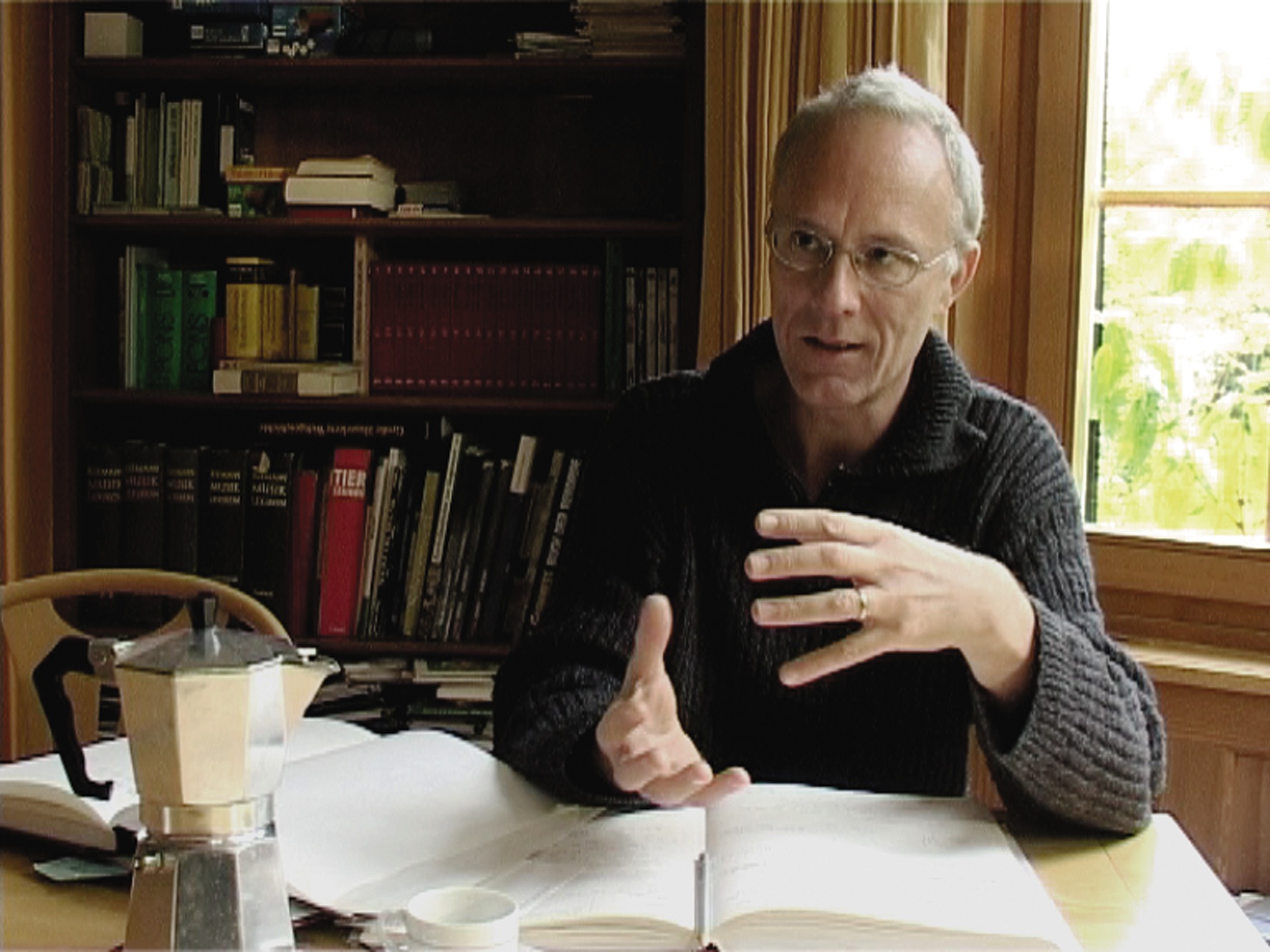
Jurg Frey2015An advocate of silence as sound

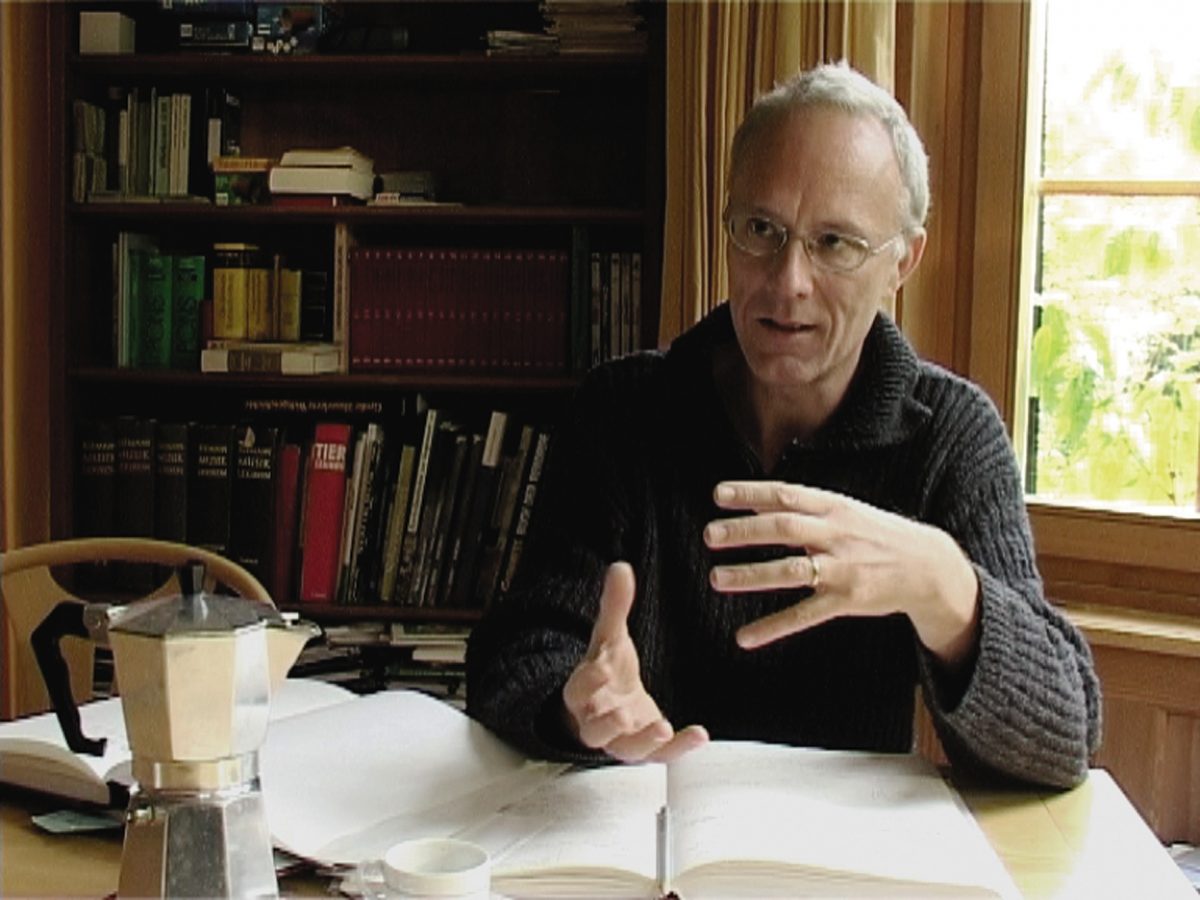
Jürg Frey allows musical notes to appear on his blank sheet in a playful way, ‘Not because I have something in my mind…but I like to draw dots and strings. And through this process, the impression of what this piece could be, starts to come into the foreground.’ From there he begins a dialogue with the music; it’s a mindful approach, apparent in his work. Part of the ’90s Wandelweiser group, Frey has been an advocate of silence as sound; the contrails of which are still present in his slow-moving pieces or long, solitary notes.

‘We feel the ‘handwriting’ of Graham McKenzie’

He is being truly celebrated at the Huddersfield Contemporary Music Festival (hcmf) this November with the UK premier of String Quartet No.3 played by Quatuor Bozzini and world premier of Accurate Placement with double bassist, Dominic Lash, amongst other work. This highly respected event is nearly 40 years old and as Frey describes it, ‘We feel the ‘handwriting’ of Graham McKenzie,’ the innovative festival director who added improvisation and electronica to the contemporary classical menu. This year even features an interdisciplinary piece with Graham Massey of 808 State and visual artists.


Mavericks striving for the boldest version of their music

Originally a clarinetist, Jürg was brought up in the ’50s with his dad playing violin in an amateur orchestra and sax in a jazz combo – a rarity then – as Frey says, ‘We played Mozart and Benny Goodman.’ As a composer he found his form and took inspiration from the ‘individualists’ that Switzerland is so good at producing. It’s also what drew me to Swiss artists: mavericks striving for the boldest version of their music, unrestrained by conventionality or the mainstream.

Their paint strokes affected the rhythm of his pulse

This is hard, hard work though, and risky. And for Jürg there are traps in his highly reduced music; how can it be so minimised yet still breathing? ‘The danger is that you have something that is death…10 minutes of music and 20 minutes of death material!’ It was the abstract painting of Agnes Martin that showed there was a way. ‘It is flat on the wall, but floats in space, and fills up the whole space,’ is Frey’s magical description of Martin’s artwork, and as he spoke of her and the still life painter, Giorgio Morandi, I sensed how they had changed him, and it is this changed person who composes. As if their paint strokes affected the rhythm of his pulse.

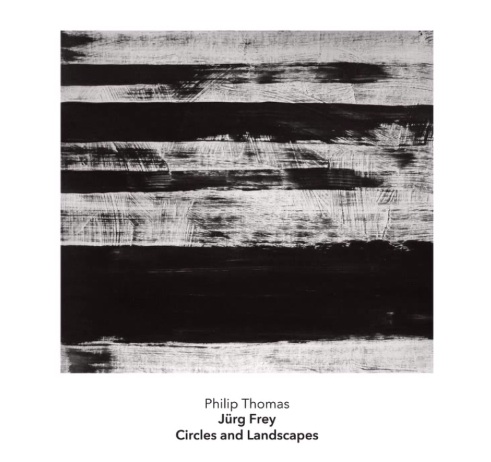
JurgFrey_CirclesandLandscapesListening to the new album, Circles and Landscapes (out on Another Timbre), it has the solo pianist Philip Thomas press the keys with such resonating deliberation I felt I was at the piano with him. There is not only vibrant life in this music, but maturity. Frey’s journey continues, he is not ‘there’ yet, but he is beyond the need to prove something, or make a point. His music just is.
Jürg Frey at hcmf
22 Nov: Quatuor Bozzini
24 Nov: Konus Quartett
27 Nov: Ensemble Grizzana
27 Nov: Philip Thomas

Bonne nouvelle : les bons pianistes romands se mutiplient!

Malcolm Braff et ses microrythmes, Michel Wintsch et son piano global, habité de sons annexes, Colin Vallon en trio ou en collaboration avec Nicolas Masson (Parallels) et Elina Duni, Marc Perrenoud et son power trio en perpétuelle ébullition, Leo Tardin maître des cérémonies de son grand Pianoramax, Johann Bourquenez, tête pensante de Plaistow (sans oublier le Fribourgeois Florian Favre et d’autres plus jeunes) : le pianistes romands sont légion. D’eux d’entre eux se disputaient les faveurs du public samedi soir au Festival Jazz Onze +.

SONY DSC
SONY DSC

Gauthier Toux n’est pas Suisse, mais presque! Français, il a fait ses classes à la HEMU de Lausanne. En combo avec le batteur un brin énervé, Maxence Sibille (un autre Français de Lausanne) et le contrebassiste danois Kenneth Dahl Knudsen, Gauthier Toux jongle entre Fender Rhodes et piano. Il faut dire que le pianiste a beaucoup de choses à dire, beaucoup de territoires musicaux à défricher. Gautier Toux a ici le doigté classique, là un penchant pour l’improvisation jazz, Son trio est traversé par le feu du funk, par l’énergie du hip hop. Il surprend aussi en flirtant avec des rythmiques empruntées aux musiques de danse ou au rock. Avouant avoir été être influencé par Jason Moran ou Eric Legnini, le Gautier Toux trio séduit par son énergie jubilatoire et communicative et sa palette de sons variées. Il faut pourtant s’échapper après 40 minutes de concert : direction la salle Paderewski où Gabriel Zufferey s’illustre lui en solo. Et un concert solo ça se déguste de bout en bout!

“La musique donne une âme à nos cœurs et des ailes à la pensée

©Mehdi Benkler
©Mehdi Benkler

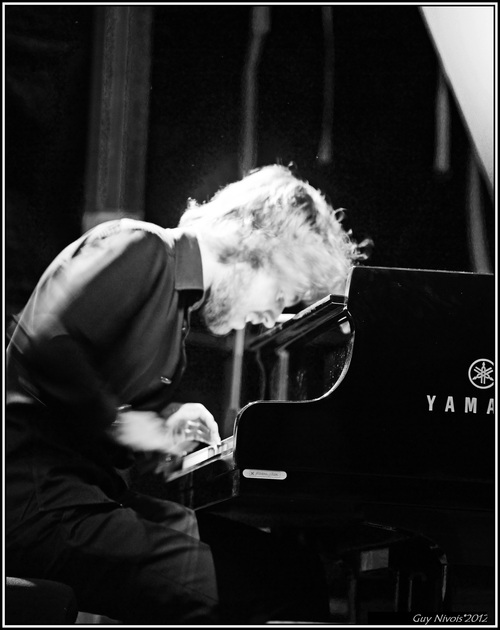
Gabriel Zufferey n’hésite pas à citer Platon sur son site Internet pour proclamer haut et fort son credo: une vision transcendante de la musique et un esprit vif toujours sur le qui-vive.  Samedi soir, le pianiste romand a choisi de placer sa performance sous le haut patronage de Bill Evans auquel il consacre son morceau d’ouverture et de clôture. Depuis qu’il a quinze ans, Gabriel Zufferey est considéré comme le petit génie du piano de ce côté-ci du la Léman. Désormais trentenaire, Zufferey n’est plus seulement un phénomène: il allie aujourd’hui à son intuition, une maturité et une dextérité toujours aiguisée. Couché sur son piano, on ne sait pas vraiment qui de ses doigts, de sa tête ou de son cœur contrôle la performance. Gabriel Zufferey peut caler sa main droite sur boucle rythmique de trois notes jusqu’à friser la saturation pendant que sa main gauche tourne autour de ce trinôme, semble parfois vouloir s’échapper pour de bon, mais n’y parvient jamais. Avec un petit air de professeur Tournesol, Gabriel Zufferey est un personnage et un artiste à la fois. Parfois drôle, parfois lunaire, il est capable d’évoquer  Satie, l’anniversaire de son amie et de jouer avec l’alphabet pour dire que le plus important est que sa musique vient du cœur. Gabriel Zufferey officie aussi dans un trio, Paralog, non moins libertaire, dont le nom  vient du grec paralogos qui signifie absurde…


Phall Fatale mit «Moonlit Bang Bang» im Helsinki in Zürich

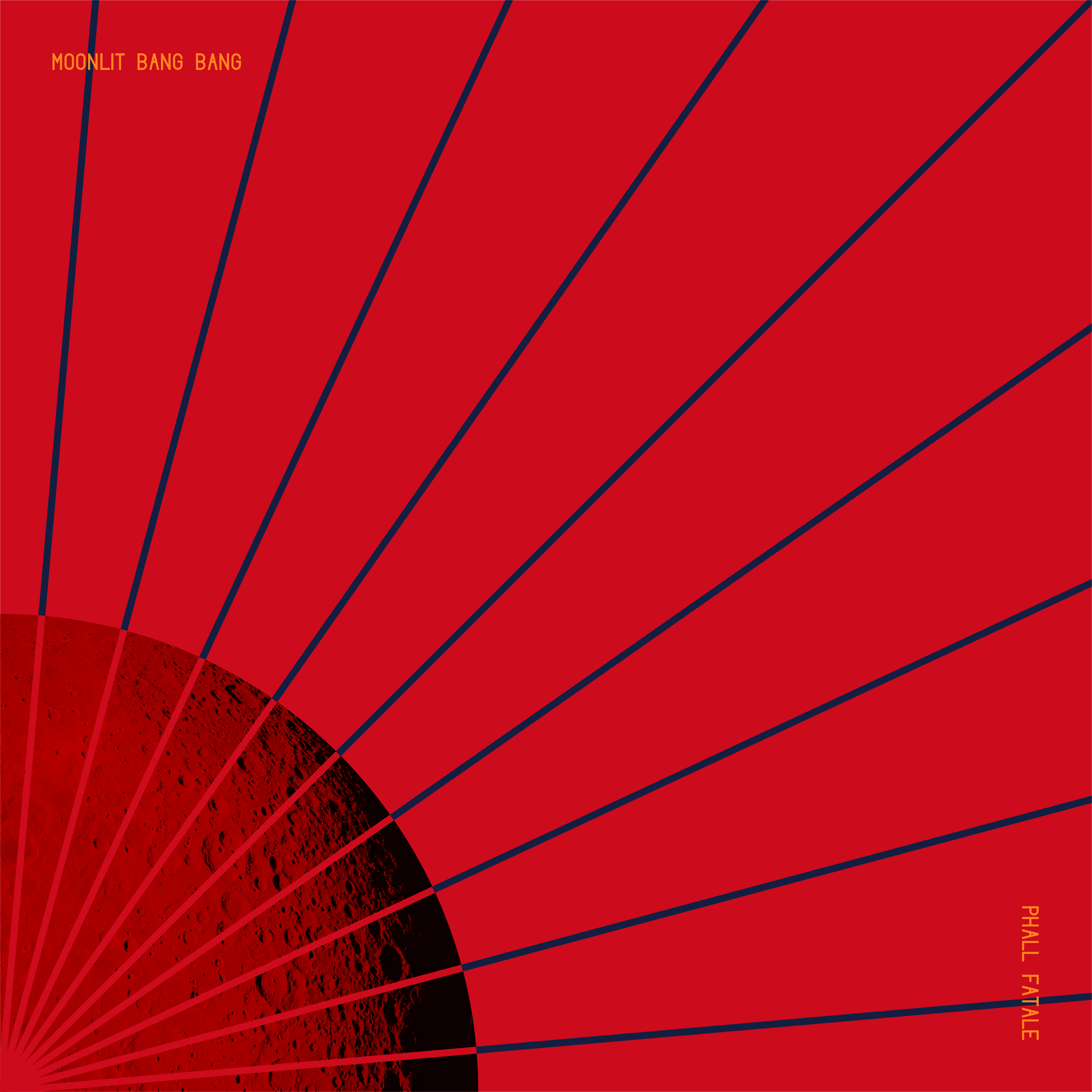
MINIfot_roland_okon_20140901_070_bSo recht weiss man nicht, wie einem geschieht, wenn man sich Phall Fatales zweites Album «Moonlit Bang Bang» anhört. Da ertönen Klänge, die man so nicht erwartet, geschweige denn einordnen kann. Wenn Phall Fatale all die scheinbar unvereinbaren Elemente in einen Topf wirft, entsteht nicht etwa eine braune, undefinierbare Brühe, nein: Sie erschaffen ein Mosaik aus tausenden Farben – die einzelnen Elemente unterschiedlich, die sich zusammen zu einem prächtigen Kunstwerk vereinen.

Akustische Explosionen, mal minimalistisch, mal wuchtig

Bei all den Klangexperimenten erstaunt es, dass keiner der Songs je überladen wirkt. Die Virtuosität der Musiker zeigt sich in der Umsichtigkeit, mit der die Sache angegangen wird. Weil all den akustischen Explosionen genug Raum gelassen wird, zu wirken, kommen sie erst recht zur Geltung; kein kurzes, gewaltiges BANG, sondern ein stetes Bang-Bang-Bang-Bang… Minimalistisch arrangierte Songs wie «Tree House» oder «Night» vermögen einen gleichermassen wegzublasen wie etwa das wuchtige «Crocodile».

Wer sich nach dieser Beschreibung noch nicht wirklich ein Bild von «Moonlit Bang Bang» machen kann, dem sei als Einstieg «Electric Eel» empfohlen: Die treibenden Beats werden einen nicht mehr loslassen. Und da wäre noch der Song «The Girl, The Beat», welcher uns eindrücklich demonstriert, wie sich ein perfekter Popsong im Jahr 2015 anhören könnte.

[youtube https://www.youtube.com/watch?v=J4bBjXFc59M]


Die Vielfältigkeit, welche Phall Fatales Musik so spannend macht, ist wohl auch auf die Besetzung zurückzuführen. Da fanden sich Musiker mit verschiedenen musikalischen Hintergründen: Zum seit vielen Jahren aktiven und in der Jazz-Szene bekannten Schlagzeuger Fredy Studer gesellten sich im Jahr 2008 zwei Sängerinnen, Joy Frempong (OY, Filewile) und Joana Aderi (Sissy Fox, Eiko), und zwei Kontrabassisten, John Edwards (Mulatu Astatke, Robert Wyatt) und Daniel Sailer (Frachter, Pol).

phall-moonlit«Fatale Tage» im Helsinki in Zürich

«Moonlit Bang Bang» erschien am 16. Oktober 2015 auf Qilin Records und Slowfoot Records. An den «Fatalen Tagen» im Helsinki in Zürich vom 4. bis 7. November 2015 – quasi ein Mini-Festival über vier Tage – kann man sich ein Bild davon machen, wie die Songs des neuen Albums live umgesetzt werden. Danach spielen Phall Fatale bis Mitte Januar 2016 Konzerte in verschiedenen Schweizer Städten.


CD
Phall Fatale, “Moonlight Bang Bang” (Dist Irascible)

Live
Die aktuellen Konzertdaten von Phall Fatale:
4. November 2015, Helsinki, Zürich, w/ Joy Frempong & Philippe Ehinger
5. November 2015, Helsinki, Zürich, w/ Pol
6. November 2015, Helsinki, Zürich, w/ Fredy Studer, John Edwards
7. November 2015, Helsinki, Zürich, w/ Sissy Fox
2. Dezember 2015, Cinema Sil Plaz, Ilanz
3. Dezember 2015, Le Singe, Biel/Bienne
4. Dezember 2015, Le Nouveau Monde, Fribourg
5. Dezember 2015, Südpol Club, Luzern
6. Dezember 2015, bee-flat, Bern
20. Januar 2016, Le Bourg, Lausanne
21. Januar 2016, Café Mokka, Thun
22. Januar 2016, Kraftfeld, Winterthur
24. Januar 2016, Kaserne, Basel


Jonas à bâtons rompus

Portrait2Presque dix ans se sont écoulés depuis son premier album, « Bagages ». Pourtant, la plume du rappeur genevois Jonas n’a pas perdu sa verve. Une plume qui se dévoile aujourd’hui à travers un nouvel album sobrement intitulé « Oxymore ». Une plume précise, où chaque mot est réfléchi et prononcé avec minutie. Une plume qui manie avec tact des thèmes comme l’homosexualité, les dérives du commerce de cacao et de l’esclavage qui en découle ou encore le deuil. Réelle explosion de saveurs musicales, « Oxymore » s’émancipe des contours du hiphop pour exporter le rap de Jonas sur des harmonies voyageuses, entre rock et jazz, orient et sonorités expérimentales. Rencontre.
Peux-tu nous expliquer le choix du titre de ton album, « Oxymore » ?

Jonas Lors de la période de vie où j’ai composé cet album, je ressentais beaucoup de tiraillements intérieurs. J’avais l’impression que chaque position que l’on a, chaque chose que l’on fait, charrie son contraire. Chaque fois que l’on fait quelque chose, on attire son opposé. Cela montre également que tout est un tout. Ces tiraillements intérieurs se retrouvent dans chaque texte. Un oxymore est une figure de style qui rassemble deux termes a priori contradictoires.

Qu’est-ce qui t’a donné le déclic de reprendre la plume, près de dix ans après ton premier album ?

Jonas Je n’avais plus rien à dire. J’ai tout quitté lors de l’enregistrement d’un disque avec le Taxi Brousse Orchestra et l’inspiration n’était plus là. Puis, petit à petit, les choses se sont remisent en place et le besoin de parler et de remonter sur scène sont revenus. Mon épouse m’a alors conseillé d’aller voir le pianiste Maël Godinat. Ensemble, on a commencé à composer des morceaux. Il a signé un peu près la moitié des compositions de l’album. Maintenant j’ai un groupe avec Mathieu Kracher (guitare), Maxence Sibille (batterie), Christophe Chambet (contrebasse) et Cédric Schaerer qui a remplacé Maël (piano).

[youtube https://www.youtube.com/watch?v=1MCYpsGFv_s&w=560&h=315]

Le titre « Génération » donne l’impression d’autobiographie tapissée de critiques de notre société. On sent un basculement dans le texte et dans la musique, juste avant ton couplet sur les années 2000. Mise à part le contexte international de cette époque, est-ce que cela a aussi été, pour toi, un basculement ?

studio3Jonas « Génération » est composé de quatre couplets dédiés à des périodes de vies différentes.  Mais, toute cette période de politique islamophobe, d’hégémonie des USA sur le reste du monde avec l’Europe qui se cache dessous a provoqué des questionnements. Je trouve toujours bizarre de penser qu’on arrive à faire tomber des tours avec des avions sans charges explosives et de retrouver un passeport saoudien dans les décombres. Cela m’a poussé à me renseigner et à user de mon esprit critique. J’ai l’impression que c’est travail insidieux qui vise à amplifier toute cette haine contre les musulmans. Il y a vraiment cette scission dans le monde. Je suis récemment allé au Mali et en revenant on m’a questionné car ce pays est considéré comme terroriste. Au bout d’un moment, on ne sait plus ce qui est terroriste et ce qui ne l’est pas. Si on regarde l’histoire, les résistants face à l’Allemagne nazi étaient considérés comme des terroristes. Si on reprend la définition de la terreur, tout le monde s’y retrouve. Tout est noir ou blanc. Tu es chrétien ou tu ne l’es pas. T’es un noir, t’es un blanc. Ce basculement dans le texte et la musique est peut-être aussi dû au fait que c’est une période où tu commences à devenir vraiment indépendant, à t’assumer seul. Après, ce n’est pas qu’une critique contre la société. C’est une autobiographie qui parle aux gens. Les gens qui ont vécu à la même période que moi, se reconnaissent. C’était une façon de recontextualiser le lieu d’où je viens au travers de références genevoises et parisiennes avec mes vinyles achetés à Tikaret. Je parle aussi de l’arrivé des roms à Genève, de l’arrivé des identitaires. A mon adolescence, tout cela n’était pas présent.
Qui se cache derrière la « Rose des Sables » ?

Jonas C’est un petit homosexuel que j’ai rencontré à Nouakchott (Mauritanie). On était sur un festival de rap où je donnais un atelier d’écriture. Un jeune est venu me voir pour me poser une question. Je m’attendais à ce qu’il me demande comment est la vie en Europe. Mais, il a commencé à me poser des questions sur l’homosexualité. J’ai trouvé cela vraiment touchant. Au bout d’une demi-heure, sentant qu’il pouvait me faire confiance et que je n’allais pas en parler ou le juger, il m’a annoncé qu’il était homosexuel. « Rose » car c’est la couleur qu’on attribue aux homosexuels et « sable » parce que là-bas il n’y a pas de goudron mais du sable partout. Je trouvais que c’était une jolie figure de style pour parler de lui. Son histoire était vraiment touchante car l’homosexualité est très difficile à vivre là-bas. C’est quelque chose de mal vu, que l’on condamne et qui est aussi considéré comme une « maladie » importé en Afrique par les blancs. Là, on parle d’un homosexuel en pays musulman, mais tu peux aussi transposer cette discrimination à un musulman dans un pays islamophobe, à celle d’un jeune juif en 39/45. C’est une question de minorité. Cette rencontre a été un vrai cadeau de la vie et m’a donné envie de parler de son histoire.

Sur le titre « On », tu tires un portrait assez décourageant de notre monde et tu demandes même si cette situation n’est pas de notre faute. Penses-tu qu’on puisse encore changer les choses ?

Jonas Dans « On », j’ai choisi d’utiliser le pronom impersonnel. Des fois je dis, « on nous fait ça » et d’autres fois « on subit ça ». Ce que je trouve intéressant avec le « on », c’est que desfois c’est nous et des fois c’est eux. On ne sait pas qui c’est. Je voulais dire que tout le monde participe. Il y a ce côté où tout le monde se plaint. On a tous un côté Oxymore, on subit tous des choses du système mais, en même temps, on y participe tous. A la fin du titre je questionne même sur l’identité de ce « on » : « C’est qui ce On, ce con, serait-ce moi au final / La farce, le dindon, en phase terminale / Pronom à la drôle de mine, tellement impersonnelle / Qu’il en perd son latin au fond des latrines ». Et j’y fais échos sur « Oxymore » : « Un système qui est la somme de nous-mêmes / De ce que l’on sème, on verra où ça nous mène ». Je pense que le monde dépend de chacun d’entre nous. Mais, quand on est dans ce côté impersonnel et que l’on dit tous « on, on, on, on », on se décharge, on se victimise et on se déresponsabilise.

J’aimerais que tu nous parles un peu d’une phrase du titre « Oxymore » : « Les plus belles roses poussent dans la merde, terreau fertile… »

RefletJonas Le premier exemple est le graffiti (dont je parle d’ailleurs dans le texte) et le hiphop. Regarde le fado, le flamenco, le blues et toutes ces musiques qui ont vraiment la niaque. Elles viennent du ghetto et des lieux où c’était la merde. Donc oui, les plus belles roses naissent dans la merde. Il y a des styles de musiques qui sont nés dans des milieux où l’argent était présent et que je trouve admirable. Mais il n’y a pas cette niaque, cette envie de vivre.

[youtube https://www.youtube.com/watch?v=uGINEEaTkh4&w=560&h=315]

Comment s’est passé la collaboration avec Gael Faye, Rox et Edgar Sekloka pour le titre « Comportement à Risque »?

Jonas On est pote depuis longtemps. On s’est rencontré à un atelier d’écriture il y a environ sept ans. Quand on les a entendu rapper, on s’est dit : « Wow, vous étiez où ?! Enfin des rappeurs qui assument qu’ils approchent la trentaine, qui peuvent avoir de la technique et des textes touchants ». On s’est senti moins seul. C’était un coup de cœur réciproque, la rencontre de nos frères de plume. Niveau fond, forme, c’est la famille. Pour moi, c’était évident de les inviter sur l’album. J’avais déjà commencé à écrire le titre et quand je leur ai envoyé il leur a tout de suite plus. On a composé le refrain en studio et on l’a gardé. En ce qui concerne le thème, c’est quelque chose que l’on a en commun : comment avancer à contre-courant (dans la société et dans le rap). J’ai été bluffé par leur performance.

D’un point de vue harmonique, c’est un album très riche avec des influences rock, jazz, orientales et des éléments plus expérimentaux comme sur « La Baleine ». Pour moi, le hiphop n’y figure que par suggestions…

Jonas Ce que j’ai gardé du hiphop, c’est le rap. Comme pour les frontières territoriales qui ne m’intéressent pas vraiment, les frontières du hiphop ne m’intéressent pas non plus.

Le tapis musical de cet album est construit de manière subtile et recherché. Quelle était ta volonté musicale première ?

Jonas Je voyais quelque chose de vraiment plus perché avec du violoncelle et pleins d’autres trucs. J’ai beaucoup été influencé par le titre « Be Brave » de My Brightest Diamond qui est l’un des meilleurs  morceaux que j’ai entendu ces dernières années. Finalement, on est revenu vers quelque chose de plus rap. Par contre, j’avais cette envie d’enregistrer tout les instruments en une prise et de reposer les voix après. On a fait des concerts avant d’enregistrer pour permettre aux musiciens de vraiment roder le truc et de s’approprier les morceaux. Pour moi, il fallait de bons textes mais également de la bonne musique.

Avec cet album, tu as posé des mots sur notre époque mais tu as aussi cherché des réponses. Tu comprends un mieux le monde qui t’entoure ?

Jonas Je ne pense pas avoir des réponses mais je pense poser des questions plus précises. Je pense que c’est important de garder des questions ouvertes et de ne pas s’arrêter. « Oxymore » parce que les choses ne sont pas telles que tu le penses. Ces gens qui votent UDC mais qui, sur certains points, sont des personnes magnifiques, ces leaders politiques de gauche qui se comportent comme des connards dans le privé. Dans le titre « Sur les toits », je parle de ce besoin d’aller là où je peux mieux voir les étoiles. Quand tu sors d’un concert, tout le monde est ton pote. Quand tu galères un peu, tu vois comment les gens se comportent avec toi. Chaque chose est vraiment une source d’apprentissage. Je pense qu’on est dans une société qui veut donner des réponses toutes faites. Il faut entrer dans des cases. Mais, on est pas dans une époque où il faut donner ce type d’explications. Il faut rester ouvert au questionnement. Ce disque est une invitation à réapprécier le monde pour ce qu’il est. Il y a aussi le deuil, le deuil de la désillusion. C’est pour cette raison que la pochette à un côté carte de condoléances. Il y a des choses qui meurent. Mais, quand cela arrive, d’autres choses naissent.

Le disque

Jonas, Oxymore (jonasmc.com Dist Irascible)
Jonas Oxymore Bandcamp

Live

Genève, Disco Club (en duo), 30 octobre 2015
Nyon, Usine à Gaz, le 7 novembre
Neuchâtel, Bar King, le 21 novembre
Delémont, SAS, le 4 décembre 2015
Fribourg, La Spirale, le 30 janvier 2016