Record of the Month (April): Nadja Zela «Immaterial World»


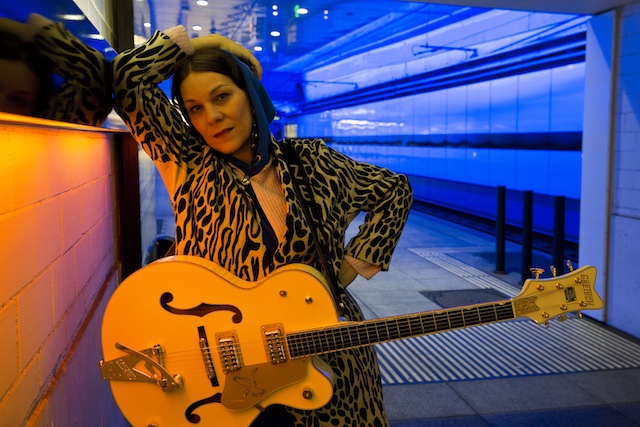
zela_2016_4a_rgb©niklaus_spoerriEin Banjo zupft ein repetitives Muster, die Band setzt mit einem bestimmten, akzentuierten Spiel ein, während die Protagonistin durch den mit blauem Industrielicht ausgeleuchteten Gang schreitet – und näher kommt. Sie hat eine elektrische Gitarre, Marke Gretsch, umgehängt und als sie ankommt am Ende des langen Korridors, singt sie nur die Worte: «I’m still alive.»


Eine markante weibliche Stimme in der Schweizer Rocklandschaft

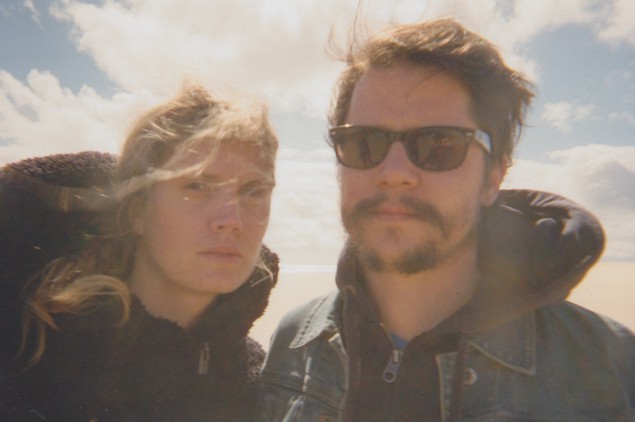
Die «Überlebende», die diese Zeile nicht ohne Trotz intoniert, ist Nadja Zela, die glücklicherweise immer noch da ist und seit über zwei Jahrzehnten eine markante weibliche Stimme in der Schweizer Rocklandschaft ist. Erst waren da Bands wie The Whooshings oder Rosebud, später dann Fifty Foot Mama. Ab 2009 veröffentlicht Zela nur noch unter eigenem Namen. Immer war die 44-jährige Zürcherin da, doch nie mittendrin. Denn dazu sind ihre Musik und ihre Stimme zu eigensinnig und unverkennbar. Und vor allem: Zela lässt sich nicht vereinnahmen. Wenn es zu bequem wird, dann bricht sie auf – und geht weiter.

[youtube https://www.youtube.com/watch?v=ROpSOozi3G0&w=640&h=360]

“Ich bin doch nicht Blues! Ich bin auch nicht Rock oder Folk!”

«Immaterial World» ist ihr viertes Album. Sie hat es mit einer neuen, rockigeren Band eingespielt – mit Martin Fischer am Schlagzeug, Michel Lehner am Bass, Nico Feer an Gitarre und Bruder Rico Zela an Orgel und Oboe. Mitproduziert wurde es von Mama-Rosin-Mitglied Robin Girod. «Ich hatte einfach plötzlich wieder dieses Lechzen nach einer Rockband», schreibt sie. Denn ihr wurde es «zu Comfort-Zone-mässig» mit der vorherigen jazzigen Formation. «Ich mag es einfach nicht, wenn eine Szene mich für sich beansprucht. Ich bin doch nicht Blues! Ich bin auch nicht Rock oder Folk! Ich will Zela sein, irgendwas zwischen Bowie, Sister Rosetta Tharpe und Cheyenne aus ‘Spiel mir das Lied vom Tod’», so Zela.

Eine Art kollektive Ahnung

Das Album beginnt mit einem stillen «Prelude». «We are the children of the old world», singt Zela, nur begleitet von ihrem Gitarrenspiel. Sie meint mit dieser Zeile vor allem ihre Generation der «Golden Age Kids in Europa» – «die aufgeklärte, prosperierende, kolonialisierende, missionierende alte Welt.» Eine Welt, die wie der Kapitalismus ihrer Meinung nach ausgedient habe. Die «Immaterial World», die Zela in zwölf Songs besingt, empfindet sie «als eine Art kollektive Ahnung von einer seelischen Verbundenheit der Menschen in ihrem Bestreben nach Liebe, Zusammenhalt und Frieden.» Dies sei nicht religiös oder esoterisch motiviert, sondern rein emotional zu verstehen.

Die Gegenwart und Vergangenheit zu überwinden

Und so klingt denn auch «Immaterial World», das versucht, aufzubrechen in diese neue, bessere Welt – und es aber nicht immer schafft, die Gegenwart und Vergangenheit zu überwinden. Weil: Die Verletzungen, das Elend und Ungerechtigkeiten der momentanen Gesellschaft, sie geben den Ton mit an, beispielsweise im schroffen «I’m Still Alive» – einem der Schlüsselsongs der Platte – oder gleich darauf in «Break Every Bone». Und selbst wenn die Band ausgelassen aufspielt wie in «Sunday Morning» fühlt sich die Sängerin allein. Aber: «I try to carry on», weil es muss weitergehen, irgendwie.

[soundcloud url=”https://api.soundcloud.com/tracks/242718550″ params=”auto_play=false&hide_related=false&show_comments=true&show_user=true&show_reposts=false&visual=true” width=”100%” height=”450″ iframe=”true” /]

Es gibt aber auch Hoffnung, und Aufrufe zu mehr Solidarität wie im grossartigen «Mercy on the Weak», in dem Zela und ihre Band eine entspannte und doch dringliche Gospelspielart entwerfen. Überhaupt: Diese Band folgt Zela und ihrer Stimme überallhin – sei es im Reggae «Level Off Level Out» oder im abschliessenden und tröstenden «Homeless Son» – und es ist zu hören, dass hier etwas gemeinsames entstanden ist, das mehr ist als nur eine weitere beeindruckende Soloplatte. Denn es ist so (und da darf man schon mal pathetisch werden, etwas, das dieses Album zu keiner Zeit ist): Nur gemeinsam ist sie zu erreichen, diese «Immaterial World».

Nadja Zela: «Immaterial World» (Patient Records/Irascible)

Konzerte:
16.04., Bundeshaus zu Wiedikon, Zürich
27.04., Kraftfeld, Winterthur
29.04., Le Singe, Biel
30.04., Kammgarn, Schaffhausen
06.05., Palace, St. Gallen
16.07., Café Kairo, Bern
02.09., Neubad, Luzern
03.09., El Lokal, Zürich:
17.09., Kiosk Tabak, Zürich
29.10., Bibliothek, Dottikon

Record of the month (October): Evelinn Trouble “Arrowhead”

Unknown-1Comparisons are inevitable between Linnéa Racine (alias Evelinn Trouble) and her sister compatriots, Sophie Hunger and Anna Aaron. Swiss German warrior queens unconventionally reinventing their own style and vocabulary of the feminine musical idiom. Admittedly, Trouble is the most daring and dangerous of the lot. Starting out aged 16, her 4th LP ‘Arrowhead’ marks ten years of Trouble’s eclectic, defiant stance on the alternative Swiss music scene.
This is clearly NOT easy listening

Conceptually speaking, ’Arrowhead’ flies straight at you like a the sharp, piercing foreign body it suggests to be. An epically dark, dramatic work that lends itself perfectly to the term ‘rock poetry’. Based on the idea of a travelling performer hit in the middle of the forehead by a flying arrow at the airport en route to a gig, no time to have it removed, the show must go on. The nine tracks recount the torment, anguish and rebellion of the dreamlike state that Arrowhead is thrown into. « Like a chickenless head, living among the dead, run around with my arrow in my head, cannot get my head around where to be or where to go ». It’s an opus best appreciated with some context otherwise the oppressive, trippy, melancholic vibe might be at times too relentless for the listener. This is clearly NOT easy listening. Having the lyrics to hand, studying the Ziggy Stardust-inspired visuals and accepting the rock opera tendencies all help to glean the mesmerising scope of this project.

[soundcloud url=”https://api.soundcloud.com/playlists/145191342″ params=”auto_play=false&hide_related=false&show_comments=true&show_user=true&show_reposts=false&visual=true” width=”100%” height=”450″ iframe=”true” /]

“An orchestrated trip”

Recorded in four days at the Invada Studios in Bristol, there are flashes of Massive Attack spaciousness and Portishead introspective mournfulness. Joined by musicians Florian Götte (bass) and Domi Chansorn (drums and percussion), Evelinn Trouble wails, plays guitar and adds sound layers. There’s an angry intention behind most tracks, the production is haunting and echoey with clashing, crashing sounds symbolic of an urban anxiety dream. A trapped soul is desperate to get out, yet revolted by what it has to go back to. Mumbling, fumbling, pleading, screaming. As the press release states, « it’s an orchestrated trip ». Trouble’s restless spirit and powerful blues voice conveys this alarmingly well.

It makes sense to see the whole body of work as a journey

In conversation, she mentions her desire to make a ‘concept album’ rather like those heavy rock pieces of the 70s. « There are melodic motifs that reappear throughout ‘Arrowhead’, repeated symbolism in various tracks, so it makes sense to see the whole body of work as a journey. Everything came to me quite magically. I actually had the dream of the arrow getting stuck in my head. It came at a time when I was travelling around a lot like many musicians. I was in a constant state of confusion, no home base, no safety, the urban traveller lost in a sometimes dangerous environment. I guess this is the sentiment I’m trying to convey the most. Life is not nice and easy all the time. The arrow will eventually come out, or you just forget it’s there and you learn to live with it ».

Apart from touring the album this winter, Trouble will be performing in the Thom Luz production of ‘Unusual Weather Phenomena Project’ in Zurich. Seeing as the theatre is clearly a place she’s comfortable with, I look forward to seeing the stage production of ‘Arrowhead – The Rock Opera’ at some point in the future.

New LP
Evelinn Trouble, “Arrowhead”, Bakara Music

Forthcoming gigs:
16.10. Le Singe, Biel (CH)
17.10. Le Bateau Ivre, Mons (BE)
20.10. The Finsbury, London (UK)
21.10. Powerlunches, Dalston (UK)
22.10. Mother’s Ruin, Bristol (UK)
23.10. Shacklewell Arms, London (UK)
24.10. Mau Mau Bar, London (UK)
25.10. The Union Bar, Hastings (UK)
30.10. Moods, Zürich (CH)
31.10. Mokka, Thun (CH)


Wenn Ursache und Wirkung zu Klang werden

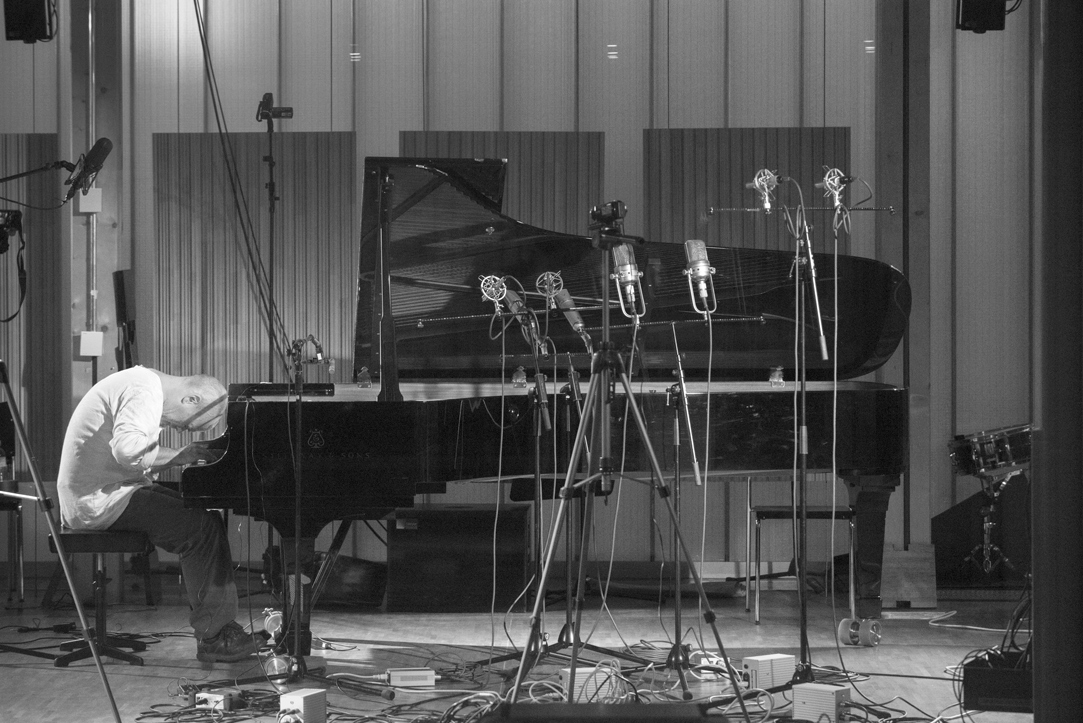
Gleich bei der sinnigerweise „Ghost Fun“ benannten Einstiegsnummer raschelt und klappert es im Hintergrund, eine weit entfernte Stimme schnauft und singt – oder besser spricht –die Motive ansatzweise mit, die das Klavier fiebrig anreißt. Dass Klappern beim Genfer Pianisten und Komponisten Michel Wintsch zum Handwerk gehört, darf man indes schonb lange vor seinem neuen Album „Roof Fool“ behaupten. Schon immer hat sich der mittlerweile 51-Jährige für die Interferenzen und Interpolationen von Musik interessiert, für den Beiklang ihrer Entstehung, für die Hörbarkeit von Ursache und Wirkung. Schon als Kind wurde Klavierspielen für ihn zu einer Art „unverzichtbarer Askese“, wie er es selbst beschreibt, und das Erschaffen von Klängen zu einer Lebensweise. Was an Musikschulen gelehrt wird, hat ihm deshalb nie genügt, Wintsch suchte seine Inspiration immer in den verschiedensten, nicht unbedingt alltäglichen oder offensichtlichen Quellen.

Urklänge mit vielfältigen Bausteinen

pnomic(1)So ist Wintsch immer ein Avantgardist gewesen; einer freilich, bei dem die als klassische Avantgarde angesehene Moderne Musik nur ein kleiner Baustein ist. Der Spirit des Freejazz, die formalen Strukturen der Orchesterkomposition, die radikale Reduktion der Minimal Music, die Energie des Progressive Rock, die Sounderweiterungen der Elektronischen Musik – all das fließt in seiner Musik zusammen. Das machte ihm zum idealen Gefährten von Freigeistern wie Han Bennink, Ray Anderson, Michel Doneda, Fred Frith (zusammen mit der Schweizer Experimental-Vokalistin Franziska Baumann, der chinesischen Pipa- und Guqin-Spielerin Yang Ying oder dem Quintett desjungen Schweizer Trompeters Marco von Orelli; zu einem gefragten Theater- und Filmmusikkomponisten, zum Beispiel für zwei Spielfilme von Alain Tanner; vor allem aber zum immer noch unterschätzten spiritus rector diverser eigener Projekte, vom Trio WWW mit Christian Weber und Christian Wolfarth bis zum Sextett Face Nord.

Abstrakte Musik für den Live-Moment

hatOLOGY 730_cover(1)Dazu kommt mit „Roof Fool“ jetzt wieder ein Soloprogramm, das den eingeschlagenen Weg fortsetzt. In den meisten der 14 ganz disparaten, oft ganz auf eine starke Idee vertrauenden und deshalb erfreulich kurzen Stücken brodelt ein nach allen Seiten offener Urklang vor sich hin. Es kann dann ganz atonal und sprunghaft werden („Shopping Ladies“), aber auch sphärisch-melodisch („Phytihob Wag“), mal ein Spiel mit Pausen und Anschlägen („Là où y a des croîtres“), ein wilder rhythmischer Parforderitt („Si c’est assez, cessez“) oder eine locker vor sich hinschaukelnde Miniatur („Adroit à gauche“). Selbst wenn die technischen Anforderungen hoch sind wie bei „Dyuke“ und das Timekeeping in die Nähe des Schlagzeugspiels rutscht wie beim Titelstück, steht das Pianistisch-Virtuose nie im Vordergrund, stets geht es um die Klangidee.
So bleibt Wintschs Musik abstrakter, weniger gefällig und schwerer zugänglich als die der meisten anderen Pianisten – selbst wenn manches nicht eines erfrischenden Humors entbehrt, wie ja schon der Name von Wintschs bekanntestem, seit 1998 bestehenden Trio mit dem US-Schlagzeuger Garry Hemingway und dem Schweizer Bassisten Benz Oester: The Who Trio. Seine Musik ist oft eins mit ihrem Entstehungsprozess. Schon deshalb ist die Aufnahme hier in besonderer Weise nur ein Hilfskonstrukt zur Bewahrung dessen, was eigentlich ganz dem Moment gehört. So wird der Spezialist „Roof Fool“ mit viel Gewinn hören, die meisten Hörer aber werden sich anstrengen müssen. Für sie dürfte es äußerst hilfreich sein, Michel Wintsch beim kreativen Akt beobachten zu können. Diese Gelegenheit ergibt sich am 30. August beim Willisau Jazzfestival, wenn Wintsch sein Album vorstellt. Alleine am Flügel, aber mit dem für das Projekt äußerst wichtigen Soundmann Benoit Piccand – womit wir wieder beim Rascheln und Schnaufen sind.

Live: Sonntag, 30. August, 14 Uhr, Hauptbühne des Willisau Jazzfestivals

Michel Wintsch „Roof Fool“, HatHut Records


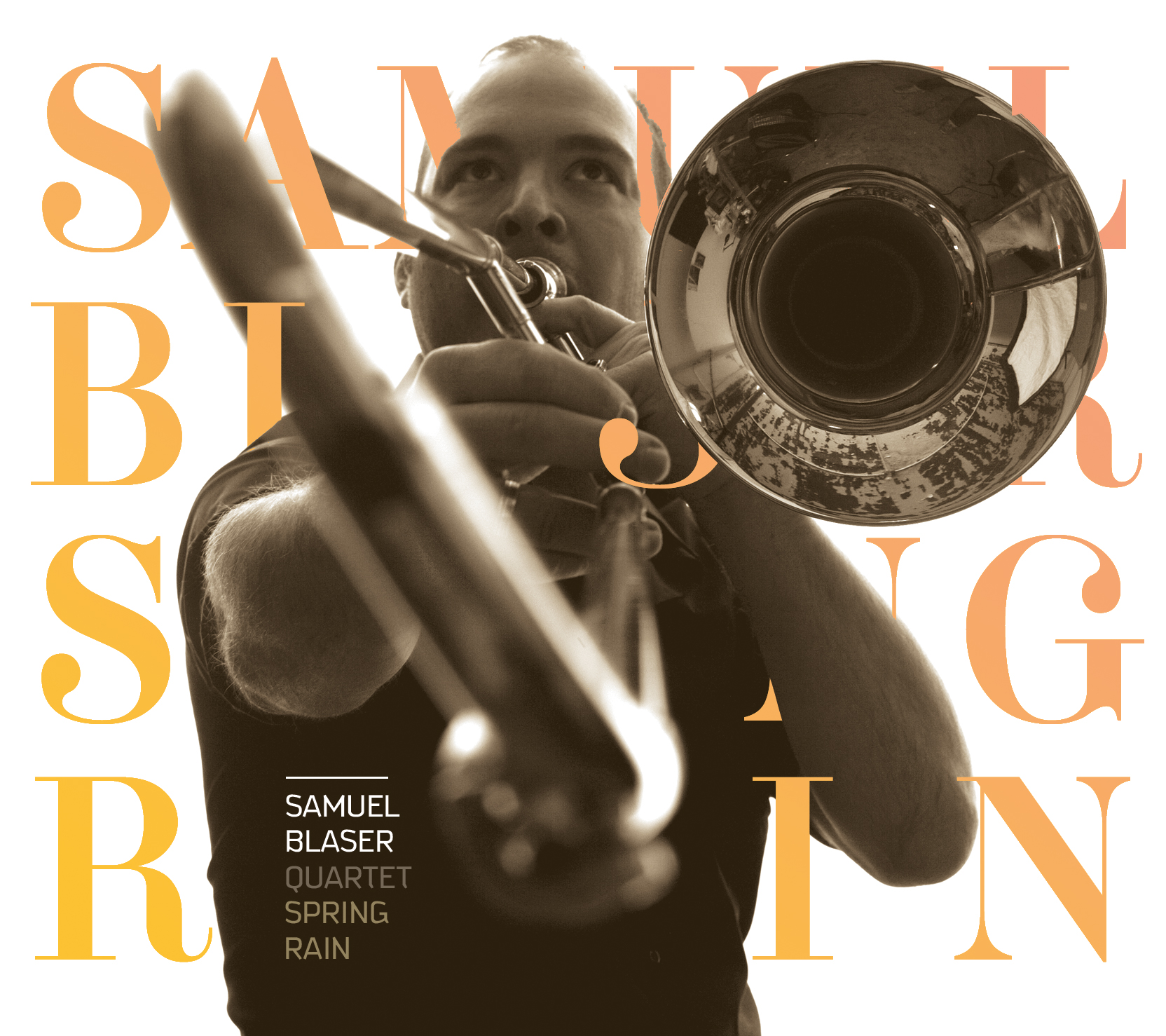
Record of the month: “Spring Rain” by Samuel Blaser

Samuel Blaser's Spring RainBlaser trills and sways with a wonderful, inebriated tone
Samuel’s opening notes of ‘Jesus Maria’ emit a tone of skewed warmth, imperfect but aglow. What follows is an almost heartbreaking conversation between Blaser, Russ Lossing whose piano notes fall as clear spring raindrops, and the ghostly double bass of Drew Gress. Gerald Cleaver locks into this sensitivity brushing drums or rustling cymbals and I drifted into a meditation that I didn’t want to leave. It’s a gorgeous piece written by Carla Bley and was featured on the Jimmy Giuffre 3‘s album Fusion, 1961. Spring Rain is a tribute to Giuffre, specifically his now-revered, explorative work with Paul Bley and Steve Swallow and combines covers with original compositions in a conducive listen.

Lossing makes the difference in ‘Missing Mark Suetterlyn’: as Blaser trills and sways with a wonderful, inebriated tone, Russ brings the double joy of piano and keyboards (he plays Minimoog, Fender Rhodes and Wurlitzer on this album). His electronic runs and chord stabs funk it up, space it out and take us into a thrilling, lawless landscape. All the time Cleaver is finding off-beats with laudable subtlety; he’s finely integrated but always notable.

A warm ’60s jazz homecoming
This track leads straight into the lucid melody of ‘Temporarily’ (another Carla Bley composition). There’s a sense of the recognisable here, like a warm ’60s jazz homecoming. Blaser hits the spot in the way a trumpet can – with soulful, cool sensibilities. Spring Rain has been directed by Robert Sadin, a classical conductor (a vital point as there are flavours of classical expressionism in Blaser’s playing) who also arranged and produced output such as Gershwin’s World by Herbie Hancock. From the musical themes to the sequencing, this feels a quality production.

I adored Blaser’s short solo ‘Homage’, its romantic grief like a modernist ‘Last Post’. If it was played with Blaser’s late manager, Izumi Uchida in mind, I can’t think of a more touching goodbye. ‘The First Snow’ is a free-for-all improv that again shows how this quartet is greater than the sum of its parts. They entangle themselves yet create space for ideas to breathe a fresh air.

Blaser: “Beautiful melodies and no boundaries”
If I’m honest I don’t find the trombone an easy listen, but the combination, especially with Lossing’s exquisite electronic touches, creates both an engaging tension and harmony. Blaser says, “I want people to know that there is jazz, blues, classical music, beautiful melodies and no boundaries,” and maybe that’s why I like this album. However I also think taking Guiffre as inspiration has given Blaser permission to incorporate five interpretative covers as well as provide a fertile direction for composing.

The Giuffre 3 are now recognised for their crucial contribution to free jazz, but disbanded in 1962 after the avant-garde album Free Fall and a gig where they earned 35 cents each. I’m certain there are quite a few musicians out there now who can relate to that.

Spring Rain will tour in November and December 2015.
Whirlwind Recordings

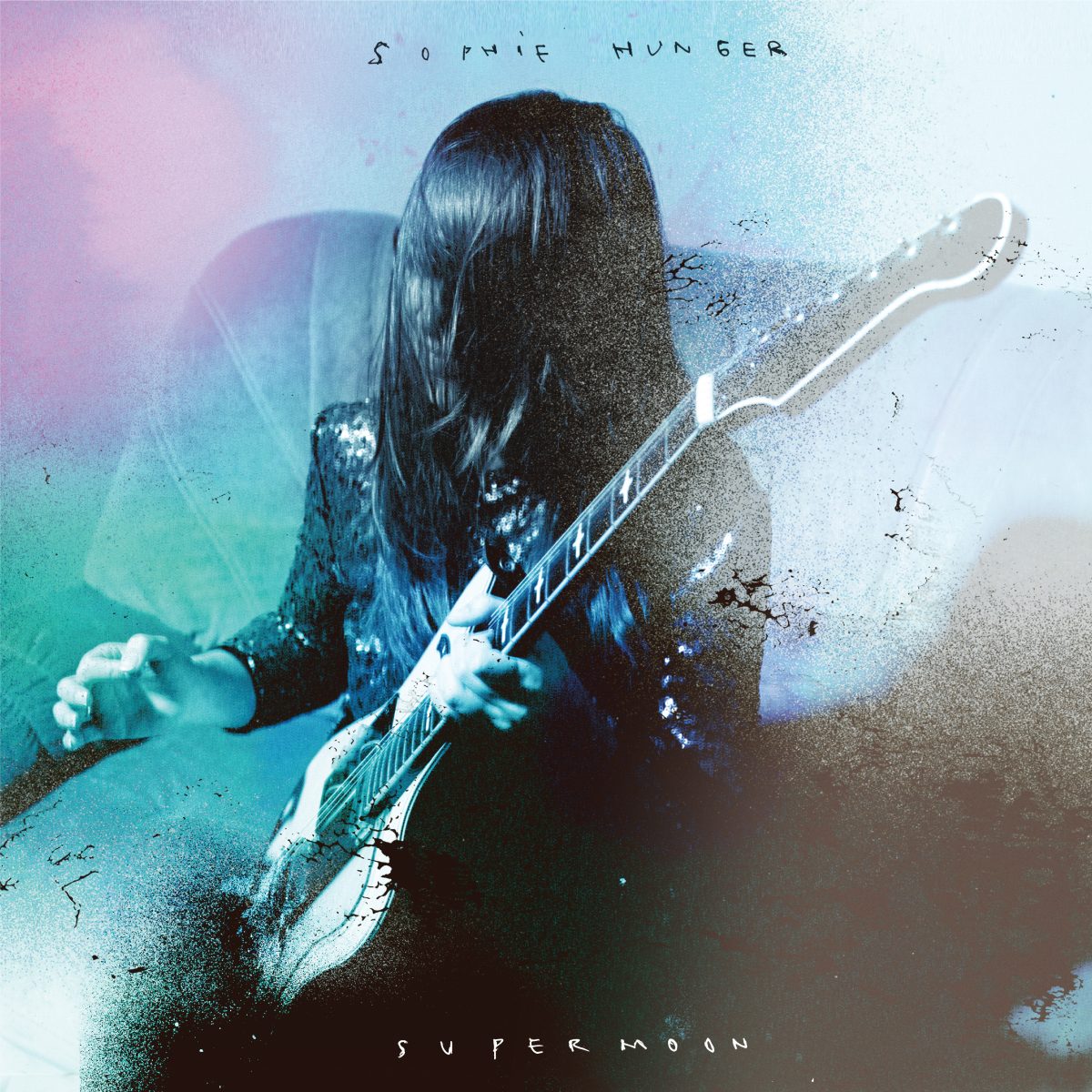
Sophie Hunger “SUPERMOON”

Cover_SophieHungerMuch has been written about Sophie Hunger‘s stellar credentials: polyglot singer-songwriter, multi-instrumentalist, bandleader, film-maker, the only Swiss artist ever to play Glastonbury, etc… Yet, visually speaking, there’s little hint that she’s one of Switzerland’s most incisive, defiant and successful artists. Watching some of her live footage on YouTube, I was struck by how demure her physical appearance is; she could easily be mistaken for a young graduate turning up for an administrative internship at the local bank. I mention this simply because after listening to her fifth studio album, SUPERMOON just released on Two Gentlemen, I realise that she is indeed establishing herself as a heavyweight on the Swiss alternative pop scene and personally find her lack of super-sized-me visual representation very refreshing. A woman of substance. Like a tough hand in a velvet glove, Hunger’s musical approach often seems understated but is as tough as a big slap when you decide to pay attention.

Uncompromising, intimate, bewitching

The LP was recorded, mixed and mastered in a variety of international locations, hinting at a healthy investment of the part of her record company and a musical confidence of knowing who was going to bring out the best in her sound. SUPERMOON bears many her usual trade marks: uncompromising, intimate, bewitching. Inspired by a trip to the Golden Gate Park museum in San Francisco, the moon takes centre stage as muse in this work and sets the haunting, floaty, echoey tone throughout most of the 12 tracks.

It’s a generally sparse, languid, introspective work that to its credit doesn’t feel over-produced. Space is indeed the place. The title track is all gentle folk guitar and echo-chamber vocals, languid and contemplative with beautiful harmonies that soon seep in and have you looking at the earth from her dark, lunar perspective.

A perfectly lilting, sombre pace

Melodically beautiful and emotionally rich ballads are plentiful. ‘Die Ganze Welt’ being a prime example of a perfectly lilting, sombre pace that is cut through by her sensitive vocal limpidity. ‘Fathr’ is also a stand-out slowie, wonderfully uplifted by divine string arrangements and again a peg on which to hang a silvery vocal delivery full of depth and feeling. Footballer/actor, Eric Cantona makes an unusual appearance as her erstwhile lover in the duet ‘La chanson d’Hélène’ and together they make a decent enough job of this cover version originally done by Romy Schnieder and Michel Piccoli – possibly a strategic move to please Sophie’s large French following.

The potential to be a screaming smash hit single

Thankfully, it’s not all liquid, languid grey tones, there are bursts of great up-tempo rhythms that retain Hunger’s defiant dark edge, adding some fire energy to the moon dance. ‘Mad Miles’, again inspired by her recent trip to California, has the potential to be a screaming smash hit single with its sinister start, big pop chorus, distorted guitar solo middle and tidy end. Similarly ‘Love is not the Answer’, ‘Superman Woman’ and ‘We are the living’ – all examples of perfectly formed, socially-conscious, urgent 3 minute indie wonders.

The question is does Sophie Hunter really want to get into the smash and grab international pop arena that she sometimes hints at? Or is it preferable for her to stay slightly aloof in the shadowy world of underground cult status? A kind of Swiss PJ Harvey full smoldering talent and recalcitrant attitude? SUPERMOON suggests that both options are possible.

Forthcoming live gigs:
17.05 – Zürich, X-Tra
10.07 – Montreux (Montreux Jazz Festival)
25.07 – Lucerne, Blue Balls 
[soundcloud url=”https://api.soundcloud.com/tracks/193320011″ params=”auto_play=false&hide_related=false&show_comments=true&show_user=true&show_reposts=false&visual=true” width=”100%” height=”450″ iframe=”true” /]

Disque du mois de janvier: « Thrill Addict » de Peter Kernel

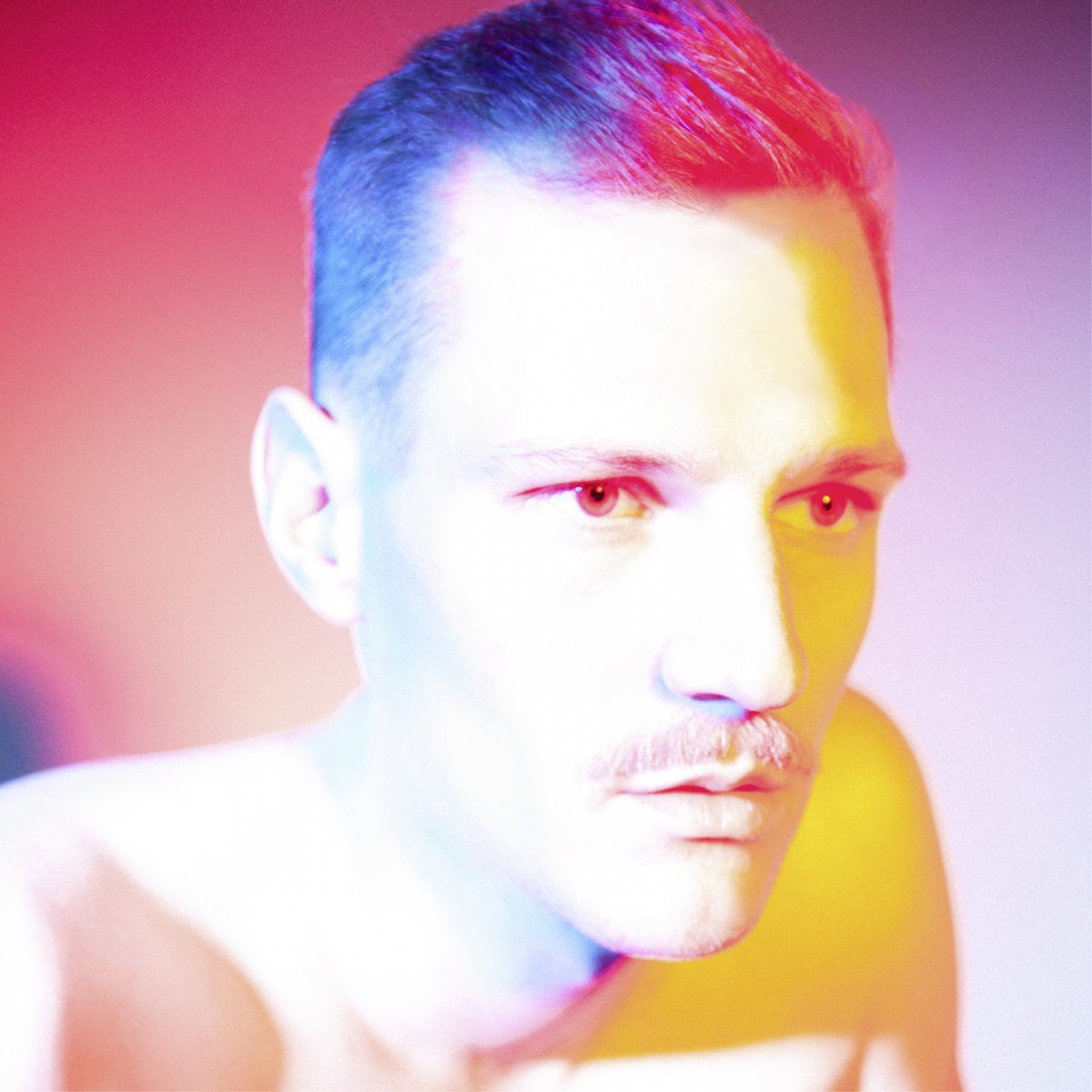
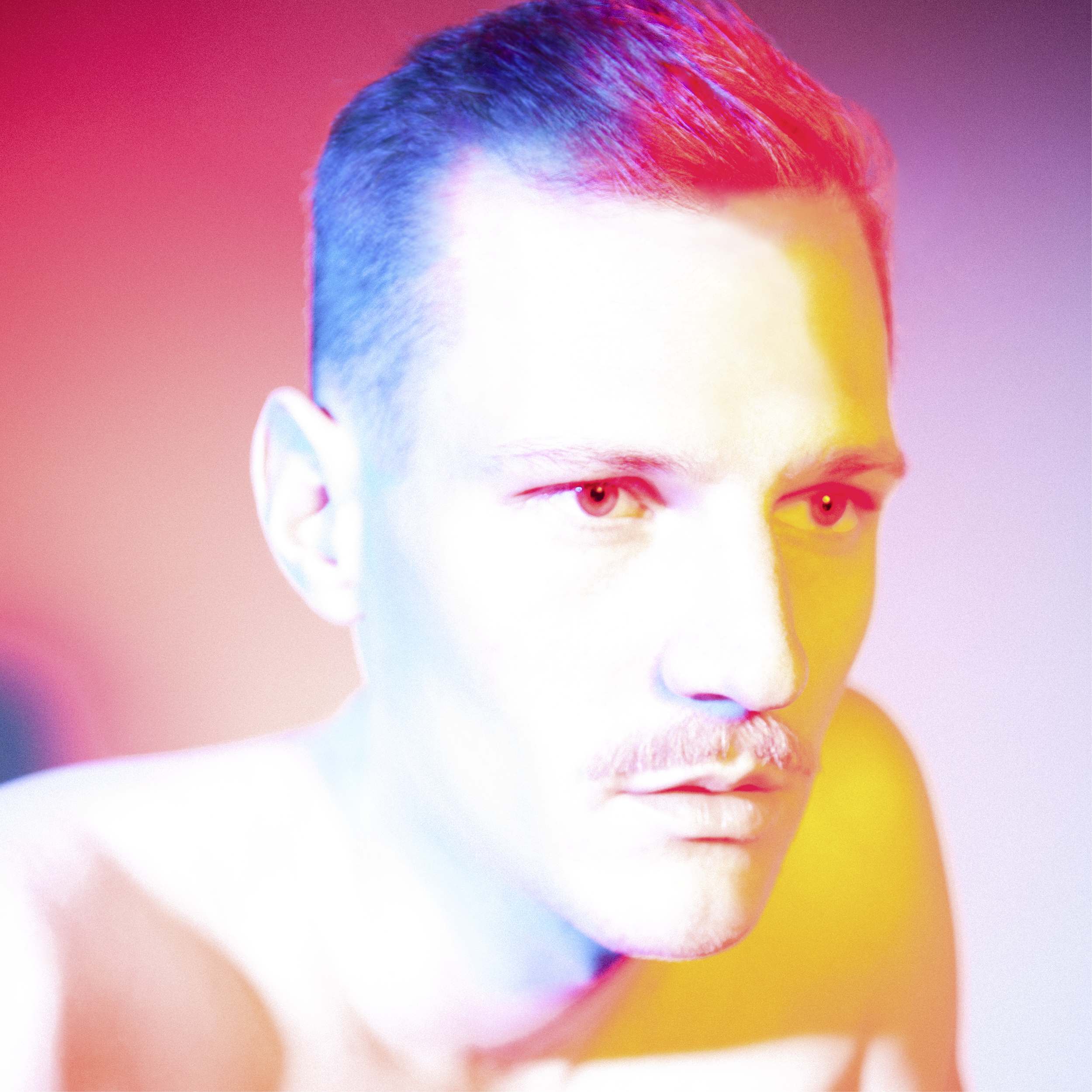
Les riffs et les tripes, l’amour et l’insolence, les beats et les claques : longtemps, Peter Kernel s’est forgé sur ses instincts primaires. Ceux qui faisaient tournoyer une Barbara Lehnoff possédée sur une basse délaissée et un Aris Bassetti sombre sur sa guitare frénétique. Une incandescence de l’instant, qui brillait surtout sur scène (voir la chronique d’un de leur passage au Point Ephémère), quand le couple réinventait la danse des sens, sur les rythmes enragés de leur batteur Ema Mathis. Frissons fugaces, donc : l’émotion s’envole, les cris restent. Avec leur troisième album, le bien nommé « Thrill Addict » (accro au frisson, en VF), Peter Kernel voit encore plus loin : l’étincelle a allumé un foyer plus stable, prêt à scintiller longtemps dans l’espace (l’un des thèmes principaux de ce disque, justement).
[youtube https://www.youtube.com/watch?v=DhJfNKpPJPo&w=854&h=510]

« Tout ira bien, on a un plan et du temps » susurre Barbara, en guise de programme sur la ballade quasi cold wave « It’s Gonna be Great ». Et le plan, c’est de canaliser ces pulsions primitives du rock abrasif. Juste un exemple : Barbara la prêtresse hurleuse (« High Fever ») peut se faire douce – et à ce moment là, sur « Supernatural Powers », c’est la batterie qui déploie toute sa charge sonore. Mais surtout, le feu sacré de la guitare d’Aris Bassetti enflamme désormais toute la palette du rock, tour à tour garage post MC 5 (« You’re Flawless »), ensorceleuse comme chez Mogwai (« Your Party Suck », « Tears don’t fall in space »), décomplexée et tribale comme chez Sonic Youth (« Majestic Faya »)… La comparaison, facile, évidente, avec leurs grands aînés s’impose, encore plus que d’habitude, car « Thrill Addict », rock trip mené tambour battant et saut qualitatif important dans leur discographie, pourrait bien être leur « Daydream Nation » : le grand référent rock des années 2010, où les guitares s’envolent, mais l’émotion reste.

Peter Kernel – Thrill Addict (On The Camper)

[soundcloud url=”https://api.soundcloud.com/users/626915″]

Barbara Lehnoff et Aris Bassetti vont défendre leur album dans une longue tournée en France et en Suisse :

23/01 La Souris Verte – Epinal
24/01 Radio Z Winter Festival – Nürnberg
27/01 Showcase DRS Virus – Zürich
28/01 Studio 2 RSI – Lugano
30/01 MJC Picaud – Cannes

12/02 Le Tétris – Le Havre
13/02 L’Astrolabe – Orléans
14/02 Le Confort Moderne – Poitiers
19/02 La Centrifugeuse – Pau
20/02 MJC John Lennon – Limoges
21/02 Le Spot – Nimes
25/02 Le Point Ephemere – Paris
26/02 Pôle Etudiant – Nantes
04/03 Le Bourg – Lausanne
05/03 La Gravière – Genève
20/03 Les Cuizines – Chelles
27/03 Bad Bonn – Düdingen

Platte des Monats: Fai Baba «The Savage Dreamer»

FAIBABA_TheSavageDreamer_Cover_2500px_PromoEtwas unerwartet kam die Ankündigung seines aktuellen Albums, denn der Vorgänger «She‘s My Guru» erschien unlängst im Frühling 2013. Ein kurzer Blick auf die Statistik zeigt aber, dass Fabian Sigmund, besser bekannt als Fai Baba, noch nie lange Schaffenspausen eingelegt hat. Sein viertes Album seit 2010 nennt sich «The Savage Dreamer» und ist – ein weiteres Mal – grandios.

50 Minuten Genialität

Abgeklärter und erwachsener kommt das neue Album daher, ohne dass dabei die Leidenschaft und Rohheit abgetötet werden, welche Fai Babas Musik neben seiner charakteristischen Stimme kennzeichnen. Wer all die Feinheiten der Songs erfassen möchte, dem sei empfohlen, sich in ein ruhiges Eckchen zu begeben und sich während knapp fünfzig Minuten ganz der Welt von «The Savage Dreamer» hinzugeben. Auch nach dem zehnten Hördurchgang entdeckt man noch Tonspielereien, die einem vorher nicht aufgefallen sind – was für kleine Glücksmomente sorgt, als hätte man in einem Wimmelbild Walter entdeckt.


[soundcloud url=”https://api.soundcloud.com/playlists/47516516″ params=”auto_play=false&hide_related=false&show_comments=true&show_user=true&show_reposts=false&visual=true” width=”100%” height=”450″ iframe=”true” /]


Aus der Ferne heulende Gitarren und warnende Orgel- und Basstöne werden beispielsweise bei «Not That Simple» zu einer akustischen Leckerei aufgeschichtet. Auf dem achteinhalb-minütigen «New York City» verkündet Fai Baba eindringlich, dass er nicht nochmals in die Weltmetropole reisen möchte, weil er sich dort einsam fühlte. Der eindrucksvolle Instrumentalteil, der den Grossteil des Songs ausmacht, könnte meinetwegen ewig weitergehen. Ein weiteres Highlight auf dem Album ist der Opener «The Savage Dream»: Fragil und untermalt mit Piano-, Flöten- und Geigenklängen bietet der Song einen wundervollen Kontrast zu den reissenderen Stücken.

Schöner warten

Blues, Folk und Psychedelic Rock verschachtelt Fai Baba gekonnt zu einem faszinierenden Werk, das es sich ausgiebig zu erforschen lohnt. Dem Tatendrang der letzten Jahre nach zu urteilen, schreibt Fai Baba womöglich bereits fleissig neue Songs für das nächste Album. Bis dahin beschert uns «The Savage Dreamer» die wohl schönste Wartezeit auf Erden.

«The Savage Dreamer» ist am 19. September 2014 erschienen (A Tree In A Field Records).

Die nächsten Konzerte:
14.11.2014, Alte Kaserne, Zürich
06.12.2014, L’Écurie, Genève
20.12.2014, Eisenwerk, Frauenfeld

Record of the month (June): Delaney Davidson “Swim Down Low”

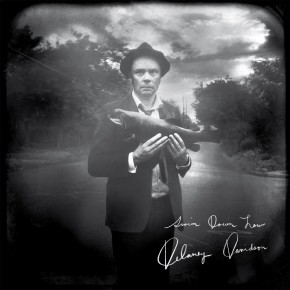
Delaney_Davidson_Swim_Down_LowAlbum_Cover-290x290Roll up, roll up to Delaney Davidson’s old curiosity shop. Make way for big ugly fish, swampy rivers, bloodied stilettoes, fog, dogs, worms and old bones – it ain’t all pretty but it sure is fun. ‘Swim Down Low’ is Davidson’s 5th solo album and heralds the New Zealander’s return to Outside Inside Records. Having lived in Switzerland from 2002 to 2008, he is considered an adopted son of the Swiss folk/blues scene and is highly respected for his previous releases on labels like Voodoo Rhythm.

A magical collection of sepia-tinged vignettes

Captured on fabulous analogue during a week of down time, it’s a magical collection of sepia-tinged vignettes from the supernatural, macabre, dark-side-of-town. The lo-fi country rock genre is amply stretched to encompass flashes of vaudeville cabaret, blues and gothic folk-noir; as a result the album reads like a book of short stories by Edgar Allen Poe meets Tom Waits on a cocktail of whiskey, cigarettes and ketamine.

A slow work of seduction

It’s a work of slow seduction where the 10 perfectly crafted songs permeate their way into your psyche so that you begin to miss them when they’re not on. Take the Big Ugly Fish that ‘Swim Down Low’, one listen to the twangy, foot-stomping guitar riff and you’re hooked on wanting to know what horrors grandpa done did saw at the bottom of the sea.

Balancing the creepy with the beautiful

Let’s remember that Davidson is an old Dead Brothers pro, hence a flair for making the funereal grim and ghastly seem reluctantly joyful and frankly quite hilarious. Dead Brother, Pierre Omer, quotes him as being a “multi-talented musician who played everything from drums and trombone to the lap steel guitar, and even wore a dress on stage”. His poetic songwriting skills exel at balancing the creepy with the beautiful, aided by his penetrating, elastic vocals that can stretch, growl and whine to fit all the desperate nooks and crannies. Many lines are as quoteable as Oscar Wilde, especially the plaintive numbers like ‘It’s all Fun’ (“life is a dog and you are the bone”) and ‘Poor White Trash’ (“I’d rather be lucky than good”).

Thigh-slappingly good

Davidson creates a dramatic persona who enjoys letting the darkness in like a weather-beaten, weary, wandering minstrel. Yet despite the theatrical mask of fatigue and cynicism, it’s a work brimming with pretty melodies, harmonies and incisive wit. The banjoes, slide guitars, harmonicas and fiddles make sure that all toes are tapping in true Roy Orbison fashion not only on to the uptempo numbers such as ‘Farewell’ and ‘Dogs of Love’, but even on the suicidally slow numbers where an alluring rhythmic tension is always maintained. For maximum joy, listen on headphones to catch all the humouristic harmonies, backing vocals and theatrical sound effects. Thigh-slappingly good and un-turn-off-able once the fish bites.

Delaney Davidson,  “Swim Down Low” (Outside Inside Records)

Forthcoming live gigs with Pierre Omer guesting in the band:

15th July: Fribourg (Les Georges Festival)
8th August: St Gall (Graben Halle)
9th August: Vinelz (Bielersee Festival)
10th August: Zürich (El Lokal).

Delaney Davdison is also touring Italy, France and Germany this summer. List of gigs here!


Disque du mois d’avril: PommelHORSE “Wintermadness”

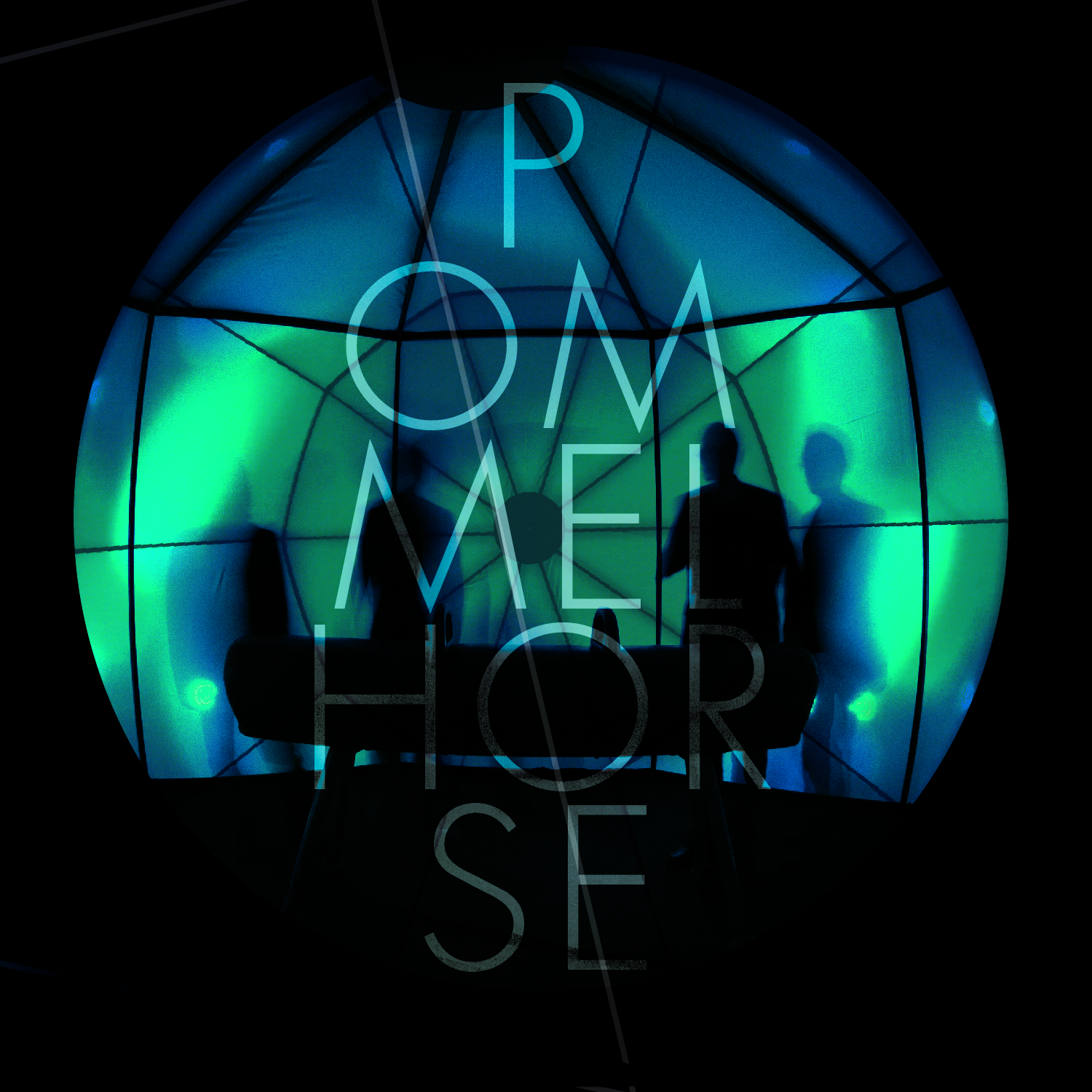
1500X1500PIXEL-01Attention! ce jeune groupe de Berne est entrain de bousculer le monde du jazz. PommelHORSE est l’un des cinq groupes suisses (sur les dix-huits groupes européeens) participants à la journée “European Jazz Meeting” de Jazz Ahead le 26 avril à Brême. PommelHORSE est sans aucun doute la manifestation d’une nouvelle génération de musiciens post-Internet, une génération qui assimilé à la vitesse de l’éclair une somme de musiques impressionnantes.
Impossible d’expliquer sinon comment d’aussi jeunes musiciens (bernois) peuvent avoir intégré  autant de styles musicaux différents. Du stadium rock aux musiques de danse électroniques, du jazz aux musiques expérimentales, du heavy metal au classique, ce deuxième poursuit la voie d’un jazz mutant amorcée en 2012 dans son premier opus éponyme.

PommelHORSE a choisi pour nom « cheval d’arçon ». A cet accessoire de gym sur lequel chaque écolier s’est un jour laborieusement escrimé à faire des culbutes, il donne une nouvelle dimension, toujours faite de pirouettes et de sauts, mais désormais ludiques et enjoués. Car PommelHORSE ne cite jamais littéralement, il jongle avec les rythmes, les balises musicales. Il impose son souffle, sa griffe pour évoquer des ambiances, des sensations comme ce « moving sidewalk » dans lequel on s’immerge rapidement en s’imaginant évoluer sur un sol mouvant. Un voyage intérieur faite de sensations et d’impressions à découvrir absolument.

PommelHORSE, Wintermadness (Unit Records)


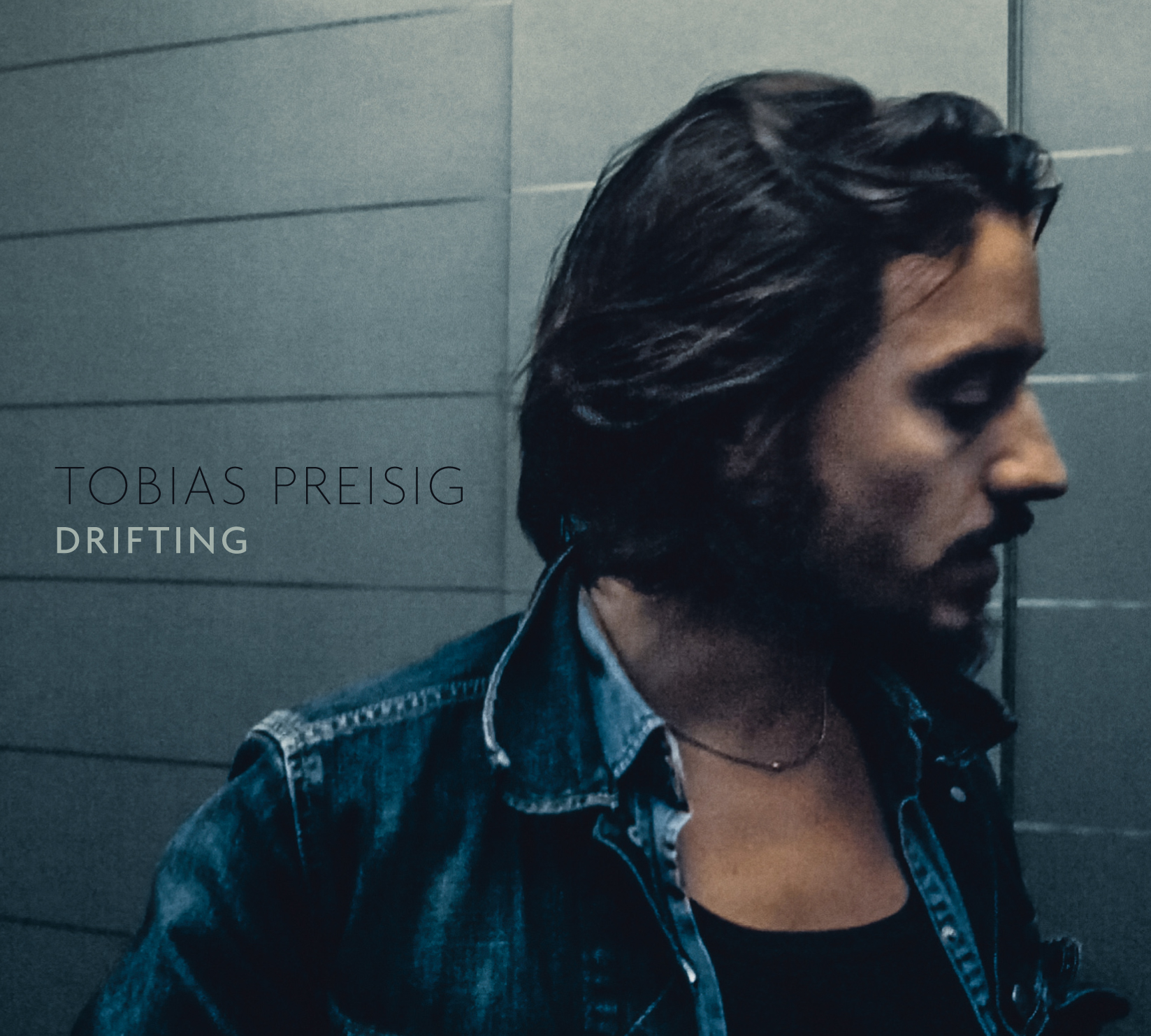
Record of the month: Tobias Preisig, ‘Drifting’

Tobias Preisig's 'Drifting'

I’ve got Drifting on constant rewind. It’s a spacious album, pulling back to allow an experience of resonance and a sort of quiet mayhem. The musicians don’t hate us: they want to captivate, however, we’re not their only object of desire. There’s a care and deep listening in their interplay that is almost audible. It’s as if they are feeling their way into a new form of being, as a quartet.

Abstract, even animalistic

Tobias Preisig spoke to me of his band working as an ‘integrated instrument’ with ‘spots’ replacing full-blown solos, such as when André Pousaz’s double bass breaks out into a sombre spotlight in Floating Causes amongst low violin stabs and hi-hat shimmers. It’s true that tracks like Out of Reach weave a subtle tapestry of instruments, intensifying in colour as it progresses. But there is no ignoring the quality of Tobias’ violin: rich, assured, respectful of its emotional power yet avoiding sentimentality. It can be abstract, even animalistic, revelling in a purity of sound.

Miniature for Gold is a painfully-gentle vignette painted by Stefan Aeby‘s piano. Preisig’s violin balances the sweetness, plucking as if a tight bass line. The track is like an exquisite kiss. But Searching for Soil is my highlight, a spellbinding piece.

Michi Stulz’s drum rolls… an unrelenting mantra

The opening Rhodes’ chord conjures a translucent pathway out to the Milky Way, there’s the metallic jingle of a cold star, before Michi Stulz’s drum rolls march us on; an unrelenting mantra. It’s the woozy high violin plucks and quivering strokes of the strings that send my goosebumps bumping. It’s a trip, to somewhere magical or possibly, macabre. Piercing violin runs twist the screws tighter whilst a stormy piano bashes at its low notes. A scrap of melody breaks through as if to keep us entwined in the music, before it shudders to a close.

This music has character: it can be moody, sensitive, frustrated yet is often playful – it’s got soul. What I hope to hear from the band in the future is a wider range of textures and themes; an evolution of their emerging and ear-catching language. Look out for this quartet playing live and let me know what you think.

http://www.youtube.com/watch?v=6UpFkg3F_8s


05.04.2014 CH-Zurich, Moods
12.04.2014 DE-Erfurt, Jazzclub
13.04.2014 DE-Dresden, Tonne
15.04.2014 DE-Jena, Cafe Wagner
16.04.2014 DE-Berlin, A-Trane
25.04.2014 CH-Basel, Jazzfestival Offbeat
16.05.2014 CH-Arbon, Kultur Cinema
02.06.2014 CH-Orsière, Fête de la musique
20.07.2014 CH-Gstaad, Menuhin Festival
14.08.2014 CH-Winterthur, Musikfestwochen