Swiss bands at jazzahead 2016!

One night: eight showcase-acts: the Swiss Night on April 21 will be a highlight of this year’s live program at Jazzahead!  Find out more about the eight Swiss bands below. You can also listen to a track of each band selected at jazzahead! here. If you are not attending jazzahead! this year, Arte Concert is streaming the concerts played at Kulturzentrum Schlachthof live there. Alternatively you can also watch all videos of the showcases the next day on www.jazzahead.de In other words, you have no excuse not to follow those guys  live or on Internet!
_______________________________________

Plaistow
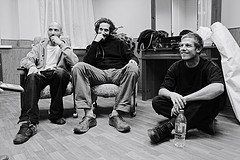
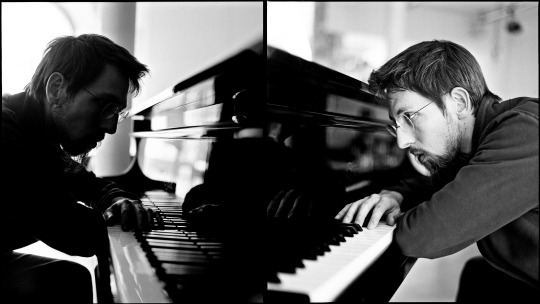
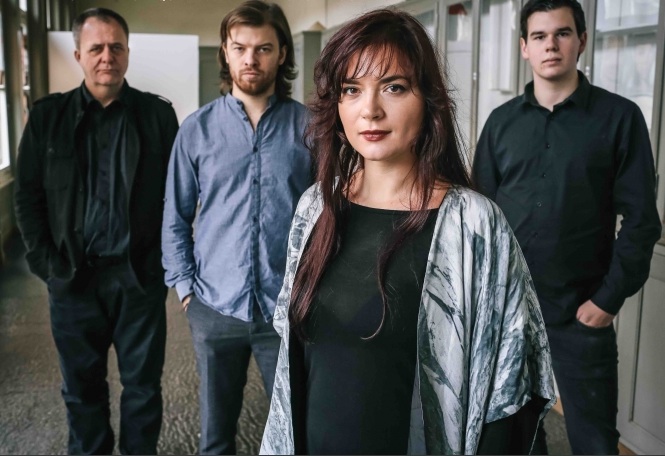
Plaistow_pic_LDLast week the editor of a UK jazz magazine said how much the office had got into Plaistow’s album Titan. I think they are something special. Plaistow is an acoustic piano trio driven by experimental dance musics, ancient drones and a desire to distill their sound to its most ‘alcoholic’, most potent. Plaistow make for a thrilling listen. At first I wasn’t sure of Geneva-based Cyril Bondi’s drumming style, it seemed to lack swing, bashing the air out of a beat, but at a sweaty, rammed Berlin Jazz Festival club last November, he was brilliant. Unique and aggressive with an engaging, rhythmic sensibility – perfectly coupled with the imaginings of pianist Johann Bourquenez. Irritating, repetitive notes hypnotise under his touch and at other times he sweeps you off your feet with a sweet melody as in ‘Enceladus’ – it has me in a whirl. Johann’s music is so fresh. Growing in confidence is Vincent Ruiz on bass. His sensitivity connects and subtly reflects the band’s ambitions.
To learn more about Plaistow, read our selection of articles on Swiss Vibes!

[youtube:https://www.youtube.com/watch?v=RAtzeqI6RWc]


_____________________________________
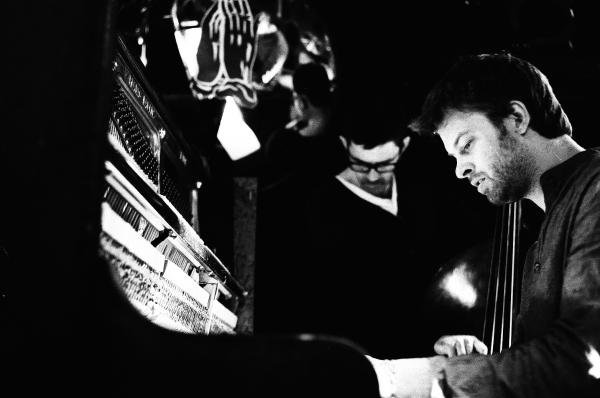
Colin Vallon

@Mehdi Benkler
@Mehdi Benkler

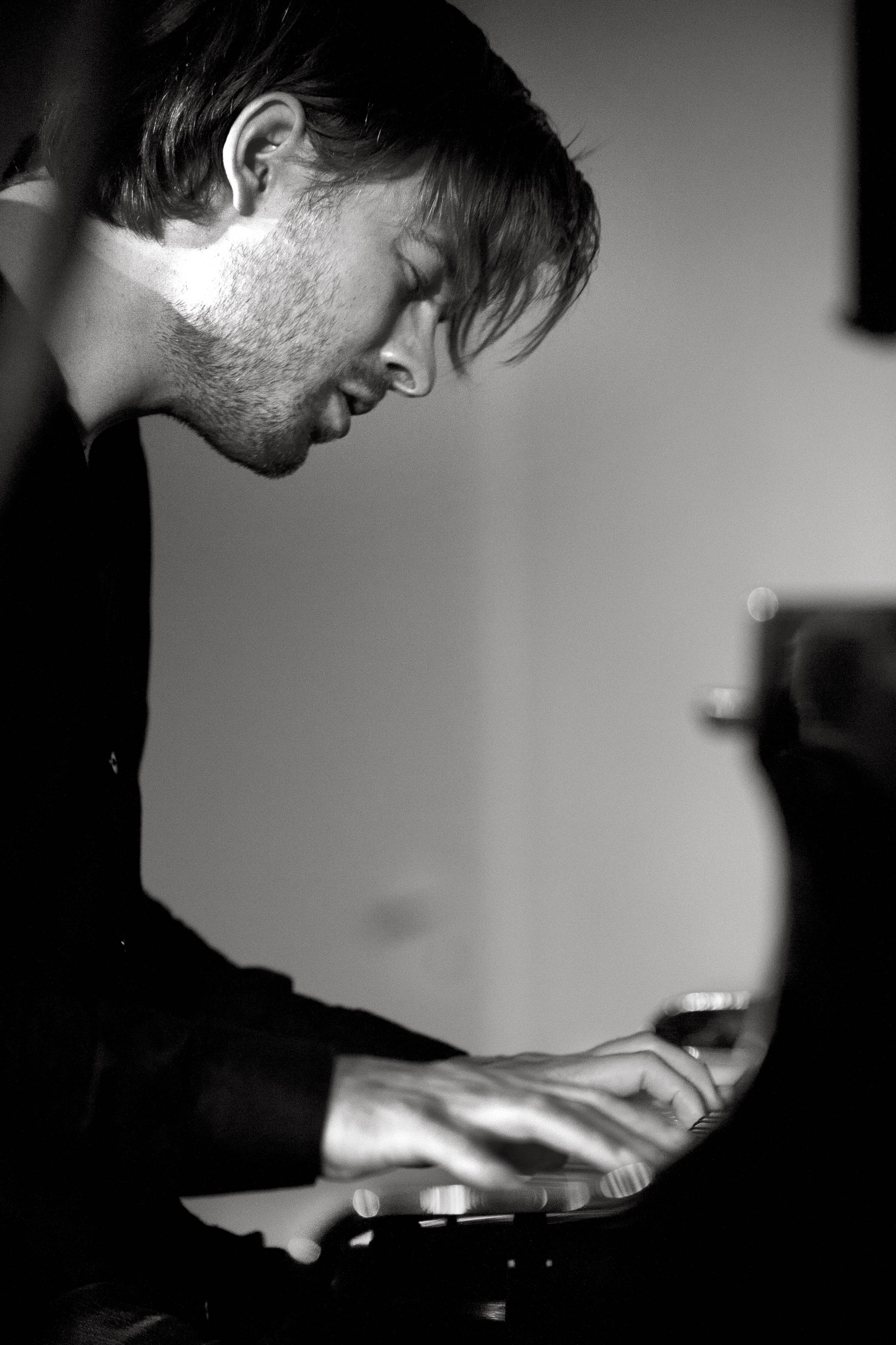
I’ve never seen Colin‘s own trio and am curious, especially as I felt his last ECM album, Le Vent (2014) fell into the ‘contemplative hole’ that undoes many an artist exploring prepared or experimental piano. I suspect Colin is currently going through a time of musical reflection about his direction. His trio is a pretty high-powered crew with drummer Julian Sartorius (who impressed London’s Cafe Oto in March) and Patrice Moret on bass and his appearance at jazzahead! will be a chance to discover where he is now – and what he wants to say.
To learn more about Colin Vallon, read our selection of articles on Swiss Vibes!

[youtube=https://www.youtube.com/watch?v=dM5kFt0I_l8]


_________________________________________
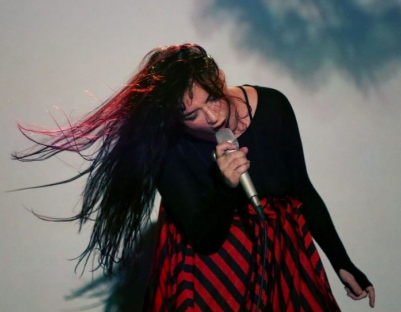
Elina Duni

© Blerta Kambo
© Blerta Kambo

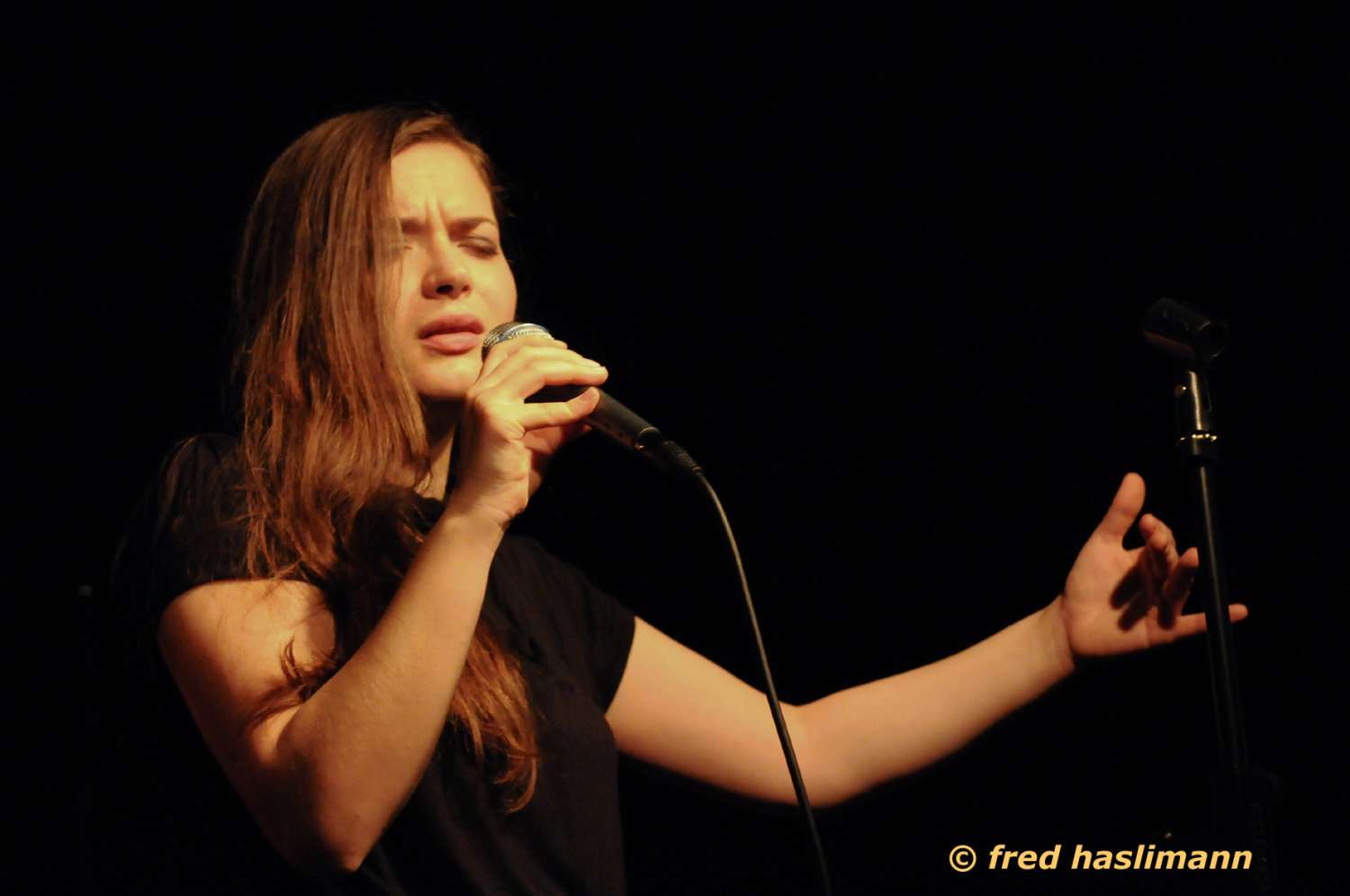
Seeing Elina playing solo at Cully Jazz last year elevated her even more in my estimation. That woman can sing! She’s been performing since she was five years of age in her native Albania and although she moved to Switzerland when she was ten, you can almost taste her culture and country when she sings. Her experience comes through too – she moves an audience, but is never cloyingly sentimental. I think the drummer Norbert Pfammatter is key to the band, almost the yin to her yang (yes, that way round), responsive to her and tuned in, whilst Colin Vallon leads the music into imaginative landscapes, provoking her to stretch her ideas. The recent addition of Lukas Traxel on bass adds a sparkling energy as I saw when they played the EFG London Jazz Festival last year. I’ve spoken before about Elina evoking universal goosebumps with her emotive expression and that sold-out gig was no exception.

To learn more about Elina Duni, read our selection of articles on Swiss Vibes!

[youtube=https://www.youtube.com/watch?v=8TFtCZEdRT0]


__________________________________________
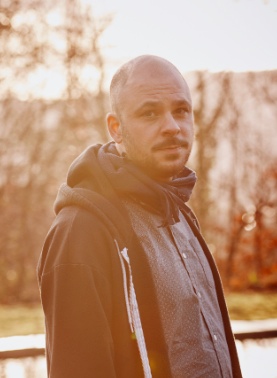
Christoph Irniger Pilgrim

ChristophIrnigerPilgrim includes Stefan Aeby on keyboards and Michi Stulz on drums – I know their work as part of Tobias Preisig’s quartet and both were crucial to the innovation of Preisig’s album, Drifting. In Pilgrim, Aeby draws on his ability to play an evocative jazz, informed by artists such as Bill Evans in order to echo Irniger‘s direction. Stulz walks an intelligent line between the past and the now and his interplay with Irniger, Aeby and bassist Raffaele Bossard, makes the band something special.

I like Irniger’s choice of electric guitar and Dave Gisler is a highlight of the track ‘Italian Circus Story’ from the album of the same name. Here, Christoph almost whispers in evocative drawls on the saxophone; he tells his tales in a spacious and thoughtful style. Along with the Christoph Irniger Trio and other projects with New York-based artists, he uses trips to the US to immerse himself in the heritage of jazz whilst carefully searching for his own expression.

To learn more about Christoph Irniger read our selection of articles on Swiss Vibes!

[youtube=https://www.youtube.com/watch?v=HRO-11tLQ18]


________________________________________________

PommelHORSE
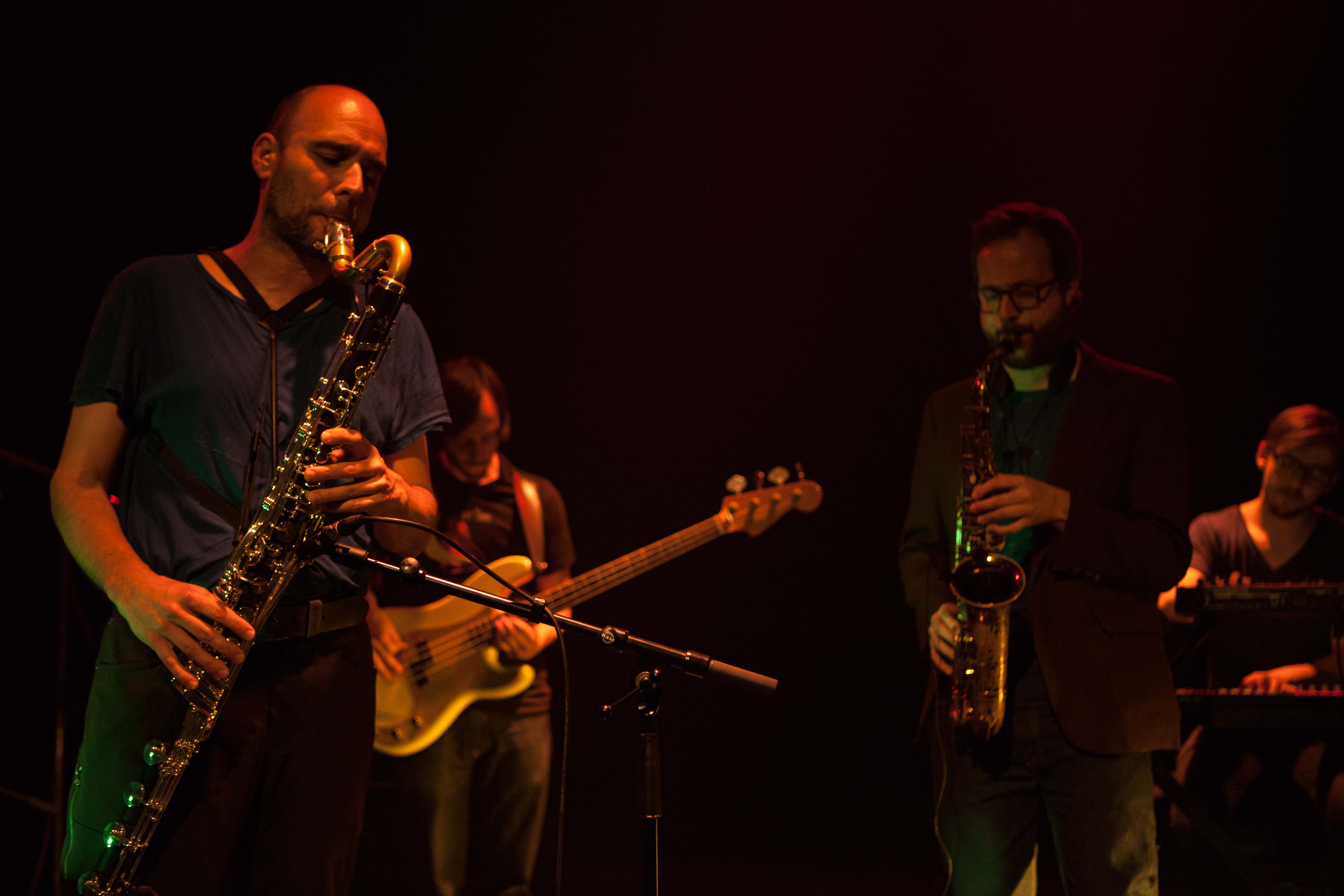
PommelHORSE ©Simon Letellier

This confident and original Bernese quintet are a refreshing flight of fancy on the Swiss jazz scene. They inhabit a surreal terrain somewhere between mutant jazz, prog rock and synthy ambiant rhythms. Cleverly creating a story and atmosphere in each track, they juggle an abundance of patterns and ideas always leaving room for improvisation, tempo changes and general dashing about. With tracks entitled ‘Drunk on Christmas eve’ and ‘The circus is closed and all the animals have gone wild’, it’s impossible to resist their playful attitude and experimental forms, both dark and light. Very popular on the live circuit, PommelHORSE are currently working on their third LP.

To learn more about PommelHORSE read our selection of articles on Swiss Vibes!

[youtube=https://www.youtube.com/watch?v=BfL5speG_Uk]

_________________________________________________

Weird Beard
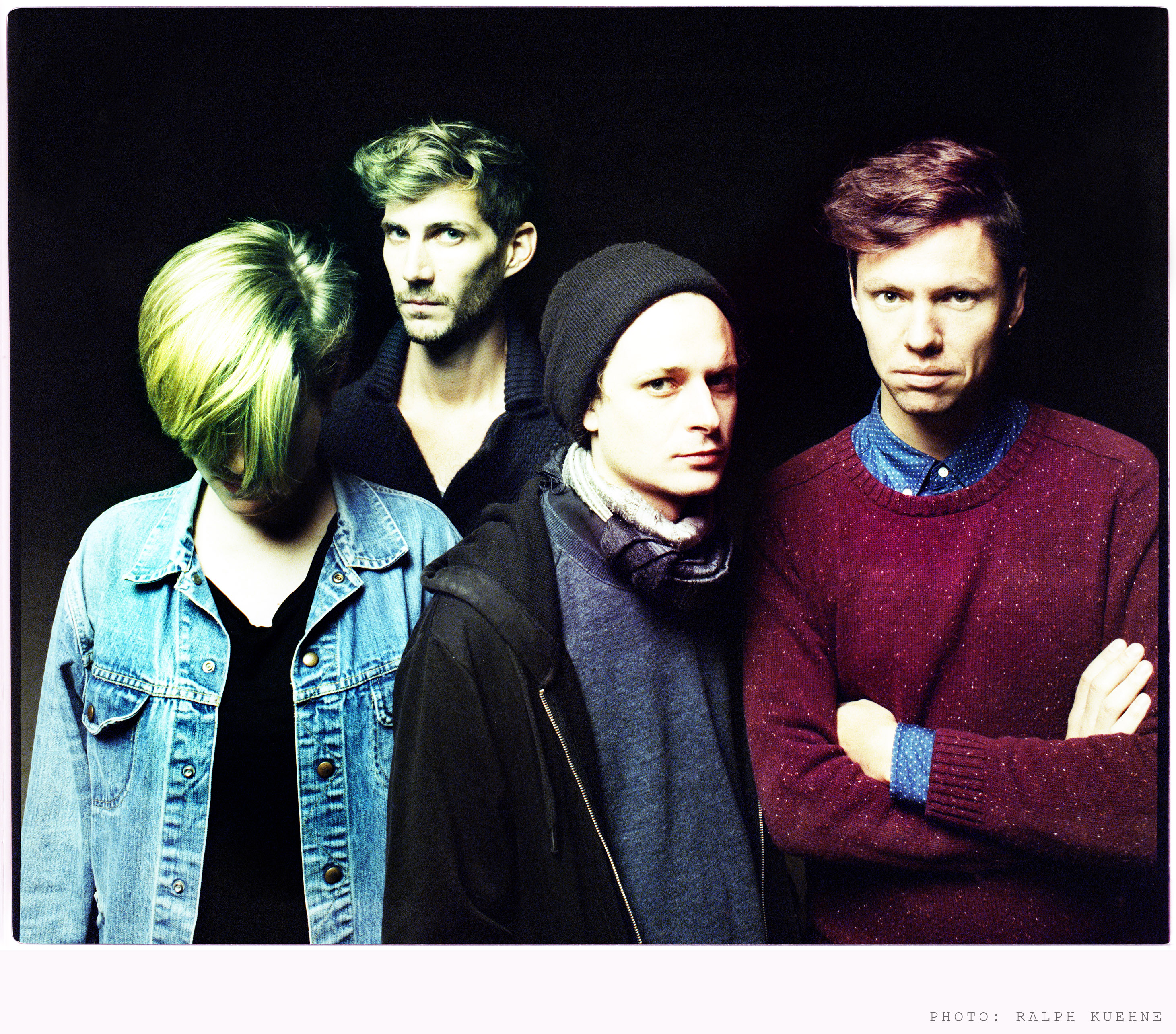
Weird_Beard_2_A5_RGB_PHOTO_RALPH_KUEHNERepresenting the exciting non-conformity of the contemporary Swiss jazz scene, Weird Beard is a quartet led by saxophonist Florian Egli, featuring guitar, electric bass and drums. The weirdness of their beards is less a facial hair reference, more a hallmark of their musical individuality. A band rooted in the jazz tradition in terms of improvisation and composition, but sonically pulled towards trashy metal, punk riffs and quirky noise. Both lyrical and totally unpredictable, their elegant, laconic sound designs can go off in all directions. ‘Everything Moves’ is their second LP just out on Intakt Records and comes warmly championed by Bugge Wesseltoft who describes the group as having ”musical ideas and inspirations merged into a very fresh and new sound.”

Weird Beard, Everything Moves, Intakt Records

[youtube=https://www.youtube.com/watch?v=Fdi7YOaOD3o]

___________________________________________________

Julian Sartorius
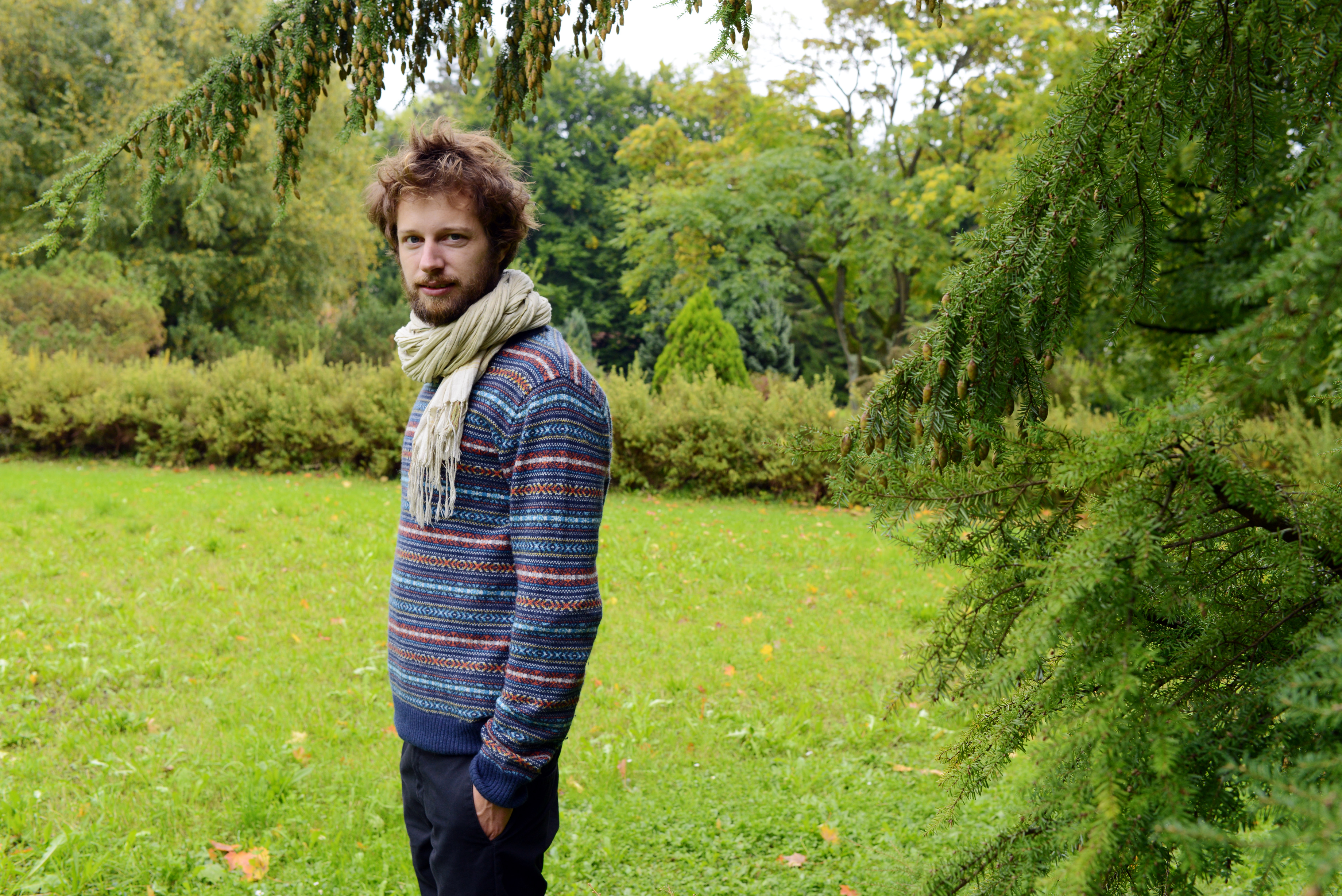
@Reto Camenisch
@Reto Camenisch

The Swiss musical ecosystem is a richer place because of drummer Julian Sartorius. What David Attenborough is to nature wildlife documentaries, Sartorius is to the world of sound: a beat explorer, a sound forager, a sonic researcher. His gigs are a masterclass in bashing, crashing and smashing – not just the ordinary drum skin or commonplace cowbell, but squeaky toys, handcrafted gongs, hairdryers, electric toothbrushes. Can he hit it? Yes he can.

Agile in pushing boundaries of the percussive sound from hip-hop to abstract electronica, Sartorius opens up endless possibilities and range. His latest video features cymbals rolling along a studio space, poetically crashing about at will. Previous works include a 12 LP box set called ‘Beat Diary’ composed of 365 analogue beats, each one painstakenly researched and accompanied by its own visual. A true artist in every sense of the word, a national treasure.

To learn more about Julian Sartorius read  our selection of articles on Swiss Vibes!

[youtube=https://www.youtube.com/watch?v=4G8GbugnY50]

________________________________

Luca Sisera ROOFER
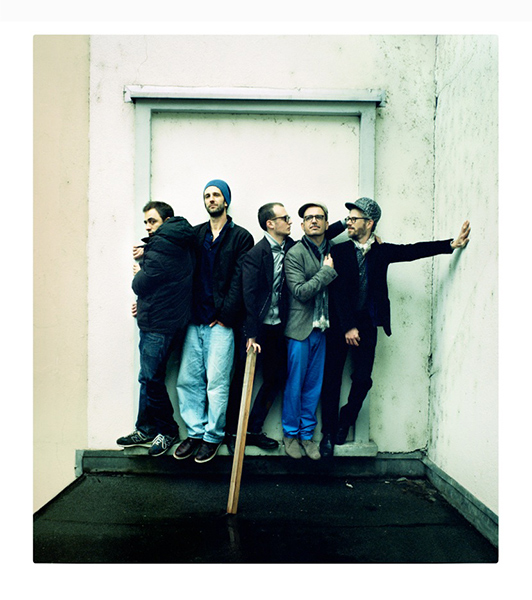
roofer_01Luca Sisera is a well­ seasoned Swiss double bass player whose ROOFER quintet describe their sound as “contemporary, liberated jazz music”. Negotiating the fine line between improvisation and composition, the five elements come apart and then reunite in equal measures. There’s a theatrical edge to their music thanks to the horn section adding a lovely big band swing to the complex equation. One minute groovy, sexy, full of bump and grind ­the next angular, frenetic, swarming around one another like agile birds. The interplay between the musicians is extremely confident and general mood leans towards the playful. An exciting band to watch live because of their warm, busy and inventive approach.

[youtube=https://m.youtube.com/watch?v=CLvuzfD4wMQ]

Text by Debra Richards and Beatrice Venturini
 

Bonne nouvelle : les bons pianistes romands se mutiplient!

Malcolm Braff et ses microrythmes, Michel Wintsch et son piano global, habité de sons annexes, Colin Vallon en trio ou en collaboration avec Nicolas Masson (Parallels) et Elina Duni, Marc Perrenoud et son power trio en perpétuelle ébullition, Leo Tardin maître des cérémonies de son grand Pianoramax, Johann Bourquenez, tête pensante de Plaistow (sans oublier le Fribourgeois Florian Favre et d’autres plus jeunes) : le pianistes romands sont légion. D’eux d’entre eux se disputaient les faveurs du public samedi soir au Festival Jazz Onze +.

SONY DSC
SONY DSC

Gauthier Toux n’est pas Suisse, mais presque! Français, il a fait ses classes à la HEMU de Lausanne. En combo avec le batteur un brin énervé, Maxence Sibille (un autre Français de Lausanne) et le contrebassiste danois Kenneth Dahl Knudsen, Gauthier Toux jongle entre Fender Rhodes et piano. Il faut dire que le pianiste a beaucoup de choses à dire, beaucoup de territoires musicaux à défricher. Gautier Toux a ici le doigté classique, là un penchant pour l’improvisation jazz, Son trio est traversé par le feu du funk, par l’énergie du hip hop. Il surprend aussi en flirtant avec des rythmiques empruntées aux musiques de danse ou au rock. Avouant avoir été être influencé par Jason Moran ou Eric Legnini, le Gautier Toux trio séduit par son énergie jubilatoire et communicative et sa palette de sons variées. Il faut pourtant s’échapper après 40 minutes de concert : direction la salle Paderewski où Gabriel Zufferey s’illustre lui en solo. Et un concert solo ça se déguste de bout en bout!

“La musique donne une âme à nos cœurs et des ailes à la pensée

©Mehdi Benkler
©Mehdi Benkler

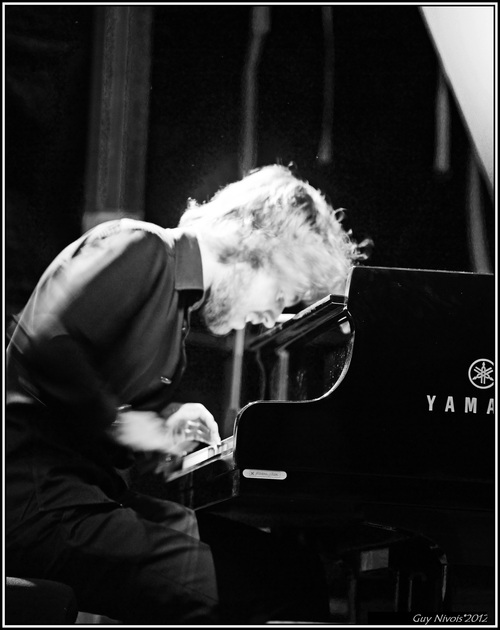
Gabriel Zufferey n’hésite pas à citer Platon sur son site Internet pour proclamer haut et fort son credo: une vision transcendante de la musique et un esprit vif toujours sur le qui-vive.  Samedi soir, le pianiste romand a choisi de placer sa performance sous le haut patronage de Bill Evans auquel il consacre son morceau d’ouverture et de clôture. Depuis qu’il a quinze ans, Gabriel Zufferey est considéré comme le petit génie du piano de ce côté-ci du la Léman. Désormais trentenaire, Zufferey n’est plus seulement un phénomène: il allie aujourd’hui à son intuition, une maturité et une dextérité toujours aiguisée. Couché sur son piano, on ne sait pas vraiment qui de ses doigts, de sa tête ou de son cœur contrôle la performance. Gabriel Zufferey peut caler sa main droite sur boucle rythmique de trois notes jusqu’à friser la saturation pendant que sa main gauche tourne autour de ce trinôme, semble parfois vouloir s’échapper pour de bon, mais n’y parvient jamais. Avec un petit air de professeur Tournesol, Gabriel Zufferey est un personnage et un artiste à la fois. Parfois drôle, parfois lunaire, il est capable d’évoquer  Satie, l’anniversaire de son amie et de jouer avec l’alphabet pour dire que le plus important est que sa musique vient du cœur. Gabriel Zufferey officie aussi dans un trio, Paralog, non moins libertaire, dont le nom  vient du grec paralogos qui signifie absurde…


Elina Duni: Songs of Love and Exile

© Nicolas Masson
Elina Duni Quartet © Nicolas Masson

Elina Duni moved to Switzerland when she was ten, five years after she’d first stepped on a stage to sing in her homeland, Albania. Later, studying music in Bern led to a crucial meeting – with pianist and composer, Colin Vallon. It’s Vallon, along with drummer Norbert Pfammatter and now Patrice Moret on bass, who held a mirror up to Elina so she could see who she is and be free to draw on the rich cultural soil of the Balkans.

Elina’s second album for the major label ECM is Dallëndyshe (The Swallow) and listening to it immersed me in a bubble of ancient and distant lives where women call their loves ‘Ylber’ (rainbow) as they watch them leave green hills for work or, war. With titles such as ‘Nënë moj’ (O, Mother) and ‘Kur të pashë’ (When I Saw You), Elina describes them as ‘songs of love and exile’ but somehow the purity of the melodies and simplicity of delivery make them timeless.

What were you driven to express and explore in this album?

Elina Duni I think the word ‘timeless’ is very important in this case…You can feel the songs’ strength because they’ve crossed centuries and the melodies are archaic and deep. It’s this mixture of the contemporary perception each one of us has being a musician living in today’s world and the fact [the songs] are related to something that concerns all of us – we are all migrants, it’s the fate of all human beings: leaving behind something you love, going abroad, going from countryside to city, themes that are universal.

Where and how are did you find these traditional songs?

Elina Duni You may be surprised or maybe not, I found them on YouTube! Albanian friends are always suggesting songs and a friend of mine living in Greece put ‘Fëllënza’ on my wall on Facebook.

‘Fëllënza’ has a melody that has my dopamine triggers firing like Dirty Harry and Elina’s voice is so intimate you feel she’s singing with her head next to yours on a single pillow. Colin Vallon’s tangential arrangement steers it clear of saccharine-slush whilst on ‘Unë në kodër, ti në kodër’ (Me on a Hill, You on a Hill) he hypnotises, plucking piano strings like a cimbalom.

Elina Duni This is one of the songs where Colin wrote the arrangement with the bassline and the ‘mantra’, I had the melody and rhythm but he takes the song to another level…The three of them are wonderful musicians, they never play ‘1st degree music’. For me, art is the distance we take from things, it’s playing or looking at them in the 2nd, 3rd and 4th degree…Balkan music can be so pathetic [evoking pity] and it’s really a trap, somehow this distance from the pathos is the art.

When I started singing these songs Colin told me to imagine how Miles Davis would sing these themes – as simple as possible. When I do an ornament then it’s really thought out, I try not to do too much so when I do something it stands out. It’s the manner for the whole quartet.

You said that we live in a time where there is a need for poetry, say more about this.

Elina Duni Poetry has its own music, you can listen to a poem that you don’t understand and still cry with it… [the language] Albanian has something very interesting, it has a lot of sounds in it and it is a very, very old European language. It has Latin and Turkish words and, they say, also from the Celts, and it has something very deep and at the same time, strange.

Tell me about your childhood in Albania and how you feel about your homeland now.

Elina Duni There is a phrase, ‘there are two tragedies in life: to have a wonderful childhood and to have an awful childhood’. So, I had a wonderful childhood. In Albania it was another time that doesn’t exist anymore, there were no cars, no consumerism, no Coca Cola, no aluminium…we used to be happy when we could eat a chewing gum because it was very rare, or chocolate. We were raised in the neighbourhoods, everybody was going to everybody’s houses…and we were free. We grew up jumping, climbing the trees and running and fighting and being outside all the time…the imagination played a very important role. Everyone was writing poetry and reading…I think this was a golden time.

© Blerta Kambo
© Blerta Kambo

For me Albania is always inspiring, I go very often, it’s like all the countries that are transforming themselves, they have something alive there. Unfortunately Albanian society is still macho and patriarchal, it’s changing slowly, but there is a lack of models for women…The best thing is to educate women…and to show that being free is not being a sexual object which is hard because the media promotes this – and the singers too. There are so many in Albania, every good-looking girl puts on a mini skirt, makes a video clip and she’s a ‘singer’. I try to do my best to promote another model of woman.

What other projects are you doing?

Elina Duni I’ve been doing a solo project where I sing Albanian songs with guitar but I also did an album a year ago as a singer/songwriter where I wrote songs in Albanian so I’m going on writing, in French and English too…I love the quartet but I am trying to diversify so I’m writing as much as possible to find my way into music – which is not as simple when so many things have been done and you want to find your own original way at looking at things.

I still don’t know where all this is going to lead, the thing is I love acoustic music so maybe this can be a duo with voice and piano, it depends on who your partners are on the adventure, who you find. I would like to go more electric because it is a sound that really attracts me. These days there are no boundaries and you can explore without losing your identity. I love to sing my songs, that’s my biggest dream.

Elina Duni website

Elina Duni Solo
12.04.15 Cully Jazz Festival – Cully, CH
Elina Duni Quartet 
21.04.2015
 Jazzkaar Festival – Tallinn, Estonia
22.04.2015 
Viljandi Folk Music Center, Estonia
24.04.2015 
Salle des Fêtes de Carouge – Genève, CH
26.04.2015 
Dampfschiff – Brugg CH
29.04.2015
 Centralstation – Darmstadt, Germany
09.05.2015 
Treibhaus – Innsbruck, Austria
10.05.2015
 Bee-Flat im Progr – Bern, CH
27.05.2015
 Moods – Zürich, CH
29.05.2015 
Paradox – Tilburg, Netherlands
31.05.2015
 Rote Salon – Berlin, Germany
13.06.2015 
Schloss – Thun, CH
21.06.2015 
Bibliothéque Universitaire et cantonale – Lausanne, CH

Colin Vallon speaks about “Le Vent”

Colin Vallon © Petra Cvelbar“Le Vent” is Colin Vallon‘s second album for the prestigious label ECM. Listening to it, or to him speak, you might think he’s a bit soft – a gentle soul. There’s a distinct aesthetic to his playing, it’s mindful and sombre as if remembering a lost love. Interviewing him, I found an assured and fiery spirit; a pianist with a clear intelligence, driven to carving out his own, individual path.

“From the moment I could stand I tried to press down the keys”

Music was always around Vallon – when most families were arguing at Christmas, his was gathering at the ever-present piano, singing hymns and Gospel. “I loved the sound of the instrument, from the moment I could stand I tried to press down the keys”. Despite this, he quit piano at the age of 12 because he could no longer play by ear and reading music frustrated him. Then two things happened: his uncle taught him some blues chords that he could play, “Without paper in front of me” and he saw a solo concert of Keith Jarrett, “It was really amazing to hear that.”

He returned to music lessons at 14 and began composing. By 19 he was at the University of Arts in Bern and had his own trio. Here he found the American theory of copying the standards until you could imitate them too restrictive. “But this was also very good for me,” he says, “because it meant that if I wanted to do something of my own then I had to do it really on my own and to be more didactic in terms of composing. I was really independent.”

“It’s a music that has something very raw about it”

However the composition tutor, Frank Sikora, inspired Colin and for his class he recorded, “A huge fence or gate that was screeching, making harmonics and noises.” By 2002 he developed this interest in strange sounds with prepared piano techniques and had begun an enduring curiosity for Eastern European music. “It has something very raw about it and, like this fence maybe [that he’d recorded], it’s a very different sound and it’s something that caught me immediately.” He joined a band with the saxophonist Sascha Schönhaus playing Balkan music and discovered one of his “desert island records”, Le Mystère des Voix Bulgares.

A journey in Albania

Meeting Elina Duni provided fertile creative soil as Albanian music opened up to him and the Trio’s third album, (their first for ECM) was entitled Rruga, the word for “path” or “journey” in Albanian. It was critically acclaimed, so did this make it hard to follow? “There was a bit of pressure,” admits Colin, “not from the label, but from myself..it’s hard to come with a second album…and changing the drummer [from Rohrer to Sartorius], but in the end I’m really happy with the results.”

“There are a few goodbyes, a tribute to Asita Hamidi”

Colin found his material came naturally as he dealt with several deaths and saw a suicide jump from a bridge. “Le Vent was an elegiac album, a lot to do with death…and the passing of time and life. It sounds really dark but it’s not just about that…There are a few goodbyes, a tribute to Asita Hamidi [the harp player] who died…things that are a part of life but I needed to express somehow.” It’s Vallon’s careful listening for, then stating his own truth, that makes him a compelling artist.

Colin Vallon “Le Vent” (ECM)

On tour:

26/04/14 Jazzahead, Bremen DE
27/04/14 A-Trane, Berlin DE
29/04/14 Mokka, Thun CH
30/04/14 Bee-Flat, Bern CH
03/05/14 L’Azimut, Estavayer-Le-Lac, CH
13/05/14 Mokka, Thun CH
17/05/14 AMR Genève, CH
27/05/14 Mokka, Thun CH
01/06/14 Green Hours Festival, Bucarest RO
07/06/14 Paris Jazz Festival, Paris FR

Elina Duni Quartet @ the London Jazz Festival

BaO_DuniYou physically feel the power of Elina’s cry
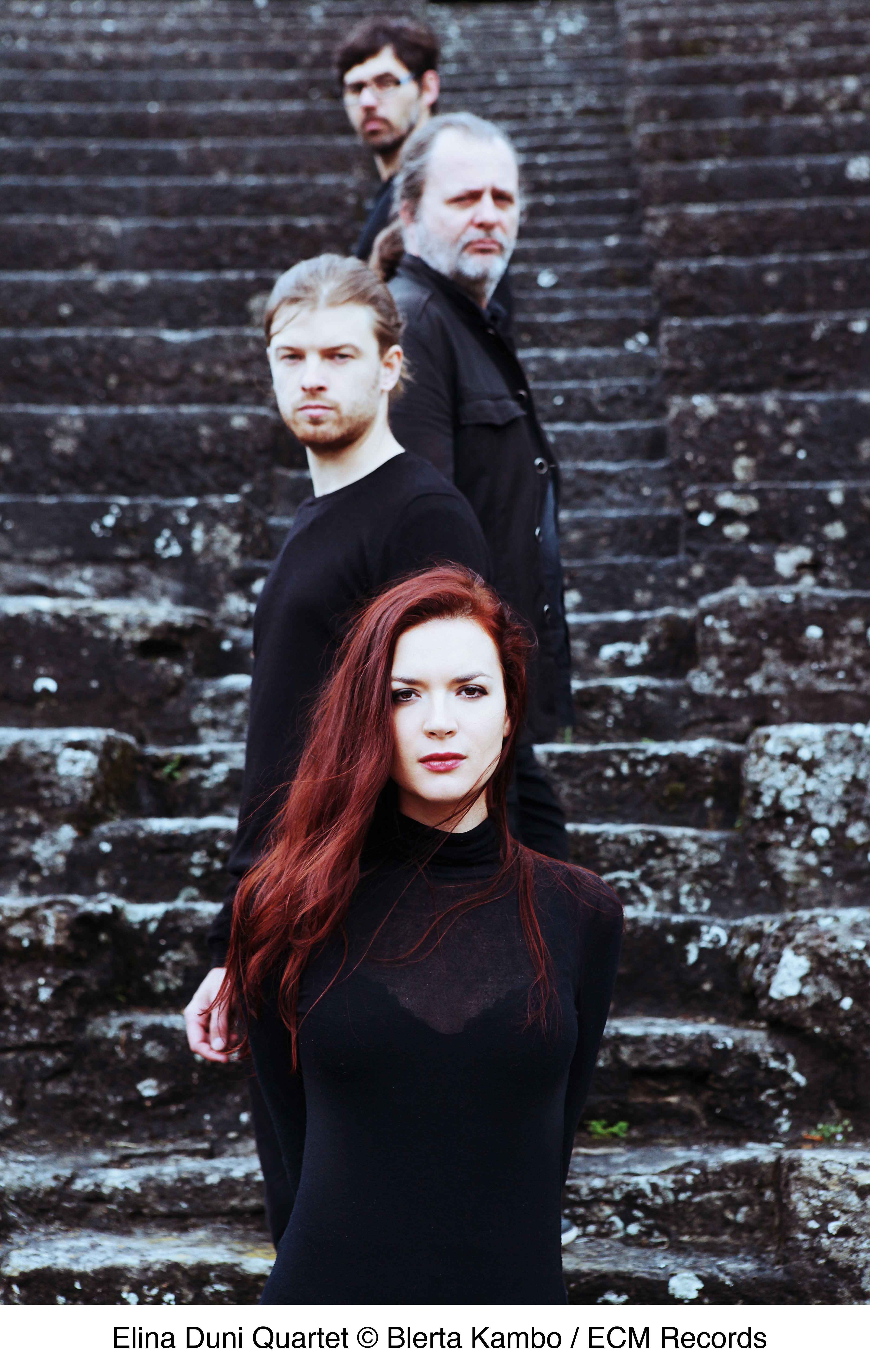
Elina Duni is a storyteller and from the moment her first ever London concert began she unapologetically took us, barefoot, from the Queen Elizabeth Hall into the forests and mountains of Eastern Europe. And into a culture of stirring tales of family bonds, passionate love, loss and longing. You physically feel the power of Elina’s cry, the emotional quivering of the Balkan vibrato and resonance of the words (even though most of us didn’t know the language) and along with her quartet she held the audience rapt

“The magical part is what’s happening between us, our interplay”

Elina’s lifeblood is both the folk music of her birthplace, Albania, and improvised music. “The magical part is what’s happening between us, our interplay,” she explained to me and over the nine years they’ve played together they’ve evolved ways to hold Elina’s stories (two were traditional songs passed to her by grandparents) without crushing them under the weight of jazz improv or, more to the point, not being eclipsed by them and Elina’s charisma. In The Girl of the Waves Elina’s ethereal vocal sounded as if it was floating on the wind, being carried to the bird that the girl is questioning about her missing lover. Colin Vallon’s piano felt like the bird’s reply, sweet yet with edgy minor keys to hint at tragedy.

“The earth beneath us”

Elina Duni_PF2I have to admit I was entranced by Colin’s imagination; he is a potent voice and I want to check his own trio now. At times he played with such melancholy it broke my heart, then in a moment, flashed his anger or became cold, like ice cubes dropping into Elina’s blood-red cocktail, cracking and clinking, changing the temperature. He used various techniques to physically alter the piano, deadening the resonance or twisting the keys into cimbalom-like notes, revealing a Balkan soul whilst never breaking the spiritual thread of jazz.
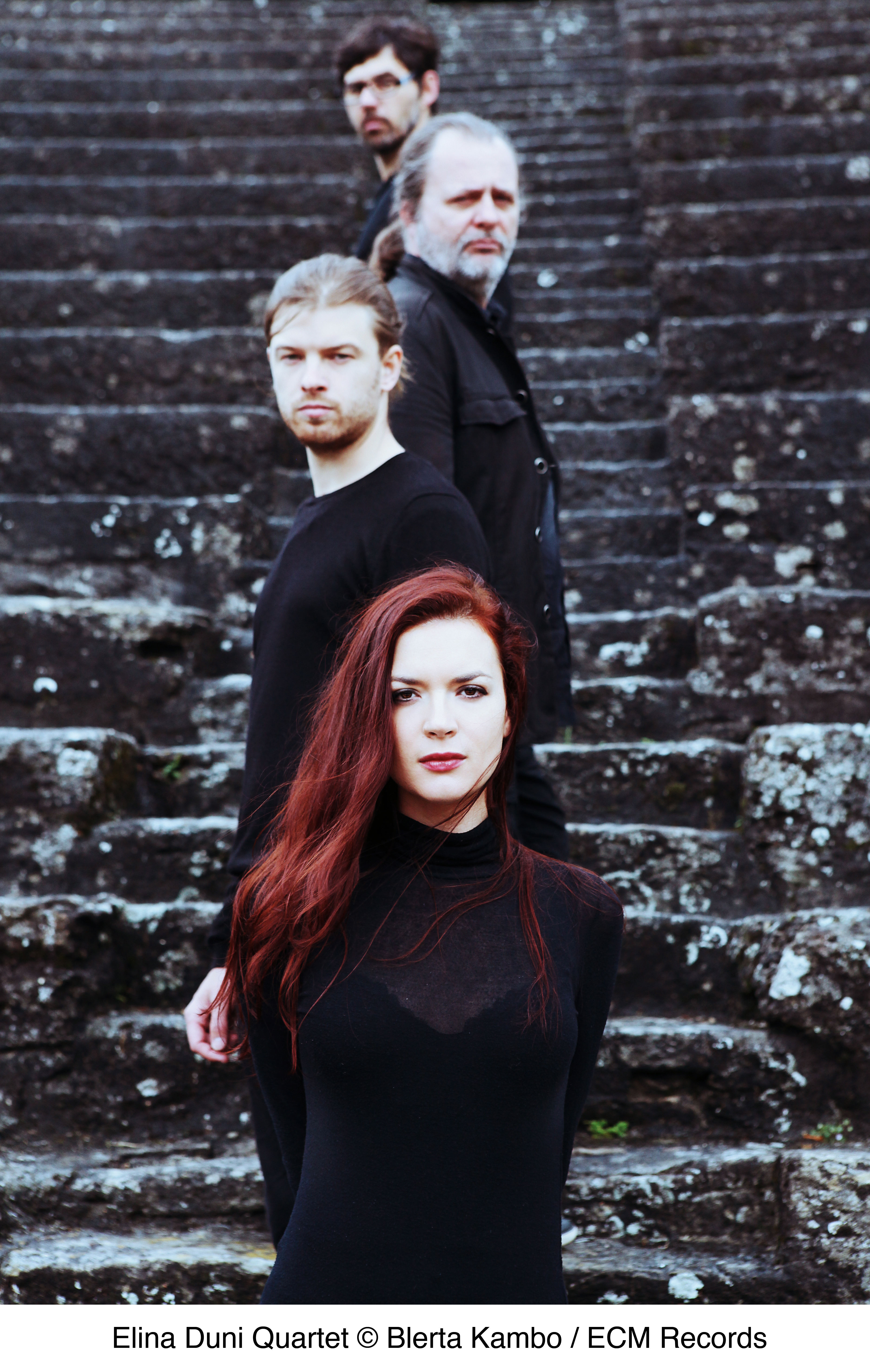
The drumming of Norbert Pfammatter was sensitive and swinging. He made every beat count and at a pace that clearly said, ‘I’m taking my time, got a problem with that?’ He used bundles of thin sticks to create an effect between brushing and drumming and exuded a yin quality: soft but dark, tapping out a funereal rhythm or taking us into a tribal trance. The double bass of Patrice Moret stayed warm and solid, ‘The earth beneath us,’ as Elina described it.

Albanian blues

A rendition of Nënë Moj, a son sorrowfully telling his mother he must leave to his homeland to work, was a highlight. Elina described it as Albanian blues and it’s the flavour of the quartet’s next album. If it’s half as thrilling as their performance it will blow your socks off. I did want to hear a wider range of sounds and ideas but admittedly it was a short set. I think it will be vital for the quartet to establish the breadth of their creativity in the future. After the gig finished, I heard a woman behind me say, “You can feel the root, the tradition and that’s what she is.” I would add that Elina is genuine, humble and only at the start of exploring her full compelling potential.


Elina Duni played @The London Jazz Festival (Southbank), 19 November, 2013.

Next concerts:

23.11. 2013, München (DE), Unterfarht
06.12. 2013 Fribourg, La Spirale (Elina Duni & Bessa Myftiu, lecture-chant)
25.12. 2013 Bern (CH), Bee-Flat, Elina Duni & Colin Vallon
05.01.2014 Toulouse (FR), salle Nougaro
16.01.2014 Paris-Pantin (FR), Festival Banlieues Bleues, la Dynamo
17.01.2014 Auray (FR), Centre Culturel Athena

Serge Wintsch à propos de la scène jazz suisse

Francine et Serge Wintsch

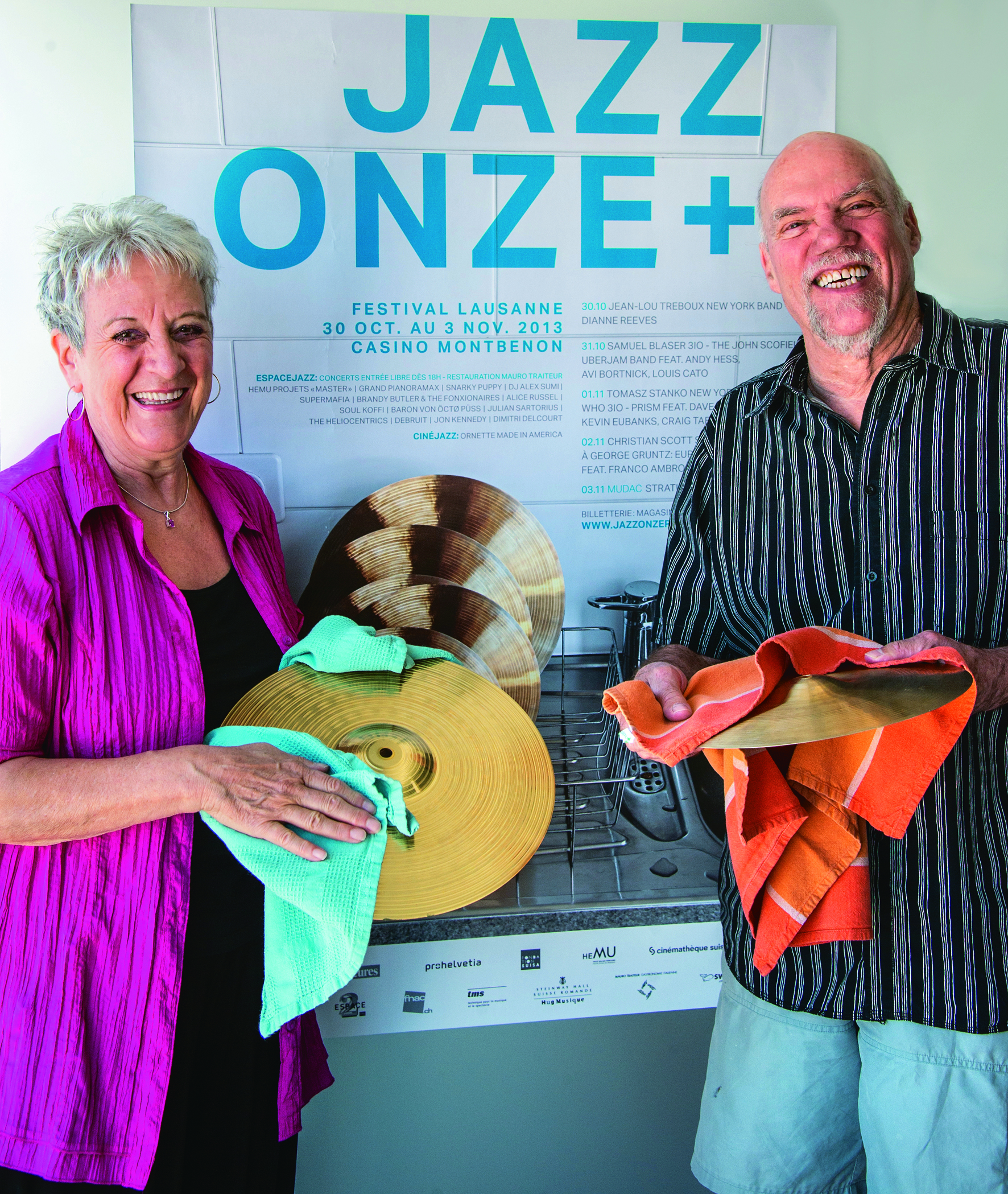
Directeur du JazzOnze+ Festival avec son épouse Francine depuis plus de vingt ans, Serge Wintsch est aussi un musicien à ses heures perdues. Il connaît la scène suisse sur le bout des doigts. D’autant qu’Onze+ était à l’origine une association de musiciens lausannois, rassemblés pour donner plus de visibilité « aux musiques d’improvisation, à la musique contemporaine ». Du haut de ses 25 éditions, Onze+ s’impose aujourd’hui comme un rendez-vous incontournable du jazz suisse  comme international ainsi que des musiques actuelles. Les concerts de jazz ont lieu dans la salle Paderewski alors que depuis 2001, la salle des Fêtes du Casino de Montbenon se transforme en EspaceJazz et propose des concerts gratuits destinés à un public plus jeune, amateur de musiques africaines, de soul-funk ou d’electro.

Le festival a toujours accueilli des musiciens suisses. Parlez-nous de ceux que vous avez invités en 2013 ?
Serge Wintsch Le Who Trio est une valeur sûre. Michel Wintsch (mon homonyme sans être un parent) joue depuis de nombreuses années avec Gerry Hemingway et Bänz Oester. Ce trio s’est rarement produit à Lausanne. Idem pour le guitariste genevois Christian Graf dont le côté rock me plaît beaucoup. Et comme cette année, nous voulions mettre l’accent sur les guitaristes, l’occasion était toute trouvée.

Qu’en est-il de Samuel Blaser et Jean-Lou Treboux ?
Serge Wintsch Samuel Blaser est un extraordinaire inventeur de musiques. Il trace sa propre voie dans la musique improvisée sans s’inscrire dans un genre particulier. Sa formation autant classique que jazz lui a permis d’acquérir des bases techniques solides pour créer avec la plus grande liberté formelle. Jean-Lou Treboux est un jeune vibraphoniste que nous suivons de près. Il a décroché une aide financière institutionnelle pour résider à New York pendant six mois. Cette invitation à Onze+ constitue son premier concert en Suisse avec cette nouvelle formation. Nous ne savons pas du tout ce que cela va donner, mais nous lui faisons entièrement confiance.

Que pensez-vous du jazz en Suisse en 2013 ?
Serge Wintsch Cette scène est extrêmement intéressante et riche. Rappelons qu’en Suisse il y a une longue tradition du jazz. Avant elle existait sans doute plus à l’intérieur des frontières qu’à l’extérieur. Je pense en particulier au Zürcher Jazz Festival qui de 1951 à 1973 fut un lieu de rendez-vous incontournable des musiciens alémaniques comme romands. Mais peu de musiciens s’exportèrent. On peut citer, parmi ceux-ci, Pierre Favre, Daniel Humair, George Gruntz, Irène Schweizer, Matthieu Michel ou Mathias Rüegg (Vienna Art Orchestra). Dans la nouvelle génération, il suffit d’écouter les pianistes, Colin Vallon, Stefan Aeby, Gabriel Zufferey, Léo Tardin ou Marc Perrenoud pour être convaincu que la relève est là et qu’elle possède un haut niveau créatif.

Les musiciens que vous mentionnez se sont souvent intégrés à d’autres scènes, comme Daniel Humair en France ou Pierre Favre en Allemagne. On oublie presque que ce sont des Suisses.
Serge Wintsch Oui, les Suisses sont discrets ! Peu nombreux sont ceux qui se sont exportés et ceux-là se sont fondus dans l’internationalisme du jazz. Ce qui manque, c’est un mouvement spécifiquement helvétique. Il me semble toutefois que les musiciens circulent plus qu’avant, qu’ils collaborent plus entre eux, peut-être aussi grâce à l’apparition d’écoles comme l’HEMU (Haute Ecole de Musique) de Lausanne).

Les conditions seraient donc réunies pour un mouvement spécifiquement helvétique ?
Serge Wintsch Ce serait drôle d’imaginer des tournées internationales avec des ensembles suisses en alternance. Un peu comme le Chicago Blues en son temps. Cela permettrait de montrer le foisonnement de cette scène suisse au reste du monde.

Festival JazzOnze +, Lausanne, du 30 octobre au 3 novembre. www.jazzonzeplus.ch

Elina Duni, trait d’union rêvé entre l’Albanie et la Suisse

2277_Duni_PF2Pour la soirée d’ouverture du Cully Jazz Festival, on ne pouvait rêver mieux que de voir Elina Duni et son formidable quartet. En ce vendredi  5 avril,  Elina est vêtue d’une longue robe en voile rouge. Elle semble impressionnée par la nombreux public qui s’étale à perte de vue à ses pieds. Normal, son répertoire, son approche est plutôt intimiste : Elina Duni revisite à sa manière une sélection de chansons albanaises qui lui sont chères. C’est parfois dans une nouvelle terre qu’une culture parvient le mieux à s’enraciner et à grandir. Elina Duni est Albanaise. Elle vit en Suisse depuis l’âge de 10 ans. Sur scène, l’on sent que les chansons qu’elle interprète l’habitent, ainsi ce chant de résistance chanté régulièrement par son grand-père anti-fasciste, ainsi ce poème de Ismaël Kadaré, ou ce chant de mariage qui finit sur des cadences endiablées. Mais Elina Duni n’est pas « simplement » nostalgique ; elle parvient à créer un nouvelle idiome à partir de ce matériau musical. Son magnifique dernier opus « Matanaé Malit » (ECM, 2012) en faisait déjà la démonstration. Ce parti pris est encore plus manifeste sur scène, où elle se produit entouré de ces trois complices suisses d’exception : Colin Vallon (au piano), Patrice Moret (à la contrebasse) et Norbert Pfammatter (à la batterie). Ensemble, ces quatre-là construisent une musique nouvelle : Colin Vallon fait parfois glisser un balle sur les cordes à l’intérieur de son piano pour obtenir le son précis dont il a besoin. Patrice Moret penché sur ces cordes travaille son isntrument au corps. Et Norbert Pfammatter manie ses baguettes avec autant de subtilité que d’efficacité, se glissant dans les interstices pour contstruire et reconstruire les rythmes dans des combinaisaons qui semblent infinies. Il ne s’agit pas pourtant ici d’improvisation : les mélodies sont bien là, la voix est précise, juste, magnifique.  Il ne s’agit pas non plus de jazz vocal avec un d’illustres accompagnateurs. Il s’agit de quelque chose de neuf, dont l’ouverture d’esprit laisse présager de beaux développements futurs.

Si vous n’avez pas pu voir le concert, sachez qu’il sera rediffusé sur la RTS1 jeudi 11 avril à 22 h 45 (émission “La Puce à l’Oreille”)

A découvrir également ci-dessous la dernière vidéo de Elina Duni:

[youtube=http://www.youtube.com/watch?feature=player_embedded&v=mLSa2LpVKZE#!]