Take 5: Switzerland

Take 5_Swiss team

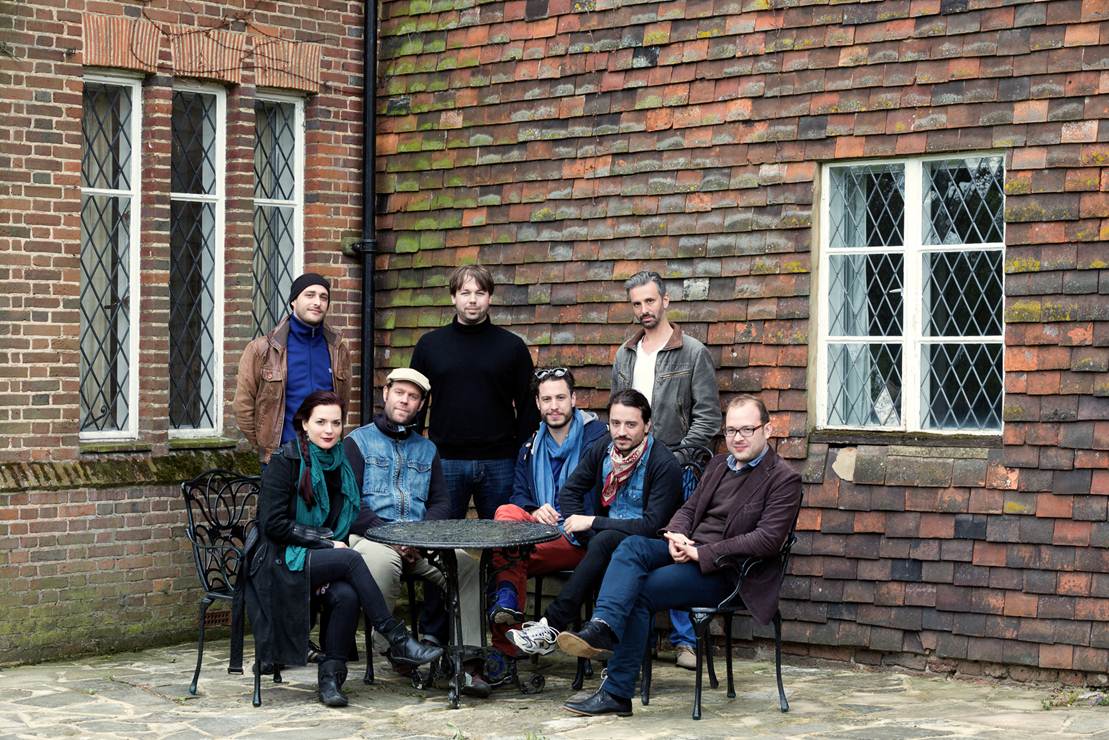
(Left to Right) Andreas Schaerer, Elina Duni, Florian Arbenz, Marc PerrenoudStefan Rusconi, Tobias Preisig. Leo Tardin, Samuel Blaser. ©Emile Holba

The heated kitchen for innovative artists

Take Five is a “heated kitchen” for innovative, young jazz artists, with five concentrated days of coaching, learning, sharing and networking (along with some fun and seriously good food). Created by the UK’s foremost jazz producer, Serious, and funded by Pro Helvetia, Take Five:Switzerland was designed to isolate eight Swiss musicians in the lush setting of Bore Place in Kent – think bluebell woods, gardens bursting with wisteria and mock orange, slouchy sofas and log fires – and lead them through sessions with a performance coach (Mary McCusker), music promoters from across Europe, as well as, digital, legal and industry experts including Wulf Muller of Sony.

“It’s been a rich experience,” said Tobias Preisig, as a comment on the variety of “inside information” they could garner, even when that meant facing tedious home truths. Musicians, such as Florian Arbenz, were aware they could improve their social networking and online presence, and some learnt the value of visual presentation, possibly helped by the photo shoot with experienced portraitist, Emile Holba. Scott Cohen of The Orchard gave a blistering session on aggressive digital distribution and ways to make money from music in an era of sporadic CD sales, with pianist Leo Tardin commenting, “He was the one to shake our ground the most, not someone to pat us on the head, but kick us in the butt, and he did that very well.”

“We need some space for our dreams” Andreas Schaerrer

Sometimes the message from promoters was dour, “We’re learning about the business, but there is no business”, said Marc Perrenoud noting that, “You have to build your audience because, apparently, no audience is interested in jazz.” However, as the vocalist Andreas Schaerer explained, “We need some space for our dreams,” and without exception they were resilient to negative messages. They have to be.

Jazz will need to go on beyond the passing of the classic “greats” and continue sculpting its own relevant identity whilst earning a living. Schaerer felt supported by some promoters learning that, “It’s not only our job to build up our career but it’s also that everybody is interested in having a future generation of active people.”

“We are a community, we are coming from the same place” Stefan Rusconi

What became achingly clear was the wall of work that faces these artists on a daily basis and that as they’d been given this break away from emails, calls, rehearsals, travelling, organising, etc, they were keen to squeeze every drop of tangible use out of the time with little patience for anything deemed irrelevant. Although Take Five is an extremely organised and detailed affair, thanks in part to the sterling work of Martel Ollerenshaw, it also tried to be flexible. So when the Swiss crew stood up to say they wanted time to simply hang out to share concepts, contacts and knowledge with each other, they were given it.

Something I was most struck by was the honesty with which the artists spoke to me about issues they were facing. Somehow the bombardment of information along with the intimate environment and maybe the odd glass of wine had enabled them to face up to their personal challenges: do they follow their business head or artistic heart, how can they deal with the amount they should be doing whilst having focused rehearsal/practise days, or time for their family, what step should they take next?

A Tribe Called Swiss

On the last day there was an extraordinary jam session led by one of the UK’s most exquisite saxophonists, John Surman. And there was an impromptu game of “football-piggy-in-the-middle”. It was actually in the kick about that I most clearly saw a key triumph of Take Five: the founding of a connected, bonded and inspired group. Let’s call it, A Tribe Called Swiss. Without exception each artist echoed Stefan Rusconi’s sentiment, “I knew all of them at least by name, but it’s been great to meet the other musicians. Also, to see we are a community, we are coming from the same place.”

Take Five can shake things up and it will take a while for the musicians to digest it all. I agreed with Rusconi when he said, “We need to be proud of what we’re doing. Swiss music is the new thing – chaotic, strange but rooted too.” Now all they need to do is buck the Swiss trend and force the spotlight onto themselves. As John Surman noted after their music session together, “I won’t forget you guys in a hurry,”  and if they utilise their newly found esprit de corps, they stand a chance of the music world saying the same thing.
Take 5 Switzerland website

Elina Duni, trait d’union rêvé entre l’Albanie et la Suisse

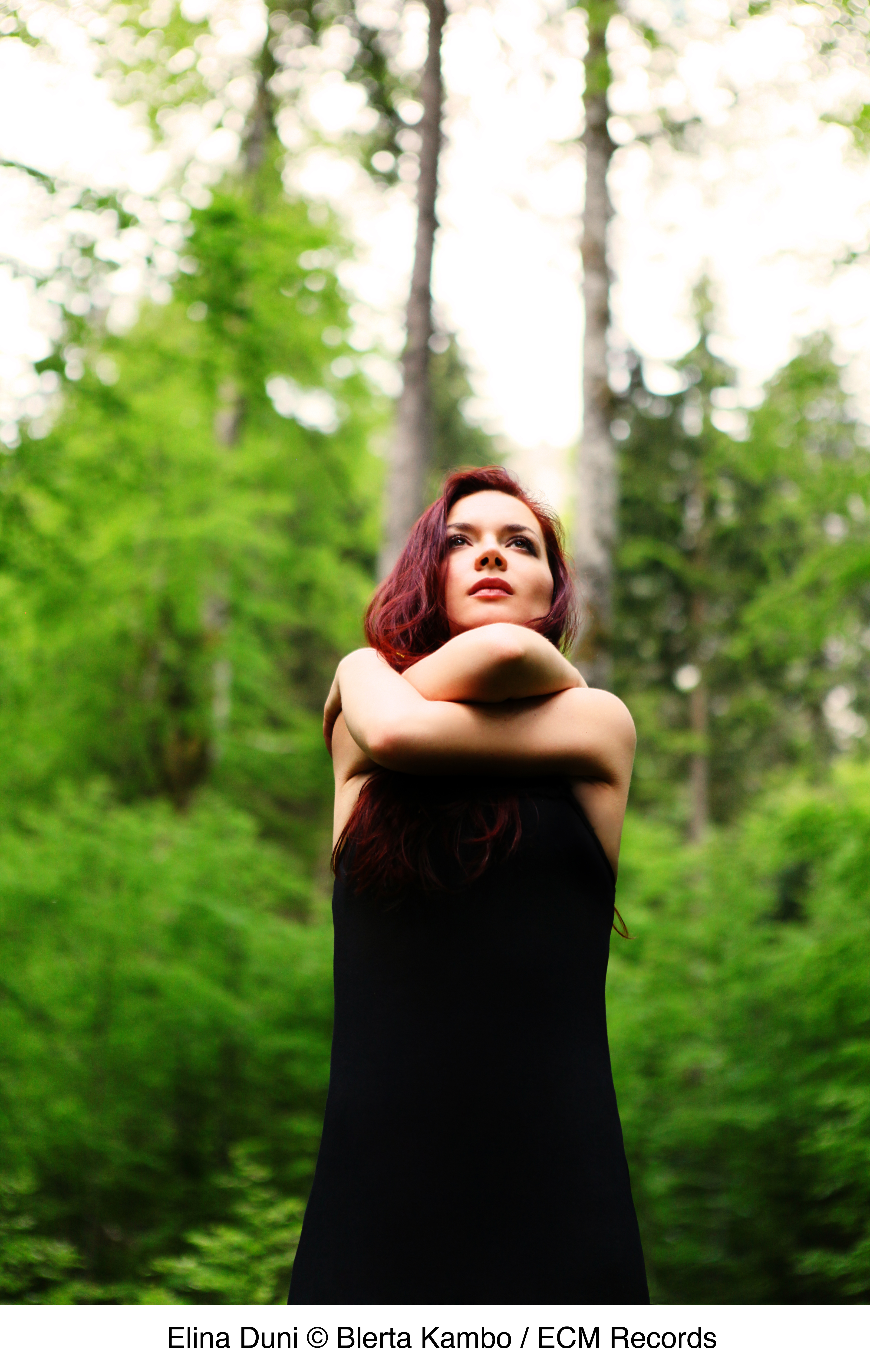
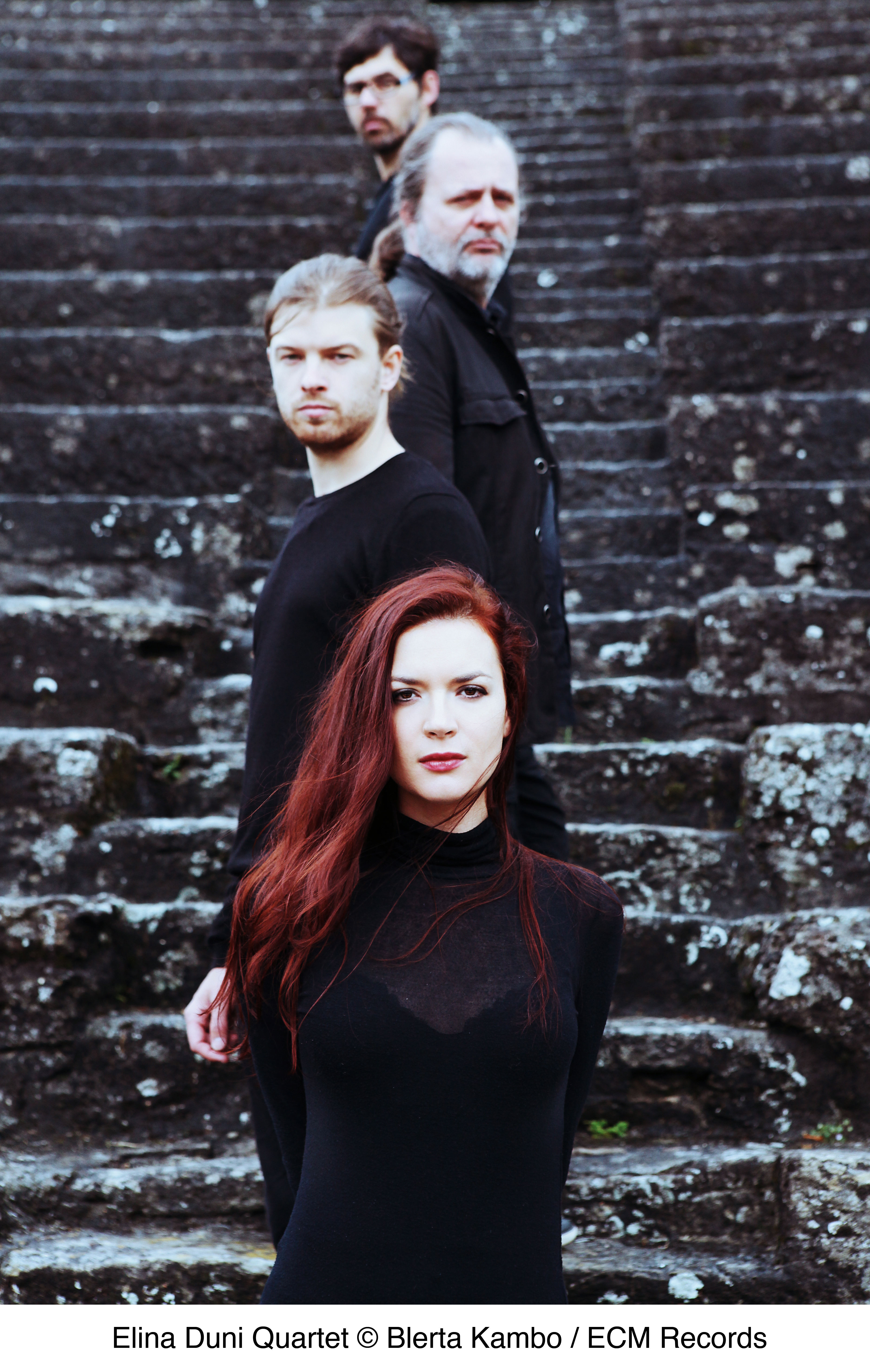
2277_Duni_PF2Pour la soirée d’ouverture du Cully Jazz Festival, on ne pouvait rêver mieux que de voir Elina Duni et son formidable quartet. En ce vendredi  5 avril,  Elina est vêtue d’une longue robe en voile rouge. Elle semble impressionnée par la nombreux public qui s’étale à perte de vue à ses pieds. Normal, son répertoire, son approche est plutôt intimiste : Elina Duni revisite à sa manière une sélection de chansons albanaises qui lui sont chères. C’est parfois dans une nouvelle terre qu’une culture parvient le mieux à s’enraciner et à grandir. Elina Duni est Albanaise. Elle vit en Suisse depuis l’âge de 10 ans. Sur scène, l’on sent que les chansons qu’elle interprète l’habitent, ainsi ce chant de résistance chanté régulièrement par son grand-père anti-fasciste, ainsi ce poème de Ismaël Kadaré, ou ce chant de mariage qui finit sur des cadences endiablées. Mais Elina Duni n’est pas « simplement » nostalgique ; elle parvient à créer un nouvelle idiome à partir de ce matériau musical. Son magnifique dernier opus « Matanaé Malit » (ECM, 2012) en faisait déjà la démonstration. Ce parti pris est encore plus manifeste sur scène, où elle se produit entouré de ces trois complices suisses d’exception : Colin Vallon (au piano), Patrice Moret (à la contrebasse) et Norbert Pfammatter (à la batterie). Ensemble, ces quatre-là construisent une musique nouvelle : Colin Vallon fait parfois glisser un balle sur les cordes à l’intérieur de son piano pour obtenir le son précis dont il a besoin. Patrice Moret penché sur ces cordes travaille son isntrument au corps. Et Norbert Pfammatter manie ses baguettes avec autant de subtilité que d’efficacité, se glissant dans les interstices pour contstruire et reconstruire les rythmes dans des combinaisaons qui semblent infinies. Il ne s’agit pas pourtant ici d’improvisation : les mélodies sont bien là, la voix est précise, juste, magnifique.  Il ne s’agit pas non plus de jazz vocal avec un d’illustres accompagnateurs. Il s’agit de quelque chose de neuf, dont l’ouverture d’esprit laisse présager de beaux développements futurs.

Si vous n’avez pas pu voir le concert, sachez qu’il sera rediffusé sur la RTS1 jeudi 11 avril à 22 h 45 (émission “La Puce à l’Oreille”)

A découvrir également ci-dessous la dernière vidéo de Elina Duni:

[youtube=http://www.youtube.com/watch?feature=player_embedded&v=mLSa2LpVKZE#!]

Elina Duni, eine Heimat so nah und doch so fern

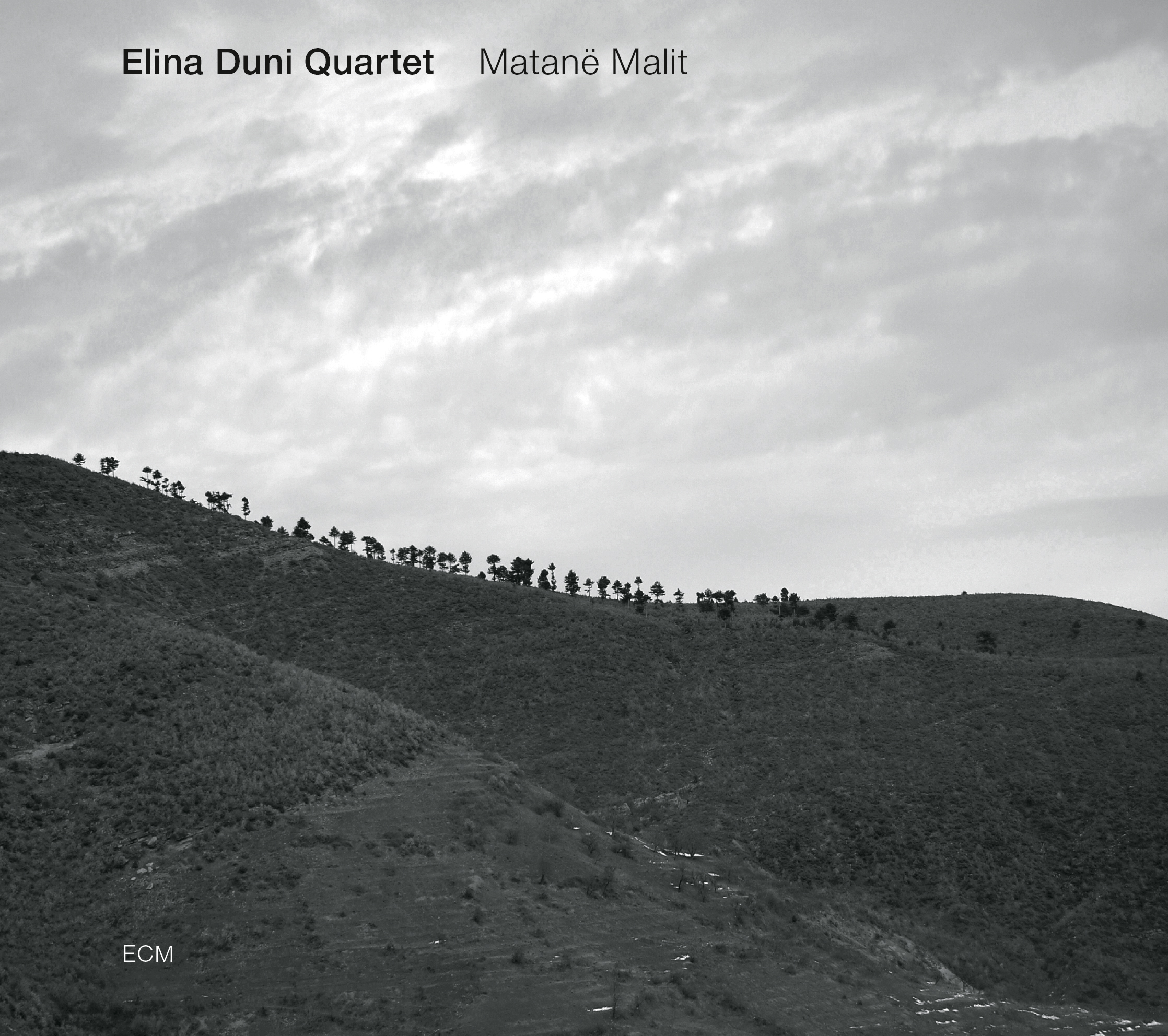
Das neue Album “Matanë Malit” (ECM/Harmonia Mundi) der schweiz/albanischen Musikerin und Sängerin Elina Duni ist eine Hommage an die albanische Poesie und deren Lieder. Sie nimmt uns dabei mit auf eine wunderschöne Reise in ein fernes Land, dessen Klänge uns wehmütig stimmen und ergreiffen vom ersten bis zum letzten Ton.

Im Gegensatz zu deinen früheren Alben “Baresha” und “Lume Lume”, singst du auf “Matanë Malit” ausschliesslich albanisch. was bedeutet es für dich, als Sängerin, die davor vorwiegend englische Texte interpretiert hat, in deiner Muttersprache zu singen?

Eina Duni Albanisch zu singen ist für mich sehr speziell und auch sehr interessant. Bis ich 10 Jahre alt war habe ich in Albanien gelebt, danach bin ich in die Schweiz ausgewandert, wo ich lange Zeit in Genf wohnte. Ich bin also zum einen mit der albanischen Tradition, wie zum anderen mit der westlichen Musiktradition, dem Jazz, der Klassischen Musik usw. aufgewachsen. Das führte auch oft dazu, dass ich noch nicht genau wusste, wo mein Platz ist. Dies änderte sich aber, als ich begann diese beiden Welten zusammenzuführen, in dem ich die albanischen Texte mit meinen musikalischen Einflüssen kombinierte. Aufeinmal fühlte sich alles viel klarer an. Eine Erfahrung, die mich in meinem musikalischen Schaffen sehr bereichert hat, auch wenn ich mich in Zukunft nicht nur auf mein albanisch beschränken möchte.

“Matanë Malit” heisst auf Deutsch “Jenseits der Berge”. Ein Albumtitel in Bezug auf deine Heimat, so nah und doch so fern?

Elina Duni Das Album ist für mich tatsächlich eine Reise in die Ferne, die mir aber auch sehr vertraut ist. Gleichzeitig bezieht sich “Matanë Malit” aber auch auf die Standorte meiner beiden Heimatländer. Egal ob du von der Schweiz oder Albanien aus schaust, die Länder liegen immer Jenseits der Berge. Der Albumtitel bezieht sich aber auch auf das westliche Publikum. Die Texte handeln alle von universellen Themen, wie z.b. der Liebe, dem Tod, Freiheit. Themen die uns alle beschäftigen. Auch die Musik empfinde ich als sehr universell. Es sind also Stücke, die uns hier zwar fern sind, aber im Grunde genommen sehr vertraut.

Mit deinem neuen Album hast du dich musikalisch noch tiefer mit der Geschichte Albaniens auseinander gesetzt. Während du dich vorher noch in eher gewohnten Jazz/Balkanischen Klängen bewegt hast und dich schritt für schritt an den Fundus der balkanischen Folklore herangewagt hast, klingt “Matanë Malit” wie das Ergebnis einer langen Reise durch verschiedenste Einflüsse, die dich geprägt haben. Inwiefern unterscheidet sich für dich “Matanë Malit” von deinen anderen beiden Alben?

Elina Duni Wir sind an dieses Album ganz anders herangegangen als noch bei den letzten beiden. In unserem Zusammenspiel sind wir viel klarer geworden. Auch der Umgang mit den Klangfarben ist uns viel bewusster geworden. Ganz nach dem Motto “weniger ist mehr” haben wir es geschafft, der Musik diese Tiefe zu geben, in dem wir die Spannung viel ausgeglichener gestaltet haben. Im Vergleich zu “Lume Lume” klingt “Matanë Malit” reifer. Auch habe ich zu den traditionellen Stücken die wir umarrangiert haben, noch zwei eigene Stücke komponiert, was eine spannende Herausforderung für mich war. Zusammen mit meiner Band (Colin Vallon Piano, Norbert Pfammatter Drums, Patrice Moret Bass) und diesen zwei völlig verschiedenen kulturellen Einflüssen, ist dieses Album entstanden. Hätte ich nur in Albanien gelebt, würde meine Musik mit Sicherheit ganz anders klingen. Auf Metane Malit wollte ich die Aspekte der albanischen Poesie mit der traditionellen albanischen Folklore zusammenbringen. Es ist eine Hommage an die albanischen Dichter.

“Matanë Malit” ist am 21. September auf dem berühmten deutschen Jazz Label ECM veröffentlicht worden. Dein erstes ECM Album. Wie hast du die Arbeit mit dem Gründer und Produzenten des traditionsreichen Labels, Manfred Eicher erlebt?

Elina Duni Die Zusammenarbeit mit Manfred Eicher war sehr befruchtend. Er hatte die genau gleichen Vorstellungen wie wir. Von Anfang an war er von unserer Musik begeistert. Auch er wollte ein Album, welches nicht den einzelnen Musiker hervorhebt, sondern immer das Stück im Vordergrund steht. Es gibt also praktisch keine Jazzsoli im herkömmlichen Sinne, improvisiert wird im Kollektiv und immer mit dem Bewusstsein, dass das Stück an oberster Stelle steht. Mich hat Manfred auch stark beeindruckt mit welcher Euphorie er nach über 2000 produzierten Platten und über 40 Jahre Labelarbeit er noch an die Dinge herangeht und sich freuen kann wie ein kleines Kind. Er hat eine unglaubliche Weitsicht und war immer zur Stelle mit guten Ideen, wenn wir uns mal verloren haben.

Mit deiner Band und auch als Musikerin in anderen Projekten bist du ständig unterwegs und viel im Ausland. Seit Jahren wohnst du aber in der Schweiz. Fühlst du dich hier heimisch?

Elina Duni   Ja, ganz klar. ich fühle mich sehr wohl hier in Bern. Mir gefällt das kultivierte und offene Volk. Und auch wenn ich die grossen Städte im Ausland liebe, könnte ich dort nicht leben. Die Schweiz ist mein Zuhause.

Elina Duni, “Matanë Malit” (ECM)

Webpage und Tourdaten Elina Duni elinaduni.com

[youtube=http://www.youtube.com/watch?v=EwvMt1qbFF8]