Elina Duni: Songs of Love and Exile

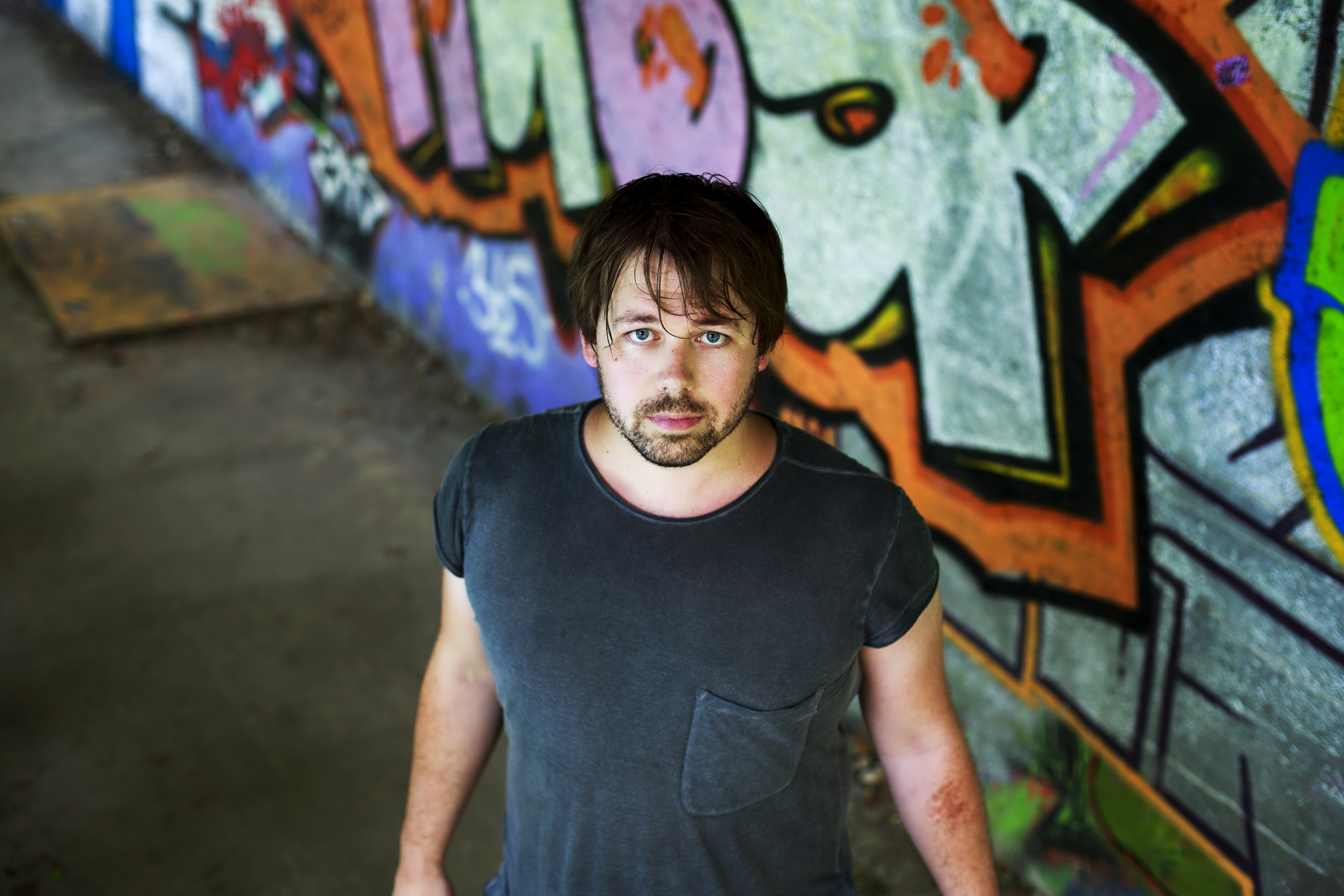
© Nicolas Masson
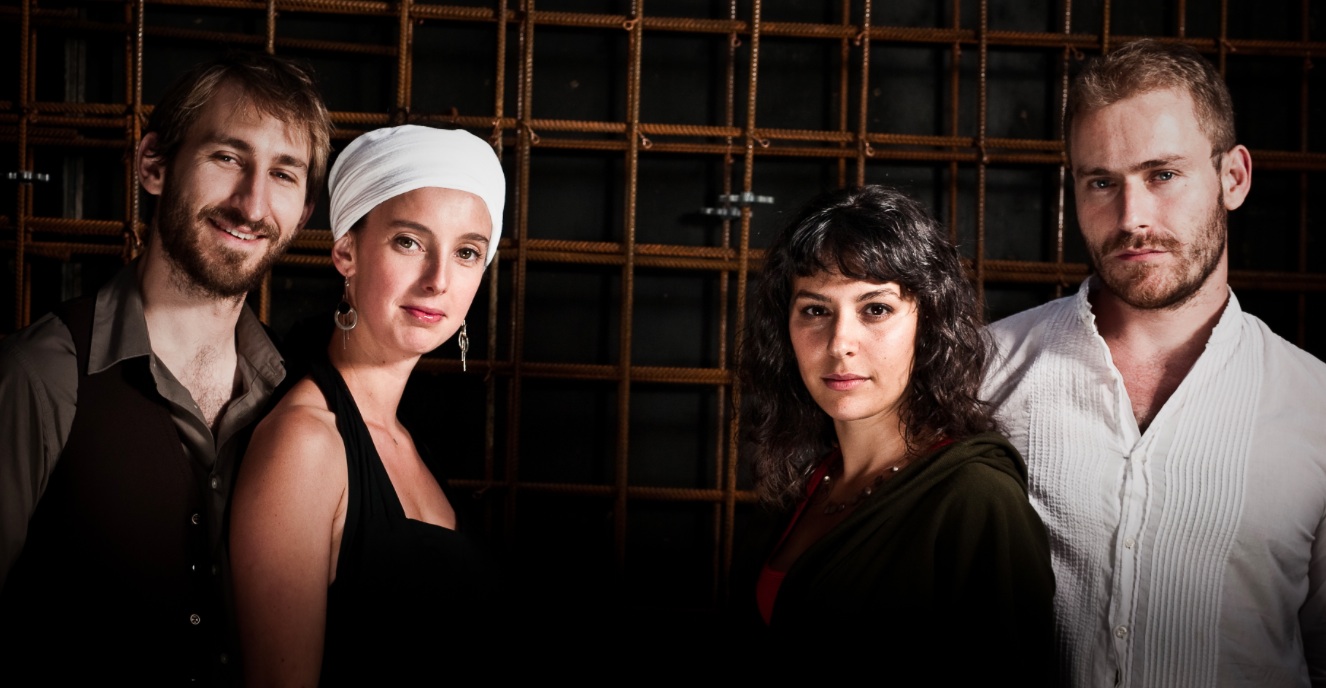
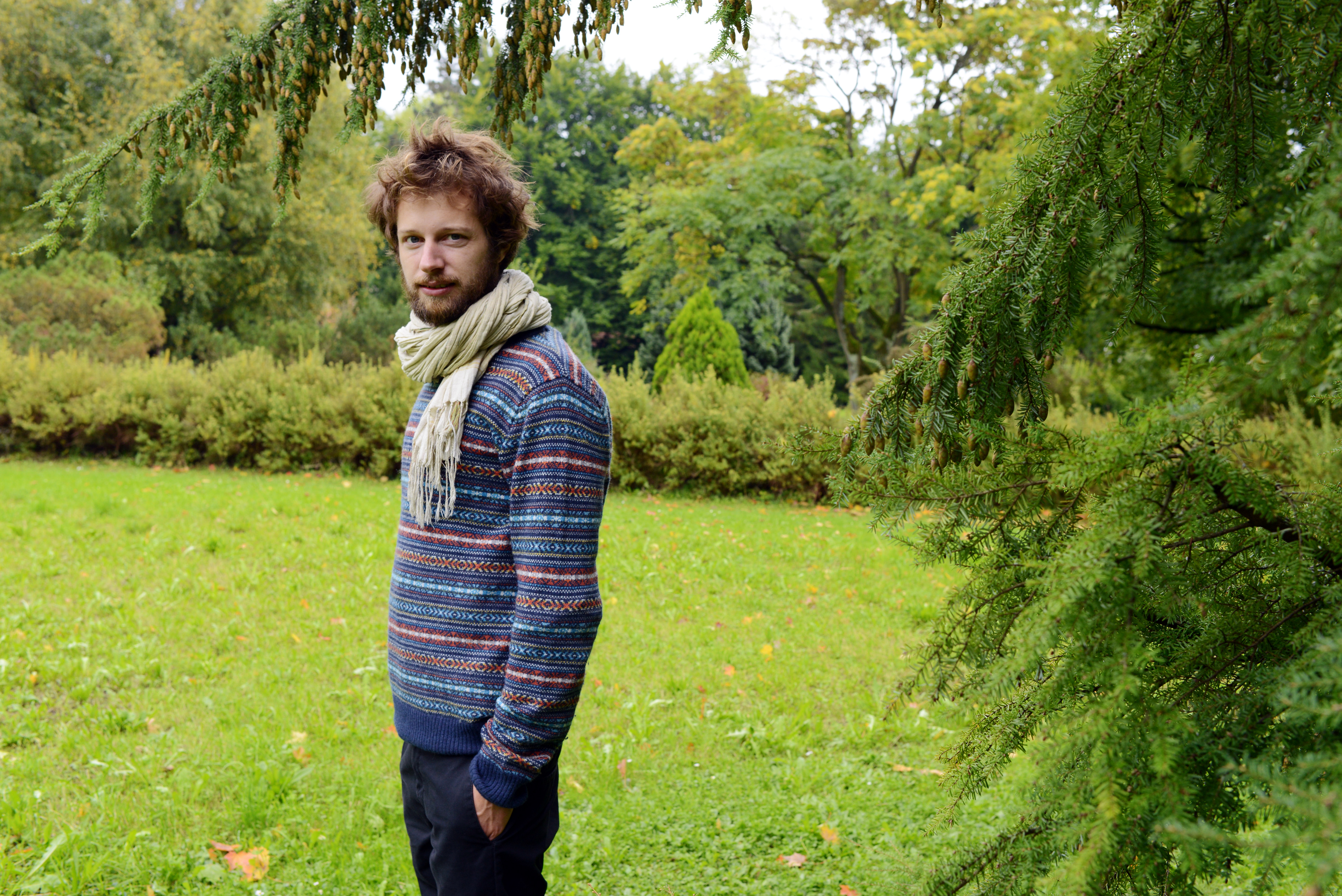
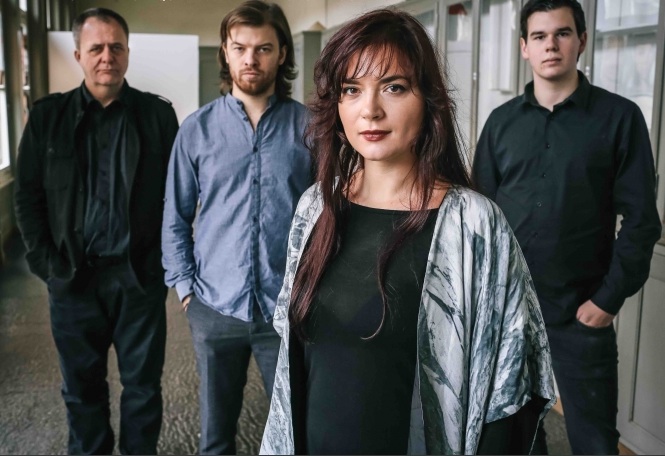
Elina Duni Quartet © Nicolas Masson

Elina Duni moved to Switzerland when she was ten, five years after she’d first stepped on a stage to sing in her homeland, Albania. Later, studying music in Bern led to a crucial meeting – with pianist and composer, Colin Vallon. It’s Vallon, along with drummer Norbert Pfammatter and now Patrice Moret on bass, who held a mirror up to Elina so she could see who she is and be free to draw on the rich cultural soil of the Balkans.

Elina’s second album for the major label ECM is Dallëndyshe (The Swallow) and listening to it immersed me in a bubble of ancient and distant lives where women call their loves ‘Ylber’ (rainbow) as they watch them leave green hills for work or, war. With titles such as ‘Nënë moj’ (O, Mother) and ‘Kur të pashë’ (When I Saw You), Elina describes them as ‘songs of love and exile’ but somehow the purity of the melodies and simplicity of delivery make them timeless.

What were you driven to express and explore in this album?

Elina Duni I think the word ‘timeless’ is very important in this case…You can feel the songs’ strength because they’ve crossed centuries and the melodies are archaic and deep. It’s this mixture of the contemporary perception each one of us has being a musician living in today’s world and the fact [the songs] are related to something that concerns all of us – we are all migrants, it’s the fate of all human beings: leaving behind something you love, going abroad, going from countryside to city, themes that are universal.

Where and how are did you find these traditional songs?

Elina Duni You may be surprised or maybe not, I found them on YouTube! Albanian friends are always suggesting songs and a friend of mine living in Greece put ‘Fëllënza’ on my wall on Facebook.

‘Fëllënza’ has a melody that has my dopamine triggers firing like Dirty Harry and Elina’s voice is so intimate you feel she’s singing with her head next to yours on a single pillow. Colin Vallon’s tangential arrangement steers it clear of saccharine-slush whilst on ‘Unë në kodër, ti në kodër’ (Me on a Hill, You on a Hill) he hypnotises, plucking piano strings like a cimbalom.

Elina Duni This is one of the songs where Colin wrote the arrangement with the bassline and the ‘mantra’, I had the melody and rhythm but he takes the song to another level…The three of them are wonderful musicians, they never play ‘1st degree music’. For me, art is the distance we take from things, it’s playing or looking at them in the 2nd, 3rd and 4th degree…Balkan music can be so pathetic [evoking pity] and it’s really a trap, somehow this distance from the pathos is the art.

When I started singing these songs Colin told me to imagine how Miles Davis would sing these themes – as simple as possible. When I do an ornament then it’s really thought out, I try not to do too much so when I do something it stands out. It’s the manner for the whole quartet.

You said that we live in a time where there is a need for poetry, say more about this.

Elina Duni Poetry has its own music, you can listen to a poem that you don’t understand and still cry with it… [the language] Albanian has something very interesting, it has a lot of sounds in it and it is a very, very old European language. It has Latin and Turkish words and, they say, also from the Celts, and it has something very deep and at the same time, strange.

Tell me about your childhood in Albania and how you feel about your homeland now.

Elina Duni There is a phrase, ‘there are two tragedies in life: to have a wonderful childhood and to have an awful childhood’. So, I had a wonderful childhood. In Albania it was another time that doesn’t exist anymore, there were no cars, no consumerism, no Coca Cola, no aluminium…we used to be happy when we could eat a chewing gum because it was very rare, or chocolate. We were raised in the neighbourhoods, everybody was going to everybody’s houses…and we were free. We grew up jumping, climbing the trees and running and fighting and being outside all the time…the imagination played a very important role. Everyone was writing poetry and reading…I think this was a golden time.

© Blerta Kambo
© Blerta Kambo

For me Albania is always inspiring, I go very often, it’s like all the countries that are transforming themselves, they have something alive there. Unfortunately Albanian society is still macho and patriarchal, it’s changing slowly, but there is a lack of models for women…The best thing is to educate women…and to show that being free is not being a sexual object which is hard because the media promotes this – and the singers too. There are so many in Albania, every good-looking girl puts on a mini skirt, makes a video clip and she’s a ‘singer’. I try to do my best to promote another model of woman.

What other projects are you doing?

Elina Duni I’ve been doing a solo project where I sing Albanian songs with guitar but I also did an album a year ago as a singer/songwriter where I wrote songs in Albanian so I’m going on writing, in French and English too…I love the quartet but I am trying to diversify so I’m writing as much as possible to find my way into music – which is not as simple when so many things have been done and you want to find your own original way at looking at things.

I still don’t know where all this is going to lead, the thing is I love acoustic music so maybe this can be a duo with voice and piano, it depends on who your partners are on the adventure, who you find. I would like to go more electric because it is a sound that really attracts me. These days there are no boundaries and you can explore without losing your identity. I love to sing my songs, that’s my biggest dream.

Elina Duni website

Elina Duni Solo
12.04.15 Cully Jazz Festival – Cully, CH
Elina Duni Quartet 
21.04.2015
 Jazzkaar Festival – Tallinn, Estonia
22.04.2015 
Viljandi Folk Music Center, Estonia
24.04.2015 
Salle des Fêtes de Carouge – Genève, CH
26.04.2015 
Dampfschiff – Brugg CH
29.04.2015
 Centralstation – Darmstadt, Germany
09.05.2015 
Treibhaus – Innsbruck, Austria
10.05.2015
 Bee-Flat im Progr – Bern, CH
27.05.2015
 Moods – Zürich, CH
29.05.2015 
Paradox – Tilburg, Netherlands
31.05.2015
 Rote Salon – Berlin, Germany
13.06.2015 
Schloss – Thun, CH
21.06.2015 
Bibliothéque Universitaire et cantonale – Lausanne, CH
Yilian Cañizares: Cuban colours on the Swiss musical landscape

104-7

Bringing a myriad of verve, elegance and exotic rhythms to the Swiss jazz scene is Havana-born Yilian Cañizares. Classically trained violinist, singer, songwriter, dancer, teacher – there are many feathers to her cap. With a highly acclaimed 2nd album, ‘Invocación’, recently released on Naïve Records and an anticipated live performance at this year’s Cully Jazz festival, Yilian talks about the music that has shaped her and the important role that Switzerland has played in her musical evolution.


How did the violin become part of your life?

Yilian Cañizares: I come from a sporty, musical family and a country where music, singing and dancing are a big part of the cultural identity. As a three year old, singing came first followed by dancing. At music school aged 7, I was directed towards the piano but the minute I saw the violin I felt such a pull towards it that I knew it had to be MY instrument, even though my family thought I was crazy. I still use the piano for composing but then transfer everything to the violin. I’ve had a very strong classical training, but thankfully through the songwriting I’ve been able to develop my own style. At 16, I went to Caracas, Venezuela, to study with the ‘El Sistema’ youth orchestra where violin tuition was more developed than in Cuba. There I had a French violin teacher who told me that Europe was the epicenter for classical violin studies, so I came to Switzerland especially because of Gyula Stuller, (no.1 solo violinist with the Lausanne Chamber Orchestra). The technical and musical level was just of another standard, I benefitted from all the rich musical heritage that had formed Gyula.

How has moving to Switzerland impacted your musical career?

Yilian Cañizares: The impact has been enormous! There is more cultural diversity happening in Switzerland than people think. Geographical centrality is a key element which means that all that’s happening musically and artistically in Europe is within easy reach. Cuba is culturally rich but is locked inwards, not many international artists go there to play, you can’t always hear or get immediate access to what’s happening musically in the world, the learning curve gets cut short. My 15 years in Switzerland have exposed me to so many different styles of playing, listening, learning and teaching. Being here has made me the musician I am today, my style of playing has grown in a way that would have been impossible to imagine in Cuba. There are so many gifted artists in this small country, I feel very lucky to be part of the dynamic Swiss jazz scene. My cultural heritage is respected and welcomed as a richness that can be ploughed back into this multicultural scene. I’m also touched that major Swiss institutions such as Pro Helvetia, La Ville de Lausanne and Swiss Music Export are helping me develop my career, taking me on as a newcomer and helping me transform into a headline act. They believe I am a good ambassador for the young Swiss scene, as well for Cuban music.

How has being in a Francophone environment affected you?

Yilian Cañizares: I once heard someone say that every time you learn a new language you gain a ‘new soul’. Becoming a French speaker has developed a new sensibility in me and a different aesthetic, it’s all part of the person I’ve become. I can now sing and write in French even if it’s harder for me compared to Spanish, but very much part of my musical direction. I feel an affinity with the language and would like to touch as much of the French-speaking audience as possible, so it’s no coincidence that I’ve signed to a French label, Naïve Records in Paris.

 Why did you go to Sweden to record your latest LP?

Yilian Cañizares: Compared to my first LP, I knew I wanted to go onto the next level with regards to my sound.  I noticed that a lot of great current music I’ve been listening to has been recorded in Sweden. They have such great studios, such savoir faire, their culture of sound is really unique. So I was very clear about wanting to use Lars Nilsson at Nilento Studios.

 What are the musical genres that have shaped you and your style?

Yilian Cañizares: I come from a very classical background where Santería music was coming from next door and Cuban jazz from down the street. Then here in Europe I discovered Stéphane Grapelli and what can be done with the violin especially in the jazz context. I’d say that jazz, as opposed to ‘world music’, is what defines me best because of its power of rebirth, improvisation and freedom. I don’t want to be classified as strictly ‘Afro-Cuban’ since musical evolution and transformation is key to what I do and my aim is to be open to many different spheres.

 How would you describe your latest LP, ‘Invocacion’?

Yilian Cañizares: This is my most honest work to date, a real portrait of myself, my lived experiences and all that has shaped me. Above all it’s a homage to loved ones no longer here: my grandfather, family friends, slave ancestors, singers and poets who have taught me so much.  Clearly it’s a very personal, heart-felt work with lots of different influences ranging from a Yoruba traditional prayer to Edith Piaf’s ‘Non, je ne regrette rien’. I hope people can feel the Cuban influence in my work, but also all the other important musical journeys that have helped me evolve. I feel a certain responsibility to represent the ‘new Cuba’, a country with a fragmented population struggling to open up to the world. I am so very Cuban, but for now my place is in Europe.

Band line up:

David Brito (double bass)

Daniel Stawinski (piano)

Cyril Regamey (drums)

Inor Sotolongo (Brasilian percussion)

Forthcoming gigs:

11/04/15 – Cully Jazz (CH)

06/05/15 – Schaffhauser Jazzfestival (CH)

24/06/15 – Basel Off Beat (CH)

25/06/15 – Sunside Sunset (FR)

24/07/15 – Marseille Jazz des Cinq Continents (FR)

15/08/15 – Jazz en Baie (FR)


Akku Quintet “Molecules”

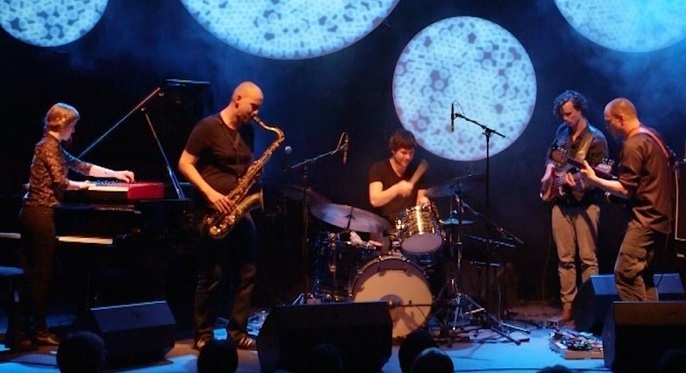
Akku QuintetMaja Nydegger’s delicate piano sets up a repetitive motif
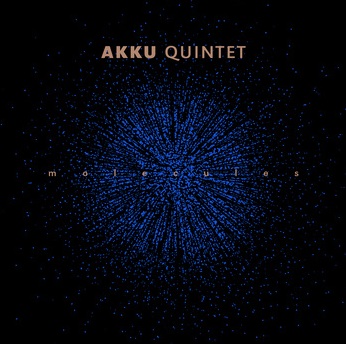
As readers may know, I like space in music. When I first saw a group of Swiss artists jam with the legendary saxophonist, John Surman, the most impressive were those who knew when to ‘shut it’, to avoid an ugly cacophony. Akku Quintet share this sensitivity and aren’t afraid to step away from the mic. Formed by drummer, Manuel Pasquinelli in 2010, Molecules is the quintet’s second release on Pasquinelli’s own label, Morpheus. It’s an EP more than an album and my sense is they are a band in development.

They carefully creep into each track, as in ‘Fluid’ and ‘Schneeman’ when Maja Nydegger’s delicate piano sets up a repetitive motif, almost acting as a mantra for the piece. This is perfectly balanced by the tenor saxophone of Thierry Lüthy who has an assured and warm tone. His notes waft around the piano melody as if the two are in a quiet conversation. When he builds to a sort of circular breathing in ‘Phase Transitions’ it brings a ripple of excitement.

Guitarist Markus Ischer soars through with a woozy-stoned solo
Despite being Pasquinelli’s project he keeps his crisp beats sparse, playing a supportive role and taking time before coming in with off beats, mini-patterns, or simple, unadorned snare and bass drums. Considering the power an electric bass can wield I was rarely aware of it, Andi Schnellmann excels at enmeshing his sound into the others’ like a soft echo of the music.

The best moments come when they suddenly switch the vibe, such as in ‘Schneemann’ when six minutes in, guitarist Markus Ischer soars through with a woozy-stoned solo and Maja subtly responds with low church organ chords and pithy alien-like beeps. Markus Ischer’s guitar is the strongest voice, it resembles Lüthy’s consciousness but with extra drive. He interrupts ‘Phase Transitions’ with a warbling and affected guitar before changing his touch with metallic stabs and long haunting notes, keeping you entranced.

AkkuQuintetMoleculesThere’s a need to develop grit and emotional vulnerability
Akku are creating soundscapes with tracks lasting 10 to 15 minutes (apart from the quirky and jaunty, ‘Freeze’), however, at times I wanted them to turn up the intensity, the music could become so laid back I became disengaged. There’s a need to develop grit and emotional vulnerability in their themes and playing. They are working with media artist Jonas Fehr for their live shows and I liked the cover artwork by Sandro Galli. Pasquinelli has invested in a limited edition of hand-printed covers for the vinyl edition but his next focus should be developing the band’s voice so it stays relevant and is not shy of demanding to be heard.

Akku Quintet website
Akku Quintet Bandcamp

07.04.2015    Freiburg (DE)
08.04.2015    E-Werk – Freiburg (DE)
09.04.2015    Lagerhaus (mediencoop) – Bremen (DE)
11.04.2015    Cafe Fincan – Berlin (DE)
12.04.2015    Stellwerk – Hamburg (DE)
13.04.2015    Jäzzzeit Im Heimathirsch – Köln (DE)
15.04.2015    Immerhin – Würzburg (DE)
16.04.2015    Early Bird – Innsbruck (AUT)

16.05.2015    Orbital Garden  – Bern (CH)  (playing Music By Don Li)

https://youtu.be/58G4kW1YIQs

Paralog @ Live in Vevey

Comment dire.
Il s’agit du plus beau trio de jazz suisse du moment. C’est à en perdre ses superlatifs.

photo paralogGabriel Zufferey (p), Christoph Hutzinger (b), Domi Chansorn (dm)

A la composition et au piano, l’extraordinaire genevois Gabriel Zufferey, petit prodige qui a commencé tout gamin aux côtés de Daniel Humair, et dont la fougue et le cœur laissent toujours pantois; à la batterie, Domi Chansorn, batteur multi-instrumentiste touche-à-tout, toujours avec ce beau feeling souple qu’on retrouve d’ordinaire plutôt chez les félins que chez les humains; et enfin Christophe Utzinger à la contrebasse, clef de voûte sobre et solide du puissant groove général.

Paralog allie virtuosité et inventivité, en partant à la recherche d’un langage propre, parallèle, paralogue. Des improvisations élaborées comme une toile sur laquelle s’organiseraient repères et émancipations. Une musique toujours au maximum de sa force, même dans les instants de retenue, et toujours dans un feu d’harmonies.

Un album est en préparation, et le groupe est en résidence à “Live in Vevey” au Théâtre de l’Oriental à Vevey tout prochainement. C’est évidemment à ne pas manquer.
Le site de Paralog

Live in Vevey – Théâtre de l’Oriental (rue d’Italie 22, 1800 Vevey)
du 25 mars au 4 Avril 2015
mercredi, jeudi, vendredi, samedi à 20h
Entrée au chapeau
le site de Live in Vevey

A écouter également le 31 mars dans l’émission Jazzz sur Espace 2

Manuel Troller @ bee-flat, Bern, 18/03/2015

troller

Wenn das Jahr so weitergeht, dann wird 2015 das Jahr von Manuel Troller. Denn der Luzerner Gitarrist hat eben mit seinem Powertrio Schnellertollermeier das monströse Album «X» veröffentlicht, das toll die Barrikaden zwischen Rock und Jazz niederreisst (und zurecht mit Superlativen bedacht wird).

Seit kurzem spielt Troller auch Solokonzerte. So teilte er Anfangs März in Luzern die Bühne mit dem ehemaligen Sonic-Youth-Gitarristen Lee Ranaldo, und nun, in der Berner Turnhalle, eröffnete er den Abend der bee-flat-Konzertreihe «Stage For Two», an dem nach Troller mit Marc Ribot ein anderer grenzüberschreitender Gitarrist zu erleben war.

Zu Beginn seines gut vierzigminütigen Soloauftritts strich Manuel Troller mit einem Geigenbogen über die Saiten seiner elektrischen Gitarre, der in einem rasenden Arpeggio-Teil mündete, ehe Troller entschleunigte und leisere Töne in den Raum schickte. Das Leise, es führte über in eine Noise-Passage, in der er mit seinen Pedalen und Loop-Geräten einen zerhackten Störfunk-Beat arrangierte – einer, der an Werke von Laptop-Manipulationskünstler erinnerte. Trollers Neugier nach neuen Klängen, in der die Gitarre das «gitarristische» verliert, war in allen diesen verschiedenen Aggregatszuständen seines Spiels zu spüren und hören. Sein Set beschloss Troller mit einem akustischen Stück, das die Americana von Saitenkünstlern wie John Fahey zitierte.

Der Abend blieb in der Folge akustisch, denn Marc Ribot entschied sich für sein Set für die unverstärkte Gitarre. Ganz zum Schluss des Abends holte Ribot seinen 28-jährigen Kollegen für ein spontanes Duo auf die Bühne – ein würdiger Abschluss eines überaus tollen Abends.

Solokonzert: 11.6., B-Sides Festival, Kriens

Konzerte mit Schnellertollermeier: Zürich, Walcheturm, 10.4. Schaffhausen, Jazzfestival, 9.5. Luzern, Südpol, 13.5. St. Imier, Toxoplasmose Festival, 6.6. Kriens, B-Sides Festival, 13.6. Danach Tournee in England.

Schnellertollermeier: «X» (Cuniform Records)

[soundcloud url=”https://api.soundcloud.com/users/8025071″ params=”auto_play=false&hide_related=false&show_comments=true&show_user=true&show_reposts=false&visual=true” width=”100%” height=”450″ iframe=”true” /]


Orioxy “Lost Children”

OrioxyEvocative storytelling perfectly suits this quartet
Orioxy’s third album resonates most when it re-imagines the template of simple folk music. Evocative storytelling perfectly suits this quartet of Manu Hagmann on double bass, Roland Merlinc on drums, harpist Julie Campiche and Yael Miller’s voice which at best is pure and unadorned, yet rich with the flavour of her mother tongue, Hebrew.

These stories have a modern accent though. Princeless is Yael’s re-telling of the Cinderella tale, it’s riven with longing and bereft of the happy ending. Soft electronic cries, a melancholic double bass and bare drum taps use a delicacy that binds the whole piece together. Yael Miller’s voice flips between innocence and sensuous knowing throughout, calling on her natural ability for drama. Song of Love is wonderfully accompanied by a percussive typewriter as if the singer is dictating her letter. Some type of squeeze box murmurs sadly and drops of electronica fold into a sympathetic bass solo, all the while the fountain-like harp sparkling light and fresh.

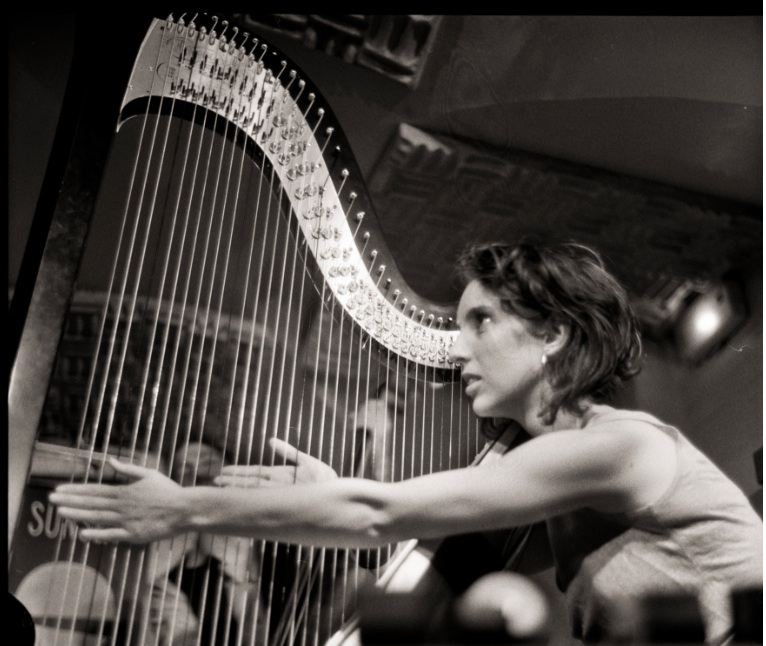
Julie CampicheCampiche’s timing seems to fly directly from her heart
The harp is really the heroine of this album with Julie Campiche’s myriad of subtle colours and styles perfectly placed again and again. Her solo in Isha is spine-tingling. This track is ranging and borderless, a landscape of yearning vocals and grooving rhythms helped by tape rewinds and effects. At first the harp captivates with Middle Eastern vibes amid deep double bass twangs that fall into dark scrapes, before the harp emerges in a solo full of soul and expression. Campiche’s timing seems to fly directly from her heart.

I don’t mind Yael’s rapping or the use of the Sami Darg Team (rappers from Gaza) on Bachour Meshouamam (A Bored Boy) but it does break the spell of the delicate web of lovelorn melodies. As an album, Lost Children does face the danger of its gentle downtempo mood coming to a lethargic halt so I welcome a bit more spit and verve. However, this is best done with their own instruments such as in Old World. Using a bow on the double bass and suitable electronics they bring a free rock track together without a whiff of lead guitar.

There could be a further clarity of the unique Orioxy sound
‘Music doesn’t have a style,’ Yael sings and it’s true this album does not fit into a neat genre. But music does need to have a clear identity, and although this is a decent third album I feel there could be a further clarity of the unique Orioxy sound gained through exploring further musical depth and developing musicianship and songwriting skills.

Interestingly, Orioxy do a captivating interpretation of Paul McCartney’s Blackbird. But in a way that cover serves to show what a truly stunning song can do. It’s the track that has stayed in my head. Orioxy have a good line up of gigs, often a chance for a band to get to know itself on a deeper level. Grab a chance to hear them play as I’m sure there will be some wonderful moments of magic.

Orioxy website and tour dates

[youtube=http://youtu.be/VftefxldpLM]

KIKu adoubé par Blixa Bargeld à Paris

KiKu_Presspic_01_72dpi_1_530_352« Vous êtes là pour Blixa ? » se demande-t-on poliment au sein d’une foule compacte d’où émerge, en connaisseur, la tête du géant (au sens propre) de l’électro analogique parisienne, Arnaud Rebotini. Blixa Bargeld, donc, fait l’attraction de ce premier concert de rentrée au centre culturel suisse. Le fondateur d’Einstürzende Neubauten vient prêter sa voix caverneuse au nouveau projet de KIKu, le duo d’indus jazz romand. Mais, comme pour rester fidèle au titre de leur album, « Marcher sur la tête », Yannick Barman, à la trompette et Cyril Regamey, à la batterie, s’amusent d’emblée à brouiller les pistes. En introduisant le slammeur lausanno-new-yorkais Black Cracker et leur guitariste David Doyon, ils démarrent par une impressionnante session de hip hop noise, tandis que sur l’écran sont projetés les dandinements d’une caméra entre deux murs léprosés. Regamey, métronomique sur sa batterie électronique et Barman, toujours entre miaulements de trompettes et mélodies fugaces orchestrent l’ensemble avec toute leur science du micro silence et du groove impossible.

Quelques morceaux plus tard, après cet échauffement emballant, frémissements : « Blixa », impassible dans son costume trois pièces impeccables, débarque en fauteuil. A peine le temps d’un « Bonjour ! » tonitruant, et déjà les meilleurs morceaux de « Marcher sur la tête » s’enchaînent. Avec « Nuages », longue composition labyrinthique, KIKu tempête sur drone; sur « Belehrung », poème de Herman Hesse contée d’une voix profonde, la trompette chuinte du free jazz; sur le classique new wave des Korgis, « Everybody’s got to learn sometime », d’incongrus apartés pop font leur apparition. Parfois, Blixa lâchera un cri ou soulèvera un sourcil rageur, Régamey laissera l’impression d’être le Tony Martin du free-drone; Barman, la trompette dans la bouche, fricotera avec ses machines (la sainte trinité sampler-ipad-laptop). Mais toujours, sauf peut-être pour le final, qui, à défaut de marcher sur la tête, piétinera les tympans, toujours KIKu, Blixa et Black Cracker réussiront à rester imprévisibles.

Le 20 janvier 2015 au Centre Culturel Suisse de Paris

Egalement le 22 janvier au Bad Bonn de Düdingen et le 23 janvier aux Docks de Lausanne

Album : « Marcher sur la tête » (Everest Records)

Le Pot «She»

LePot_She_CoverThe system has crashed and we nervously float through a spiral galaxy

Le Pot’s album is the first of a planned trilogy, SheHeraZade. After crossing paths in outfits such as Manuel Mengis‘ Gruppe 6, they committed to this project with Mengis on trumpet and electronics, Hans-Peter Pfammatter playing Moog and synthesisers, drummer Lionel Friedli and Manuel Troller on electric guitar. This instalment, She, has thrown off the shackles of melody and musical convention and is driven by atmosphere, environment, feeling. The electronics provide a subtle, post-Apocalyptic white noise; the system has crashed and we nervously float through a spiral galaxy.

This interplay creates expansive landscapes

Ariel Alert sets up the ride with its cacophony of smashing cymbals and firing drum rolls, psyched-out guitar and trumpet, part-quivering, part-soaring. It leads into the track I keep re-playing, Part 1 Desert Whale Song. A sublime sound-piece where the ever-present electronics are so subtle you can’t tell where the instruments stop and they begin. This interplay creates expansive landscapes and mysterious visions: here the band appears as a disorientated submarine in the deepest of pitch-black oceans. The denouement escalates to an animalistic attack of Mengis’ braying brass, distorted guitar and drum blows, that had me on the edge of my seat.

Electronics are the threads invisibly sewing it all together

Throughout the album, the trumpet chatters, squeals, cries in pain but rarely sings – there is a sense of skilful playing and a wilful rejection of tradition, although I could sense echoes of ‘electric Miles’ (Davis). It is perfectly matched by the guitar’s imaginings: from fuzzy strums to almost inaudible bending notes and tripped-out chords. The drumming is a-rhythmical, barging into the argument with its own opinions; sparse and jagged, whilst the synths and electronics are the threads invisibly sewing it all together into a dark collage.

LePot_Dec2014

An echoing guitar drives the track off the cliff into freefall

It’s as if their idea is to drag music back in time to primal grunts or break it even further down into fizzing atoms. They are not always successful in this, but what I am taken by is the quartet’s commitment to space in their music; they allow each sound to breathe and exist even when they build to discordant climaxes such as in Part II Phili’s Boat Bursting or Gezinkt Sind Wir Alle. In this piece the instruments intensify their squabbling chatter; bass notes underpinning frantic trumpet squeals and insistent electric loops, before an echoing guitar drives the track off the cliff into freefall. There is almost a sense of post-punk electronica here with keyboards, guitar and drums uniting in a vague melody.

This is what I think should have been developed – a more tangible shape, even if for one track in order to pull the album back from drifting into clever noodling. Having said that, I enjoyed the trip very much and am looking forward to Hera – which the band say will be an acoustic reflection on the motives of the British composer Benjamin Britten. Le Pot are a band we should all be keeping our ears open for.

Le Pot             Everest Records


The Who Trio presents “The Who Zoo”

The Who ZooFrom the opening, assured double bass note and urgent cymbal tapping to piano notes peeking shyly out, the quality of The Who Zoo is apparent. The acoustic side of this limited release, double album uphold the trio’s aim: to respectfully work on the art of improvisation.

It sounds like a whale singing of unrequited love

The track Rembellarun stands out for feeling like an actual composition, all be it a dreamlike one with Michel Wintsch at his melancholic best and Gerry Hemingway providing an edge by literally scraping the side of a cymbal. It sounds like a whale singing of unrequited love. Just when the percussive ideas begin to dominate, in rides a piano rebuff – a few notes delivered with confidence and defiance.

Hemingway is a constant imaginative presence sensitively patting out ideas and allowing cymbals to whisper sweet nothings around the hook line in Demmpa. Bänz Oester tunes in, but asserts his own ideas with an intimate knowledge of strokes, caresses and pulls of his bass strings. The inventiveness of his playing borders on the magical.

I like it when they get raw and primal

I didn’t like Sloeperr to begin with, then at nine minutes in, on maybe the third listen, I got goosebumps and almost tears in my eyes as the warped hymn lines and piano poundings, bass vibrations and beatings and rattling drum funk entangled me in an emotional net. I like it when they get raw and primal. They can handle it without resorting to cliché. There are times when I’m certain Hemingway could get in chops and licks but he keeps it organic, all three staying riveted to the present moment. This favouring of the integrated ‘group solo’ enables an uninterrupted onslaught.

Hemingway was a name in the ‘loft scene’ of 1970s New York where free jazz had laid the foundation and was developed by new creatives such as Joe McPhee, Don Pullen and David Murray. His presence is powerful but his depth of experience is matched by Oester and Wintsch. Michel embroiders the music with runs that sound like glass beads scattering and exquisite melodies that seem to trickle from a Peter Greenaway film soundtrack.

How I’d love to hear Oester on electric bass

The second CD is mis-titled as ‘Electric’. I was expecting Wintsch on Fender Rhodes and how I’d love to hear Oester on electric bass, but in fact at the core of these longer improvisations are the acoustic instruments with what seems to be decorative strokes of synthesiser, electric sound effects and noodlings. ‘Acoustic Plus’ may have been a better description.

This release has a multitude of textures and thoughts: dry, scraping grief, assertive fury and vulnerable beauty. Although I wouldn’t have complained at even more variety, it’s quite an achievement to capture improvised music as it should be heard – live. The Who Zoo is an exploration of the potency of improvisation and all venues interested in such music should book them now.

The WHO Trio, The Who Zoo (Auricle Records / Nagual Music)
The Who Trio
Auricle Records

Montreux Jazz Festival: l’art du solo

Le batteur Julian Sartorius et le pianiste Marc Perrenoud confronteront leur art du solo au Château de Chillon le 11 juillet. Tous deux ont accepté de livrer à  Swiss Vibes quelques-uns de leurs secrets de fabrication.
@Reto Camenisch
@Reto Camenisch

Pour le plus grand malheur de ses parents et pour le plus grand bonheur de nos oreilles, Julian Sartorius a la fâcheuse habitude de taper sur tout ce qui l’entoure depuis qu’il est en âge de marcher. Quelque trente ans plus tard, il a fait de cette pulsion profonde son fonds de commerce. Pendant toute une année, il s’est astreint à la délicate mission de réaliser un beat par jour où qu’il soit. D’abord publié sur son blog, son « beat diary » est sorti l’an dernier sous la forme de 12 vinyles accompagnés d’un livre de photos. Depuis l’homme à la batterie écume les scènes les plus diverses. Il joue au milieu du public au Festival Onze plus, tape sur les murs du Musée Rietberg lors de l’inauguration d’un nouveau pavillon et se risque sur la grande scène du Cully Jazz Festival.

 « Le plus important c’est l’espace »

Le 11 juillet prochain, il investira un haut lieu historique, le Château de Chillon, dans le cadre du Montreux Jazz Festival. «  Le plus important c’est l’espace », explique Julian Sartorius au bout du fil alors qu’il attend un avion pour Copenhague. Le jour du concert, je vais tester l’acoustique de la salle avec ma batterie. Selon la façon dont elle sonne, je prépare des accessoires différents, acoustiques ou non ». Dans sa tête les plans des morceaux s’enchaînent, mais la prestation n’est jamais deux fois pareille. L’homme-orchestre peut à tout moment changer de direction, imprimer d’autres couleurs, d’autres harmonies à son set.

« C’est juste toi et le public »

Après s’être fait connaître comme batteur de Sophie Hunger, Julian Sartorius est devenu un amoureux de liberté d’improvisation, même si et surtout si ce travail est plus accaparant. « Quand tu accompagnes quelqu’un, tu peux compter sur l’autre ou le suivre, quand tu es seul, c’est juste toi et le public.». Julian Sartorius propose également dans le cadre du Montreux Jazz festival un duo « totalement improvisé » avec Benoît Delbecq (Montreux Palace, mardi 8 juillet).

 « Je préfère travailler sur les mouvements »

02 Marc SoloForcément l’exercice du piano solo est plus connu que celui de la batterie solo. Marc Perrenoud le conjugue pourtant à sa manière. « Plutôt que de travailler en improvisant sur un base de 32 mesures comme cela se fait dans le jazz, je préfère travailler sur plusieurs mouvements, à l’instar dans la musique classique ».

Solo de batterie versus solo de piano

Pour pousser l’exercice plus loin, le pianiste, dont le dernier CD en trio « Vestry Lamento » a séduit les critiques de New York à Paris, aime prendre pour point de départ une technique ou une texture. Il peut ainsi choisir d’improviser à partir d’octaves ou s’amuser à retranscrire au piano un solo de batterie. A chaque son – la grosse caisse, la caisse claire, les cymbales – il associe des notes, créant ainsi d’autres formes rythmiques sur son instrument. Le but étant bien sûr de prendre un maximum de risques, de chercher à ce que le résultat soit à chaque fois différent.

 « Ne pas se laisser dépasser par ce qui est entrain de se passer »

« Lorsque tu joues en groupe, tu cherches d’abord la résonnance, l’osmose. Le groupe trouve alors sa propre énergie et se met à fonctionner de façon autonome, un peu comme une meute. En solo, tu dois entrer en connexion avec toi-même sans aller trop loin. Tu ne dois pas te laisser dépasser par ce qui est entrain de se passer, garder un temps d’avance, garder le contact avec le public. Tu dois être en permanence ultra-concentré. Il ne peut y avoir que très peu de déchets. »

Les pierres millénaires du Château de Chillon et la féérie du lac au crépuscule ne pourront qu’inspirer la batterie insolite de Julian Sartorius et le piano expansif de Marc Perrenoud. Ne ratez pas ce moment d’exception !

Julian Sartorius solo/ Marc Perrenoud Solo, Montreux Jazz Festival, vendredi 11 juillet, 21 h.