How Do I Look? Image in the Digital Era

Forget Twitter’s 140 character limit and just post a photo, or 15 second video – and you’ve got the new digital craze, Instagram (16 million active users per day). It’s responsible for the widespread ‘selfie’ (taking a picture of yourself and posting it) and along with Facebook, YouTube and camera/video devices within our smartphones, tablets and consoles has blown the importance of our own image into a monstrous size. This is impacting society and culture, and that includes jazz.

“You can take a stand and decide what emphasis you will apply to your image”  Elina Duni
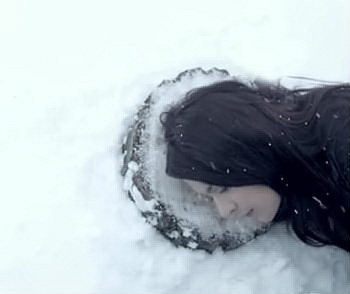
Elina1(1)There is resounding evidence that Dr Catherine Hakim was bang on the money when she wrote a book asserting that those who use beauty, physical fitness, charm and sexiness will find success (Honey Money: The Power of Erotic Capital) and it’s especially true in the music industry. “I am so sad about what I see today, what are the role models for young girls? Mostly women stars who don’t represent the feminist way of thinking, but represent the sexual object,” says vocalist Elina Duni when I ask her about women’s image in music, “but you can take a stand and decide what emphasis you will apply to your image, if any, or what it says about you.”

Duni instinctively realized the importance of engaging visuals from the start of her career, but it was when she found a kindred spirit in the Albanian photographer Blerta Kambo that she could realize her ideas. “Some things can be sensual or sublime without being cheap or sexual,” comments Duni, “she represents me very well.” Trombonist Samuel Blaser didn’t have the same issues to face but admitted he’d changed his thoughts on his image, “Now I’ve hired a fashion consultant. We went shopping for a day together. I spent way too much money, but I think it’s important to present yourself well.

“In some parts of Europe music is more connected to hipness than to good music”  Florian Arbenz

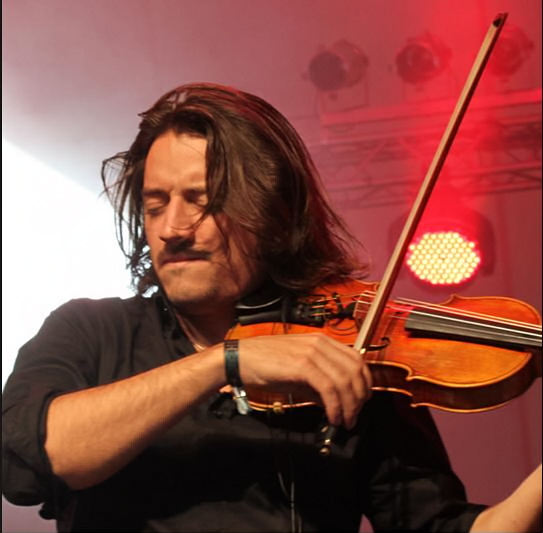
In my own career I witnessed how having a strong visual identity helps people remember you (I had dreadlocks for many years), but as pianist Rusconi notes, it has to be genuine, “If it comes from you and who you are as a band then great, but there’s no need to force it.” Some people have a natural visual intelligence, such as Tobias Preisig. He plays violin and in a subtle way, plays upon the look of a free and fiery but very modern gypsy. He forges a clear identity, very useful tobias1when establishing a ‘brand’. If any artists out there are flinching as I use the word ‘brand’, consider the creative accomplishments of Björk, one of the most magical musicians of my generation whilst being one of the strongest brands. Brands enable people to get who you are and, if it’s strong or unique, remember it. You may not say Eric Vloeimans’ indulgence in colourful clothes and ‘funky’ shoes launched his career, but you could see how his image, along with his playing has set him apart.
Florian Arbenz of Vein commented that not everywhere was infected by “fashion”, “In some parts of Europe music is more connected to hipness than to good music. In Eastern parts [of Europe] you are still judged very hard when you play and I like that.” He found that his band’s classical training and passion for vintage jazz, not their choice of clothes, had given Vein a strong profile in those regions.

Image in music isn’t just about personal appearance

Bebop and modernist jazz was helped by the daring graphics of Reid Miles at Blue Note in the 50s and 60s, whilst Manfred Eicher’s audio vision for ECM was perfectly interpreted by designers Barbara Wojirsch in the ’70s and Dieter Rehm who nurtured the photographic style of windswept trees and monochrome landscapes. On the other hand you could argue that GRP Records sold a lot of albums despite some of the ugliest record sleeves ever (though they were operating in the ‘style-free’ era of the 1980s). As digital downloads and streams find their feet there’s less attention paid to album covers, but a few of the Swiss artists I interviewed confirmed their audiences were still buying CDs. In the wider picture of music, however, the music video, once the marketing tool of pop alone, has taken on increasing weight. Use of YouTube as a device for discovering music is mostly responsible.

“We did it like a piece of art”, Samuel Blaser
samuel1(1)Samuel Blaser has found himself experimenting more with visuals such as photos and videos and, like Duni, recognizes their importance as publicity. They also have both relished these added dimensions to their creativity. Blaser met Polish video maker, Ewa Kozanecka in New York and asked her to shoot something for a shorter version of Pieces of Old Sky. “I don’t know if it was totally useful because we did it like a piece of art.” From a listener’s point of view that video held the music more firmly in my memory. And that’s where videos and photos can really assist musicians – by etching their sound into the consciousness of the public. Rusconi are a band that have also naturally partnered with video to explore ways to extend their expression.

“The video thing opened up our music to a totally different crowd” Stefan Rusconi

[youtube=http://www.youtube.com/watch?v=XDdzOFYnLuo]

They have forged a successful pairing with the film collective,  Zweihund, producing engaging and professional work for comparably small budgets. Stefan Rusconi told me, “The video thing opened up our music to a totally different crowd. What we’re interested in as an audience is people that are interested in different fields of culture. Doing the video got people interested that would never have come to a Rusconi jazz gig,” and it enabled them to crossover to contemporary music festivals outside of the ‘jazz’ genre.

“You need good clothes…” Marc Perrenoud

This has proved useful as a piano trio, because as Marc Perrenoud, the leader of another piano trio, noted, “You have to find something different form other trios, find another visual identity.” Some of the artists I interviewed were also filming their gigs, tours and recording sessions as ‘documentaries’ in order to extend their ‘visual presence’. The digital world is forcing the hands of musicians, “You have to be very connected on the web, you have to have very good presentation and have very good pictures [and] you need good clothes,” noted Marc Perrenoud.

A few months ago I went to a jazz festival. One of the bands I came away very firmly etched in my mind were Snarky Puppy – they had great stage presence (helped by the fact there were so many of them) but also their fans were wearing well-branded T-shirts, with a print of a dog’s head wearing headphones. Jazz musicians may not feel the pressure to look like George Clooney, yet, but the world is changing rapidly and visual intelligence or ‘erotic capital’ if you like, won’t be diminishing their influence in the near future.
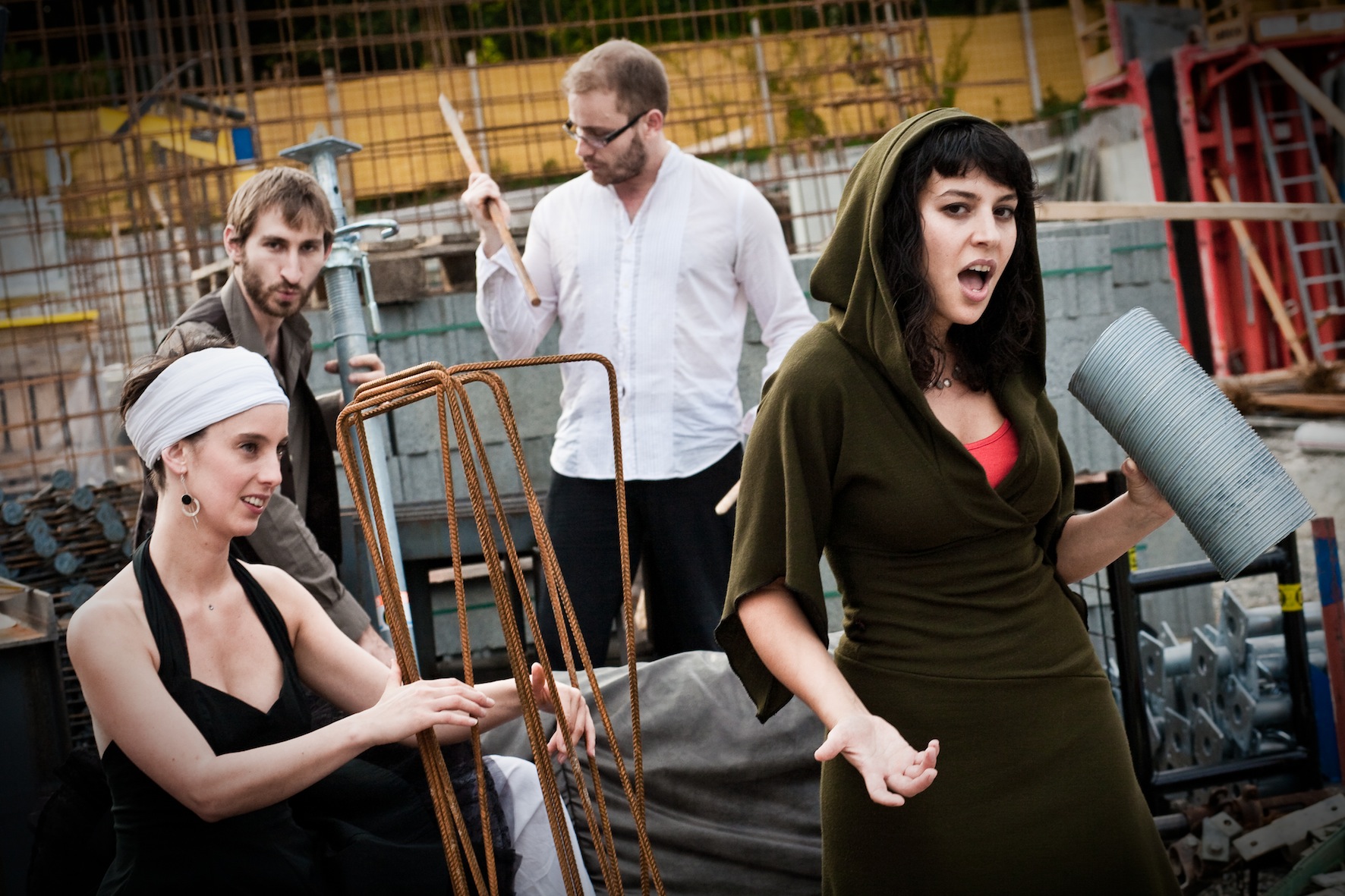
Orioxy @Sunset (septembre 2013)

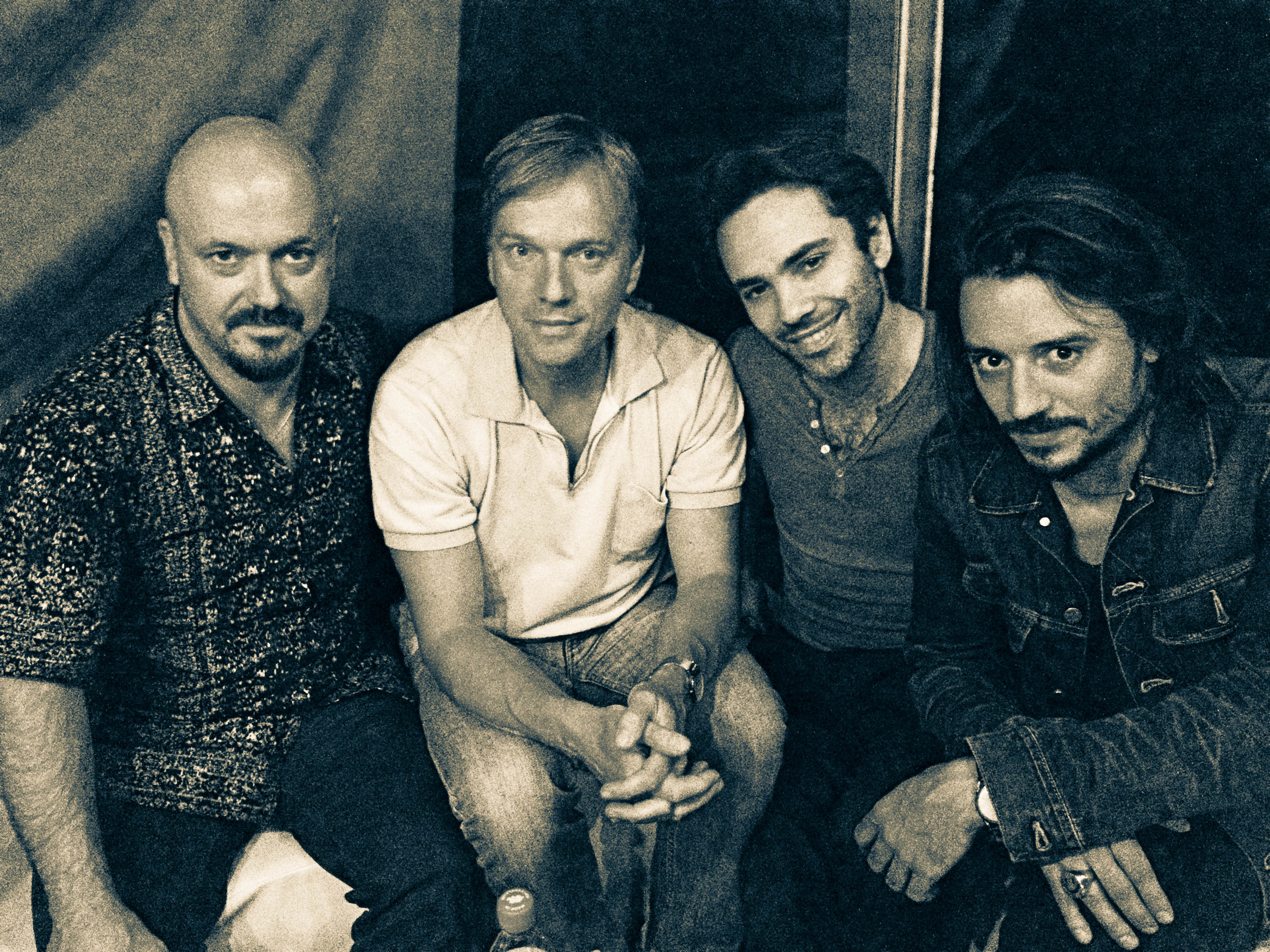
Orioxy 3_300dpiA leur sortie, les mélancolies orientalistes de « The Other Strangers », avaient suscité quelques incompréhensions délicieuses dans la presse jazz, charmée autant que bousculée dans ses certitudes par ce drôle d’objet sonore. Certains usèrent même sans trop y croire, le terme de « pop folk », plutôt incongru pour un exercice de style aux confins des traditions hébreuses et indiennes, avec une approche résolument contemporaine. Des questions vite levées lors du passage d’Orioxy au Sunset, pour la première présentation française de ce second album.
La mythologie du halètement

Et tout de suite, que ce soit en hébreu ou en anglais, la chanteuse du quartet genevois Yaël Miller fait oublier rapidement les exégèses confuses : chez elle, peu importe de savoir si son chant est « jazz ou pas jazz ». Ce qui compte, dans ses morceaux sur le bonheur (« World Database of Universe ») ou sur un misanthrope (« Bachour Meshouamam »), c’est la mythologie du halètement. Dans l’onomatopée, dans les saccades, rire sardonique, en hébreu ou en anglais. C’est ce qui donne le souffle à cet univers toujours mystérieux, d’une angoisse cinématographique – notamment quand le contrebassiste Manu Hangmann fait vibrer son engin dans une distorsion de fin du monde.

Impossible également de définir sans le trahir le travail subtil de la harpiste Julie Campiche, passée par de nombreuses formations classiques et « proprement » jazz : cambrée avec sensualité, elle torture gaiement sa harpe arrangée à coups de maillet, la caresse d’une bande de papier et improvise comme jamais en Thurston Moore de la « 47 cordes », tout en gardant un pied (voire même sa main droite) sur ses machines d’effets. Il n’y a guère que vers la fin, après une reprise des Beatles (« Blackbird », comme pour encore mieux brouiller les pistes), que cette tension sous-jacente finit par se relâcher. Pour le rappel, Yaël Miller et Julie Campiche reviennent sans leurs deux garde-chiourme, et concluent tout en douceur leur danse du ventre avec les amateurs de jazz contemporains, forcément conquis.

Dernier album paru : « the Other Strangers » (Unit Records / Abeille Musique).

Le morceau “Im Tamouti” est écoutable et téléchargeable sur le bandcamp de Swissvibes.

“Tweet Me!” Jazz in the Digital Age

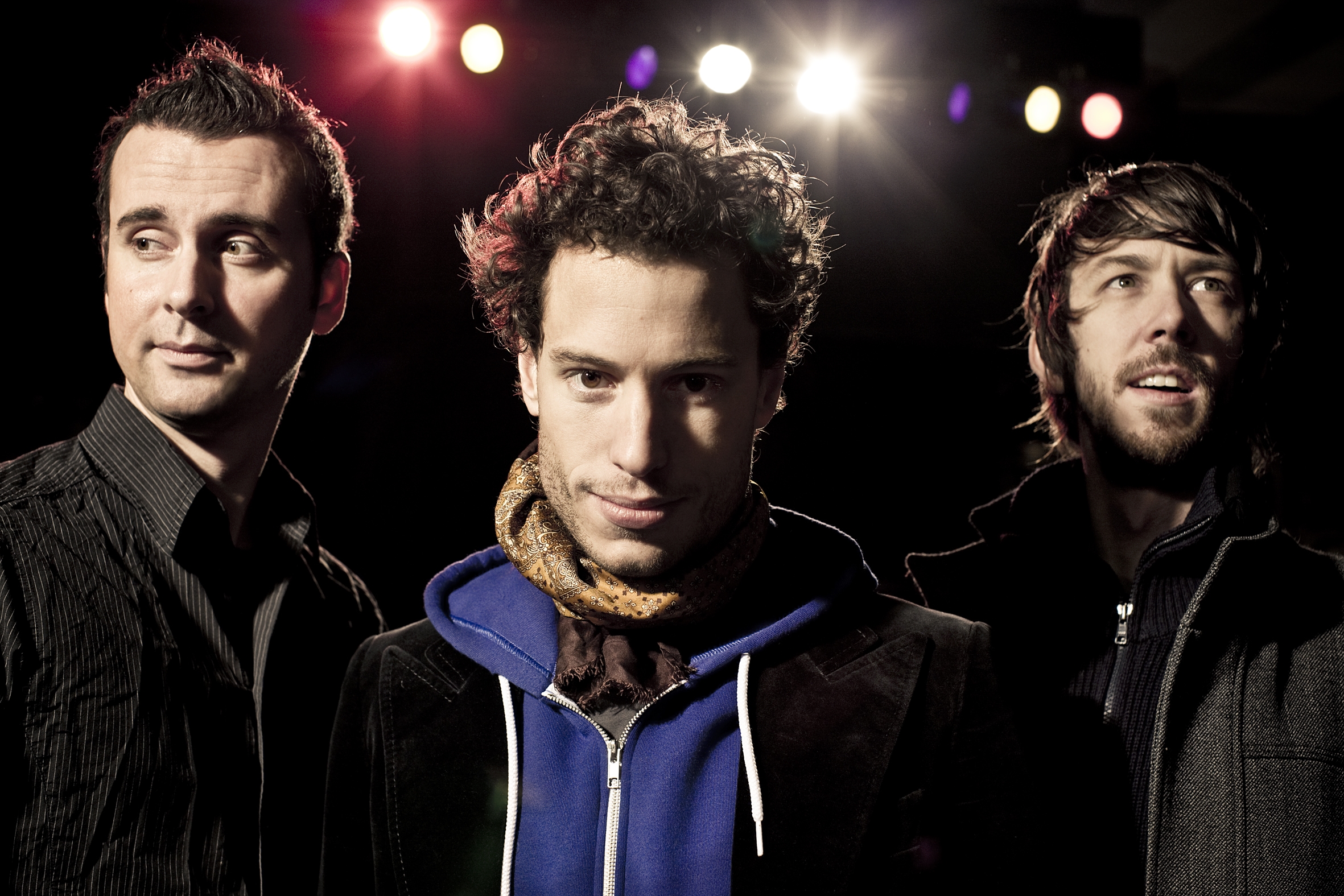
Swiss Vibes 2013_01_Mix 4As far as I see it, social media is a form of Internet dating, just without the romance (though not always). It’s relationships, connecting, communicating, dare I say, flirting, and showing off your best photos. There’s also a lot of hype about what it can do for a career.
Example: kid playing guitar uploads to YouTube, sets up Facebook page to consolidate following, finds a manager via Twitter, releases EP, tweets to major UK shop about singing on their next Christmas advert – gets job, the track goes to no.1 in UK charts, she gets lots of press. This is the true story of Gabrielle Aplin who literally created her own career in a few years using digital media and it shouts at us, “Digital and social media matter!”

“It’s the most neglected field in jazz music”  Stefan Rusconi

Rusconi_2But what are the implications of this explosion of media for the new generations of jazz musicians? Out of the eight musicians I spoke to they had all breathed the same air, tainted by these hyped success stories of social media, but only three were already forcing themselves to fully utilize the Internet. Stefan Rusconi observed, “I understand our music is about being a master of playing for real, you invest a lot of time in your instrument, you’re a craftsman and it’s sometimes hard to accept the digital side, but I think it’s the most neglected field in jazz music.”

“it’s not up to me to decide if it’s important or not, it’s just a fact that it’s important” Andreas Schaerrer

Andreas SchaererCertainly they don’t share the same audience as Justin Bieber (over 42 million Twitter followers) but Herbie Hancock has doubled his followers in the last year to 54,000 and it’s doubtful the trend will reverse. Andreas Schaerer reflected the thoughts of others when he said, “I personally don’t enjoy Facebook…This concept of communication is a fake one to me, but I realize I’m living in a time when it’s not up to me to decide if it’s important or not, it’s just a fact that it’s important.” However, the issues around digital media aren’t only about personal taste, a key problem mentioned by all the musicians was, time.

“To create, you really have to shut down your Internet and phone”   Elina Duni

Elina Duni_PF1Creating and updating websites, Facebook pages, blogs and tweets take an enormous amount of time and more notably, headspace, because it’s ongoing, always on the ‘to do’ list. Smartphones have supported social media by making it easier to update ‘on the go’ but as Elina Duni noted, “It’s not just posting things, you have to be active, to answer, people have to feel you’re near to them.” It’s this consistency that can be at odds with a creative process such as composing that demands focused, uninterrupted time. Duni explained, “To create you really have to shut down your Internet and phone…but today you always have to be reachable…It’s not easy and sometimes it depresses me, but I try to find a way…I try to improve.”
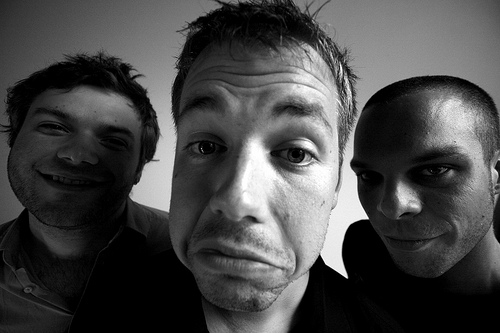
Building a database of loyal fans…

Marc Perrenoud Trio_LD1There are other issues such as keeping your website alive and relevant and the cost of that. The pianist Marc Perrenoud realized, “I just made my new website last year, but I want to change it already.” These Swiss musicians accepted that their websites needed good translations into English for the international market (which they need to survive), but this point leads us on to one of the big positives of digital media: it makes musicians completely accessible. When researching these artists I watched all of them live, got their discography, biography and the geography of their forthcoming gigs without leaving my South London apartment.
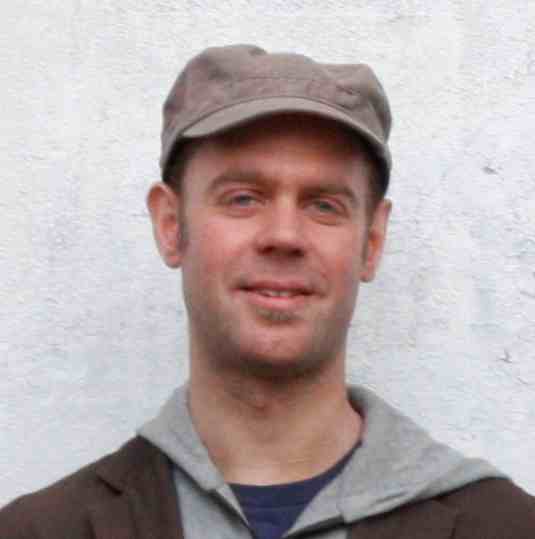
The Internet has also helped them connect with other musicians and collaborators, and most importantly, in the case of Rusconi, their audience. This group took time to research these new forms of promotion and communication, watching e-marketing videos by Seth Godin amongst others. They decided to adopt the ‘download and donate what you want’ approach to their recent album, Revolution, as opposed to giving it a price tag. Not only did it help the band connect to a broad-based audience beyond the jazz market, “people that are interested in different fields of culture…people who are active, who want to be a part of society, who are aware of others and a vibrant thing…” but also it helped them win the Echo Jazz Award for Best Live Act (up against Wayne Shorter, no less). That’s a big win that would not have been possible without having built a database of loyal fans.

“it can be serious stuff that you post on your Facebook page which people would enjoy”  Florian Arbenz

FlorianSI’m going to skirt around the subject of digital downloads and e-commerce here as it’s a big and complicated field. However, as a marketing tool, digital media is up there as a new force. In some ways Rusconi are lucky in that their explorations of the digital world and the videos and imagery that need to accompany that fit naturally with their own tastes and interests. Drummer Florian Arbenz of Vein was one of the artists who openly admitted that he hated social media, but realized he’d been looking at it in the wrong way. “We didn’t want to write stupid stuff like, ‘I’m waking up in Paris, yeah guys,’ so we rarely wrote anything. But if you think business-wise, you can connect with your audience.” He was going to look again at digital media from a new persepective, “The music is still the priority but we could build some concept around that, it could be art, a series of films – it can be serious stuff that you post on your Facebook page which people would enjoy – and reflects us.”
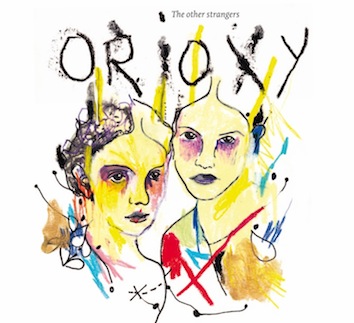
Digital media can also consolidate an artist’s musical expression, make them appear stronger and bigger, as well as provide more aspects to their personality when they use other art forms. Imagery and Swiss jazz is something I’ll write about next time but for now, it’s worth considering that whatever your opinion of social media, understand that you can interact with it in whatever way you want. And in doing so, connect to like-minded people. In terms of time, money and energy, digital media can suck you dry, but what musician wants to risk missing out on its benefits? It’s not just about crossing borders and continents to make sure people turn up at your gigs, it’s also about developing your ‘voice’ and at what volume it’s heard.

Swiss Vibes 2013: La chanson de la rentrée: Orioxy

Orioxy_coverIm Tamouti  signifie ” Si tu meurs ” en hébreu. J’essaie de m’imaginer ce que je ressentirais à l’annonce de la mort de l’un des membres de ma famille. J’ai l’impression qu’il me manque tellement de liens familiaux. La convention veut que l’on soit triste si quelqu’un de sa famille proche meurt. Mais perdre un parent n’est pas forcément la pire chose qui puisse arriver. L’attachement ne vient pas systématiquement des liens du sang. Dans nos chansons on cherche aussi à exprimer les non-dits, le politiquement incorrect. ” Yael Miller, chanteuse du groupe Orioxy de  Genève, à propos de la chanson “Im Tamoutli” qui figure sur la compilation Swissvibes 2013.  Cette chanson est écoutable ici:
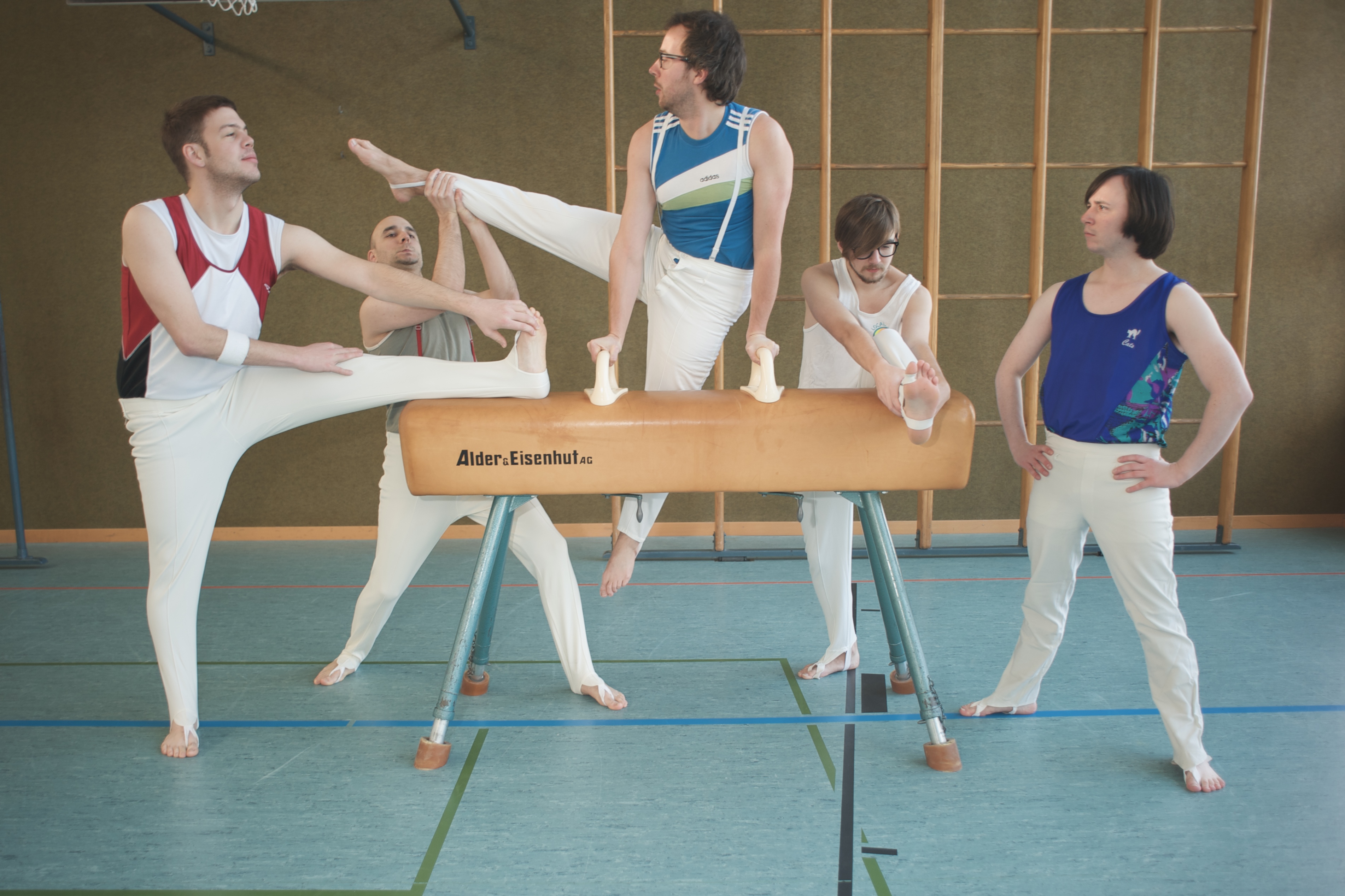
[soundcloud url=”http://api.soundcloud.com/tracks/88381413″ params=”” width=” 100%” height=”166″ iframe=”true” /]

La chanson Im Tamouti est également téléchargeable sur le bandcamp de Swiss Vibes.

Orioxy sera en concert à Paris, au Sunset le 19 septembre prochain à l’occasion de la sortie française de leur album “The Other Strangers” (Abeille Musique).

Jazz à califourchon

Pommelhorse 3« Pommelhorse signifie en anglais ” cheval d’arçon “. Le nom nous plaisait car cette discipline de gymnastique est précise comme notre musique. Et puis, cela nous donne un point de repère amusant pour toute notre communication », explique le clarinettiste Lukas Roos. PommelHORSE, ce sont donc cinq musiciens bernois, ex-étudiants de l’école de jazz, mais tous issus d’horizons différents. Électro pour les claviers, rock pour la basse, classique pour la clarinette, heavy metal pour le batteur et blues-jazz pour le sax. Ensemble, ces cinq-là pratiquent une drôle de fusion où chaque chanson évoque une histoire et chaque musique l’ambiance de cette histoire… Parti en tournée en Inde à la fin de l’année dernière, Lukas Roos est encore excité à l’évocation de ce concert devant un stade au Congosquare Jazzfestival. « Nous nous sommes rendu compte de la dimension pop de notre musique ! » Jouant acoustique, mais utilisant des effets de distorsion et de retard, Pommelhorse propose une musique en mutation sur des rythmiques étonnantes.
Pommelhorse en concert le 10 août 2013 au Festival Hors tribu de Môtiers (CH)

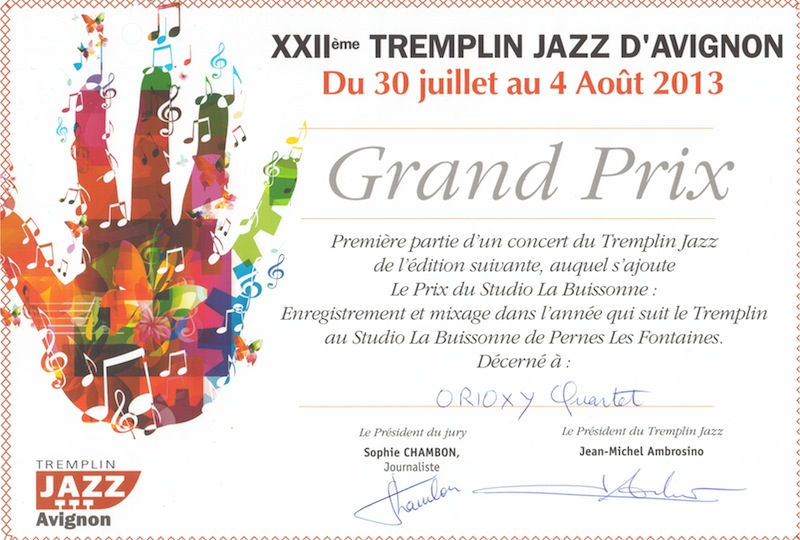
Orioxy, vainqueur du Tremplin Jazz d’Avignon!

Grand prix_AvignonIls sont venus, ils ont joué, ils ont vaincu: je vous présentais hier le groupe israëlo-genevois Orioxy à l’occasion de son passage au Tremplin Jazz d’Avignon. Je reçois aujourd’hui un mail pour me dire qu’ils ont séduit les quatorze professionnels du jury dont Pascal Bussy, directeur d’Harmonia Mundi et Franck Bergerot, rédacteur en chef de Jazz Man Mag. A la clef, un concert en première partie d’une tête d’affiche lors du Tremplin Jazz 2014. Pour info, ont été programmés cette année au Festival Bojan Z, Roberto Fonseca et quelques autres… Et surtout, un enregistrement et mixage au studio de la Buissonne, l’un des plus prestigieux studio de France. Bravo à Yaël Miller, Julie Campiche, Manu Hagmann, Roland Merlinc! On se réjouit d’ores et déjà du futur enregistrement.
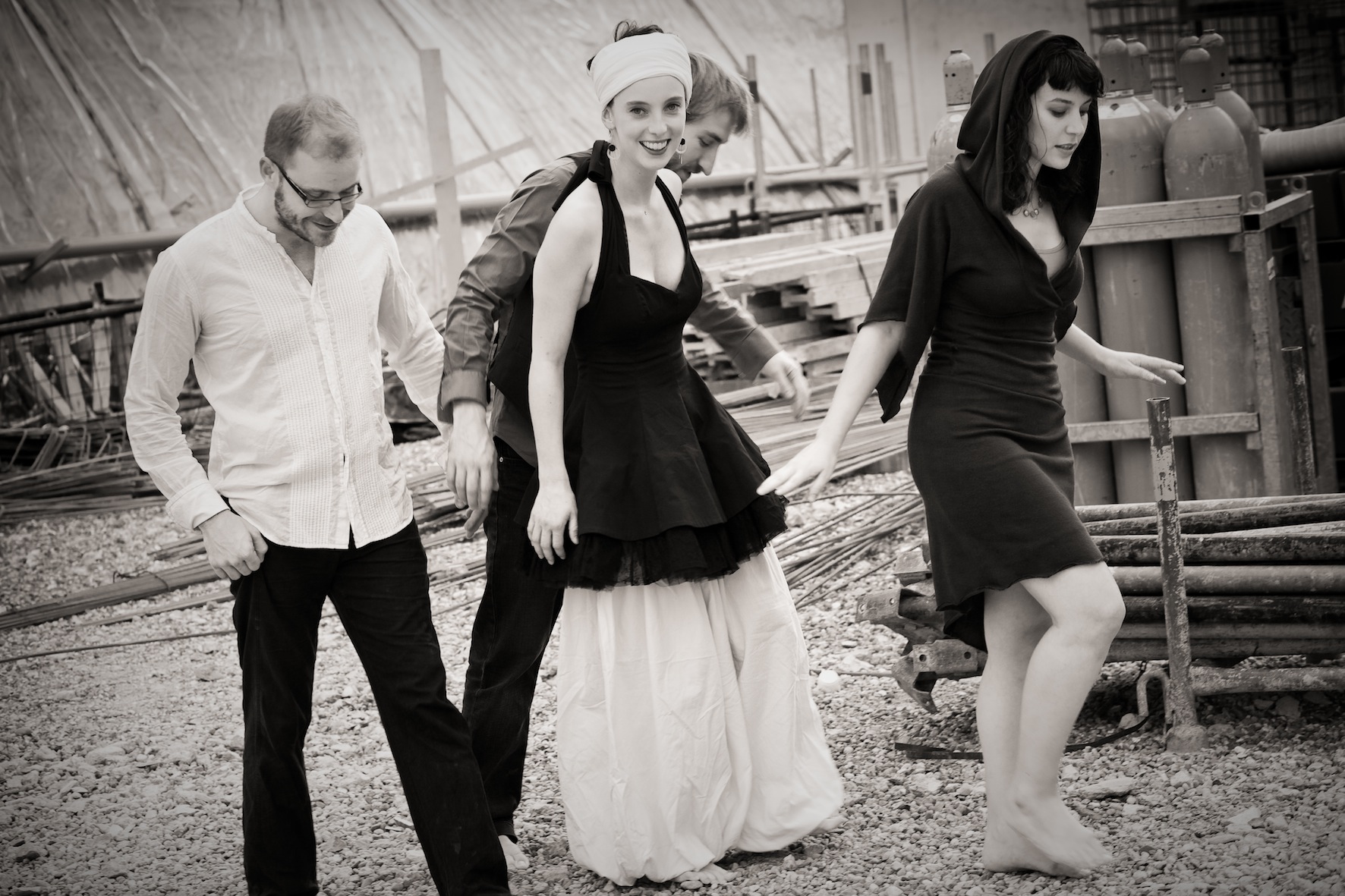
Suisses d’ailleurs: Orioxy

Orioxy 2_300dpiRares sont les Suisses qui n’ont que du sang suisse qui coule dans les veines. Entre les vagues d’immigration économique (italienne, espagnole et portugaise) et les vagues de réfugiés, la Suisse se métisse. Cela se sent aussi dans sa musique. Le CD Swiss Vibes 2013 propose quatre projets radicalement différents, emmenés par des artistes qui ont élu résidence en Suisse ou qui sont nés de parents immigrés. Le premier chapitre de cette série est consacré à Orioxy, quartette genevois atypique.
La première, Yael Miller, est Israélienne, chanteuse et pianiste, arrivée en Suisse pour des raisons de cœur. La seconde, Julie Campiche, est une harpiste genevoise aventureuse. Assistées d’un bassiste et d’un batteur, les deux musiciennes se sont lancées dans l’ambitieux défi de créer un « spectacle de folklore urbain imaginaire ». Leur nom, Orioxy, ne veut pas dire grand-chose, mais il a l’avantage de leur laisser toute liberté de construire et de déconstruire. Un peu comme une pâte à modeler qu’elles façonneraient pour mettre en forme leurs différentes visions du monde, leurs interrogations. Ainsi, « World Database Of Happiness » rit de ce classement mondial du bonheur découvert dans un article du Monde Diplomatique. « The Other Strangers » évoque tous les étrangers, réel, fictif ou intérieur, « We Are Done-May 21 » aborde les questions de haine et de peur à travers les prophéties de fin du monde. En hébreu ou en anglais, la voix de Yael Miller ose l’expérimentation vocale, ose l’ultra-intime, sent les esprits. « À partir du moment où je me suis installée en Suisse, j’ai découvert l’attachement à mon pays, et par conséquent la nostalgie », explique Yael Miller. Partant du jazz, réfutant toute idée de faire du jazz, ces deux amatrices de la confrontation explorent musicalement les rythmiques décalées et les sons différents. Orioxy est une entité en devenir, une musique intuitive, imaginaire, habitée, qui s’appuie sur scène sur une gestuelle non dénuée d’humour. Affaire à suivre.

Orioxy, The Other Strangers (Unit Records)

Concerts : Avignon (F), Tremplin Jazz, les 31 juillet et 1er août. Genève (CH), Aubes Musicales, Bains des Pâquis, le 9 août. Paris (F), Sunset, le 19 septembre. St-Genest Malfaux (F), Sommet Festival, 20 septembre. Lyon (F), Périscope, 21 septembre. Heilbronn (D), Cave 61, le 28 septembre


Bojan Z et Tobias Preisig s’envolent!

Bojan Z band feat Tobias Preisig @Festival de la Cité

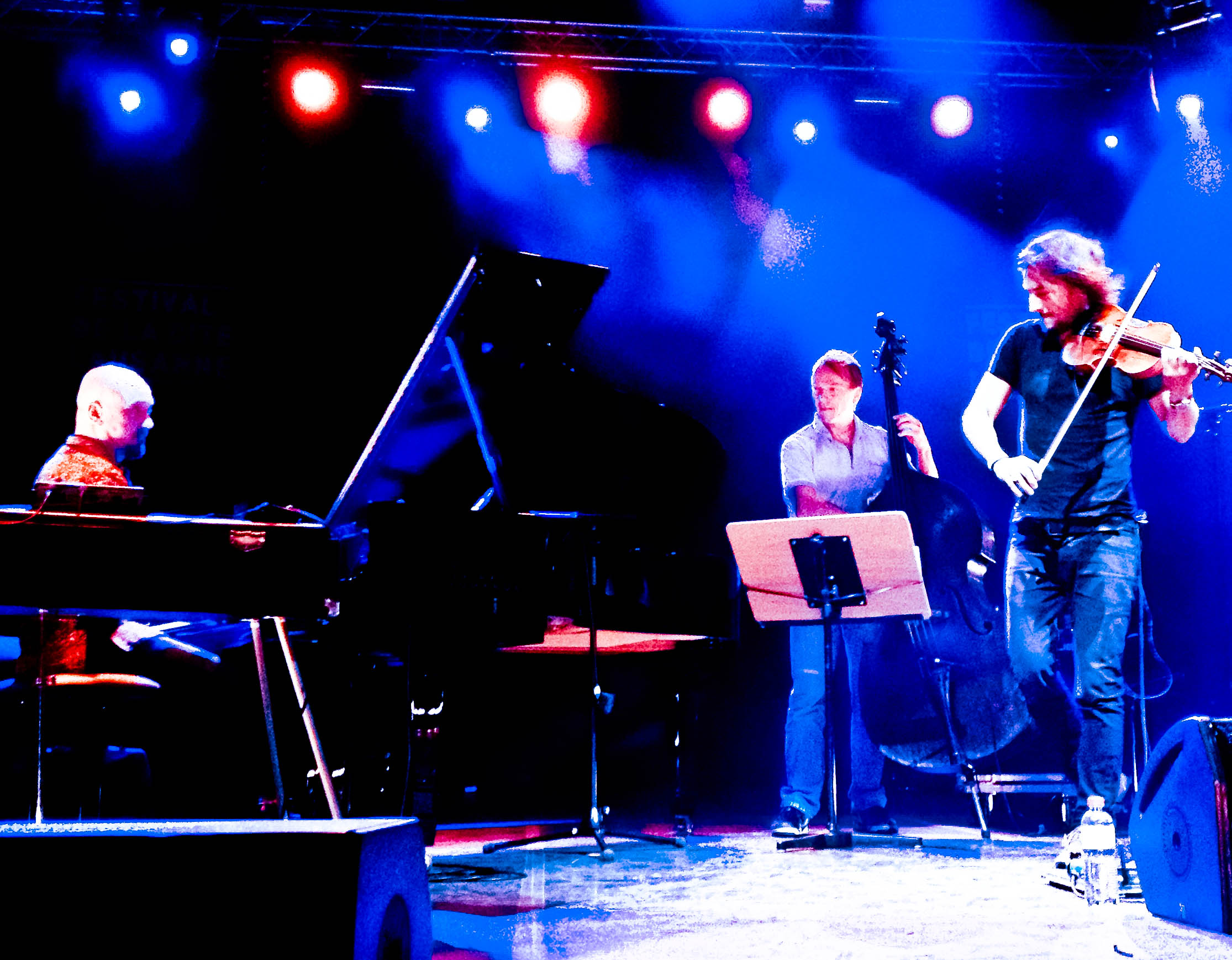
Hier, au Festival de la Cité, la tension était grande. Le pianiste serbe Bojan Z qui devait ouvrir la soirée n’a pas pu prendre l’avion prévu et a fini par atterrir à l’aéroport de Cointrin à 18 h. Une heure plus tard, il était propulsé sur la scène du Château pour un mini concert d’une trentaine de minutes où il posait les bases de son univers foisonnant construit à partir des musiques ethniques, du jazz, du rock.… Après cette mise en bouche, Bojan Z devait remonter sur scène à 22 h avec son trio et un invité spécial en la personne du violoniste suisse Tobias Preisig. Les deux ne s’étaient jamais rencontrés, avaient échangé par mail et devaient répéter dans l’après-midi… Gloups.

Lorsque Tobias Preisig entre en scène, la nuit est tombée et le vent s’est levé. La tension monte d’un cran. Bojan Z annonce « Greedy (In Goods, We Trust) » dédié aux banquiers et à la cupidité. Un morceau visionnaire qu’il a fait paraître en 2009. Les musiciens s’observent, prennent leur marque. Bojan a une main sur le piano à queue, l’autre sur son Fender Rhodes. Tout d’un coup ça démarre, le violon de Tobias Preisig s’embrase, les claviers de Bojan lui répondent. Les deux semblent s’être trouvés : ils attaquent leurs instruments avec une hargne jouissive. Une forme d’agressivité magique qui transforme le négatif en positif. La rencontre est puissante et leur permet ensuite de poursuivre le dialogue dans des modes plus doux.

Backstage: Bojan Z, Thomas Bramerie, Fabrice Moreau et Tobias Preisig

« Finalement, c’est bien que cette rencontre se soit faite directement en public. On a été obligé de converser tout de suite. J’ai déjà joué avec d’autres violonistes à Paris, mais là c’était plus fort » explique, le sourire aux lèvres Bojan Z un peu plus tard dans les backstage.

« Je n’avais jamais fait ça de ma vie. Mais comme ils sont très forts, je n’ai pas eu de peine à entrer dans leur musique, reprend Tobias Preisig, Leur travail au niveau des rythmes est vraiment incroyable. Bojan Z a un côté franchement rock que j’adore ». Il en sait quelque chose lui qui va se produire le 18 juillet au Montreux Jazz Festival dans le cadre du nouveau projet du king de la pop helvétique, Dieter Meier.

Made in Switzerland (the pros and cons of being a Swiss jazz artist)

Swiss Vibes 2013_01_Mix 4“You can tap into resources and support and it’s there”  Leo Tardin
The Swiss jazz scene is evolving and has been for some time. Music education at institutions such as the Bern University of the Arts, professional support for artists and an expansion of the term jazz, have helped the emergence of new and award-winning talent. I asked musicians who’ve had help from Pro Helvetia, how being Swiss has impacted their music and careers and if any changes could be made for the better.

They unanimously acknowledged the funding system that exists. Drummer Florian Arbenz said financial help was a huge advantage, “Because of the spare time we have for our heads to create something…(and) work on our own concepts.” Leo Tardin, who spent a significant time building his reputation whilst living in New York, said that being abroad gave him perspective on being Swiss, “You can tap into resources and support and it’s there. It’s shrinking just like everywhere else but we’re still very privileged and that’s a fact.”

It will always be diverse, musically”  Stefan Rusconi

Several artists did refer to the Nordic scene as an example to follow, with its huge investment in jazz and organic creation of an almost tangible ‘brand’, encompassing artists from Jan Garbarek to E.S.T. However, the journalist Arnaud Robert said recently, “Switzerland creates individuals, not schools or movements of music,” and musician Stefan Rusconi agrees, “It will always be diverse, musically, I don’t think it will be like the Nordic sound, I think it will be an approach, an attitude that could come out of Switzerland.”

I would agree; as a DJ visiting Switzerland, I was drawn to the open-minded spirit of people less concerned with being cool, than being free (whilst getting things done, of course!). Humour and a spattering of crankiness are somewhere in the mix and as the Zurich-born violinist, Tobias Preisig, says, “I’m pretty amazed how small this country is but how rich it is music and cultural-wise.” Maybe this is entangled with the make up of Switzerland as noted in Wikipedia, it’s not, ‘a nation in the sense of a common ethnic or linguistic identity’ and over one fifth of the population are immigrants.

“Switzerland, for me, is a big chance”  Elina Duni

Vocalist Elina Duni says of her quartet, “This music wouldn’t exist without Switzerland because it is the fruit of bringing together my Albanian roots and my Swiss culture.” Having moved to Geneva when she was ten, Duni sees her music as building bridges between people and acknowledges the support she’s had with that, “Switzerland, for me, is a big chance.”

Andreas Schaerer also feels that being Swiss has informed his compositions and vocal work in an interesting way. He refers to the Swiss obsession with detail, “We work so long to make things better and better until every last corner of the product is perfect…What is good is if you can be brave and destroy it…so that you see these pieces of complexity (and detail) but the environment is complete chaos.”

Schaerer also observed that the Swiss are good at technology and high quality products that take the spotlight, as it allows ‘their creator’ to stay in the shadows. Elina Duni also commented on this Swiss characteristic of humility, “It allows people to learn further and go further,” but too much of it prevents the Swiss from exporting itself with pride. Rusconi pointed to the same issue, that it’s not ‘Swiss’, “to stand there and say we’re proud of ourselves, we want to get out there, we’re great.” Self-promotion is a pre-requisite in the music world today and Schaerer has had to confront his discomfort with that, “You need to get rid of it without becoming arrogant or losing respect for others.”

“It’s hard to cross borders in music and life”  Tobias Preisig

Several of the artists have lived or are living abroad. Samuel Blaser now resides in Berlin but spent time in New York. Although none of them felt that ‘being Swiss’ made them particularly exotic, Blaser felt, “It’s stronger if you live in New York because you can then ‘export’ your music back into the EU market (from the US).” Being an ‘export’ is vital to these musicians because as they pointed out Switzerland is not a big enough market for them to survive there alone. “It’s hard to cross borders in music and life,” reflected Preisig, and it’s why support to tour is key. Pianist Marc Perrenoud saw this as a positive, “I use the obligation to export yourself as a way to travel, meet people and experience other cultures.”

Being a Swiss musician is packed with advantages, not least because being brought up in a culture of excellence, passion and professionalism has impacted the standard of playing. Being a jazz musician anywhere is not an easy choice but that can’t be changed, neither can the size of Switzerland. However the discomfort with ‘blowing your own trumpet’ can be discarded along with the Swiss milkmaid. These musicians are cultivating a confidence in their own unique ‘voices’ and this needs to be reflected in the way they are promoted. I’m certain cheese and chocolate will always sell but now there’s a chance to add a new and more emotionally expressive export to the table.

Take 5: Switzerland

Take 5_Swiss team

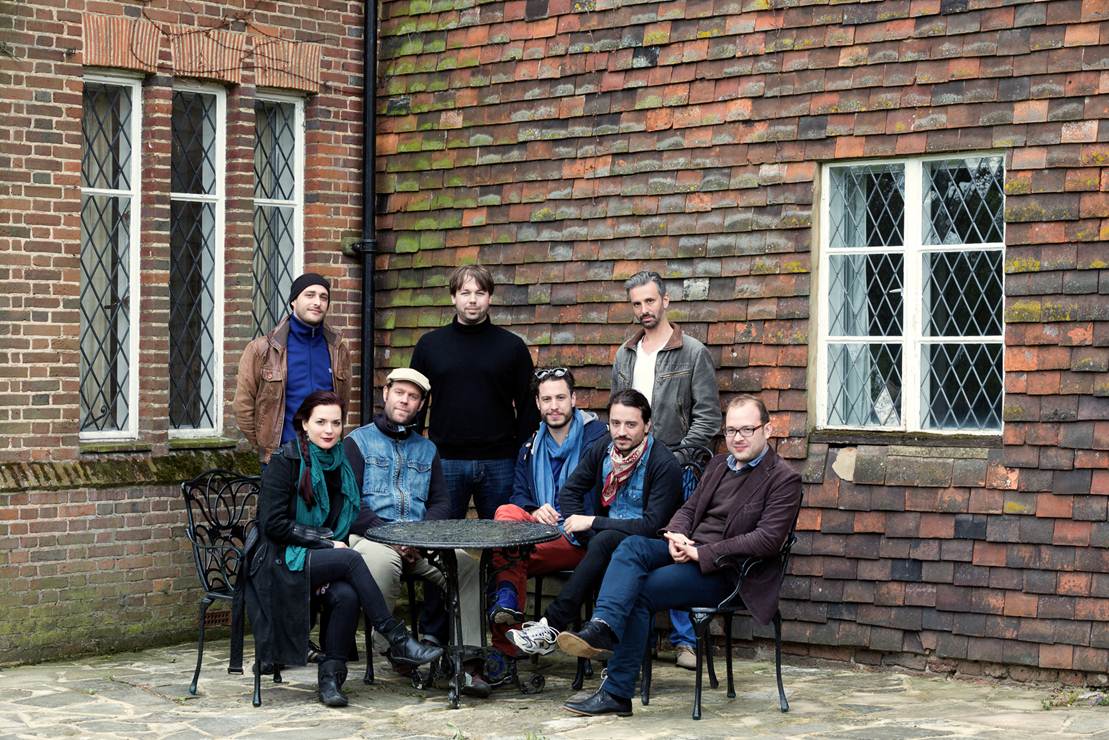
(Left to Right) Andreas Schaerer, Elina Duni, Florian Arbenz, Marc PerrenoudStefan Rusconi, Tobias Preisig. Leo Tardin, Samuel Blaser. ©Emile Holba

The heated kitchen for innovative artists

Take Five is a “heated kitchen” for innovative, young jazz artists, with five concentrated days of coaching, learning, sharing and networking (along with some fun and seriously good food). Created by the UK’s foremost jazz producer, Serious, and funded by Pro Helvetia, Take Five:Switzerland was designed to isolate eight Swiss musicians in the lush setting of Bore Place in Kent – think bluebell woods, gardens bursting with wisteria and mock orange, slouchy sofas and log fires – and lead them through sessions with a performance coach (Mary McCusker), music promoters from across Europe, as well as, digital, legal and industry experts including Wulf Muller of Sony.

“It’s been a rich experience,” said Tobias Preisig, as a comment on the variety of “inside information” they could garner, even when that meant facing tedious home truths. Musicians, such as Florian Arbenz, were aware they could improve their social networking and online presence, and some learnt the value of visual presentation, possibly helped by the photo shoot with experienced portraitist, Emile Holba. Scott Cohen of The Orchard gave a blistering session on aggressive digital distribution and ways to make money from music in an era of sporadic CD sales, with pianist Leo Tardin commenting, “He was the one to shake our ground the most, not someone to pat us on the head, but kick us in the butt, and he did that very well.”

“We need some space for our dreams” Andreas Schaerrer

Sometimes the message from promoters was dour, “We’re learning about the business, but there is no business”, said Marc Perrenoud noting that, “You have to build your audience because, apparently, no audience is interested in jazz.” However, as the vocalist Andreas Schaerer explained, “We need some space for our dreams,” and without exception they were resilient to negative messages. They have to be.

Jazz will need to go on beyond the passing of the classic “greats” and continue sculpting its own relevant identity whilst earning a living. Schaerer felt supported by some promoters learning that, “It’s not only our job to build up our career but it’s also that everybody is interested in having a future generation of active people.”

“We are a community, we are coming from the same place” Stefan Rusconi

What became achingly clear was the wall of work that faces these artists on a daily basis and that as they’d been given this break away from emails, calls, rehearsals, travelling, organising, etc, they were keen to squeeze every drop of tangible use out of the time with little patience for anything deemed irrelevant. Although Take Five is an extremely organised and detailed affair, thanks in part to the sterling work of Martel Ollerenshaw, it also tried to be flexible. So when the Swiss crew stood up to say they wanted time to simply hang out to share concepts, contacts and knowledge with each other, they were given it.

Something I was most struck by was the honesty with which the artists spoke to me about issues they were facing. Somehow the bombardment of information along with the intimate environment and maybe the odd glass of wine had enabled them to face up to their personal challenges: do they follow their business head or artistic heart, how can they deal with the amount they should be doing whilst having focused rehearsal/practise days, or time for their family, what step should they take next?

A Tribe Called Swiss

On the last day there was an extraordinary jam session led by one of the UK’s most exquisite saxophonists, John Surman. And there was an impromptu game of “football-piggy-in-the-middle”. It was actually in the kick about that I most clearly saw a key triumph of Take Five: the founding of a connected, bonded and inspired group. Let’s call it, A Tribe Called Swiss. Without exception each artist echoed Stefan Rusconi’s sentiment, “I knew all of them at least by name, but it’s been great to meet the other musicians. Also, to see we are a community, we are coming from the same place.”

Take Five can shake things up and it will take a while for the musicians to digest it all. I agreed with Rusconi when he said, “We need to be proud of what we’re doing. Swiss music is the new thing – chaotic, strange but rooted too.” Now all they need to do is buck the Swiss trend and force the spotlight onto themselves. As John Surman noted after their music session together, “I won’t forget you guys in a hurry,”  and if they utilise their newly found esprit de corps, they stand a chance of the music world saying the same thing.

Take 5 Switzerland website