Disque du printemps: Plaistow “Citadelle”


Plaistow_Citadelle_cover_low

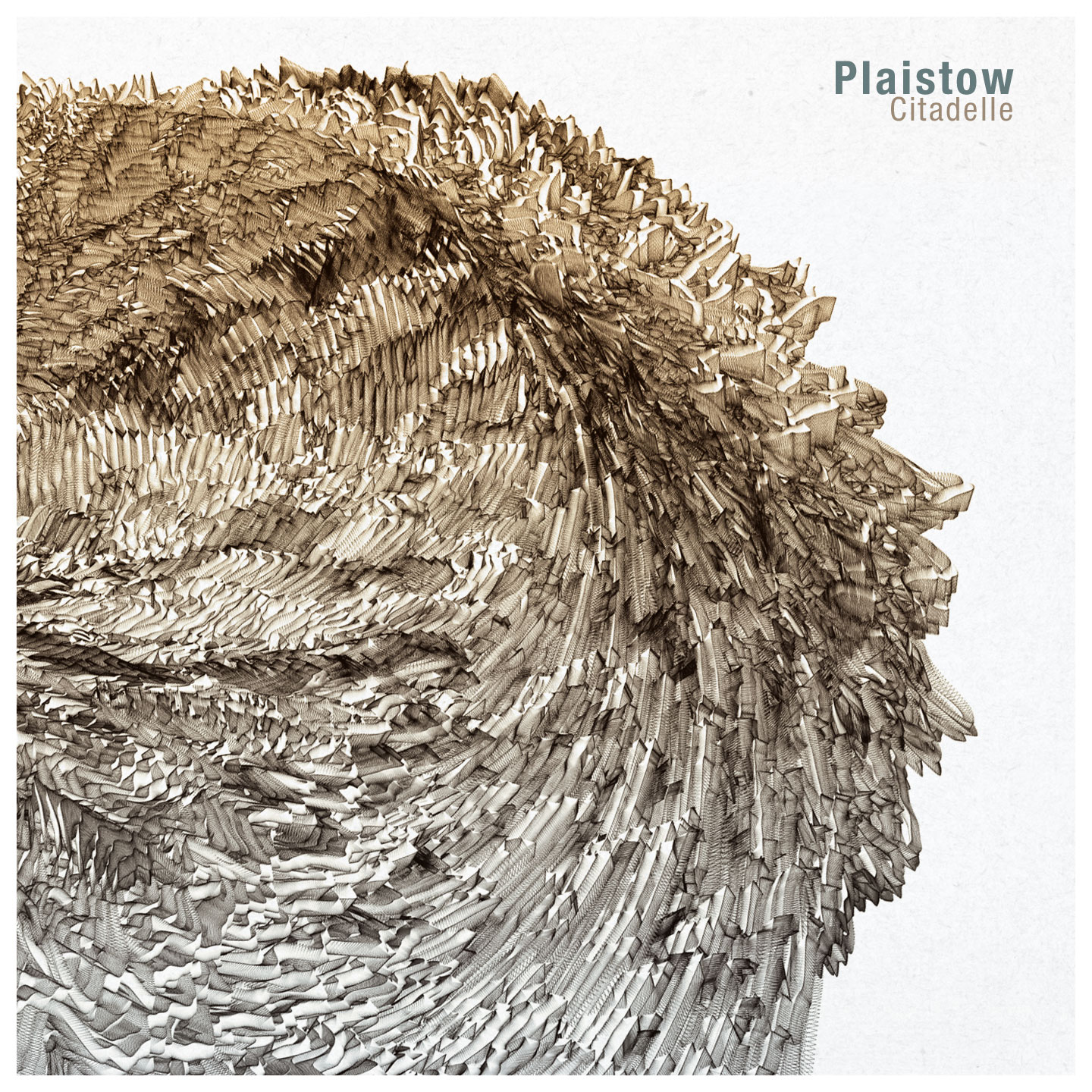
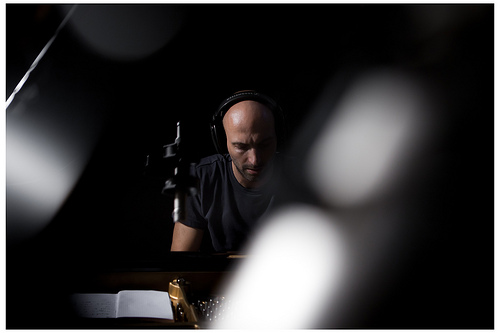
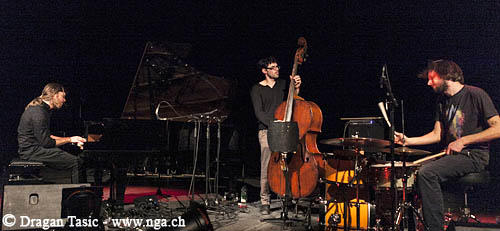
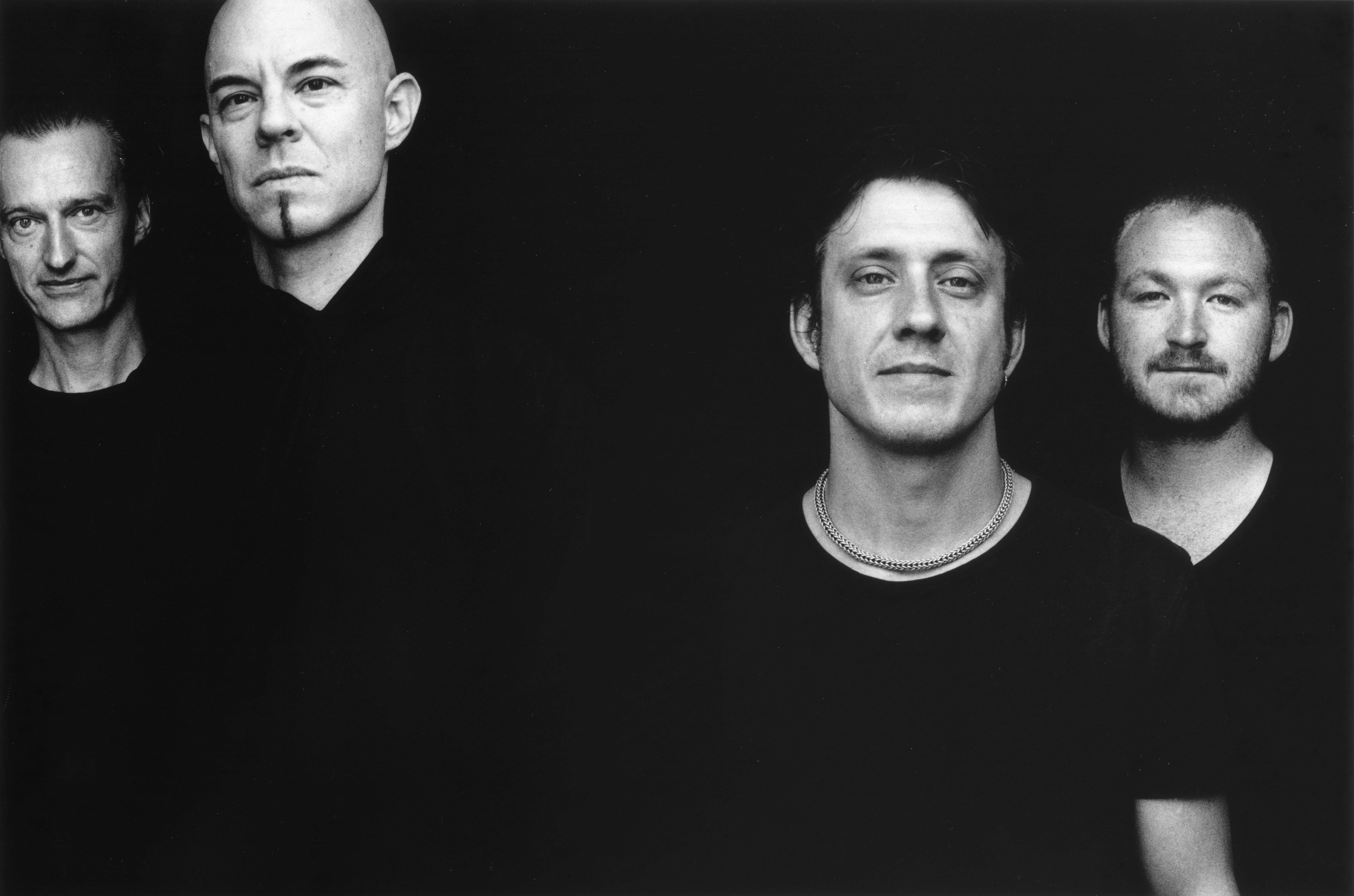
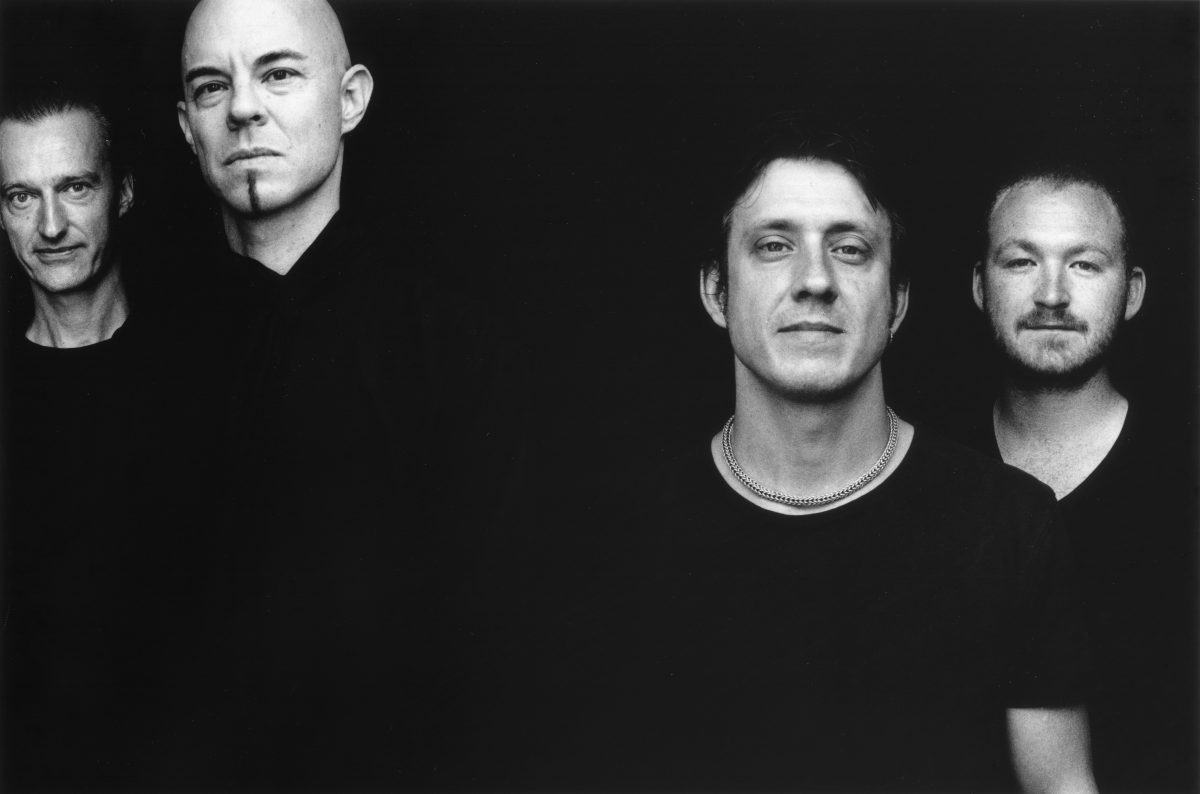
Depuis sa création en 2007, Plaistow ne cesse de réinventer le trio jazz. Johann Bourquenez, Cyril Bondi et Vincent Ruiz (le dernier arrivé), aiment l’exercice de l’enregistrement. C’est l’occasion comme l’affirme le leader et pinaiste Johann Bourquenez, de « redéfinir les directions, de faire le point ». Après “Lacrimosa” et ses deux longues plages de 20 minutes, voici donc “Citadelle”, qui paraît pour la première fois sur un vrai label (Two Gentlemen) : huit morceaux dont un seul ose cette fois durer 20 minutes. On connaît certains des ingrédients-clefs de Plaistow : un amour inconditionnel de la répétition et de la musique minimale allié à un goût prononcé pour certains rythmes issus du monde la techno (drum’n’bass, dubstep). On découvre ici une exploration des modes arabes, une démarche toujours plus construite et même un morceau de hip hop expérimental avec le rapper de Psykick Lyrikah. Traversée d’oscillations, travaillant sur les couleurs harmoniques, la musique de “Citadelle”est à la fois primale, sensuelle et incroyablement subtile. Evoquant la nature ou les constellations planétaires, elle vous prend pour vous redéposer quelque cinquante minutes plus tard, empli d’une nouvelle sensation d’urgence. Et comme cette musique est fondamentalement libre, elle laisse la place à chacun de s’y projeter avec ses idées et ses sensations. Ce que prouve en beauté cette vidéo de Janice Siegrist.

Plaistow, “Citadelle” (Two gentlemen/Dist Irascible)

Concerts de Plaistow:

26 april – BERN (CH) – Ono
28 april – ZURICH (CH) – Exil
2 may – GENEVE (CH) – La gravière

[vimeo http://vimeo.com/63859823]


Erik Truffaz Quartet with Anna Aaron @Cully Jazz Festival

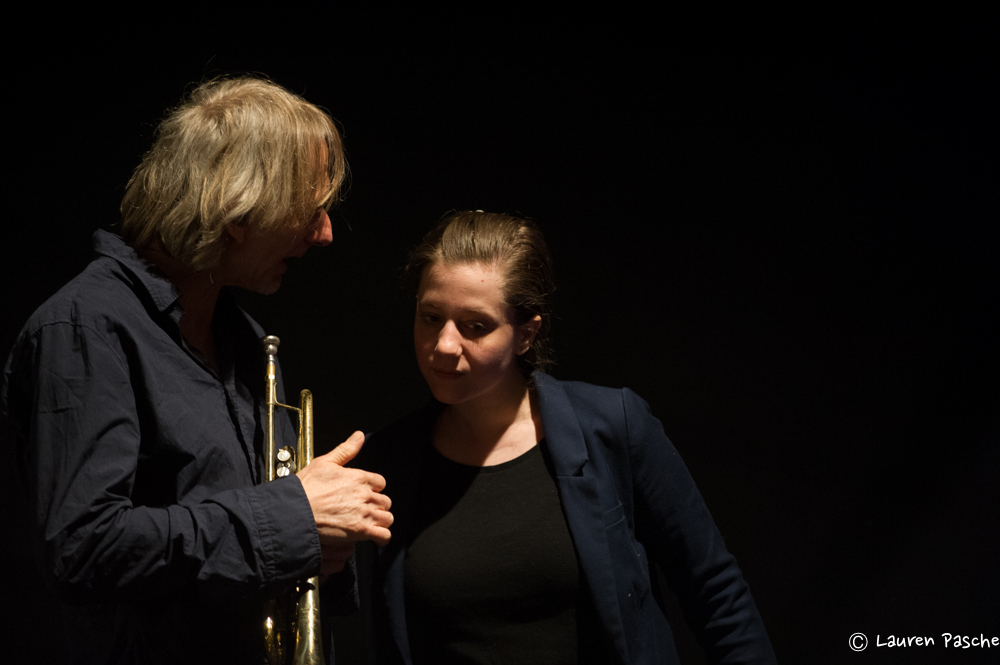
Erik Truffaz et Anna Aaron au Cully Jazz  ©Laurent Pasche
Erik Truffaz et Anna Aaron au Cully Jazz ©Laurent Pasche

Trumpeter Erik Truffaz has been a beacon of light in the Swiss and international jazz world since the early nineties and last autumn saw his 10th album release on Blue Note records. ‘El Tiempo de la Revolition’ links up nicely with tonight’s ‘Revolution Groove’ theme at Cully Jazz where the band finally return to play at this important festival after a gap of over 15 years – possibly a sign of how busy they’ve been in the interim.

It’s a delightfully mixed audience at the Chapiteau tonight, surley a testament of Truffaz’s dexterous ability to bridge the jazz gap from the traditional lyrical beauty of a Chet Baker to the nu-jazz experimentalist vibes reminiscent of Miles Davis. Hence, whether young or old, Truffaz’s elegant, atmospheric and resourceful style holds something magical for everyone.

Oiling the wheels of the machine are his heavyweight band members, each one bringing personality and colour to the cinematic flavour of the evening.

The wildly energetic and well-equipped Benoit Corboz on keyboards produced a wide variety of sounds ranging from piano, rhodes, church organ to wailing guitars and waterfalls. Along with Marc Erbetta on drums and voice box, they were the driving force behind the busy textures and soundscapes that contrasted from time to time with the more languid, introspective pieces. Marcello Giuliani on bass provided a rhythmically hip underpinning that helped to bring all elements and styles cohesively together. And as for Truffaz and his trumpet, whether bellicose or serene, his delivery was haunting, penetrating and deceptively understated throughout. Like liquid wax, he cleverly moved into places you would not expect and seductively melted you away.

Together, this quartet deliver a quietly confident, deeply poetic and engaging sound. They are not in any hurry, spaces in the music are allowed to breathe, less is quite often more, thereby allowing the atmosphere to build in a hypnotically meditative way, (typically evident in the track “African mist”).

The young and promising Swiss singer, Anna Aaron joined them on stage for two numbers, “Blue Movie” and “Blow Away”. Her soothing, agile, slightly pop-ish voice added a lighter touch, reminding us that Truffaz has often collaborated with unexpected genres of music to great effect.

“Mr K”, homage to their diligent manager, brought out their funkier side and whipped the audience into a joyful, energetic frenzy. It was hard for the band to leave the stage at the end of the gig, the audience had clearly not had enough of their favourite jazz export and wanted to bask a while longer in their irresistible ambiant beauty.


Elina Duni, trait d’union rêvé entre l’Albanie et la Suisse

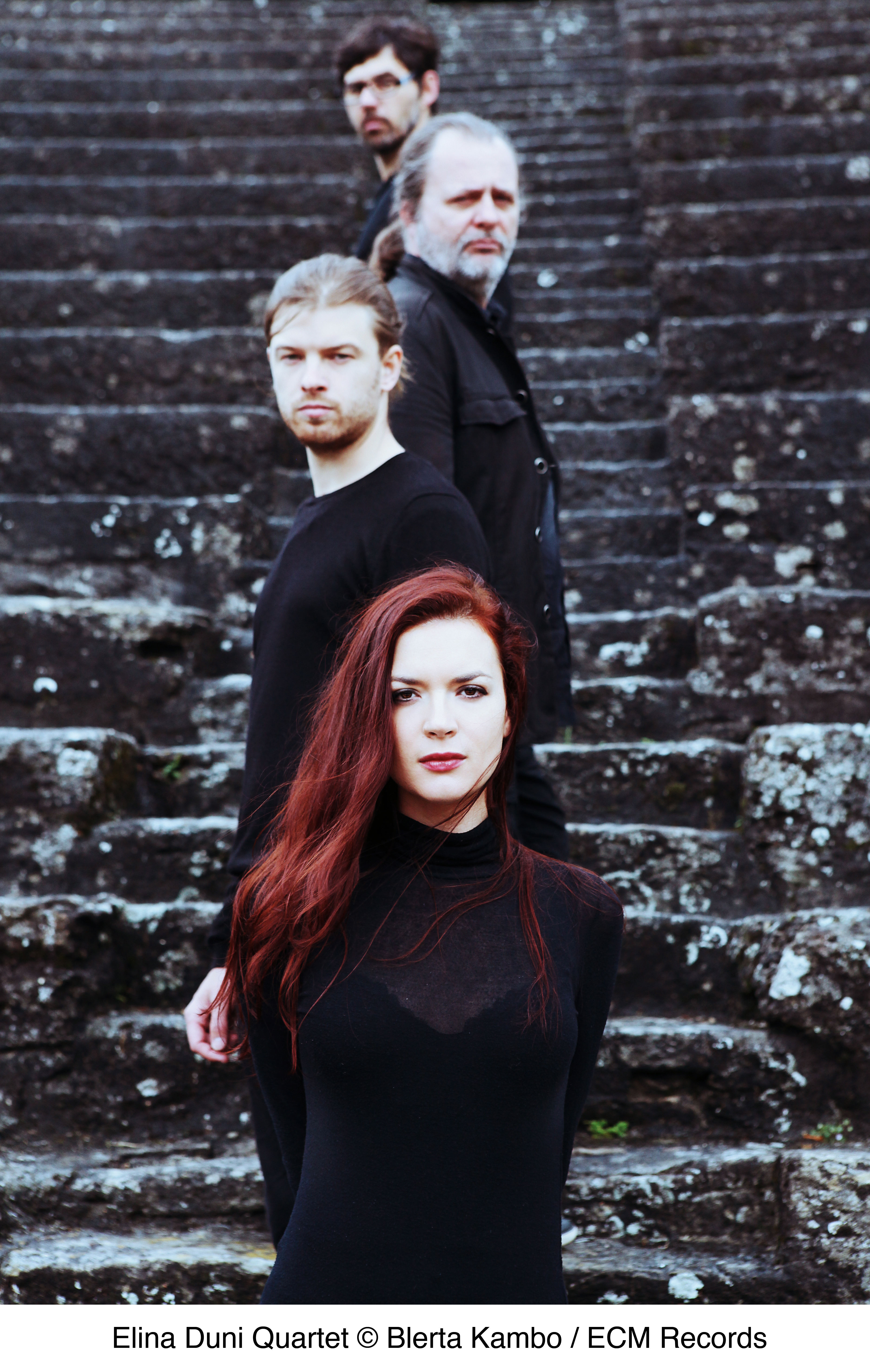
2277_Duni_PF2Pour la soirée d’ouverture du Cully Jazz Festival, on ne pouvait rêver mieux que de voir Elina Duni et son formidable quartet. En ce vendredi  5 avril,  Elina est vêtue d’une longue robe en voile rouge. Elle semble impressionnée par la nombreux public qui s’étale à perte de vue à ses pieds. Normal, son répertoire, son approche est plutôt intimiste : Elina Duni revisite à sa manière une sélection de chansons albanaises qui lui sont chères. C’est parfois dans une nouvelle terre qu’une culture parvient le mieux à s’enraciner et à grandir. Elina Duni est Albanaise. Elle vit en Suisse depuis l’âge de 10 ans. Sur scène, l’on sent que les chansons qu’elle interprète l’habitent, ainsi ce chant de résistance chanté régulièrement par son grand-père anti-fasciste, ainsi ce poème de Ismaël Kadaré, ou ce chant de mariage qui finit sur des cadences endiablées. Mais Elina Duni n’est pas « simplement » nostalgique ; elle parvient à créer un nouvelle idiome à partir de ce matériau musical. Son magnifique dernier opus « Matanaé Malit » (ECM, 2012) en faisait déjà la démonstration. Ce parti pris est encore plus manifeste sur scène, où elle se produit entouré de ces trois complices suisses d’exception : Colin Vallon (au piano), Patrice Moret (à la contrebasse) et Norbert Pfammatter (à la batterie). Ensemble, ces quatre-là construisent une musique nouvelle : Colin Vallon fait parfois glisser un balle sur les cordes à l’intérieur de son piano pour obtenir le son précis dont il a besoin. Patrice Moret penché sur ces cordes travaille son isntrument au corps. Et Norbert Pfammatter manie ses baguettes avec autant de subtilité que d’efficacité, se glissant dans les interstices pour contstruire et reconstruire les rythmes dans des combinaisaons qui semblent infinies. Il ne s’agit pas pourtant ici d’improvisation : les mélodies sont bien là, la voix est précise, juste, magnifique.  Il ne s’agit pas non plus de jazz vocal avec un d’illustres accompagnateurs. Il s’agit de quelque chose de neuf, dont l’ouverture d’esprit laisse présager de beaux développements futurs.

Si vous n’avez pas pu voir le concert, sachez qu’il sera rediffusé sur la RTS1 jeudi 11 avril à 22 h 45 (émission “La Puce à l’Oreille”)

A découvrir également ci-dessous la dernière vidéo de Elina Duni:

[youtube=http://www.youtube.com/watch?feature=player_embedded&v=mLSa2LpVKZE#!]

Disque du mois: Lucien Dubuis, le New-Yorkais

Lucien Dubuis Trio coverLucien Dubuis pourrait être né dans le Lower East Side et avoir grandi au Stone de John Zorn où on l’aurait biberonné au son des Beastie Boys. Au lieu de quoi, il a vu le jour à Porrentruy en 1974 et son trio est basé à Bienne. Musicalement, disons que le saxophoniste est New-Yorkais d’adoption. Après y avoir enregistré son précédent album en compagnie de Marc Ribot (Ultime Cosmos, Enja Records, 2009), une résidence new-yorkaise de six mois, en 2011, a accouché du cinquième album de son trio que complètent Roman Nowka (basse et guitare électrique) et Lionel Friedli (batterie). En choisissant un titre, Future Rock, qui sonne comme une déclaration d’intention, Lucien Dubuis continue de creuser le sillon d’un jazz contemporain sur une assise binaire. Si le fond est ambitieux, la forme sait aussi être sexy voire ludique : clins d’oeil exotiques (« Lançang »), surf music (« 4 Wände »), solo de guitare digne de Michael Hampton (« Yiwu Shan »), rap nerveux (« En descendant de la montagne » qui évoque la collaboration Saul Williams-Trent Reznor). Brillant à la clarinette basse, Lucien Dubuis signe un album qui fourmille d’idées. New York n’a qu’à bien se tenir.

Lucien Dubuis Trio, Future Rock (Unit Records)

Samuel Blaser on records

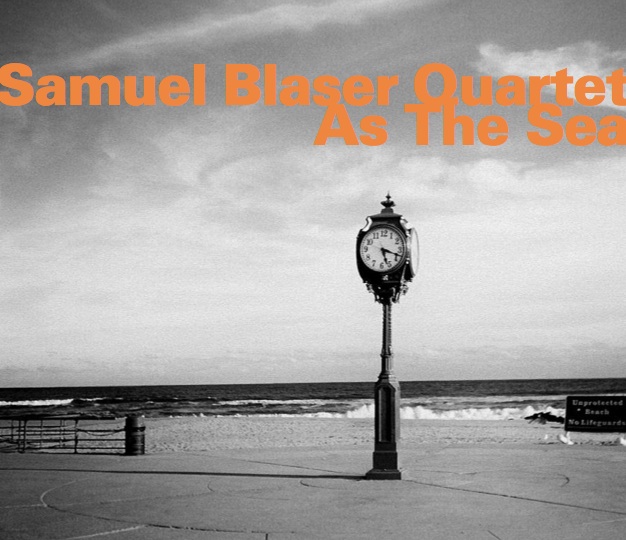
Samuel Blaser "As The Sea"Samuel Blaser released his new CD, “As The Sea”, on HatHut records ont the 26th of February. You can listen to “As The Sea Part One” and download the full album on his bandcamp page.

Samuel Blaser with Paul Motian

Two years ago at Cully Jazz Festival, he was the opening act for Wayne Shorter. He played his cards magnificently well. With an original concert-concept, he gave a jazz interpretation to Baroque and Renaissance music. It was a première before the launch of his CD in New York. Since he had a plane to catch for New York at the crack of dawn, it’s via mail that he explained to us the why’s and wherefore’s of his project « Consort in Motion » with Paul Motian.

 “I’ve always been influenced by baroque music. My professor at the Conservatory at La Chaux-de-Fonds, Pierre Henry, was an excellent teacher, but at that time I used to only listen with one ear because the only thing I could think about was playing jazz. Today I play jazz and I find myself immersed in classical music. For this record, I reworked a lot of Claudio Monteverdi’s material because he is an innovative person, the inventor of opera. It seemed important to me to set off from someone like him in order to build something new. I’ve also reworked some compositions by Marini and Frescobaldi.

 Each track was approached differently. Sometimes, as with the track that’s on the Swiss Vibes compilation, (« Lamento della Ninfa »), I kept the melody intact. In the original version, the melody is played by a soprano and 3 tenors, whereas in this case it’s played by piano. In other instances, I only took the beginning and end of a composition and played around with it. Each time I try to extract the original material and to simplify it.

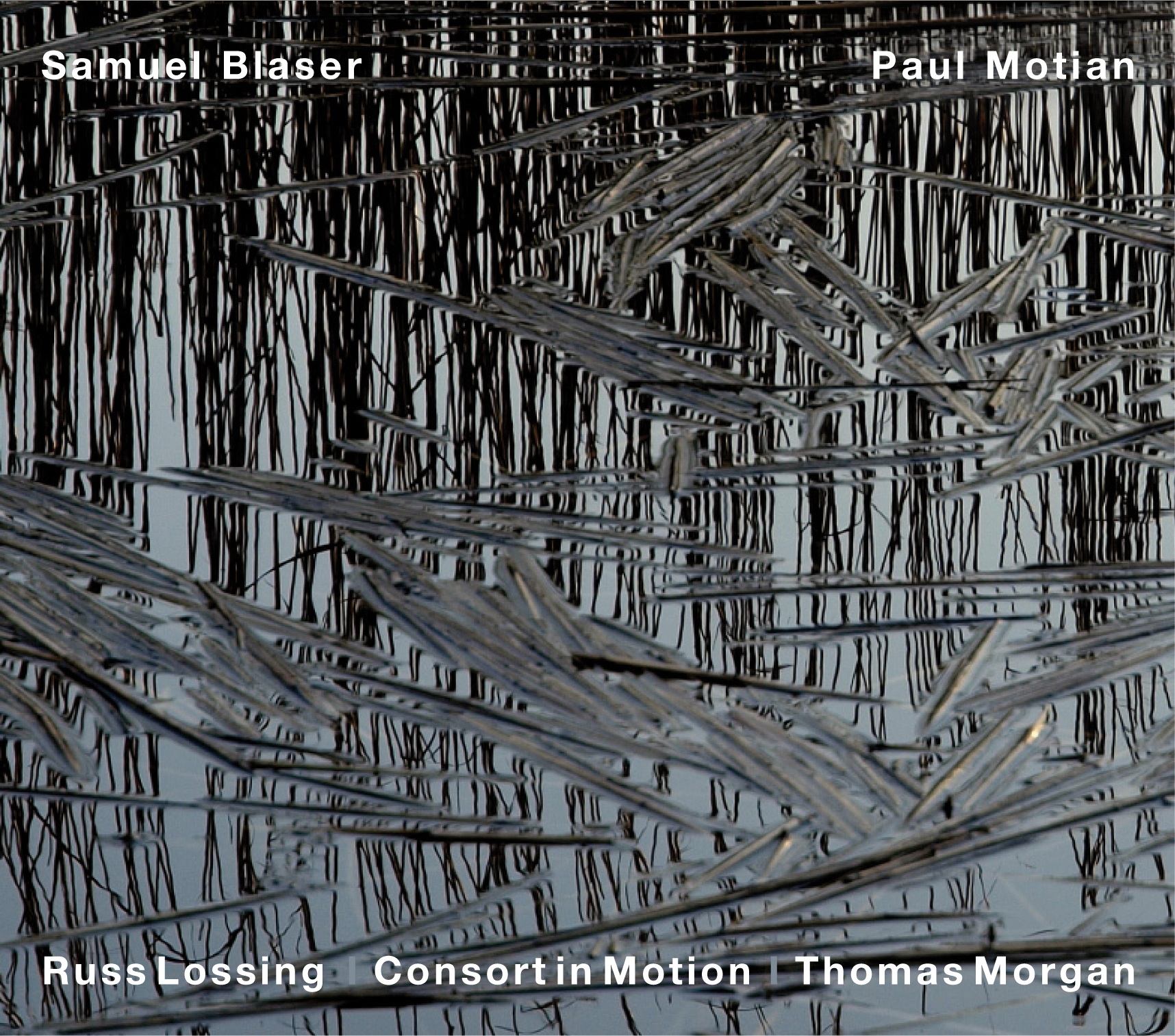
Samuel Blaser_cover The record « Consort in Motion» was recorded in 5 hours in New York with Paul Motian. I wanted to work with him because he’s played with everyone and because his very particular cymbal sound suited the project. The other musicians are a mix of people I knew well and some who had previously played with Motian.

It was important to record the CD in these conditions. For the Cully concert, I played with a different bassist and drummer (Gérald Cleaver). We rehearsed for an hour the day before, that was enough for us because my music is largely improvised and we’re used to playing together. I was really proud to get up on stage at Cully Jazz with this music, improvised music of the day!”

 Samuel Blaser

PS. This article was first published on swissvibes.org in french in April 2011. Translation Beatrice Venturini.

Plaistow, video and interview…

Cyril Bondi
Cyril Bondi

Three questions to Cyril Bondi, drummer of Plaistow, a  band formed in 2007, currently kicking up a storm everywhere they play. Plaistow’s next album, “Citadelle”, will be released on Two Gentlemen Records in April.

[vimeo http://vimeo.com/52917016]

Interview first published in french in May 2011. Translation: Beatrice Venturini. Photographer: Raphaelle Mueller

What does Plaistow mean?

Cyril Bondi : Plaistow means two things. Firstly, it’s a disused metro stop in London. Many of our compositions refer to the metro because we love everything that is underground. It’s another way of saying that we can always dig. Plaistow is also a track by Squarepusher. We later found out that it’s also a playground, which fits in nicely with the spirit of the band.

Why have you chosen such a classic format as the jazz trio?

Vincent Ruiz
Vincent Ruiz

Cyril Bondi: We have fun with it. We act as if we were a jazz trio but in fact we transcend this format by bringing to it a dub, punk or electro side. There has always been this desire to gather up extremes, to bring together all our basic different influences. Johann Bourquenez, the pianist, comes from electronic music. Raphaël Ortis, our former bassist, from metal. Vincent Ruiz, our new bas player, comes from jazz. As for me, they say I come from jazz, but I think I come more from improvised music. All three of us have strong personalities and the formula ‘piano-bass-drums’ is the most comfortable for us, it allows us the most freedom to play. We never play any of our tracks the same way twice.

You’re often labelled with the term ‘post-jazz’, does it suit you?

Cyril Bondi: This ‘post-jazz’ idea actually came from us; it’s handy because it doesn’t really mean anything and it allows us to go far and wide with it. In the same track there are moments where we try to just improvise together, others where we try to play the same thing over a long stretch, and others again where we slow things down to the max. And then we might decide to throw ourselves into pure noise…..


Johann Bourquenez
Johann Bourquenez

Cowboys From Hell mit neuem Album

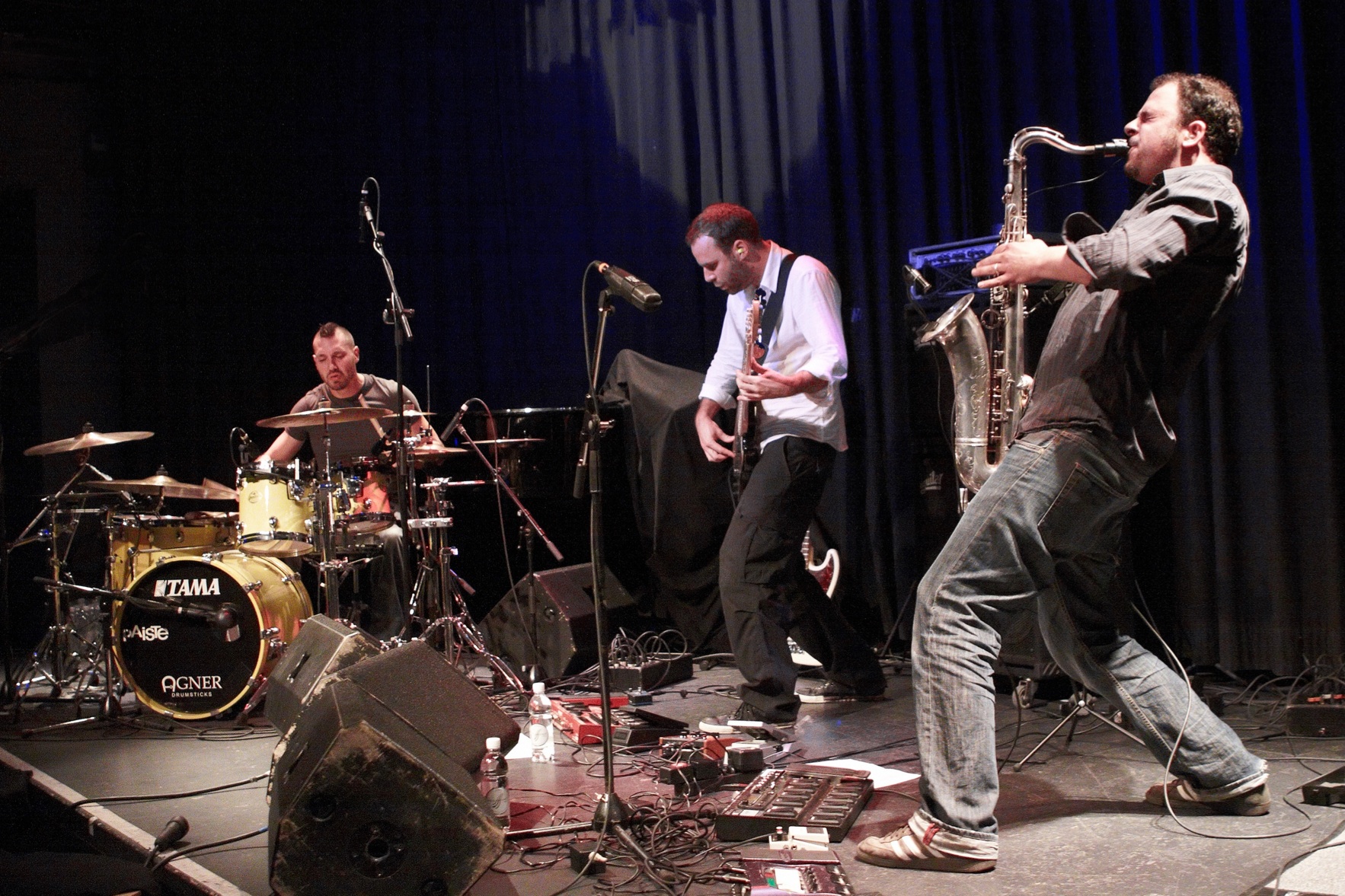
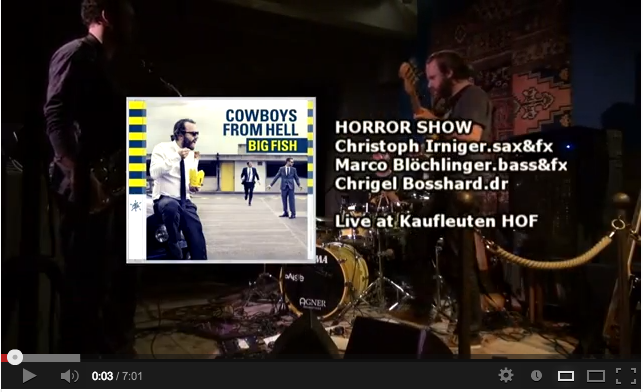
cfh_live_farbigWild, furios und rotzig, das sind die Cowboys From Hell. Das selbsternannte „Jazz-Core“ Trio hat vor kurzem sein zweites Album „Big Fish“ veröffentlicht und knüpft damit in bekannter Manier an seinen Erstling an. Nach erfolgreicher Album-Release Tour geht’s im Februar wieder nach Deutschland und im April nach Russland. Ein Erfolg der hart erkämpft werden musste, denn die Schweizer Band stand zwischenzeitlich sogar vor dem Aus, wie uns Christoph Irniger, Saxophonist und Komponist der Cowboys From Hell im Interview erzählt.

Im Jahre 2008 erschien euer erstes Album „Monster Rodeo“, mit dem ihr die schweizer Musikszene mit eurem unverkennbaren Sound schon mal gehörig aufgemischt habt. Es folgten einige Konzerte im In – und Ausland. Doch es dauerte trotzdem 4 Jahre, bis ihr euren Zweitling „Big Fish“ im Herbst 2012 veröffentlicht habt. Weshalb dauerte das so lange?

Christoph Irniger: Wir standen kurz vor der Auflösung. Unser ursprüngliche Bassist Richi Pechota hatte andere Pläne und ist ausgestiegen. Unser Drummer Chrigel Bosshard spielte in dieser Zeit gleichzeitig bei Drei erfolgreichen Schweizer Bands, Lunik, Bonaparte und Marc Sway und hatte deshalb einfach keine Zeit mehr für die Cowboys. Dies führte dazu dass wir einfach keine Zeit mehr fanden für unsere Band und Gigs absagen mussten, was letztendlich auch sehr an der Motivation gekratzt hat überhaupt noch weiter zu machen. Dass wir dann aber schlussendlich doch noch die Kurve bekommen haben, ist eigentlich dem ZKB Jazzpreis zu verdanken. Wir wurden da quasi aus heiterem Himmel dazu eingeladen daran teilzunehmen, was uns natürlich wieder schub und Motivation für unsere Band gegeben hat. Daraufhin suchten wir uns einen neuen Bassisten und stiessen dabei auf Marco Blöchlinger und das hat sofort unglaublich toll funktioniert. Marco ist ein Perfektionist mit einem unglaublich guten Gespür für Sounds. Die Cowboys waren wieder da. Für den Gig am ZKB haben wir uns dann auch vorgenommen neue Stücke zu schreiben was letztendlich auch dazu führte wieder eine neue Platte aufzunehmen. Deshalb hat dies alles so lange gedauert.

Eure Musik ist geprägt von Gegensätzen. Stilistisch schwer einzuordnen. Ihr selbst nennt es “Jazz-Core”, also eine Mischung aus Jazz und Hardcore. Wobei es stilistisch bei euch noch viel bunter zu und her geht.Wo holt ihr euch eure Inspirationen für eure Stücke jeweils her?

Christoph Irniger: Uns stilistisch einzuordnen, da tun auch wir uns eher schwer. Wir drei haben alle ganz unterschiedliche musikalische Backgrounds. Ich z.b. bewege mich mehr oder weniger nur in der Jazzmusik und dabei oft auch in der freien Improvisation. Der Chrigel hat seine Wurzeln sicherlich im Rock, aber er ist ebenso ein unglaublich toller Pop Drummer. Ausserdem spielt er oft mit Don Li und ist fester Bestandteil der Touns’ Szene. Er ist eigentlich der Musiker mit dem grössten Radius in unserer Band. Marco ist absolut der Pop Bassist, der u.a bei Bands wie Lunik, Myron spielt. Die Stücke werden vor allem von Chrigel und mir geschrieben. Marco ist dann derjenige, der ein gutes Gespür hat, wie man das interessant umsetzen könnte. Er geht da jeweils sehr pragmatisch an heran und tüftelt so lange bis er zufrieden ist. Diese Kombination dieser drei Musiker bringt sehr viel Spannung mit sich.

Ein herausstechendes Merkmal eurer Musik ist bestimmt der Sound deines Tenor Saxophons der jeweils so stark verändert wird, dass man teilweise sogar meint eine verzerrte Gitarre zu hören. Dann glaubt man aber wieder eine Art Synthesizer zu hören, aber selten bis nie den originalen Sax sound. Du selbst bist ja vor allem auch in der freien Szene verankert, wo Effekte in dieser Art eher unüblich sind. Was hat dich dazu getrieben, dich trotzdem so intensiv mit den Effekten auseinander zu setzen?

Christoph Irniger:Eigentlich muss ich gestehen, dass ich überhaupt kein Soundtüftler bin. Ich habe zwei Multieffektgeräte, eine Filterbank und eine Loopstation. Daran schraube ich jeweils so lange herum, bis ich einen Sound gefunden habe der mir gefällt. Natürlich kenn ich mich mittlerweile mit diesen Geräten schon ganz gut aus. Aber fragt mich einfach nicht nach solchen Fachbegrfiffen wie „Envelope“ oder „Decay“ usw. davon hab ich keine Ahnung. Durch das ausprobieren mit diesen Effekten und den vielen Proben mit den Cowboys hat sich mein Sound immer weiter entwickelt. Und natürlich hör ich mir nach wie vor Bands an, die mich musiaklisch sehr geprägt haben, wie z.b. Rage against the Machine, Massive Attack oder AC/DC die für mich zu den wichtigsten Bands überhaupt gehören. Mit den Cowboys wollte ich einfach lauten und wilden Rock spielen und so hab ich mich auf die Suche nach dem passenden Saxophon Sound gemacht.

Einer eurer Songs trägt den Titel „Horror Show“. Gibt es da eine Geschichte dazu?

Christoph Irniger:Ja da gibt es eine Geschichte. Ich war mit meiner Familie in den Ferien in Irland. Wir haben uns dort ein Haus gemietet, sozusagen im Niemandsland. In der Nacht war es dort jeweils so dunkel, dass man überhaupt nichts sehe konnte. Kein Licht, alles war Schwarz. Man konnte nicht mal den Himmel von der Erde unterscheiden. Und als ich da so aus dem Fenster ins Schwarze rausstarrte habe ich mir vorgestellt in mitten einem Horror Film wie z.b. Blair Witch Project zu sein. Die Geräusche die ich wahrnahm hab ich so interpretiert, dass da draussen nun irgendwelche Banden um unser Haus schleichen und uns beobachten. Naja, nicht gerade der beste Moment um sich solche gruselige Szenen vorzustellen. Das war schon gespenstisch. Und dabei ist mir dann irgendwann die Idee für diese Basslinie von „Horror Show“ eingefallen und so ist dann eben der Song entstanden.

Demnächst seid ihr wieder auf Tour. Auf welchen Cowboys Ritt in die Hölle freust du dich besonders?

Christoph Irniger: Wir sind gerade daran neue Stücke zu erarbeiten, worauf ich mich natürlich sehr freue diese bald live zu präsentieren. Und Natürlich freue ich mich sehr auf unsere gemeinsame Deutschland –Tour. Das ist immer etwas spezielles, wenn man einige Tage zusammen weg ist und jeden Tag spielt, daraus ergibt sich eine ganz andere Dynamik, als wenn man jeweils einzelne Gigs spielt. Und das ist auch 10 mal mehr Wert als zu proben. Im April geht’s dann nach Russland auf Tour und darauf freu ich mich natürlich auch sehr, nicht zu letzt, weil es für uns absolut Neuland ist.

Upcoming Dates in Switzerland:

31.01.13 Moods, Zürich

01.02.13 Bejazz, Bern

2.02.13 Treibhaus Luzern

Weitere Tourdaten

Album “Big Fish” reinhören
Bildschirmfoto 2013-01-25 um 12.56.25

Ouverture en beauté de Swiss Diagonales Jazz

Créé au début des années 2000, Swiss Diagonales Jazz est une association qui réunit 25 clubs suisses. L’idée étant de permettre, pendant 5 semaines, à 10 jeunes formations prometteuses de tourner hors de leur bastion. La plupart d’entre eux peuvent être découverts par vidéo sur la chaîne de Swiss Diagonales Jazz sur Youtube. En voici deux exemples:

[youtube=http://www.youtube.com/watch?feature=player_detailpage&v=2vP-2Omx7wo]


[youtube=http://www.youtube.com/watch?v=P-3A7tk9aQA]

Débats

Pour lancer le coup d’envoi de l’édition 2013, le club Südpol de Lucerne accueillait membres, invités et public samedi 12 janvier.

Après une table ronde évoquant les enjeux et les possibilités de développement du jazz suisse actuel, le long cocktail dinatoire permit aux uns et aux autres de prolonger les thèmes évoqués. A savoir : comment rendre la une scène helvétique plus unie intra-muros ? Comment s’exporter ? Comment développer de nouvelles sources de revenus pour les artistes pour remplacer celles que l’industrie du disque ne rapporte plus ? Une première dans l’histoire de Swiss Diagonales Jazz qui a permis beaucoup d’échanges entre Romands, Suisse-allemands et Tessinois. Dommage pourtant que, malgré la grande affluence, plusieurs clubs membres de l’association Swiss Diagonales Jazz n’aient pas été présents.

Concerts

colin_valon_trioLe soir, place à la musique, avec trois concerts de haut vol. Après la rencontre impressionnante entre les deux batteurs, Pierre Favre et Lukas Niggli, le premier étant le maître du second, le trio du pianiste Colin Vallon a fait sensation. Depuis longtemps, il n’est plus question ici de leader et d’accompagnateurs : Patrice Moret (contrebasse), Julian Sartorius (batterie) et Colin Vallon sont soudés, comme un hydre à trois têtes qui aurait préféré aux pouvoirs maléfiques ceux de la séduction. Structurant puis déstructurant leurs compositions aux titres explicites  «( Telepathy »), ces trois-là peuvent passer de la berceuse la  plus nostalgique à des tourbillons de rythmes et d’impressions. Julian Sartorius a fait le choix d’une batterie minimale, recouvrant parfois ses cymbales d’un torchon. Colin Vallon fait voltiger les notes de son piano, s’arrêtant soudain, comme s’il interrompait une conversation.
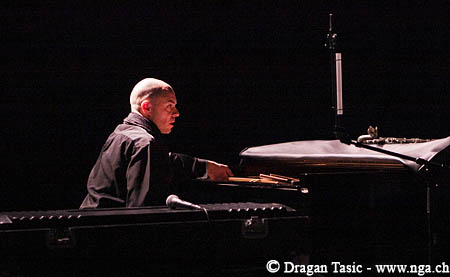
nik_baertschs_feat_roninAprès eux, le public est en orbite sur la planète jazz. Nik Bärtsch et RONIN s’imposent rapidement avec leur musique exigeante, précise et percutante.
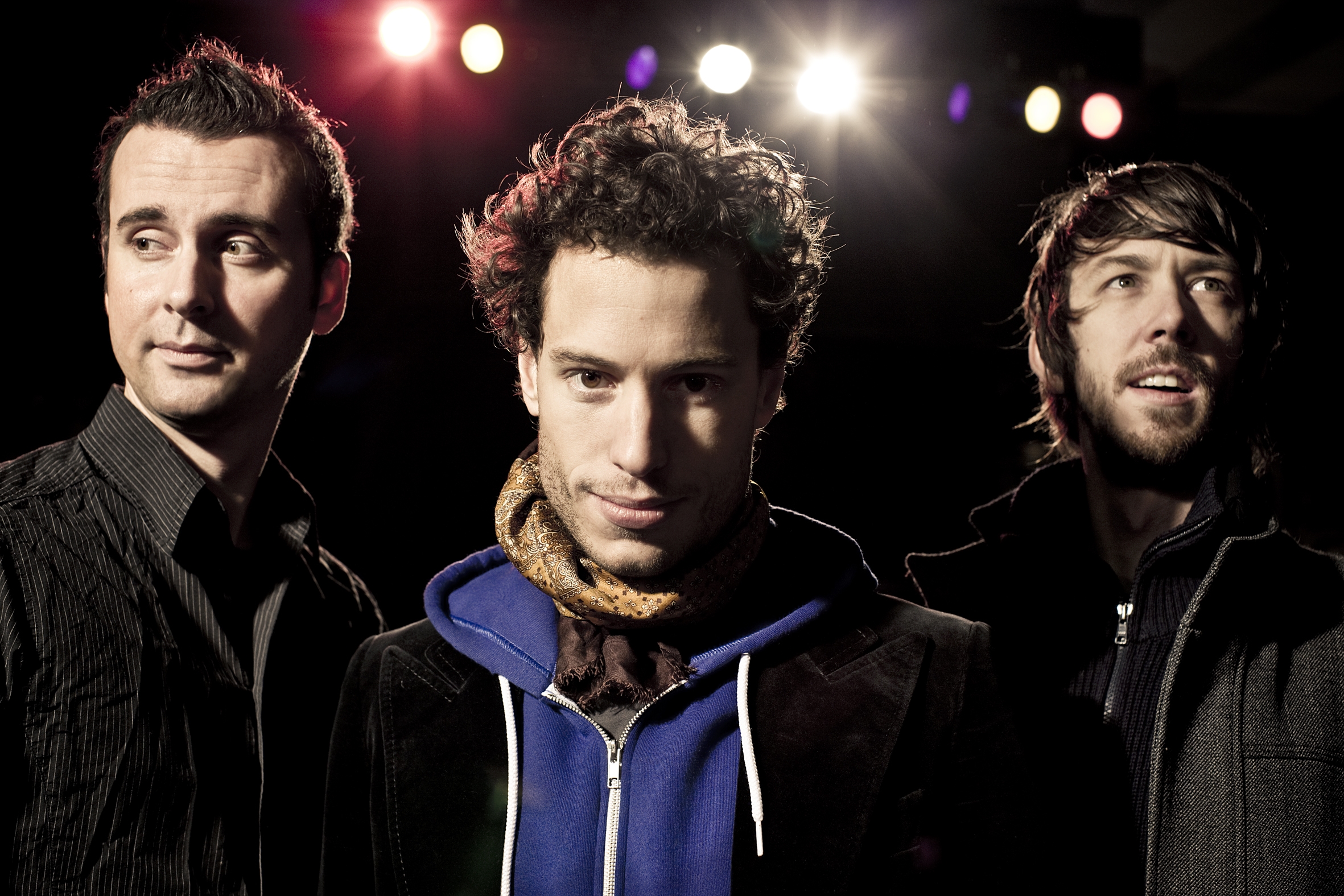
Les concerts de Swiss Diagonales Jazz se poursuivent dans toute la Suisse jusqu’au 17 février 2012. Infos précises sur diagonales.ch

Live report, Rusconi à Paris le 11/12

Rusconi_2Grooves délirants, improvisations sans bornes et incursions pop effrénées : le Sunside a eu du mal à se remettre du passage du power trio Rusconi.
Curieux paradoxe : pour célébrer la sortie de son troisième album « Revolution » (Beejazz), qui déjoue encore plus les règles du jazz traditionnel, Rusconi se présente au Sunside, gardien d’une certain forme d’orthodoxie jazz. Voir ces trois sales gosses Suisses-Allemands prendre des libertés pop et expérimentales dans ce temple parisien policé était d’autant plus réjouissant que le public s’était déplacé en nombre, alerté par nombreuses les critiques élogieuses publiées, entres autres, dans Libération ou les Inrocks. De quoi faire saliver le malicieux Stefan Rusconi (« c’est mieux que de jouer dans une salle vide », tentera-t-il, jamais à court de blague malgré son français hésitant). Le pianiste ne laissera guère de répit à la salle. D’emblée, il attaque avec un morceau très groove qui le verra pourtant quitter vite son clavier pour farfouiller directement dans les cordes, en Thurston Moore du piano à queue, sous les yeux possédées du bassiste Fabian Gisler.

Voilà le leitmotiv de ces deux sets de 70 minutes : détourner l’instrument de sa fonction première pour libérer leur inventivité sans complexe, se muant peu à peu en power trio, plus proche du « rock instrumental » que du jazz. Sur « Change, Part 1 », Rusconi lancera des ambiances sur une guitare électrique (avec archet et bottleneck), le batteur Claudio Strüby à la basse et le bassiste… au boucle hypnotiques de piano. Une apologie de l’irrévérence qui prendra tout sens sur « Alice in the Sky » (« un mélange de Lucy in The Sky et d’Alice au pays des merveilles, avec des cuillères dans le piano », résumera Strüby, hilare), monument de jazz spatial déconstruit, sur les solos, habités et habitants, où sur l’intermède « vinyle » : un drôle d’exercice de style, où un membre du groupe fait écouter un morceau de son choix (en l’occurrence, « Wrong », de Depeche Mode »), avant que le trio improvise sur le thème. Et pour achever de défriser le public du Sunside, Rusconi concluera la soirée par un clin d’œil à son album précédent en reprenant magistralement le « Hoarfrost » de Sonic Youth. Pas étonnant que pour son prochain concert parisien, le groupe devrait se présenter dans une salle habituellement réservée à la pop, le Café de la Danse, en mars.

Plus d’infos par ici: rusconi-music.com

[youtube http://www.youtube.com/watch?v=XDdzOFYnLuo?feature=player_detailpage&w=640&h=360]

“You need to have discipline to create freedom for your band”

Swiss composer Nik Bärtsch and his band Ronin just wrapped up a US tour to present their new two-disc set called “Live”. Everywhere they go, music critics are raving about the groove of a music that is flirting with rock and pop. Swissvibes talked to Nik Bärtsch in New York.

Nik, tell us about your recent US tour with your band Ronin.

Nik Bärtsch We played in Oakland and Portland, where we had already played in the past. We also played at Earshot Jazz Festival in Seattle. It was our first time there and it is a very good festival. Finishing the tour in New York was great. The headquarters of our label ECM are there. We played there last year and it was named by Jim Fusilli, the Wall Street Journal music critic, one of the best live shows of 2011 alongside Radiohead, Patti Smith and Björk. For us, it was amazing to be named with artists like them.

How did your new live album come about?

Nik Bärtsch We recorded about 50 shows. We made a first selection of about 30 tracks from all these shows. We reduced the number to 11 and worked with Manfred Eicher, our producer at ECM, to end up with a final selection of 9 tracks from different shows. The idea was to show the deveopment and activity of the band. It is a funny mix of small venues and bigger ones. For instance, we played in a theater in Lörrach. It was organized by a friend of mine and they had built a lounge. So we had young people lying in front of us when we played. It was kind of strange but also a really special show.

When you talk about Ronin, you often highlight the discipline of your band. Why?

Nik Bärtsch When you listen to great bands like Radiohead or musicians like Herbie Hancock, you can feel they have a lot of discipline. You need to have discipline to create freedom for your band. Our discipline come from our Swiss roots. Our sound is clean and precise. But we only do that to give ourselves freedom during our shows. You could compare us to an experimental pop and rock band. We are precise with our message. But the structure we have in our music allows us to have fun on stage. Music is the message.

Tell us about your relationship to New York.

Nik Bärtsch We played 4 times there. It is always important to play there because it is where most music is developped. We always have had inspiring audiences there. New Yorkers know a lot about bands. We were totally happy because they made us feel that they wanted to hear something special. It is a good feeling.

You are releasing a two-disc set at a time when people listen to more music online. Does this rapidly-changing environment have an impact on how you create an album?

Nik Bärtsch We always did what we thought was right. You have to work on the long run and show people you can surprize them. Ronin sold 50 000 records, which is amazing for a jazz band. The business model changes, the media change, but the message stays the same. I don’t only think myself as a musician. I am also an entrepreneur, because you need to sell records to be able to keep playing.

For more information:

Ronin’ s “Live” two-disc set is out. Label: ECM

Nik Bärtsch and Ronin play every Monday at Exil music club, Hardstrasse 245 21,  in Zurich.

Ronin will perfom at Label Suisse in Lausanne on December 14th, 2012.

For more information: http://www.nikbaertsch.com/konzerte/