Swiss bands at jazzahead 2016!

One night: eight showcase-acts: the Swiss Night on April 21 will be a highlight of this year’s live program at Jazzahead!  Find out more about the eight Swiss bands below. You can also listen to a track of each band selected at jazzahead! here. If you are not attending jazzahead! this year, Arte Concert is streaming the concerts played at Kulturzentrum Schlachthof live there. Alternatively you can also watch all videos of the showcases the next day on www.jazzahead.de In other words, you have no excuse not to follow those guys  live or on Internet!
_______________________________________

Plaistow
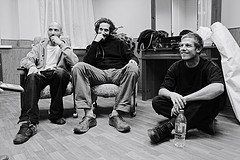
Plaistow_pic_LDLast week the editor of a UK jazz magazine said how much the office had got into Plaistow’s album Titan. I think they are something special. Plaistow is an acoustic piano trio driven by experimental dance musics, ancient drones and a desire to distill their sound to its most ‘alcoholic’, most potent. Plaistow make for a thrilling listen. At first I wasn’t sure of Geneva-based Cyril Bondi’s drumming style, it seemed to lack swing, bashing the air out of a beat, but at a sweaty, rammed Berlin Jazz Festival club last November, he was brilliant. Unique and aggressive with an engaging, rhythmic sensibility – perfectly coupled with the imaginings of pianist Johann Bourquenez. Irritating, repetitive notes hypnotise under his touch and at other times he sweeps you off your feet with a sweet melody as in ‘Enceladus’ – it has me in a whirl. Johann’s music is so fresh. Growing in confidence is Vincent Ruiz on bass. His sensitivity connects and subtly reflects the band’s ambitions.
To learn more about Plaistow, read our selection of articles on Swiss Vibes!

[youtube:https://www.youtube.com/watch?v=RAtzeqI6RWc]


_____________________________________
Colin Vallon

@Mehdi Benkler
@Mehdi Benkler

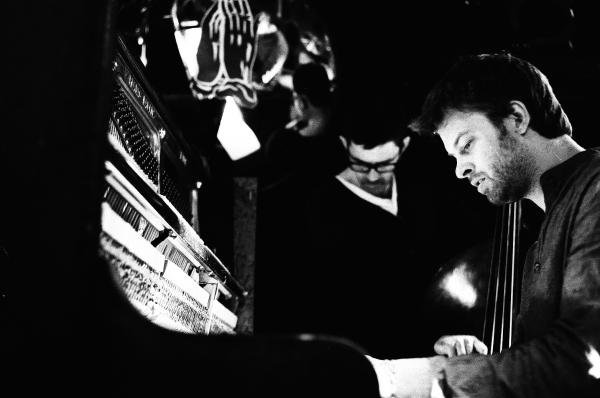
I’ve never seen Colin‘s own trio and am curious, especially as I felt his last ECM album, Le Vent (2014) fell into the ‘contemplative hole’ that undoes many an artist exploring prepared or experimental piano. I suspect Colin is currently going through a time of musical reflection about his direction. His trio is a pretty high-powered crew with drummer Julian Sartorius (who impressed London’s Cafe Oto in March) and Patrice Moret on bass and his appearance at jazzahead! will be a chance to discover where he is now – and what he wants to say.
To learn more about Colin Vallon, read our selection of articles on Swiss Vibes!

[youtube=https://www.youtube.com/watch?v=dM5kFt0I_l8]


_________________________________________

Elina Duni

© Blerta Kambo
© Blerta Kambo

Seeing Elina playing solo at Cully Jazz last year elevated her even more in my estimation. That woman can sing! She’s been performing since she was five years of age in her native Albania and although she moved to Switzerland when she was ten, you can almost taste her culture and country when she sings. Her experience comes through too – she moves an audience, but is never cloyingly sentimental. I think the drummer Norbert Pfammatter is key to the band, almost the yin to her yang (yes, that way round), responsive to her and tuned in, whilst Colin Vallon leads the music into imaginative landscapes, provoking her to stretch her ideas. The recent addition of Lukas Traxel on bass adds a sparkling energy as I saw when they played the EFG London Jazz Festival last year. I’ve spoken before about Elina evoking universal goosebumps with her emotive expression and that sold-out gig was no exception.

To learn more about Elina Duni, read our selection of articles on Swiss Vibes!

[youtube=https://www.youtube.com/watch?v=8TFtCZEdRT0]


__________________________________________
Christoph Irniger Pilgrim

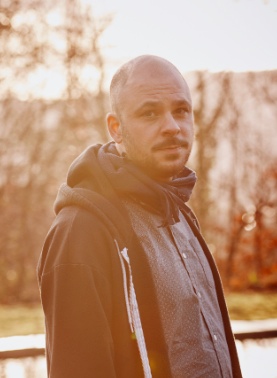
ChristophIrnigerPilgrim includes Stefan Aeby on keyboards and Michi Stulz on drums – I know their work as part of Tobias Preisig’s quartet and both were crucial to the innovation of Preisig’s album, Drifting. In Pilgrim, Aeby draws on his ability to play an evocative jazz, informed by artists such as Bill Evans in order to echo Irniger‘s direction. Stulz walks an intelligent line between the past and the now and his interplay with Irniger, Aeby and bassist Raffaele Bossard, makes the band something special.

I like Irniger’s choice of electric guitar and Dave Gisler is a highlight of the track ‘Italian Circus Story’ from the album of the same name. Here, Christoph almost whispers in evocative drawls on the saxophone; he tells his tales in a spacious and thoughtful style. Along with the Christoph Irniger Trio and other projects with New York-based artists, he uses trips to the US to immerse himself in the heritage of jazz whilst carefully searching for his own expression.

To learn more about Christoph Irniger read our selection of articles on Swiss Vibes!

[youtube=https://www.youtube.com/watch?v=HRO-11tLQ18]


________________________________________________

PommelHORSE
PommelHORSE ©Simon Letellier

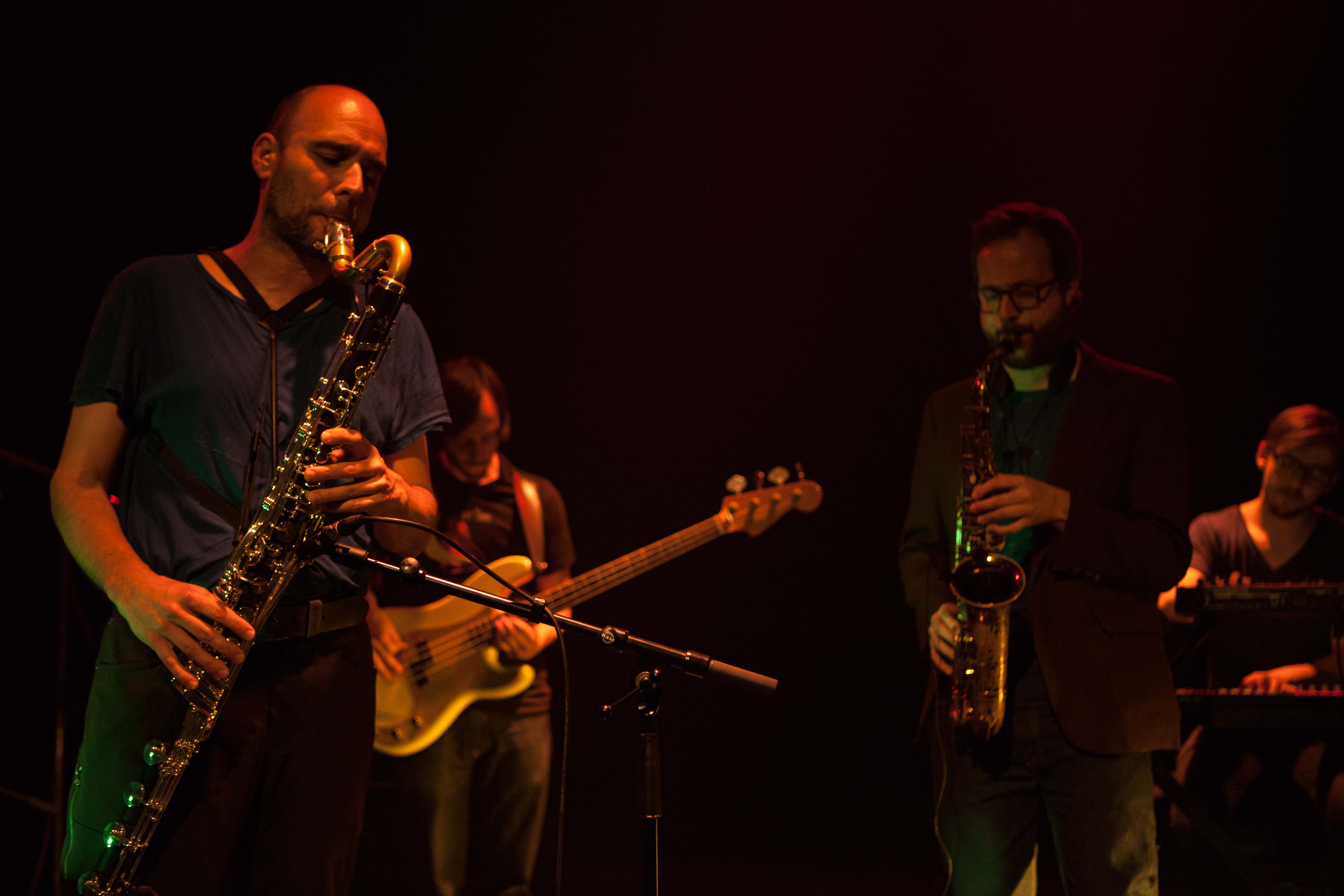
This confident and original Bernese quintet are a refreshing flight of fancy on the Swiss jazz scene. They inhabit a surreal terrain somewhere between mutant jazz, prog rock and synthy ambiant rhythms. Cleverly creating a story and atmosphere in each track, they juggle an abundance of patterns and ideas always leaving room for improvisation, tempo changes and general dashing about. With tracks entitled ‘Drunk on Christmas eve’ and ‘The circus is closed and all the animals have gone wild’, it’s impossible to resist their playful attitude and experimental forms, both dark and light. Very popular on the live circuit, PommelHORSE are currently working on their third LP.

To learn more about PommelHORSE read our selection of articles on Swiss Vibes!

[youtube=https://www.youtube.com/watch?v=BfL5speG_Uk]

_________________________________________________

Weird Beard
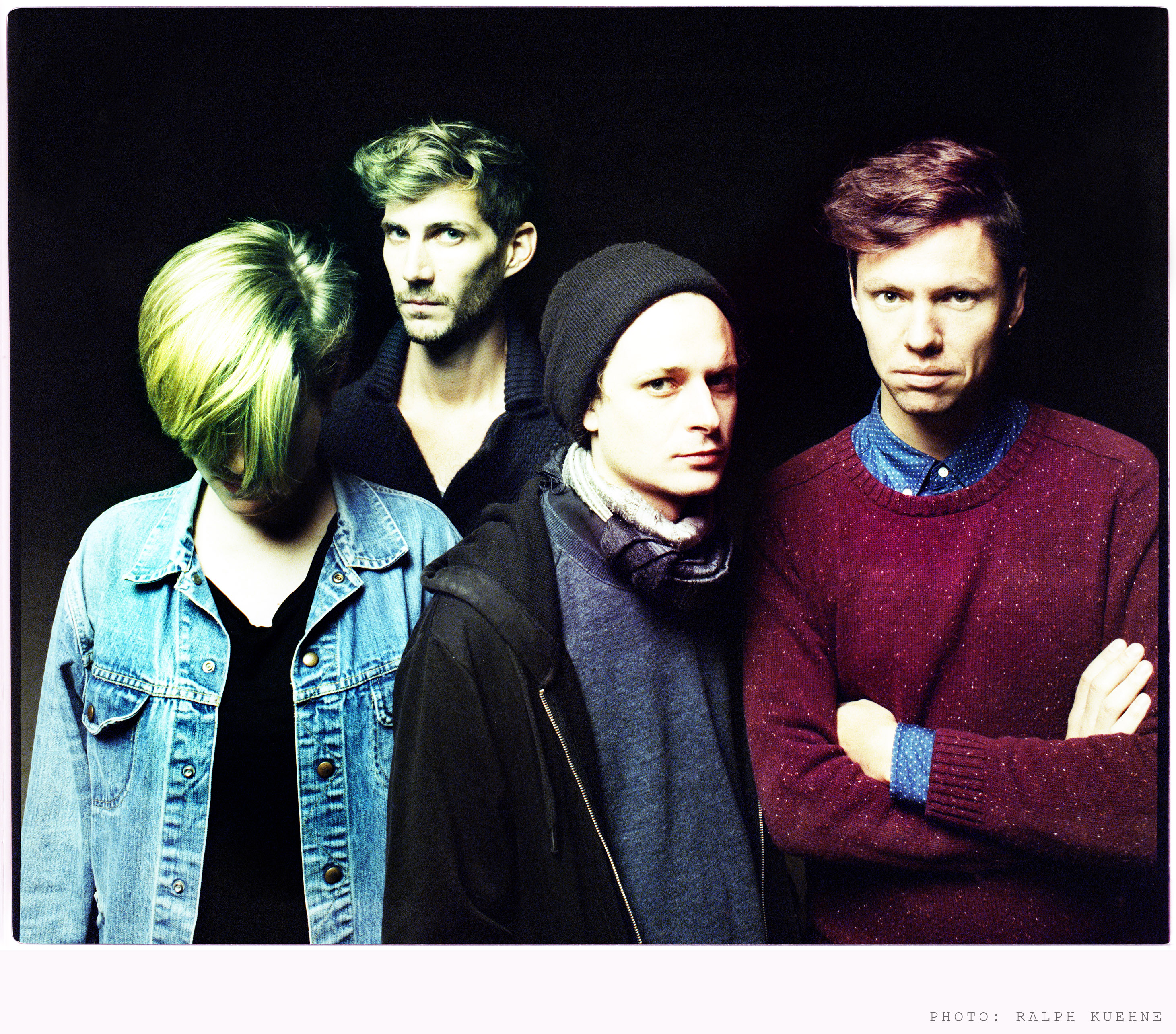
Weird_Beard_2_A5_RGB_PHOTO_RALPH_KUEHNERepresenting the exciting non-conformity of the contemporary Swiss jazz scene, Weird Beard is a quartet led by saxophonist Florian Egli, featuring guitar, electric bass and drums. The weirdness of their beards is less a facial hair reference, more a hallmark of their musical individuality. A band rooted in the jazz tradition in terms of improvisation and composition, but sonically pulled towards trashy metal, punk riffs and quirky noise. Both lyrical and totally unpredictable, their elegant, laconic sound designs can go off in all directions. ‘Everything Moves’ is their second LP just out on Intakt Records and comes warmly championed by Bugge Wesseltoft who describes the group as having ”musical ideas and inspirations merged into a very fresh and new sound.”

Weird Beard, Everything Moves, Intakt Records

[youtube=https://www.youtube.com/watch?v=Fdi7YOaOD3o]

___________________________________________________

Julian Sartorius
@Reto Camenisch
@Reto Camenisch

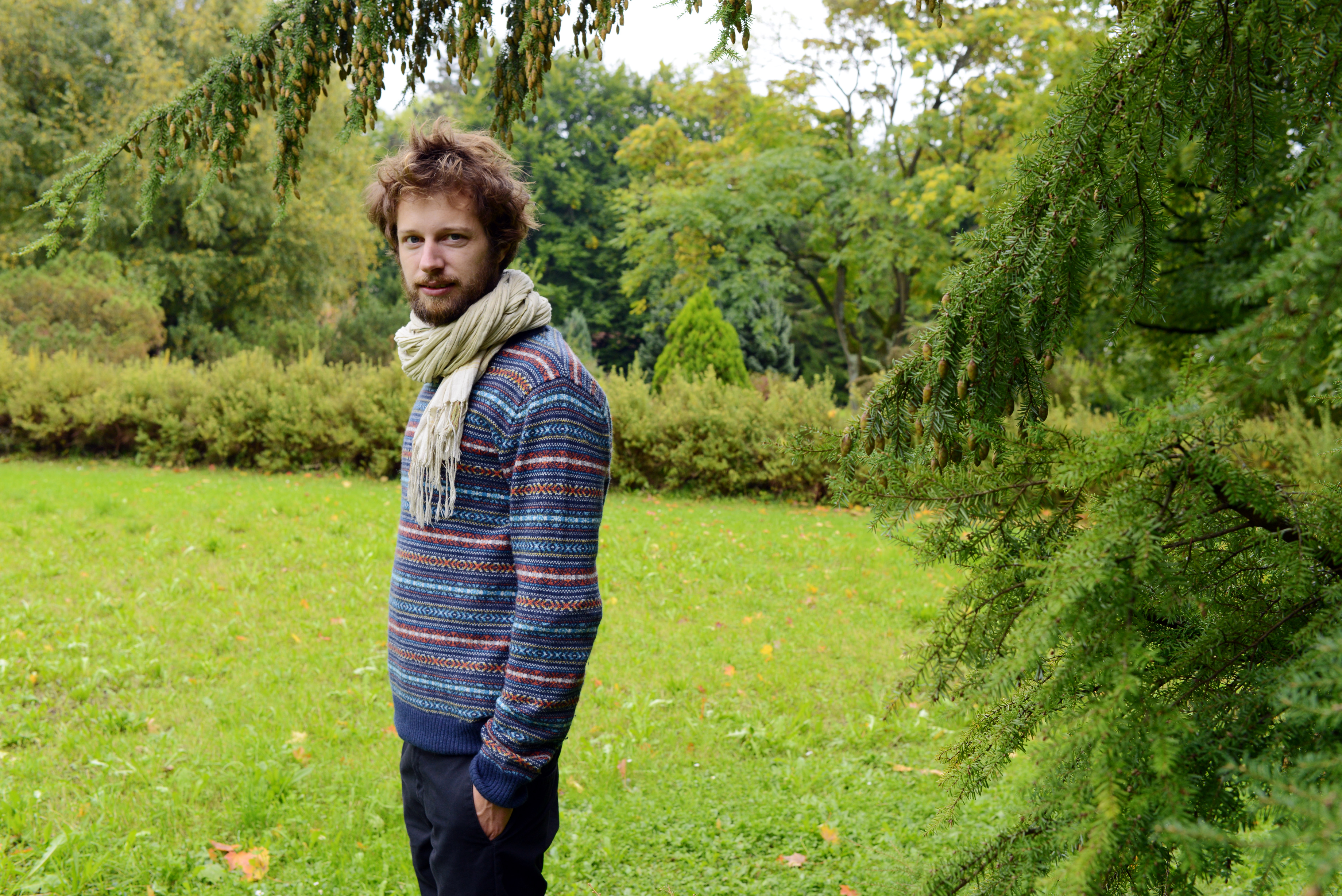
The Swiss musical ecosystem is a richer place because of drummer Julian Sartorius. What David Attenborough is to nature wildlife documentaries, Sartorius is to the world of sound: a beat explorer, a sound forager, a sonic researcher. His gigs are a masterclass in bashing, crashing and smashing – not just the ordinary drum skin or commonplace cowbell, but squeaky toys, handcrafted gongs, hairdryers, electric toothbrushes. Can he hit it? Yes he can.

Agile in pushing boundaries of the percussive sound from hip-hop to abstract electronica, Sartorius opens up endless possibilities and range. His latest video features cymbals rolling along a studio space, poetically crashing about at will. Previous works include a 12 LP box set called ‘Beat Diary’ composed of 365 analogue beats, each one painstakenly researched and accompanied by its own visual. A true artist in every sense of the word, a national treasure.

To learn more about Julian Sartorius read  our selection of articles on Swiss Vibes!

[youtube=https://www.youtube.com/watch?v=4G8GbugnY50]

________________________________

Luca Sisera ROOFER
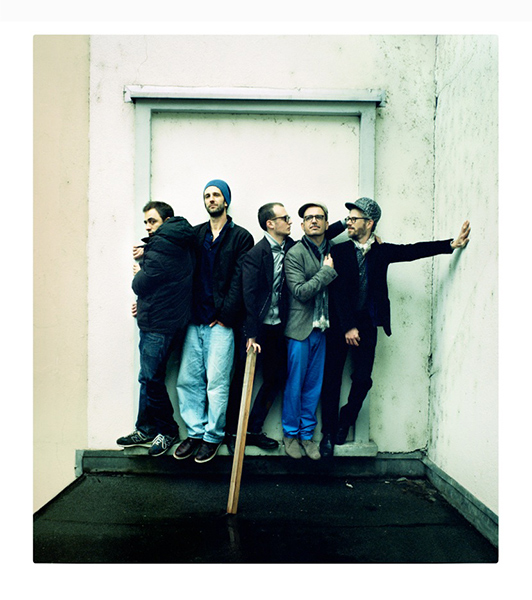
roofer_01Luca Sisera is a well­ seasoned Swiss double bass player whose ROOFER quintet describe their sound as “contemporary, liberated jazz music”. Negotiating the fine line between improvisation and composition, the five elements come apart and then reunite in equal measures. There’s a theatrical edge to their music thanks to the horn section adding a lovely big band swing to the complex equation. One minute groovy, sexy, full of bump and grind ­the next angular, frenetic, swarming around one another like agile birds. The interplay between the musicians is extremely confident and general mood leans towards the playful. An exciting band to watch live because of their warm, busy and inventive approach.

[youtube=https://m.youtube.com/watch?v=CLvuzfD4wMQ]

Text by Debra Richards and Beatrice Venturini
 

Bad Bonn @ Cafe Oto

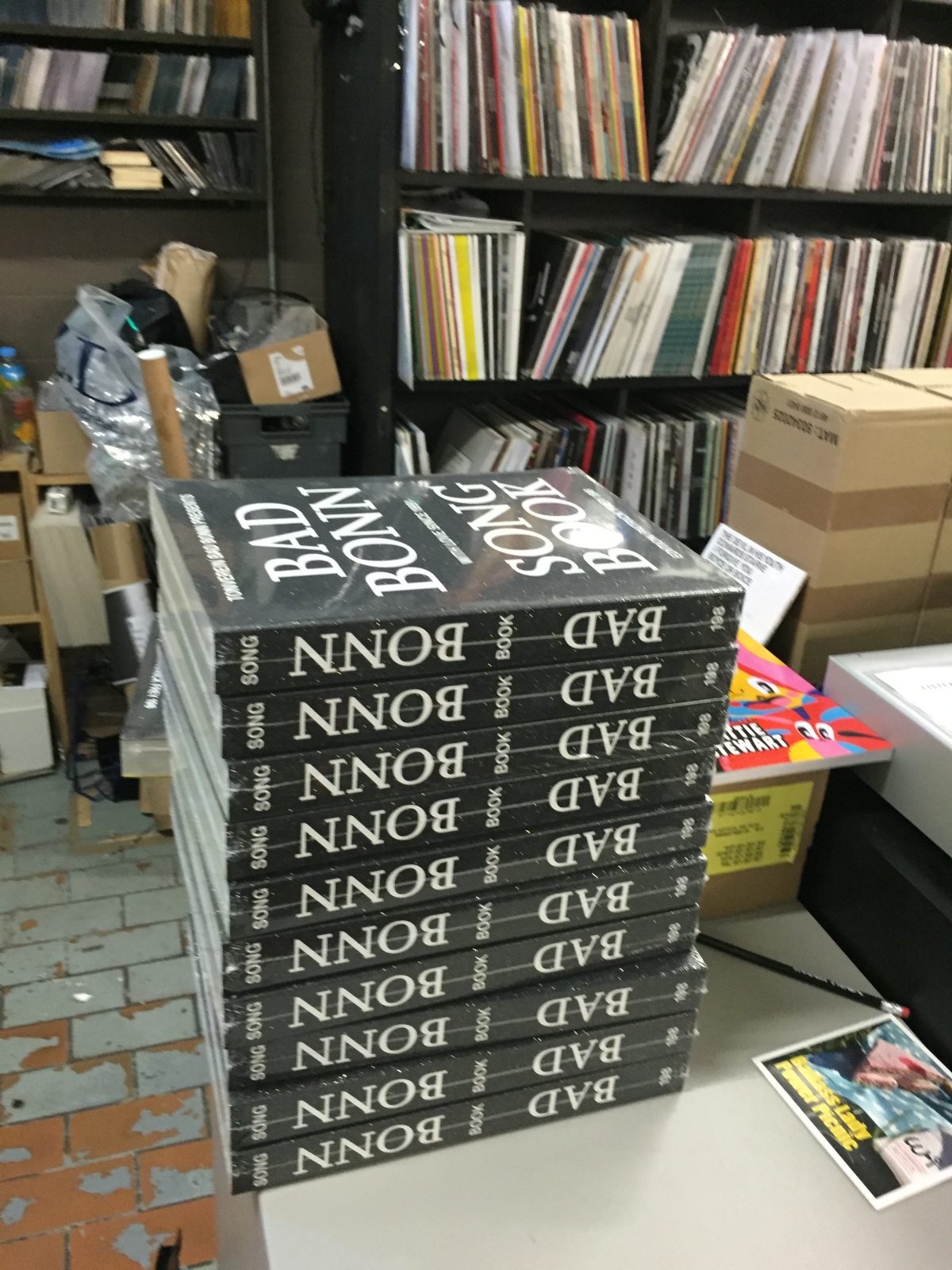
BBSB_Cover_final_23-2-16_simuliertThe day after the successful launch event at Rough Trade East, the celebration of the publication of the“The Bad Bonn Song Book”  continues. Bad Bonn crew moved North to Dalston for a celebratory Kilbi night at the legendary avant-garde/jazz/folk venue Cafe Oto. Another sizeable and appreciative crowd was served a diverse programme of Swiss artists that showed off Bad Bonn´s sense of adventure to good effect.
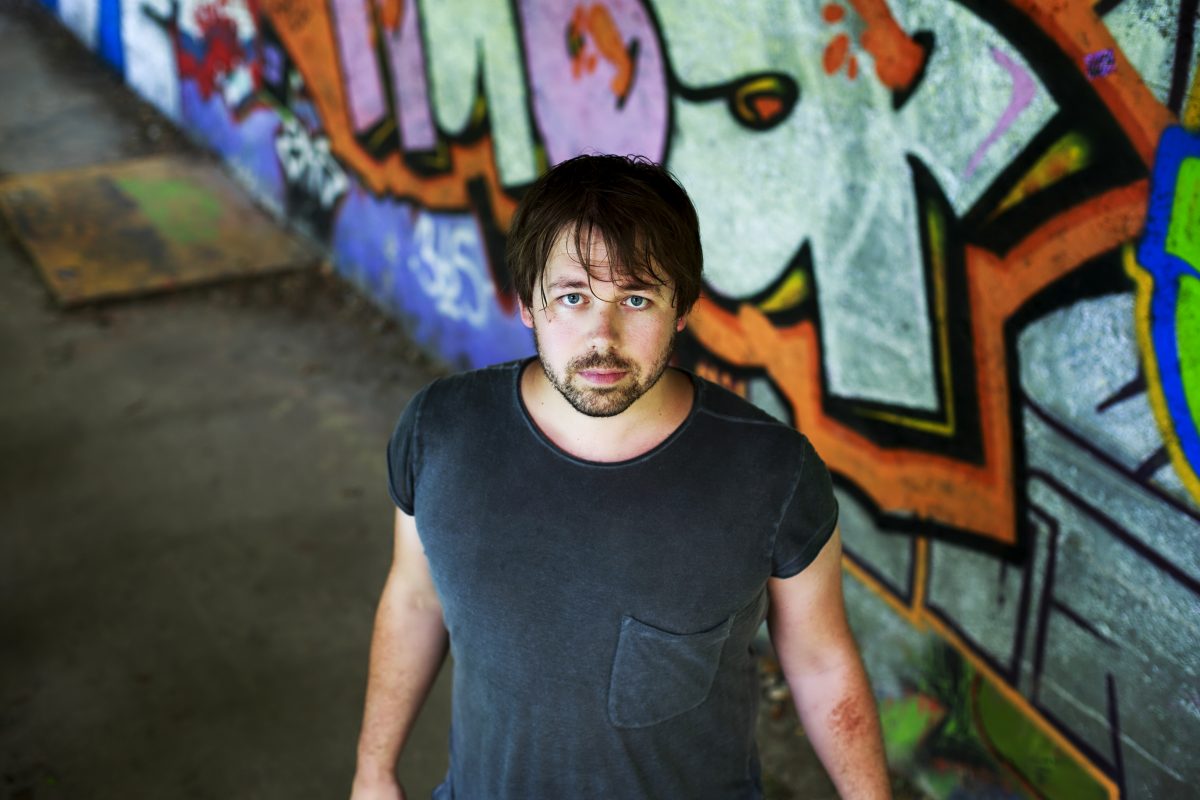
First off was Strotter Inst., aka Christoph Hess. Operating in a border area between noise and conventional music with a pair of “treated” old record players and a series of similarly adapted vinyl records, Strotter Inst produced a minimalist and yet richly textured drone that somehow pulsated with rhythm and held the audience´s attention with remarkable ease.

Next came percussionist Julian Sartorius who, judging by the conversations afterwards, was perhaps the biggest success of the evening. Playful and yet precise, subtle and yet powerful, his uninterrupted half-hour performance was a master class of innovative and controlled solo percussion. In sharp musical contrast, the synth duo Papiro reconnected the audience with early Krautrock history with their slowly shape-shifting take on dreamy Ash Ra-Temple-type sounds.

[soundcloud url=”https://api.soundcloud.com/tracks/214251145″ params=”auto_play=false&hide_related=false&show_comments=true&show_user=true&show_reposts=false&visual=true” width=”100%” height=”450″ iframe=”true” /]


The evening was rounded off sweatily by Camilla Sparksss, Barbara Lehnhoff’s fiery electro outfit, consisting of just herself and a dancer. Combining punky vocals with minimalist electro rhythms and melodies, her short, sharp bursts of high-octane songs were completely different from everything else that had been heard before then, and all the better for it.

Contributing greatly to the success of the night were the DJs Andy Votel and Doug Shipton whose selection of records was perfectly in tune with the spirit of Bad Bonn. In short – the two Bad Bonn nights in London turned out to be an unqualified success.

Montreux Jazz Festival: l’art du solo

Le batteur Julian Sartorius et le pianiste Marc Perrenoud confronteront leur art du solo au Château de Chillon le 11 juillet. Tous deux ont accepté de livrer à  Swiss Vibes quelques-uns de leurs secrets de fabrication.
@Reto Camenisch
@Reto Camenisch

Pour le plus grand malheur de ses parents et pour le plus grand bonheur de nos oreilles, Julian Sartorius a la fâcheuse habitude de taper sur tout ce qui l’entoure depuis qu’il est en âge de marcher. Quelque trente ans plus tard, il a fait de cette pulsion profonde son fonds de commerce. Pendant toute une année, il s’est astreint à la délicate mission de réaliser un beat par jour où qu’il soit. D’abord publié sur son blog, son « beat diary » est sorti l’an dernier sous la forme de 12 vinyles accompagnés d’un livre de photos. Depuis l’homme à la batterie écume les scènes les plus diverses. Il joue au milieu du public au Festival Onze plus, tape sur les murs du Musée Rietberg lors de l’inauguration d’un nouveau pavillon et se risque sur la grande scène du Cully Jazz Festival.

 « Le plus important c’est l’espace »

Le 11 juillet prochain, il investira un haut lieu historique, le Château de Chillon, dans le cadre du Montreux Jazz Festival. «  Le plus important c’est l’espace », explique Julian Sartorius au bout du fil alors qu’il attend un avion pour Copenhague. Le jour du concert, je vais tester l’acoustique de la salle avec ma batterie. Selon la façon dont elle sonne, je prépare des accessoires différents, acoustiques ou non ». Dans sa tête les plans des morceaux s’enchaînent, mais la prestation n’est jamais deux fois pareille. L’homme-orchestre peut à tout moment changer de direction, imprimer d’autres couleurs, d’autres harmonies à son set.

« C’est juste toi et le public »

Après s’être fait connaître comme batteur de Sophie Hunger, Julian Sartorius est devenu un amoureux de liberté d’improvisation, même si et surtout si ce travail est plus accaparant. « Quand tu accompagnes quelqu’un, tu peux compter sur l’autre ou le suivre, quand tu es seul, c’est juste toi et le public.». Julian Sartorius propose également dans le cadre du Montreux Jazz festival un duo « totalement improvisé » avec Benoît Delbecq (Montreux Palace, mardi 8 juillet).

 « Je préfère travailler sur les mouvements »

02 Marc SoloForcément l’exercice du piano solo est plus connu que celui de la batterie solo. Marc Perrenoud le conjugue pourtant à sa manière. « Plutôt que de travailler en improvisant sur un base de 32 mesures comme cela se fait dans le jazz, je préfère travailler sur plusieurs mouvements, à l’instar dans la musique classique ».

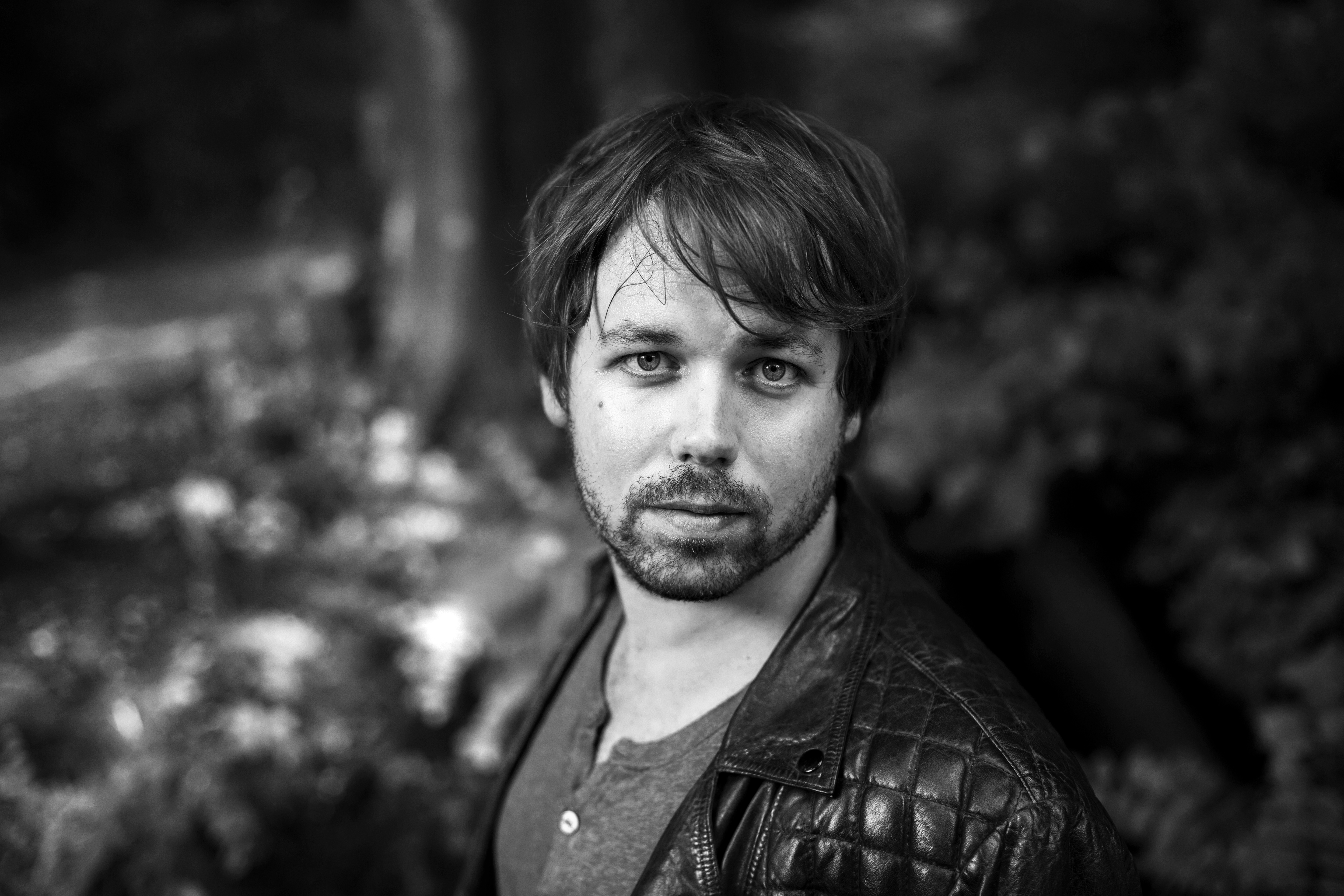
Solo de batterie versus solo de piano

Pour pousser l’exercice plus loin, le pianiste, dont le dernier CD en trio « Vestry Lamento » a séduit les critiques de New York à Paris, aime prendre pour point de départ une technique ou une texture. Il peut ainsi choisir d’improviser à partir d’octaves ou s’amuser à retranscrire au piano un solo de batterie. A chaque son – la grosse caisse, la caisse claire, les cymbales – il associe des notes, créant ainsi d’autres formes rythmiques sur son instrument. Le but étant bien sûr de prendre un maximum de risques, de chercher à ce que le résultat soit à chaque fois différent.

 « Ne pas se laisser dépasser par ce qui est entrain de se passer »

« Lorsque tu joues en groupe, tu cherches d’abord la résonnance, l’osmose. Le groupe trouve alors sa propre énergie et se met à fonctionner de façon autonome, un peu comme une meute. En solo, tu dois entrer en connexion avec toi-même sans aller trop loin. Tu ne dois pas te laisser dépasser par ce qui est entrain de se passer, garder un temps d’avance, garder le contact avec le public. Tu dois être en permanence ultra-concentré. Il ne peut y avoir que très peu de déchets. »

Les pierres millénaires du Château de Chillon et la féérie du lac au crépuscule ne pourront qu’inspirer la batterie insolite de Julian Sartorius et le piano expansif de Marc Perrenoud. Ne ratez pas ce moment d’exception !

Julian Sartorius solo/ Marc Perrenoud Solo, Montreux Jazz Festival, vendredi 11 juillet, 21 h.

Montreux Jazz goes Switzerland

« Claude Nobs aimait comparer le jazz à un bouquet de fleurs. Plus les fleurs rassemblées étaient d’origines et de couleurs différentes, plus il appréciait le bouquet. Le jazz suisse est lui aussi particulièrement intéressant parce qu’il s’abreuve à de multiples sources culturelles». Stéphanie-Aloysa Moretti (directrice artistique de l’Artists Fondation du Montreux Jazz Festival)


L’édition 2014 du Montreux Jazz Festival fait la part belle aux Helvètes. Ouverture des festivités avec Leonzo Cherubini  et sa composition « Flora » pour trois batteries et trois percussions  (dimanche 6 juillet à 17 :00) et clôture avec « Ivresse » de Jérôme Berney, une création mêlant classique et jazz (vendredi 18 juillet à 17 :00). Le pianiste François Lindemann, qui avait joué en son temps à Montreux, est également de retour en quartet (mardi 8 juillet en première partie de Tigran Hamasyan). Quant à Julian Sartorius, il improvisera en duo avec le pianiste Parisien Benoît Delbecq (mardi 8 juillet, 21 :00).

Un week-end de folie dans les différents espaces du Festival
Leo Tardin
Leo Tardin
Marc Perrenoud
Marc Perrenoud

Du 11 au 13 juillet, les artistes suisses investissent la plupart des salles du Montreux Jazz Festival. Jugez plutôt: Le 11 juillet, Julian Sartorius – encore lui, mais en solo cette fois – tapera sur tout ce qui bouge dans le somptueux décor du Château de Chillon, victime du succès de son « beat diary » (un coffret de 12 vinyles qui compte 365 beats, soit 1 beat composé chaque jour pendant une année).


Le même soir, Marc Perrenoud fera aussi voler en solo les touches de son piano. Un coucher de soleil musical inédit et intriguant en perspective au Château de Chillon.

Et pour ceux qui sont doués du don d’ubiquité, signalons qu’au même moment, les inclassables Plaistow se produiront au Club juste avant la pianiste japonaise Hiromi.

Quant au maestro Stephan Eicher, il se voit offrir les honneurs de l’Auditorium Stravinski le 12 juillet. Enfin last but not least, Leo Tardin rencontre le percussionniste turco-suisse Burhan Oçal le 13 juillet au Château de Chillon. Nous y reviendrons.

Ne manquez surtout pas de découvrir ou de re-découvrir cette scène suisse en pleine expansion !

Concours

logo_Swiss Vibes-compilInscrivez-vous ici, à la newsletter de Swiss Vibes (ça prend une minute) et  gagnez une des dix invitations pour la soirée du 11 juillet (Sartorius et Marc Perrenoud) ou pour la soirée du 13 juillet (Leo Tardin et Burhan Oçal).


Colin Vallon speaks about “Le Vent”

Colin Vallon © Petra Cvelbar“Le Vent” is Colin Vallon‘s second album for the prestigious label ECM. Listening to it, or to him speak, you might think he’s a bit soft – a gentle soul. There’s a distinct aesthetic to his playing, it’s mindful and sombre as if remembering a lost love. Interviewing him, I found an assured and fiery spirit; a pianist with a clear intelligence, driven to carving out his own, individual path.

“From the moment I could stand I tried to press down the keys”

Music was always around Vallon – when most families were arguing at Christmas, his was gathering at the ever-present piano, singing hymns and Gospel. “I loved the sound of the instrument, from the moment I could stand I tried to press down the keys”. Despite this, he quit piano at the age of 12 because he could no longer play by ear and reading music frustrated him. Then two things happened: his uncle taught him some blues chords that he could play, “Without paper in front of me” and he saw a solo concert of Keith Jarrett, “It was really amazing to hear that.”

He returned to music lessons at 14 and began composing. By 19 he was at the University of Arts in Bern and had his own trio. Here he found the American theory of copying the standards until you could imitate them too restrictive. “But this was also very good for me,” he says, “because it meant that if I wanted to do something of my own then I had to do it really on my own and to be more didactic in terms of composing. I was really independent.”

“It’s a music that has something very raw about it”

However the composition tutor, Frank Sikora, inspired Colin and for his class he recorded, “A huge fence or gate that was screeching, making harmonics and noises.” By 2002 he developed this interest in strange sounds with prepared piano techniques and had begun an enduring curiosity for Eastern European music. “It has something very raw about it and, like this fence maybe [that he’d recorded], it’s a very different sound and it’s something that caught me immediately.” He joined a band with the saxophonist Sascha Schönhaus playing Balkan music and discovered one of his “desert island records”, Le Mystère des Voix Bulgares.

A journey in Albania

Meeting Elina Duni provided fertile creative soil as Albanian music opened up to him and the Trio’s third album, (their first for ECM) was entitled Rruga, the word for “path” or “journey” in Albanian. It was critically acclaimed, so did this make it hard to follow? “There was a bit of pressure,” admits Colin, “not from the label, but from myself..it’s hard to come with a second album…and changing the drummer [from Rohrer to Sartorius], but in the end I’m really happy with the results.”

“There are a few goodbyes, a tribute to Asita Hamidi”

Colin found his material came naturally as he dealt with several deaths and saw a suicide jump from a bridge. “Le Vent was an elegiac album, a lot to do with death…and the passing of time and life. It sounds really dark but it’s not just about that…There are a few goodbyes, a tribute to Asita Hamidi [the harp player] who died…things that are a part of life but I needed to express somehow.” It’s Vallon’s careful listening for, then stating his own truth, that makes him a compelling artist.

Colin Vallon “Le Vent” (ECM)

On tour:

26/04/14 Jazzahead, Bremen DE
27/04/14 A-Trane, Berlin DE
29/04/14 Mokka, Thun CH
30/04/14 Bee-Flat, Bern CH
03/05/14 L’Azimut, Estavayer-Le-Lac, CH
13/05/14 Mokka, Thun CH
17/05/14 AMR Genève, CH
27/05/14 Mokka, Thun CH
01/06/14 Green Hours Festival, Bucarest RO
07/06/14 Paris Jazz Festival, Paris FR

Julian Sartorius en mode random

On l‘a vu un peu partout ces derniers mois, en solo ou auprès de Merz ou Colin Vallon, dans les club de jazz, les galeries d’art contemporain ou à l’affiche de festivals indie, le jeune batteur bernois Julian Sartorius ouvre ce soir le 32ème CullyJazz Festival avant Avishai Cohen et Rusconi sous un chapiteau sold out.

ImageFriand d’atmosphères intimistes, la batterie à même le sol pour être au plus proche du public, on l’a vu plusieurs fois émouvoir et faire se lever les foules. A Cully, le dispositif sera tout différent : 900 personnes en rang d’oignon, lui bien loin, sur un large piédestal et sous un gros logo jaune. Il est curieux de voir ce que cela va donner. Le jazz ? Une formation aux conservatoires de Berne puis Lucerne. « J’aime Coltrane, Monk, ce qui a du spirit. » Avant de rajouter gaiement dans l’immense sourire qui le caractérise « Mais j’aime autant Schubert que Madlib ! », et citer encore Awesome tapes from Africa ou le label Sublime Frequencies.

Beat diary

Julian Sartorius est un chercheur, et c’est grâce à un travail titanesque, son « Beat Diary », qu’il a véritablement développé son jeu : pendant une année, il s’est donné pour contrainte de produire et prendre en photo un beat par jour afin de le publier sur un blog, devenu un livre album. « La contrainte est toujours un procédé créatif intéressant, où tu peux aller au fond des choses. Regarde par exemple la gravité, et comme les gens ont été inventifs pour tenter d’y échapper, de l’escalade au base-jump… J’aime les règles, comme dans un jeu. Si elles sont bonnes, il y a beaucoup de fun. Attention, je ne dis pas que la musique juste est un jeu, mais qu’il faut jouer avec les limites. »

“Les nuances sont infinies…”

Ce qui étonne et éblouit dans son solo, c’est la gamme d’harmonies qu’il parvient à faire sortir de son instrument, l’inventivité de sa proposition, et un groove toujours en mouvement. « J’essaie de garder les jambes dans la pulsation et de faire aller mes mains ailleurs. Quand tu arrives à faire bouger les choses tout en restant dans le tempo, cela donne quelque chose de très fort. Et puis les nuances que tu peux apporter selon comment tu touches les choses sont infinies. »

“J’adore quand je ne sais pas ce qui va arriver”

S’il écrit la musique, des plans plutôt que des partitions, il aime se laisser surprendre et s’inspirer de tout ce qui l’entoure : nature, animaux, machine à laver, frottement des vêtements, tout ce qui peut produire un rythme, qu’il soit régulier ou non. « J’ai toujours des images dans la tête, c’est très narratif, et souvent j’entends des synthétiseurs ». Il a lu John Cage qui lui a « ouvert l’esprit », et a peu à peu développé un élan vers le random, l’imprévisible : « J’adore quand je ne sais pas ce qui va arriver, quand il se passe des choses qu’on ne peut pas penser. Cela me rend vraiment heureux ! »

[youtube=https://www.youtube.com/watch?v=MVLNRLnqTI8]

A l’automne, il sort un album du solo, parce qu’on lui l’a souvent demandé, et un autre album fait de duo entre lui et un train, un frigo, ou une caisse à la Migros. Et puis encore un single 7’’ avec des beats dessus. Dans l’intervalle, il réfléchit à comment optimiser les sous qu’il vient de recevoir pour sa nomination au premier Prix de Musique Suisse. Les idées ne manquent pas.

Le site de Julian Sartorius

Dernier disque en date: Merz, “No Compass Will Find Home” (Julian Sartorius drum and vocal renditions), Everest records

Sartorius @NODE Festival, Lausanne, 25/01/14

20130303_ch_bern_bee-flat_juliansartoriusdrperc_breite800px_72dpi_scb8286I’m tempted to describe Julian Sartorius as an OBE (no, not an Order of the British Empire, even though he’s very gentlemanly), but an Olympic Beat Explorer: boldly going into any environment, natural or urban, and discovering the potential percussive sound habitat that lies therein. Well-known in his hometown of Bern as the nutty guy who goes around banging on stuff – and has done since the age of 2.

Sound Forager

Calling himself a ‘Sound Forager’, as well as an artist, musician and composer, Sartorius began his quest into the world of alternative sound over 10 years ago when intrigued by the aesthetics of electronic music he wanted to imitate the sound accoustically. Often on tour without his drum kit in the day, he began using whatever he could get his hands on to make beats: ashtrays, small bells, electric toothbrushes, walls, sides of rocks, etc…,hugely inspired by the varied likes of JDilla, Madlib, Aphex Twins, Elvin Jones and Tony Williams.

Pure, improvised, minimalist
02

Known for his collaborations with Merz, Sophie Hunger, Dimlite and many more, Julian’s most talked about project has been last year’s ‘Beat Diary’ on Everest Records. 12 12inch vinyl records containing a total of 365 analogue beats, all real sounds played by him, a beat a day accompanied 365 images (because Sartorius is as visual as he is aural). A true indication of his musical penchant : pure, improvised, minimalist, pushing boundaries.

Tonight, he’s kicking off the Saturday evening session of the innovative NODE Festival, a yearly gathering in Lausanne featuring workshops and concerts to expand your listening habits. Theremin of all shapes and sizes, circuit bending, Gameboy music and electronic toys all form part of this ‘unusual sound’ event.

Like a baby throwing its rattle out of the pram…

Sartorius and his drum kit are on a rug in the audience pit surrounded by a vast array of sound accesories. For a moment you could think you’re at a car boot sale, but it doesn’t take long to realise that actually you’re in a subtly woven beat infrastructure full of richly differing tempos and textures.

Dexterous playing of the cymbals creates a wall of sound from which the only way is up. It’s a fast and frantic climb atop hard sounds with very little let-up. Julian’s physical agilty is a sight to behold, moving with such feline economy and using every inch of his kit – what could be considered just messing around has never been such an art form or spectacle. A variety of props magic themselves onto the kit (Ikea hot plates, kitchen towels, broken off bits of xylophone, bowls and bells) momentarily adding depth and texture to the soundtrack to then quickly get chucked away like a baby throwing its rattle out of the pram.

Exciting atmosphere of new sounds being created

Sticks are used in every way imaginable: hitting, tapping, scraping, prodding. Not all sounds are easy on the ear, some vary from resembling big drops of rain on a tin roof to a dying walrus or a rusty train pulling into a station, yet all contribute to the rich, exciting atmosphere of new sounds being created in this room.

In fact what we’ve just heard is the main body of his forthcoming album due out later on this year. A solo drum project full of carefully crafted live sounds, no overdubs, no processing, no collaborations, just the simple fruit of all his experimentation in sound. For more intriguing examples of his daily beats and images, go to the ‘morph’ section on the Julian Sartorius website and also visit the Raun No-15 exhibition in Bern which features his installation till 22nd Feb 2014.

[youtube=http://www.youtube.com/watch?v=UKqZ1Dlwe5I]

Forthcoming live dates:

Julian Sartorius Solo:
8.2.2014 Netwerk, Aalst (B)
21.2.2014 Dampfzentrale, Bern
21.3.2014 Naturhistorisches Museum, Bern
30.3.2014 Kunstmuseum, Thun
4.4.2014 Cully Jazz Festival, Cully

Merz feat. Sartorius Drum Ensemble:
30.1.2014 Étage St. Gervais, Biel / Bienne
31.1.2014 Sedel, Luzern
1.2.2014 Festival Antigel, Genève
27.2.2014 Bad Bonn, Düdingen

Le disque de Noël de Swissvibes: Dimlite!

Son nom signifie littéralement lumière terne. Dimlite c’est aussi le nom d’un procédé qui permet de réduire la consommation d’énergie des ampoules.  Le moins que l’on puisse dire est que Dimlite ne cherche pas attirer les feux de la rampe sur lui. D’ailleurs, il n’en n’a pas besoin. Très vite repéré par des gens aussi influents que Gilles Peterson en Angleterre ou Egon du label Stones Throw, le Suisse allemand sort aujourd’hui son troisième album «Grimm Reality», un clin d’œil au groupe de jazz psychédélique The Stark Reality, justement réédité dans la collection Now-Again de Stones Throw…. Car les références du bonhomme sont aussi larges que variées. Robert Wyatt, Conrad Schnitzler, The Residents, Captain Beefheart ou Philipp Glass… Pas vraiment un artiste d’electronica contrairement à ce que Itunes aurait tendance à prétendre… D’ailleurs, depuis quelque temps, Dimitri Grimm, aka Dimlite, a décidé de laisser tomber les samples. Autodidacte, il joue toutes les parties instrumentales, chantonne par ci par là et a recours à deux ou trois copains batteurs (dont Julian Sartorius pour ses sets live). Et déblaie des pans entiers de musique. Souvent qualifié de visionnaire par les amateurs de musique éclairés, Dimlite fait plaisir aux discophiles qui peuvent se plaire à retrouver l’influence de X et celle de Y, mais aussi aux néophytes. Superposant, juxtaposant parties instrumentales (parfois saturées, parfois classiques), voix (en chœur ou en accéléré) et bruits d’ambiance (grésillements ou souffles qu’on croirait intersidéraux…), il parvient à donner à son univers électro-acoustique une dimension et une chaleur étonnante. A découvrir, si ce n’est pas déjà fait. En apéritif: une vidéo pas trop sérieuse à visionner ici:

[vimeo http://vimeo.com/30567245]

Artist page: www.dimgrimm.com

Record label: www.nowagainrecords.com

Dimlite, Grimm Reality, Dist suisse: Namskeio