Grand Pianoramax : SOUNDWAVE LP on Mental Groove Records

Update 02.2016: “Soundwave”, the fifth album of US/Swiss trio Grand Pianoramax will be released internationally on 29 January by the German Word and Sound label. Grand Pianormax will also be playing at Cully Jazz Festival on the 08.04.2016. Take this opportunity to read our review again!

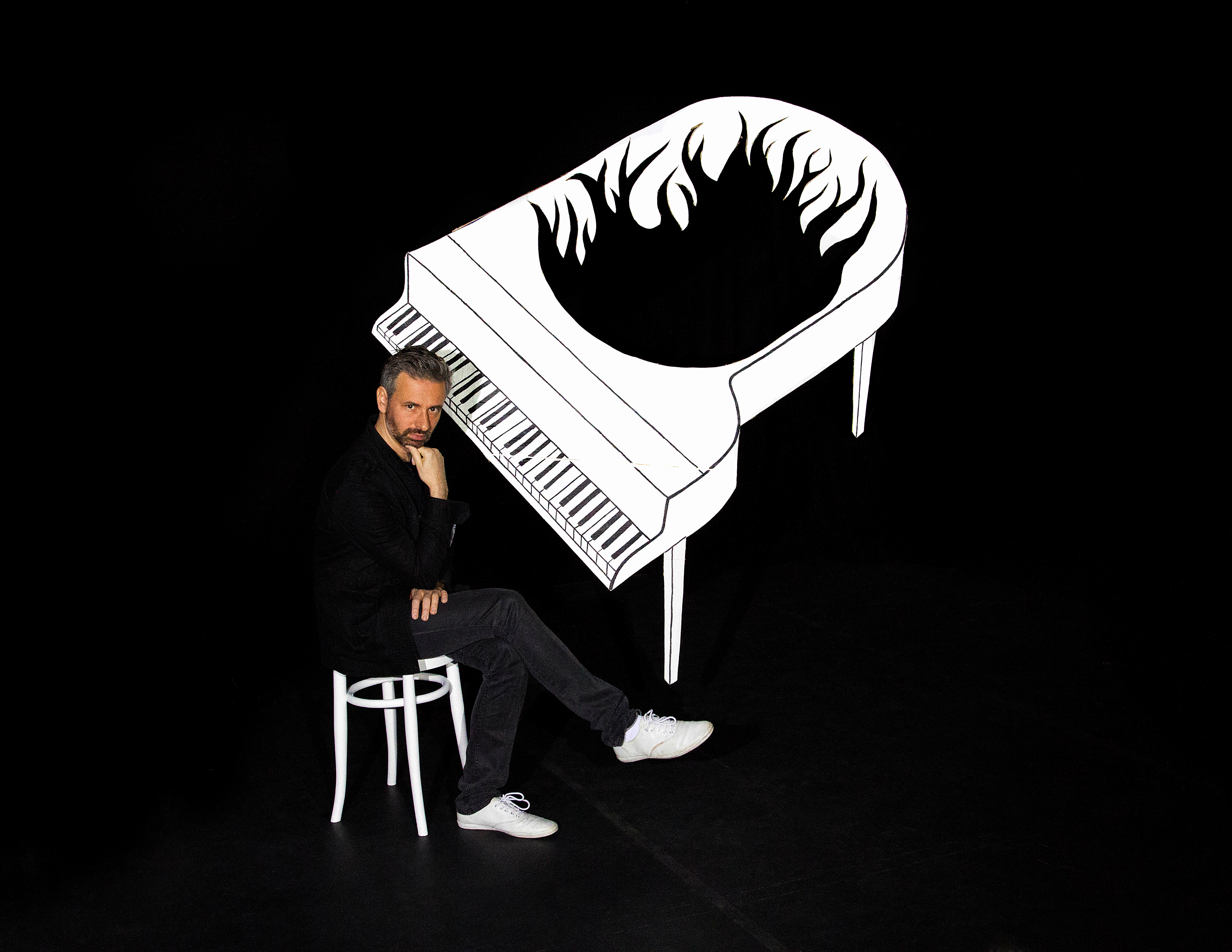
photoaccueilsite2Reading over my notes taken while listening to the latest Grand Pianoramax LP just released on Mental Groove Records, the word ‘bouncy’ makes a frequent appearance. This may seem a trite concept to use when describing a band that over the years has become known as the Swiss heavyweight supergroup of post jazz, art rock and hip hop. But it does go to show that the aim of being “lighter, brighter, more fun” – to quote bandleader Leo Tardin – has been accomplished.

A fresh and spontaneous approach

Produced and mixed by ‘pugnacious’ drummer, Dom Burkhalter, the LP was recorded in his studio in an almost live situation with a fresh and spontaneous approach. “We wanted to keep it direct and imperfect somehow: upright piano with creaky pedals, old Fender Rhodes, analogue synths – a chilled attitude, nothing too perfect” explains Tardin. Following on from the Big Easy EP released last May, SOUNDSCAPE continues the “more accessible, less dark” theme that the band had already prepared us for. And why not? Nothing wrong with a bit of sunny Steely Dan-inspired melodies to help the foot-tapping along even when you’re an experimental bunch of musical giants.

There’s as much rule-breaking here as there is on the earlier ‘darker’ albums

But to define the LP simply in terms of fluffy adjectives is far from half the story. Yes, it’s the perfect soundtrack for a sun-roof-down drive along the south of France, but there are challenging twists and turns around every corner. Tempos come and go, unsuspecting chopped up beats hit you in the face, lyrics are sharp and cutting – in brief, there’s as much rule-breaking here as there is on the earlier ‘darker’ albums. Tardin is keen to emphasize:   “It’s actually easier to be dark and dramatic than it is to be simple but solid. This is not straight music, there’s experimentation happening on every track. ‘No Doubt’, for example, is essentially a disco track set to a very unusual 7/4 beat”.

[soundcloud url=”https://api.soundcloud.com/playlists/136146509″ params=”auto_play=false&hide_related=false&show_comments=true&show_user=true&show_reposts=false&visual=true” width=”100%” height=”450″ iframe=”true” /]

Fans of his pretty, lyrical touch will not be disappointed

There’s a good ratio of vocal and instrumental tracks here, the latter giving space to more journeying on behalf of the keyboards. The old Fender Rhodes gets quite a bashing on ‘Tight Rope’ recalling a funky mid 70s Herbie Hancock/George Duke style that suits Tardin rather well and could do with further exploration in the future. Fans of his pretty, lyrical touch will not be disappointed, there are some gorgeous sweeping moments where being carried away on the wave of Tardin’s dexterous style is nothing other than a pleasure.

Charismatic experimentation and radio-friendly sparkle

But essentially, Grand Pianoramax are known for their foray into beats and hip hop which Black Cracker‘s edgy, poetic vocal style encapsulates so well. Totally enveloping and slightly less razor sharp than usual, his timbre is just perfectly suited to the jazzy, understated, choppy groove. Nothing in his lyrical content is ever over-done or insincere. The trio are famous for being a powerhouse live act, all bark AND bite, but on this album the slightly more laid back, crossover attitude is in no way a detracting dumbing down. On the contrary, warm and colorful like the cover, it’s an album full of charismatic experimentation and radio-friendly possibility.

GPX_Tokyo_4_large-300x199

Band line up:

Leo Tardin – piano & keyboards
Black Cracker – vocals
Dom Burkhalter – drums

Forthcoming live gigs:

28th Nov, 2015: Moods, Zürich, CH
27th Dec, 2015: Bee Flat, Bern, CH

Grand Pianoramax “Big Easy” EP


UnknownFor those of you looking for something intelligently springy to tap your feet to, may I suggest wrapping your ears around the new EP from Grand Pianoramax, (Leo Tardin‘s supergroup trio who have been making waves on the alternative post-jazz hip-hop scene for some years now). BIG EASY, released on 8th May on Geneva-based Mental Groove Records, celebrates a new chapter in the band’s progression towards a lighter, brighter, more accessible sound whilst still retaining all of their refinement and crystalline musicality.

Crossover potential

Whilst not exactly madly carefree, the timbre of their 5 track EP is certainly less abstract and heavily-laden compared to previous work released on ObliqSound Records. The title track, Big Easy, is a perfectly balanced interplay between crisp, bouncy beats, a husky poetic rapping style and beautifully pert piano melodies. It’s a track with crossover potential written all over it: elegantly catchy, radio friendly, almost lounge bar appropriate – not that it’s in any way banal, rather infinitely listenable. There are still three big personalities in the room, they are just less frantically busy than before, making way for a more spacious, relaxed production that succeeds in its aim to draw in a potentially wider audience. The “rough-hewn soundscapes” as they were once described have undergone a slight smoothing over. Drummer Dom Burkhalter and vocalist Black Cracker are still tremendous forces of nature, but their coming together is less of an urgent sound grenade going off in your face, more a measured invitation to a modern, urban sound that has time to unfold its magic.

Sleek lines, incisive statements

The accompanying video is an equally clever translation of the Grand Pianoramax world of aesthetics. Sleek lines, incisive statements made with arty humour all in a chiaroscuro setting, peppered with stylish handclaps, head nods and bursts of colour. It sums up all that is great and good about this band : three strong, contrasting elements craftily blended together into a faultless balancing act. Skillful execution prevails in sight and sound. Watch this video carefully – do we see better with our eyes open or shut?

Constantly pushing each other forwards

Leo is used to being asked about his split identity between solo piano career and Grand Pianoramax bandleader. Both projects are of equal importance to him. “With GP we are constantly pushing each other forward into new frontiers. Despite all three members living in different geographical locations, we work incredibly well together and make use of the space between us to develop creative ideas individually. My piano melodies often work as the basic framework around which we then weave our contributions to the form”. He admits to being very positive about the new label and the new releases. “The goal is clearly to touch more people, why hide the fact we’re looking to be more successful?” The EP is out now on vinyl and digital release, followed by an LP in early September this year.

GPX_BigEasy_7

Forthcoming gigs:

20th June: Fête de La Musique, Genève

29th  August: Auvernier Jazz Festival, CH

Insights into the 1st edition of the Montreux Jazz Academy

NB-DSC02809Stéphanie-Aloysia Moretti, artistic director of the Montreux Jazz Academy, talks about the first edition of this exciting, pedagogical project where 12 young winners of the prestigious Montreux piano, voice and guitar prizes are further coached by 14 world-renowned mentors at the Sylvia Waddilove musical centre.

How did the idea of musical pedagogy evolve at Montreux Jazz ?


Stéphanie-Aloysia Moretti I’ve been working for the Montreux Jazz Festival for over 25 years, primarily as artistic co-ordinator, but also as educational co-ordinator ever since Claude Nobs began the idea of informal musical workshops. Before my arrival in 1989, Claude had always asked key musicians to extend their stay in Montreux in order to talk, teach and interact with the audience, students and fellow musicians. He would announce the workshop details at the end of a concert for the following day, but this meant that only people present at the concert would know what, where and with whom it was happening. I started organising these workshops in advance, incorporating them into the official programme, which gradually made the workshops an important feature of the festival highlighting the importance we gave to the interaction between master and pupil. This eventually led to the 1st official Montreux Jazz Solo Piano Prize in 1999 where a selection of young pianists from all over the world came to Montreux be coached by professionals in the field. Voice and guitar prizes soon followed.

What was the approach to the Montreux prizes?

Stéphanie-Aloysia Moretti We wanted to structure these prizes in such a way to avoid the competitiveness you might find in a sporting event, and instead create a nice atmosphere for the candidates. The young musicians coming to Montreux were treated as a group, made to feel comfortable, lucky to meet and work together, mostly of the same age and level but coming from different countries. At that time it was also an excellent way to bridge the gap between eastern and western Europe of the late 90s. It was important that the contestants be real, complete musicians, not just able to reproduce or repeat music, each had to submit their own composition or arrangement and give a lot of themselves.

When did you realise that musical coaching was not enough?

Stéphanie-Aloysia Moretti Year after year, we began to notice a reoccurring problem. Despite the winners receiving money, a recording contract and a live show the following year at Montreux Jazz – a few months after winning the prize, they would call us up asking for help: “can we have the names of a good agent, manager, how can we find gigs, labels, PR, etc..?” It was clear that being a young virtuoso is not enough in the world of jazz and music, many of our young winners had no idea what direction to go in and how to follow up their prize-winning achievements. We soon realised that the chosen candidates coming from over 40 different countries needed a more practical form of training alongside their musical coaching. Hence the idea of the Montreux Jazz Academy was born – to help young musicians take advantage of the experience and connections of the Montreux Jazz Artists Foundation, the Festival’s pedagogical wing, in order to maximise their self expression as artists and also help them build their career toolkits.

Describe how the Montreux Jazz Academy is set up.

Stéphanie-Aloysia Moretti There are 14 mentors and 12 candidates, or ‘laureates’ as we like to call them. Nine of them are made up of the first, second and third place winners of this year’s piano, voice and guitar competitions. The remaining three are made up of the first prize winners of the previous year. The Academy lasts just over a week from 30th October to 5th November where the young laureates live, work, perform and learn during an intensive week of exchanges with international musicians and music-business professionals. Masterclasses are given on a daily basis on useful topics such as “Understanding the music business/ How do I get signed to a label? / Managing your online presence”. There’s no competitive atmosphere or prize at the end of the Academy, just learning, sharing and a big gala show on the last evening overseen by Lee Ritenour. What’s very precious for me is to have the laureates express themselves freely and get into the habit of risk-taking with ideas and possibilities, this is less present when there’s a competition at stake. After the Academy I know something will change in how they make music as individuals – and not just the laureates, the mentors have also been affected by what they’ve shared here. They didn’t all know eachother beforehand and it was wonderful to see the cross-fertilisation bubbling up between them during the duologs, live gigs and workshops.

http://youtu.be/7XVXOUIlVoA

How did you go about chosing the mentors?

Stéphanie-Aloysia Moretti I chose mentors who already have a strong relationship to Montreux, first of all because it’s easier to have direct access to them, secondly because I needed to know their resources, what they’re capable of and how curious they are. For example, I chose guitarist Lee Ritenour as musical director of this edition because he has always taught in his career, he has a good relationship with the younger generation and knows how to raise everyone’s level. He’d already been president of a previous Montreux Jazz Guitar prize and had done an amazing job. From the USA we invited drummer Sonny Emory from Earth, Wind and Fire who has an amazing energy but is very different from the classical jazz drummer; saxophonist Charles Lloyd, who opened the first Montreux Jazz Festival in 1967 – a kind of godfather figure; star vocalist Patti Austin, president of the Voice competition a few years ago. We also had the pianist Yaron Herman from Israel, electronic genius Bugge Wesseltoft from Norway, Hammond B3 giant Macoto Ozone from Japan, singer Sebastian Schuller from France and our very own Eric Truffaz. Their interaction made it feel more like a laboratory than an academy, anything could happen! The relationship between instruments and machines was really explored which was very important to me as I wanted new musical territories to be looked at as much as geographical ones. Even Charles Lloyd got to experiment with the power of electronic music.

Does the Academy have a particular involvement with Swiss artists?
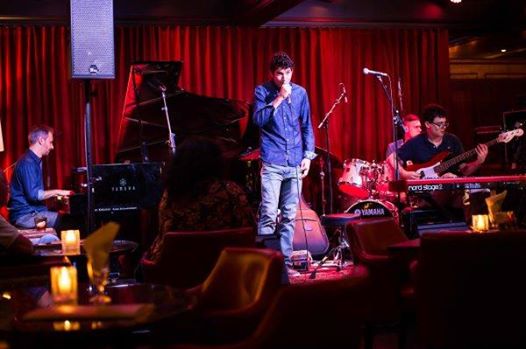
1459961_862670483754534_356142560921368328_nStéphanie-Aloysia Moretti The Academy is essentially aimed at aspiring jazz musicians on an international basis, but obviously we are happy to nurture Swiss young talent as much as we can. The exceptional singer/songwriter/guitarist Patrick Rouiller, (one of the star contestants on The Voice Switzerland 2013), was the only Swiss laureate selected for the Academy this year. However we were graced with some top Swiss musicians who took part in our live sessions in the evenings, among which vocalists Anna Aaron, Billie Bird, and pianist Léo Tardin – who was so enraptured with his jam session that he missed his train back to Geneva and ended up with all the other laureates back at the Waddilove centre. Léo, a Montreux solo piano prize winner himself, was blown away to see the high standard of practical teaching, backline equipment and tools on offer. “The best of the best in an informal setting” is how he described his time spent at the Academy.

What will the laureates take away with them? 

Stéphanie-Aloysia Moretti Firstly, all the laureates have said that the practical learning has been crucial: how to get a gig, consider yourself a brand, understand the workings of the music business, etc… They feel more confident to go into the world as a musician and handle their lives. No school normally talks about the practical side but now at last they know what to expect. Secondly, they’ve all mentioned the importance of experimentation and improvisation as a group. They have been stretched beyond what they thought were their capacities, forced to explore new territories and been made to find new ways of expressing their art.

How will the Montreux Jazz Academy be next year?

Stéphanie-Aloysia Moretti I could be a bit more audacious next year regarding styles of music from further afield than just the western world. Maybe bring in mentors from India or the Orient and see what new musical perspectives they could share with us, teach us to feel music more with our guts and less with our brains perhaps…? But for sure the goal will remain the same: to maximise self-expression, risk-taking in each young musician and to teach them the practical tools for succeeding in their music careers.

Le journal de Leo Tardin au Japon (dernier chapitre)

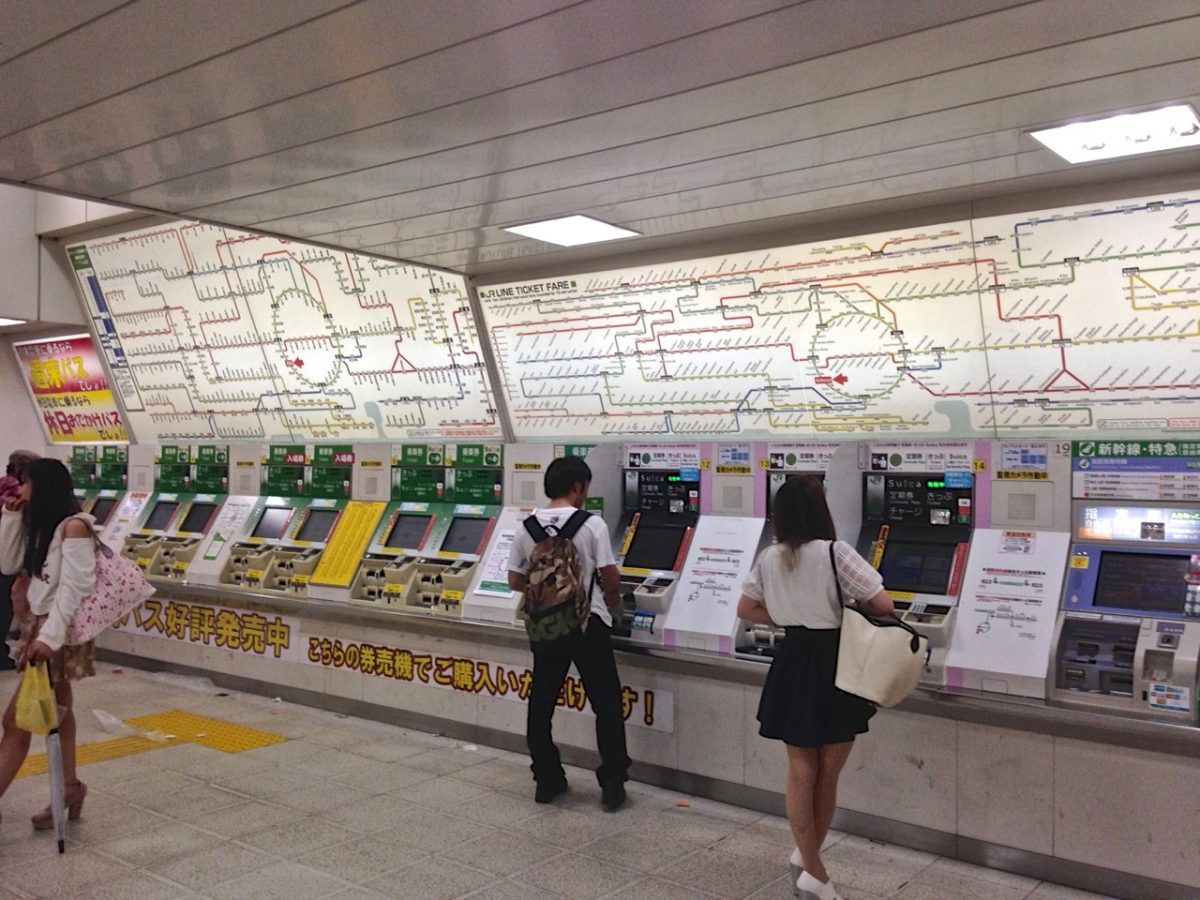
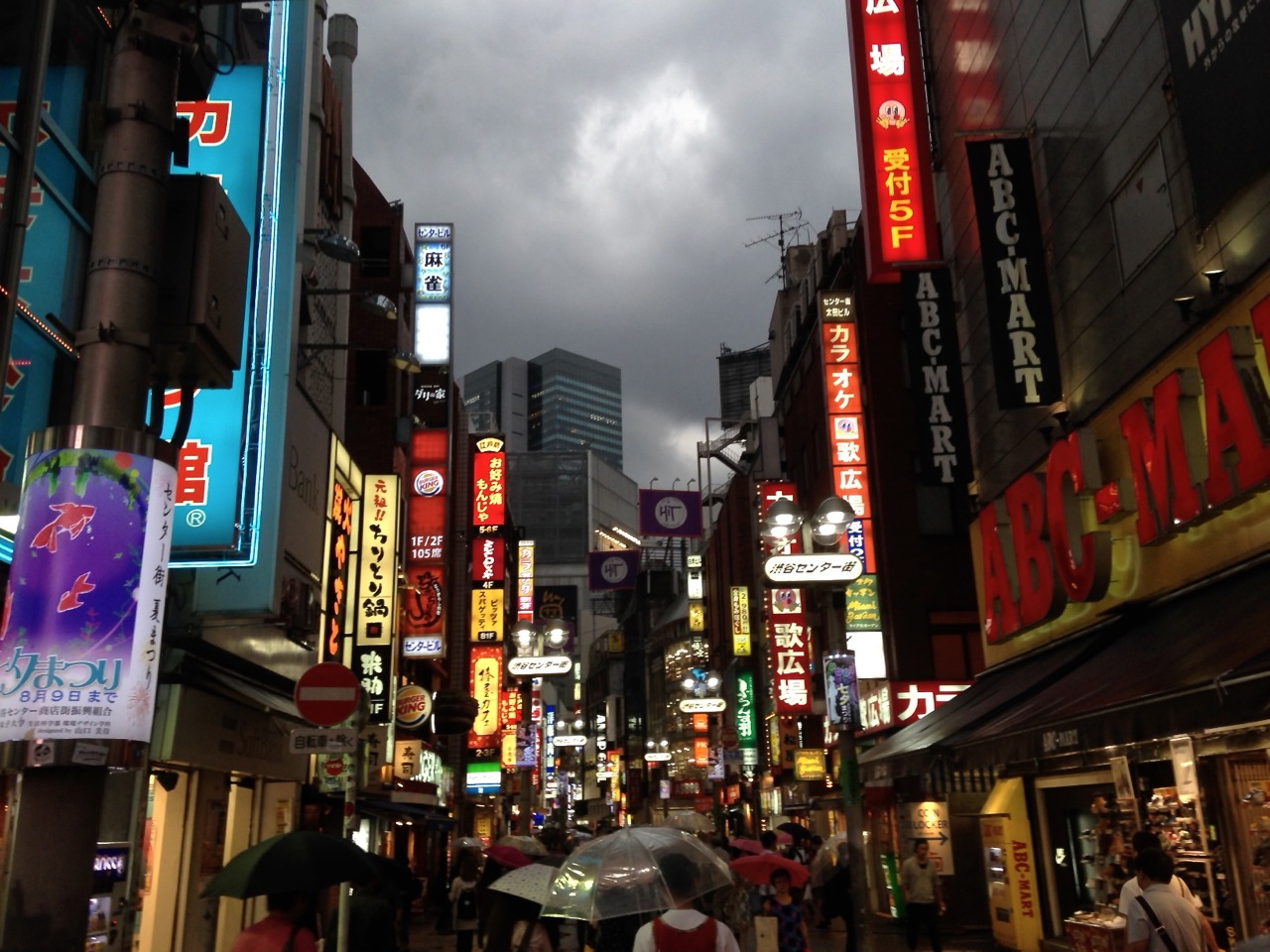
LeoTardin_Japon_last1Dernier jour à Tokyo avant un vol de 12 heures pour Zürich… Il pleut et la ville humide ressemble à un décor de Blade Runner sous ce ciel sombre et chargé, ce qui n’est pas sans charme d’ailleurs…
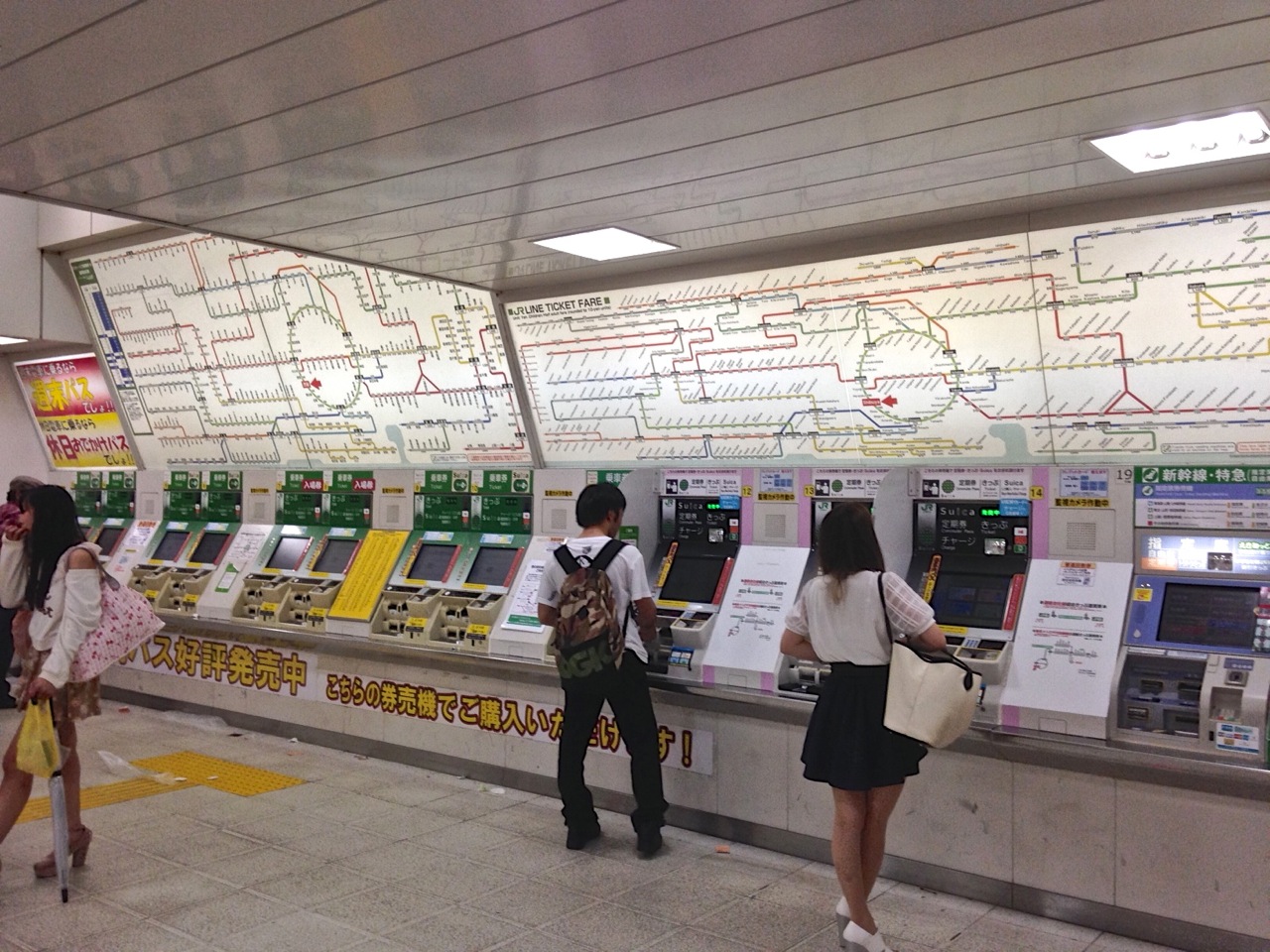
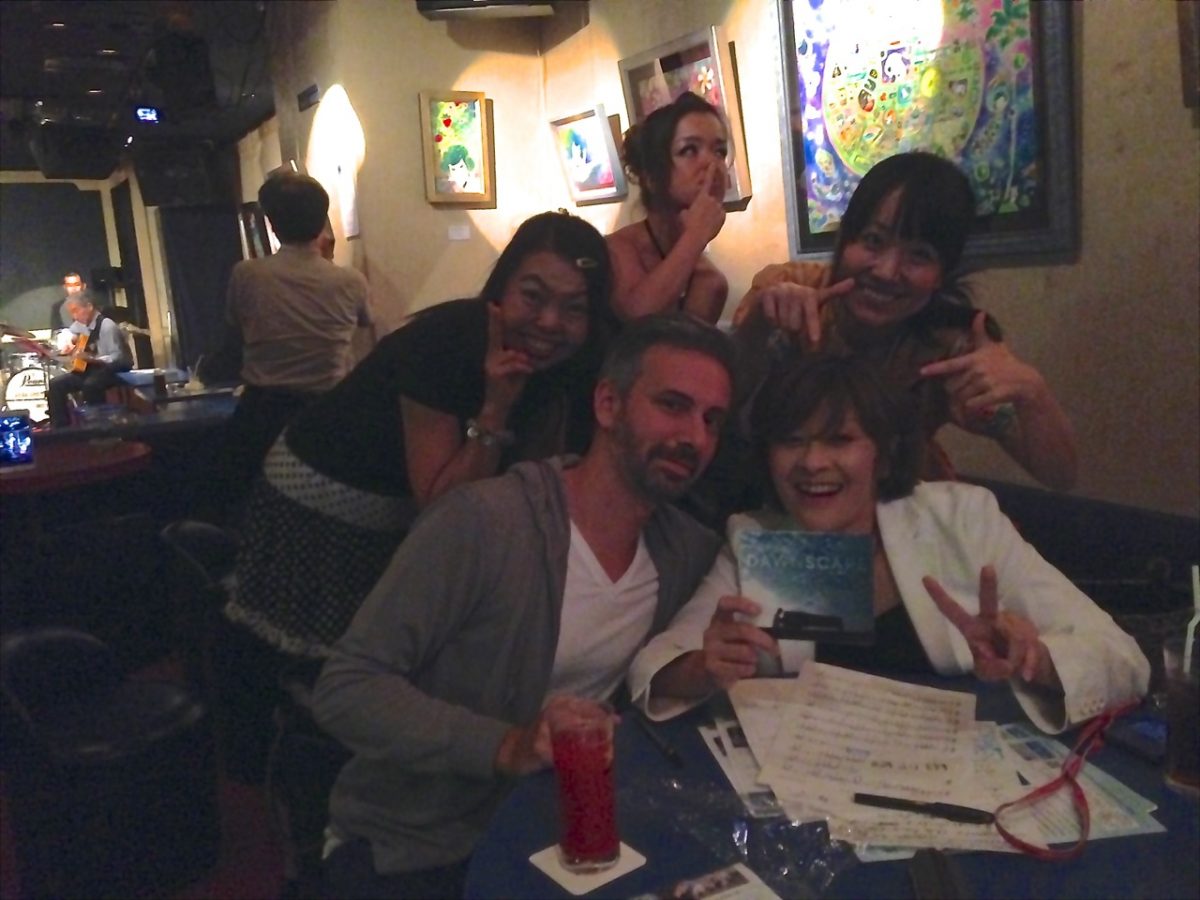
Le plan du métro a des allures de tableau de contrôle d’une centrale nucléaireLeoTardin_Japon_last2
Après une journée de visite dans le quartier de Shibuya je décide de rentrer à mon hôtel en métro aérien et constate que le plan du métro a des allures de tableau de contrôle d’une centrale nucléaire. Mais encore une fois grâce à la gentillesse et politesses des habitants je prends le chemin de mon hôtel sans trop de problèmes.
Quelques dernières impressions resteront, outre l’extrême courtoisie de habitants et la sophistication des WC (apparemment atomiques eux aussi, ou en tout cas très largement fournis en diverses options et boutons-poussoirs électroniques):
Les voitures ne font quasiment aucun bruit en roulant dans les rues (au trafic pourtant parfois intense), grâce à un revêtement spécial sur les routes.
Les Japonais sont FOUS de jazz
Dans les petites boutiques pas particulièrement spécilisées, c’est du jazz qui passe en boucle, même si les Japonais ne savent pas forcément que c’en est. Un des publics les plus respectueux, appréciatifs et enthousiastes que j’aie rencontré. Ce fut un très grand honneur  pour moi de jouer au Japon. Idem pour les journalistes qui m’ont posé des questions particulièrement pointues et bien informées.
Enfin,  inutile d’espérer avoir un “I don’t know” clair quand un interlocuteur n’est pas en mesure de répondre à une question posée e en anglais. Les Japonais préfèrent répéter très poliment ce que je viens de demander, jusqu’à l’absurde,… Ce qui n’est pas sans compliquer les choses par exemple lorsqu’on oublie des affaires dans ledit métro aérien et qu’on appelle les objets trouvés à la police de Shibuya…
Affaire (presque) classée!
Léo

Le Journal de Leo Tardin au Japon (chapitre 4)

Aujourd’hui c’est dans un club plus traditionnel que j’attaque un concert en piano solo, toujours à Tokyo.
A mon grand étonnement un groupe monte sur scène après mon set, brandissant de grandes images de chiens et chats.
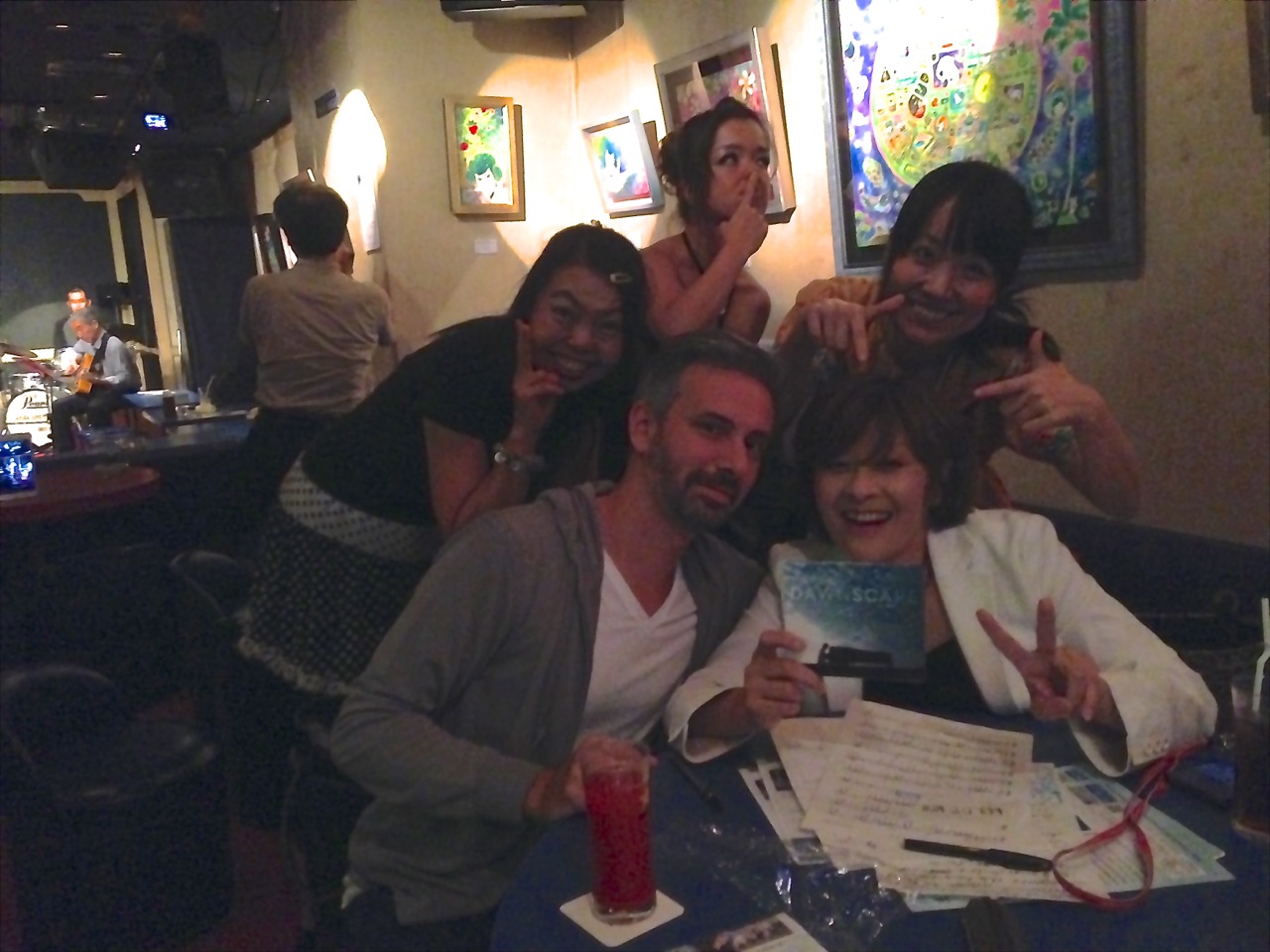
LeoTardin_Japan_Day4Il s’agit d’un groupe de militants pour les droits des animaux, qui chantent un morceau pour diffuser leur message, avant de céder leur place au band prévu dans le programme. La marraine / instigatrice de cette fondation se révèle être la CEO d’une grande entreprise japonaise de sodas et bières au citron, présente ce soir-là dans le club pour soutenir les troupes, et proche du patron de l’établissement. Nous sympathisons après mon set et échangeons nos contacts. Elle semble beaucoup apprécier l’album Dawnscape
Qui sait, peut-être bientôt une track de Dawnscape pour le prochain spot commercial de cette fameuse bière au citron? (testée et approuvée!)
Affaire à suivre…
Léo

Le journal de Leo Tardin au Japon (chapitre 3)

LeoTardin_Japan_Day2_1Equipe technique au taquet, magnifique piano Rhodes, public au rendez-vous et très démonstratif: notre premier concert Grand Pianoramax au Japon, dans le cadre du Tokyo Jazz Festival fut un beau succès! Egalement belles ventes de CDs au stand Tower Records Japon, avec un petit pincement au cœur en souvenir de ce disquaire maintenant  défunt aux USA, qui avait marqué mes années d’étudiant à New York lorsque je passais des heures à creuser dans leurs bacs.

Un piano imparfait, qui me pousse à jouer plus sauvagement…
©Maiko Hanawa
©Maiko Hanawa

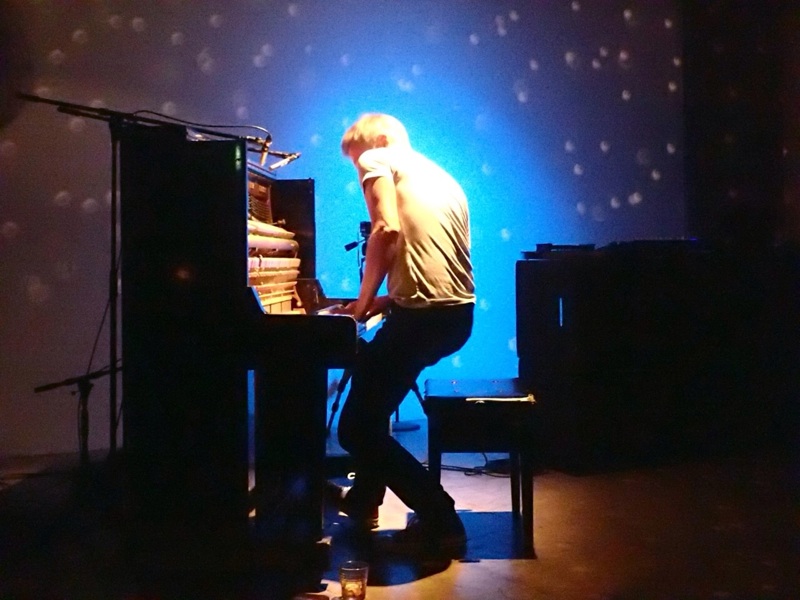
Le lendemain c’est en piano solo que je me produit pour présenter mon projet Dawnscape au Japon, au très branché club SuperDeluxe. L’excellent Dimlite se produit en deuxième partie de soirée. Ambiance intimiste, public également au rendez-vous et attentif, piano “charmant” et imparfait, qui me pousse à jouer beaucoup plus sauvagement que d’habitude. Video coming soon, stay tuned!

Demain sera un jour (presque) off à Tokyo.
Affaire à suivre…
Léo

Le journal de Léo Tardin au Japon (chapitre 2)

LeoTardin_Japan_Day1_1Bonjour,

Le band est bien arrivé à Tokyo, et après avoir déposé nos valises à l’hôtel c’est déjà l’heure des premiers suhsis. Il est 11h30 du matin…
Premières impressions de la ville: très chic (et cher)!
Tout le monde est très classe dans la rue, les passants ont un petit air qui me rappelle les fashion & design students de la Parsons quand j’étais à la New School à New York.
Tous sont très courtois et gentils, et, pour tordre le cou à une première idée reçue, je les trouve démonstratifs et souriants! Pas du tout les visages impassibles auxquels on pourrait s’attendre.
Après la sieste de rigueur (vol direct de 11h depuis Zürich) et une rencontre avec un représentant de l’ambassade suisse au Japon, direction Shybuia où nous déambulons dans des rues pleines de monde, lumières, magasins très tendances et petites échoppes au détour de ruelles moins en vue.
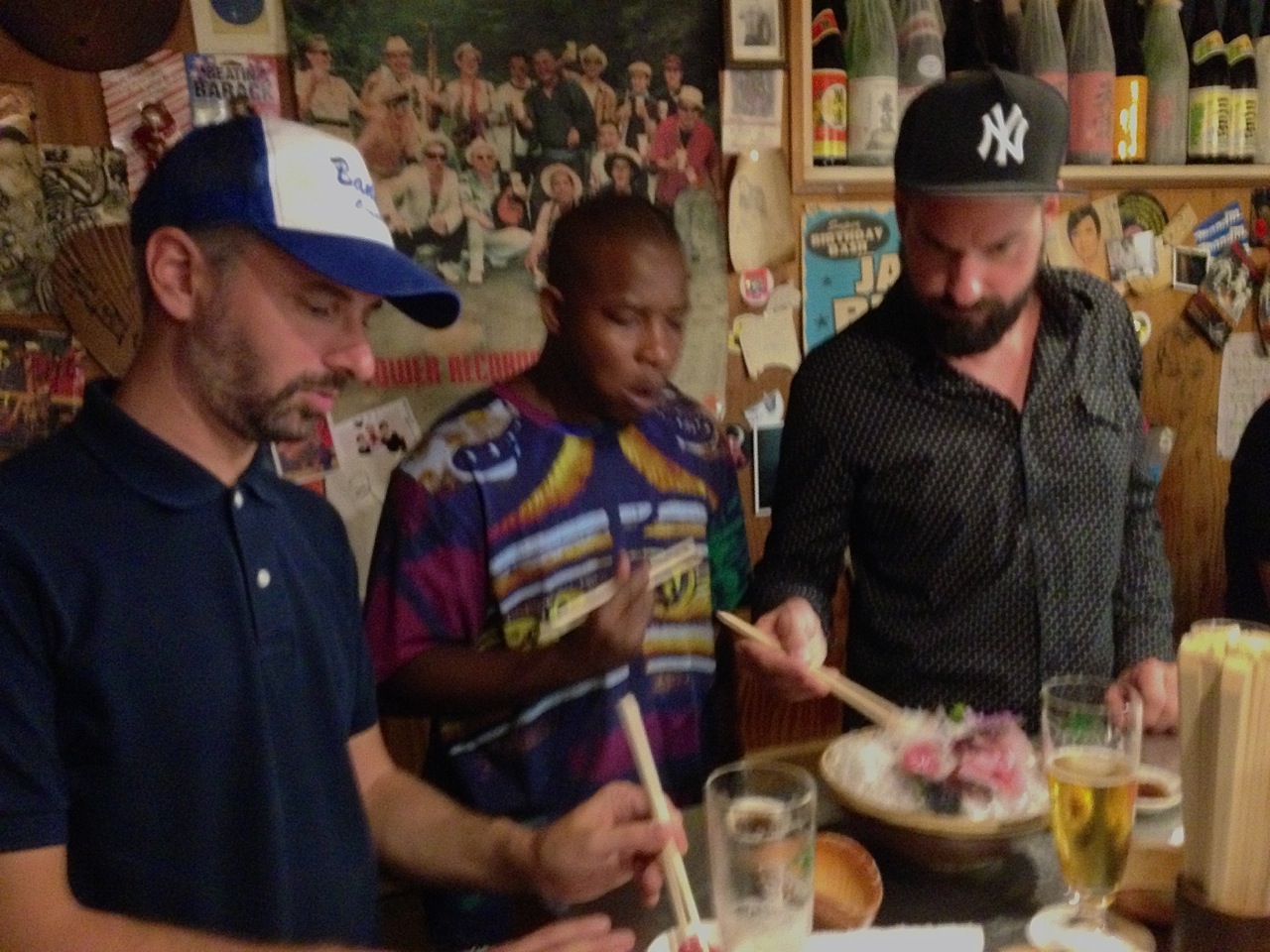
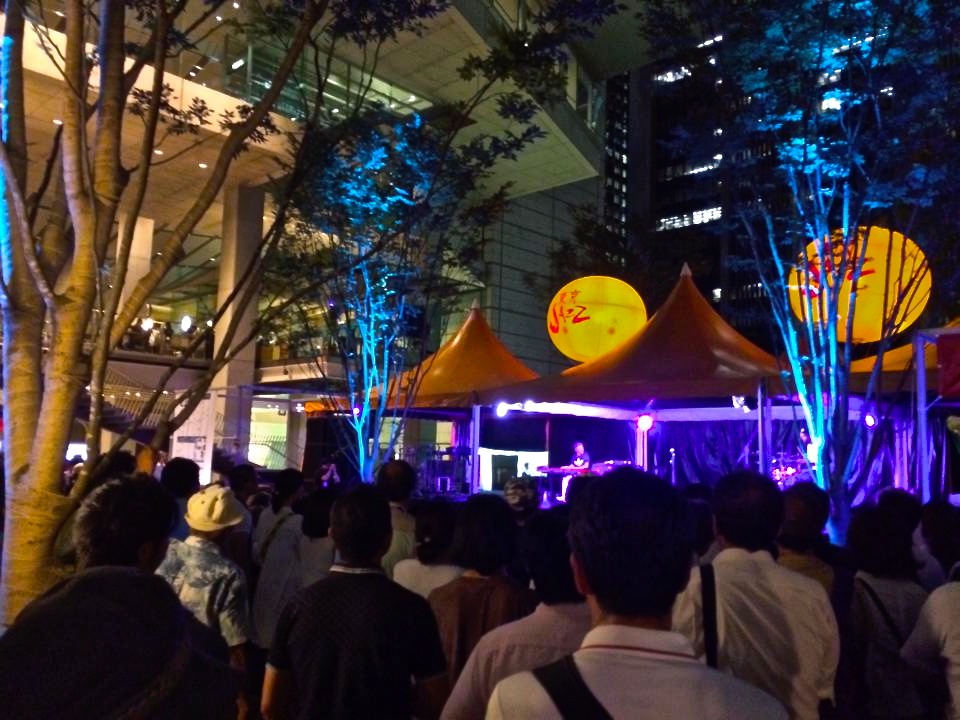
On y sympathise avec un habitant rencontré au hasard d’une bière dans un bar. Il nous emmène dans un petit resto typique absolument incroyable, où nous faisons exploser nos per-diems en délices culinaires variés (photo 2). Ce type se révèle être un fin connaisseur de musique et travaille au Stock Exchange la journée…
LeoTardin_Japan_Day1_2Demain aura lieu notre premier concert avec Grand Pianoramax au Japon (Tokyo Jazz Festival).
Affaire à suivre…

Le journal de Leo Tardin au Japon (chapitre 1)

Reçu dans la boîte mail de Swiss Vibes ce matin cette courte missive de Léo Tardin. Il nous en promet d’autres tout au long de son périple japonais. Affaire à suivre!

Bonjour Swissvibes,

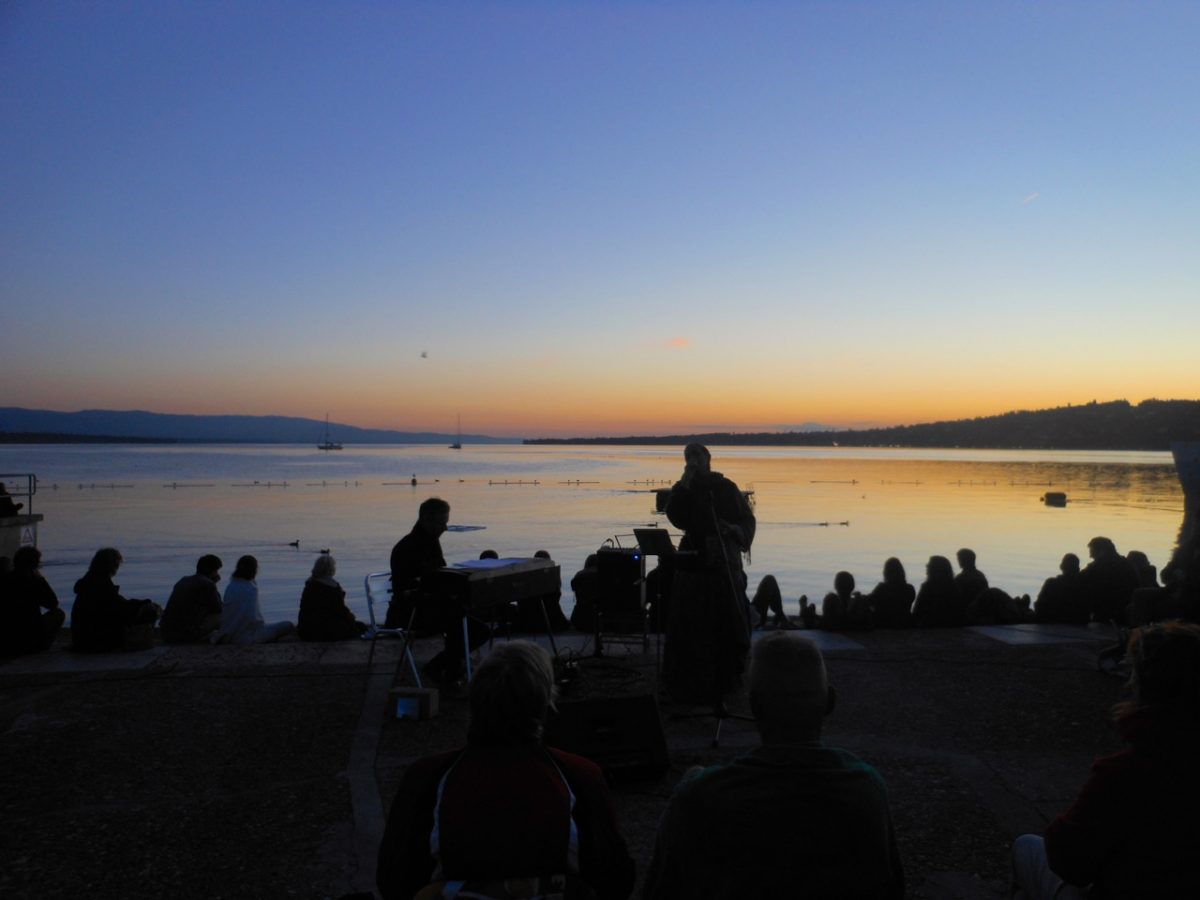
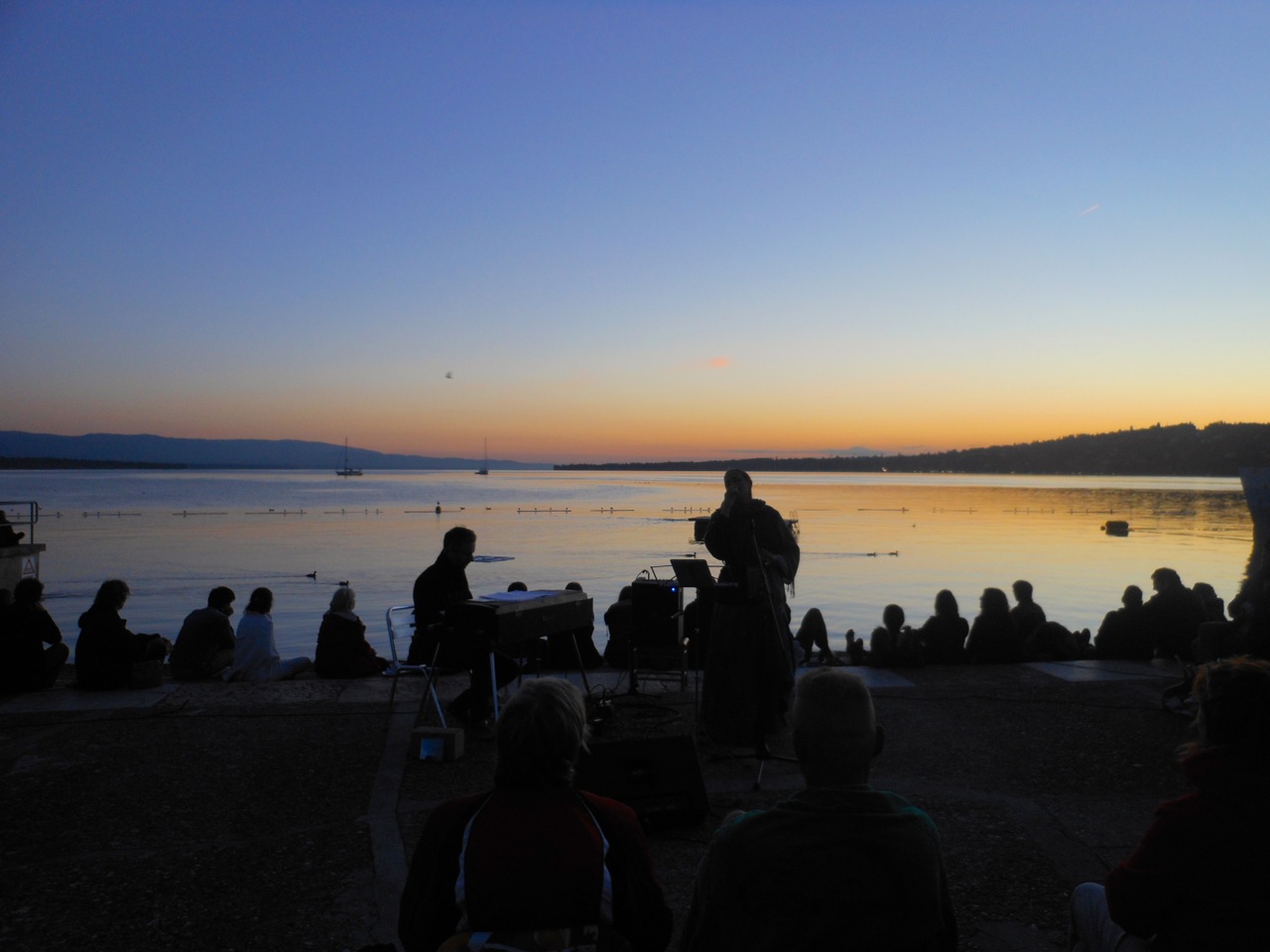
Concert _Aubes_MusicalesAprès un concert magique au lever du soleil aux Bains des Pâquis en duo avec la chanteuse lisboète Paula Oliveira il y a quelques jours (photo ci-dessous), je m’apprête à m’envoler pour le Japon pour quelques concerts:

Piano solo (projet Dawnscape) au All Of Me ce dimanche 6 sept, au SuperDeluxe ce dimanche 7 sept. et au Jazz Spot lundi 8 sept:

Cap ensuite sur Istanbul pour deux concerts avec le percussionniste Burhan Öçal les 20 et 21 septembre (Grand Pianoramax + duo avec Burhan).
 
De retour en Suisse, place enfin à une brève tournée piano solo pour soutenir l’album Dawnscape récemment sorti (co-prod. Montreux Jazz Artists Foundation, distrib: Irascible) dont voici les dates:
 
24 septembre: Eisenwerk, Frauenfeld 
6 octobre: Meet Art: rencontre / discussion CEC Emilie Gourd, Genève 
11 octobre (après-midi): masterclass EJMA, Lausanne (festival Jazz Contreband)
11 octobre (soir): Ferme Asile, Sion (festival Jazz Contreband)
14 octobre: Rolex Learning Center, EPFL, Lausanne
25 octobre: Sud des Alpes, Genève (festival Jazz Contreband)
 
Excellente rentrée à toutes et tous!
Léo

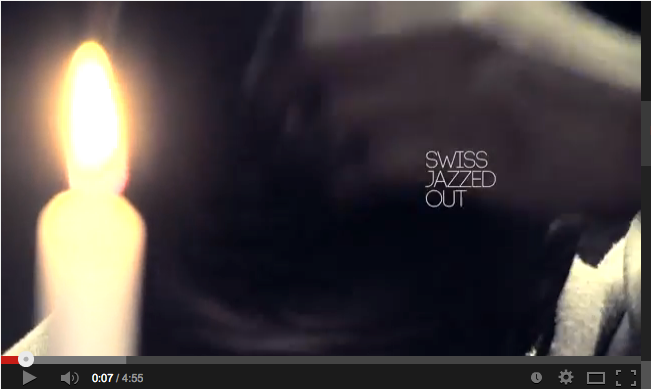
Swiss Jazzed Out: Grand Pianoramax à la bougie

Swiss_Jazzed_Out__Grand_Pianoramax_-_YouTubeMathieu Mastin, concepteur et réalisateur de la série de mini-documentaires Jazzed Out a posé ses valises en Suisse pour y orchestrer des sessions live improvisées.
Swiss Vibes vous propose de (re)découvrir ces quelques minutes de musique hors norme tout au long de l’été.

A Lausanne,  dans les anciennes écuries de Mont-Repos (Lausanne comptait près de 1000 chevaux il y a siècle seulement), Grand Pianoramax, le plus électronique des combos de jazz helvétique joue acoustique et aux chandelles!

Leo Tardin: Mr Gemini, the man with two personalities

IMG_1043

In the run up to his performance at Chateau de Chillon for Montreux Jazz on 13th July, Leo Tardin talks about his live project with Turkish percussionist Burhan Oçal, his latest solo LP Dawnscape and his band Grand Pianoramax   

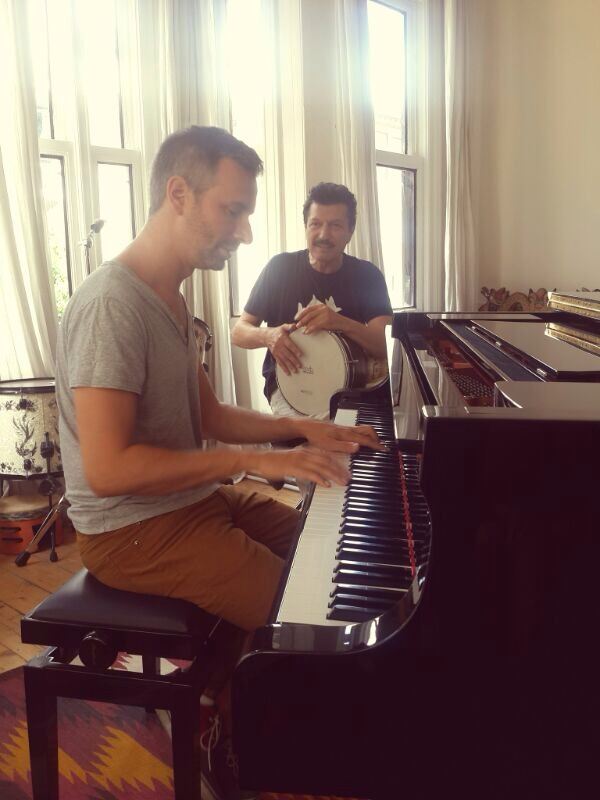
Leo Tardin I got introduced to Burhan Oçal by the drummer of Grand Pianoramax, Dom Burkhalter, who’s a good friend of his. Burhan had been trying to get the band to play with him in Istanbul and we finally managed to organise it this time last year, so that’s how I first met him. Apart from being an amazing percussionist, he’s also an actor who often plays the villain in Turkish B movies. He’s a real character, full of mad stories, really quite unique. After the gig, the Montreux Jazz organisers and producers of Dawnscape heard that we’d played with him in Turkey and asked if we’d like to perform togther in Switzerland. It’s actually very similar to the early stages of Grand Pianoramx where it was only piano and percussion. It’s pretty easy to integrate percussion with piano because you can look at the piano as a percussion instrument that can afford space and freedom.

How does your album lend itself to being played in a duo format?

Leo Tardin Let’s see! We’re going to try this out in Istanbul for the first time. I know Burhan often plays as a duo with other pianists, sometimes even classical, I’m sure he’s going to blend in pretty easily into my music because it’s fairly rhythmical. There will be pieces where it’s only going to be me or bits with just him, then we’ll meet together on some others. I’m very flexible and confident that it will be a success.

Has the Dawnscape album done what you wanted it to do?

Leo Tardin It’s too early to reflect on this but it has definitely opened a lot of doors. One of the reasons for this is that it’s very flexible and light compared to a band that needs a lot of equipment, sound system, backline, hotel rooms and plane tickets. With Dawnscape live gigs can be organised fast and easily. This kind of freedom and flexibility is one of the great things about this project. Also the fact that this LP was co-produced by Montreux Jazz is helping a lot. It’s bringing a lot of credibility and making people take this project seriously. This is a very new project that needs to be established after having made a name for myself with Grand Pianoramax.


Leo Tardin
Leo Tardin
What was the reaction to you bringing out this new solo project that’s so different from Grand Pianoramax?

Leo Tardin It took a while for people around me to accept this, not just the other band members who worried that it might signify me wanting to deprioritise the group, but also the music journalists. I was surprised by the press’s reaction, it was at times very extreme – they either loved it or hated it. The music in this solo project is less radical than with Grand Pianoramax, but the reaction to the music has been more radical.  I feel that the journalists were comfortable to put me in a box as the piano guy who does hip hop, so when I came out with this romantic, dreamy, poetic stuff they were confused. Not all of them appreciated or understood the move. I was pleased when a few realised that it was something that took guts to do. But I’m happier this way because there are some things I can finally do with my solo project that I couldn’t do with the group, so I’m more relaxed in the context of the group and it brings a better vibe to GP as well.

When and what might we expect from Grand Pianoramax in the imminent future?

Leo Tardin We’re going to play the Paléo Festival, followed by Cosmojazz which is a really nice festival in Chamonix, open air at the foot of a dam. Then on the days off we’re going to work on some new music, a new EP that should be out in the first half of next year. The last LP, “Till There’s Nothing Left”, only came out a year and a half ago so it still has a bit of life in it, but we’re already working on new music and this has helped my band members realise that GP is as much a priority as my solo piano project.

 You are known as being a very polyvalent musician with different styles and projects. Do you agree?

Leo Tardin I’m not really doing so many different things, I’m just doing two VERY different things. but that’s about it. I think it has to do with my slightly schizophrenic personality. I can’t find one just project that covers the full spectrum of what touches me and the emotions I feel. That’s why I have these 2 very different projects. If you listen carefully you can hear some of my solo project in GP in some of the very emotional epic pieces, and little bits of GP in my solo project. I felt limited just sticking to one project, but I’d say that I’m more dual than polyvalent.

 Do you consider yourself a jazz pianist?

Leo Tardin That’s tricky. Calling me a ‘jazz pianist’ is a bit reductive and with GP we’re trying to get away from the jazz tag. We rarely play at any jazz festivals, (last year we played mostly rock festivals!) Jazz is where I came from but I don’t know how relevant it is today to what I do. When people ask me if I’m part of the Swiss jazz scene, I say I’m part of a group of musicians who are making noise and have some visibility outside of Switzerland, so in that regard I’m part of the Swiss music scene. The solo project has a few jazz overtones, but it’s far more influenced by classical, ambient and crossover music.  It could be the soundtrack to a movie. I want people to be inspired and travel in their minds when they listen to it. A lot of the pieces are very simple but with a rich emotional content that can reach people. Sometimes I find that jazz musicians are a little bit too focussed on what they can do with their instrument and rather than what they can make the audience feel.

Dawnscape is a co-production with the Fondation Montreux Jazz 2 & Balik Studios
Physical distribution by Irascible www.irascible.ch

Live dates:

13th July: Montreux Jazz Festival, duo w/ Burhan Öçal, performing Dawnscape: http://www.montreuxjazzfestival.com/fr/artist/leo-tardin
24th July: Paléo Nyon Festival w/ Grand Pianoramaxhttp://yeah.paleo.ch/fr/artist/grand-pianoramax
27th July: Cosmojazz Festival w/ Grand Pianoramaxhttp://cosmojazzfestival.com/fr/programme/artistes/grand-pianoramax
Autumn Swiss solo tour:
24th Sept: Eisenwerk, Frauenfeld
6th Oct: open lecture with students from CEC Emilie Gourd, Genève
11th Oct: Workshop EJMA, Lausanne
11th Oct: Ferme Asile, Sion
14th Oct: Rolex Learning Center, EPFL, Lausanne
25th Oct: AMR, Genève