Swiss artists @EFG London Jazz Festival 2015

EFG_London Jazz logoThe EFG London Jazz Festival is a big annual affair running for ten days in the middle of November. This year Swiss and Swiss-based artists, represented by Nik Bärtsch’s Ronin and Mobile, Elina Duni, Samuel Blaser, Basel Rajoub, Marc Perrenoud, Christophe Fellay and the Russian/Swiss collaboration, Jazzator, had well-attended gigs (two were sold out). Phew. Clashing with big-name artists, and the overwhelming number of events can be an issue at such festivals.
The UK can be a tough and weird market

Consider this list of musicians – you couldn’t get a more diverse bunch. There isn’t a Swiss sound like there was a Norwegian one, but the artists are building individual reputations via their quality. The UK can be a tough and weird market, but when people hear something they like they will always give a warm and enthusiastic response.

Nik Bärtsch has a definite fanbase and had a two-day residency at King’s Place as part of the Minimalism Unwrapped season with Mobile Extended and Ronin Rhythm Clan. I saw the latter on the opening night of the festival with an added 3-part brass section and guitarist Manuel Troller, whose sensitive but spirited playing made him a natural part of the clan. I first heard Ronin two years ago in the same hall. I was entranced by their intense yet grooving sound and still am.

You live for such moments with Ronin
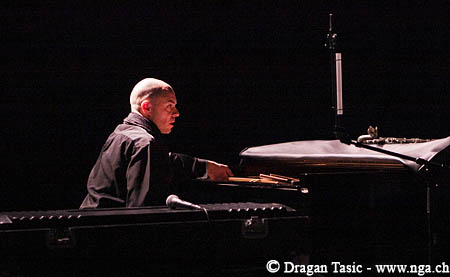
nik_baertschs_feat_roninThere were the sparkles of Nik’s compelling piano work and superior conversations between the Ronin members whilst other phases had the extended band heading into an alt-funk fest with James Brown’s spirit shimmying around the room (well, almost). But ‘Modul 32’ was the highlight for me: Kaspar Rast played a small shaker – no fuss, just simple but killer in its repetition, and clever in the textural canvas it gave saxophonist, Sha, and Manuel on which to paint subtle but deeply personal musical thoughts. You live for such moments with Ronin.

He can evoke memories of J. J. Johnson
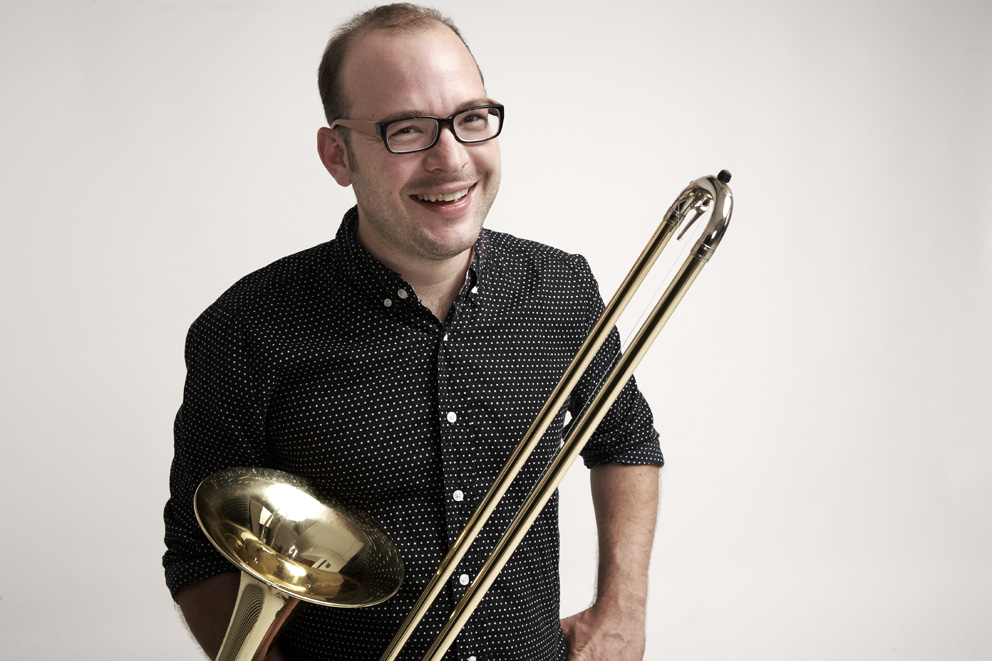
©Alex TroeschThe small, shabby Club Inégales is in the bowels of an office building but was set aglow by the quality of the musicians in Samuel Blaser‘s quartet. I’ve already waxed lyrical about the wisdom of pianist Russ Lossing’s playing on Spring Rain, Blaser’s tribute to Jimmy Guiffre. He approaches music as an horizon, it’s not about him, but the entire landscape. I love his touch. Equally fine are bassist Masatoshi Kamaguchi and legendary Gerry Hemingway. A key drummer on the avant garde circuit he caresses and cajoles rhythm out of his kit, able to be economical yet inventive. I particularly like Blaser when he drawls his sound as if part of a deep South funeral march, his soulfulness peeping through. He can evoke memories of J. J. Johnson then veer off elsewhere. It was a promising show cut short by the venue’s format of a final set improvising with the house band.


marc_perrenoud_feat_marc_perrenoud_trio

Luckily I’d got to hear the crisp interplay between this quartet at Adventures in Sound, a feast of music recorded for BBC Radio’s Jazz on 3 programme earlier that day. Each of them also improvised with renowned UK artists such as John Edwards (bass) and rising keyboardist, Elliott Galvin (in photo). Unfortunately it meant I missed Marc Perrenoud‘s set as part of ‘Seriously Talented’ – an afternoon of musicians that had been on Serious’ Take Five course. The Clore Ballroom of the Royal Festival Hall was packed and I heard that Marc’s joyful and bonded trio were an uplifting addition to the line up.

Elina’s expression taps into our universal goosebumps

Elina Duni Quartet Elina Duni Quartet are equally notable and their Dallëndyshe album had good reviews, one in The Guardian. Live, Norbert Pfammatter stands out as a sublime drummer. His pulse-like work encourages a sensual interplay between vocals and rhythm. There is an almost mantra-like progression as Elina leads us through the emotive themes of Albanian folk songs. Lyrics such as, “My dear boy in front of the flag oh, my heart’s engulfed in worrisome flames,” (from ‘Me on a Hill, You on a Hill’) feel horribly relevant and even if they weren’t Elina’s expression taps into our universal goosebumps. At first her tone seems warm and smooth, but then a quiver or cry renders me helplessly emotional.

Colin Vallon is simply captivating, and fierce too, making his mark. Along with new, fearless bassist, Lukas Traxel, they stand their ground at the side of Elina’s power. I like the brave move the quartet made of paying great respect to the Albanian folk tradition whilst interlacing it with a form of ethereal jazz. It left the audience spellbound.

richmixbaselrajoubnov15_26It was a similar story for another Swiss émigré. The concert of Basel Rajoub‘s Soriana (‘Our Syria’) was the evening after the Paris attacks and as the review Classical Source expressed, it could not have made for a more eloquent night of music. Made so by the skill and personality of Basel in a magical alchemy with the type of welcoming audiences that can be found in London.


 A unique view of free music

Jazzator2_M&FNov2015Finally, Jazzator are a Russian/Swiss quartet with quirky intentions conveyed with talent. I particularly liked saxophonist Oleg Mariakhin who delicately integrated himself with the vivid vocals of Marina Sobyanina. I sensed underlying eastern folk traditions that had been pulled apart leaving ragged edges and broken threads. Drummer Sergey Balashov on drums and bass player Maximilian Grossenbacher provided an ear-pricking rhythm section, and together Jazzator offered a unique view of free music. One UK reviewer declared them a highlight of the festival.
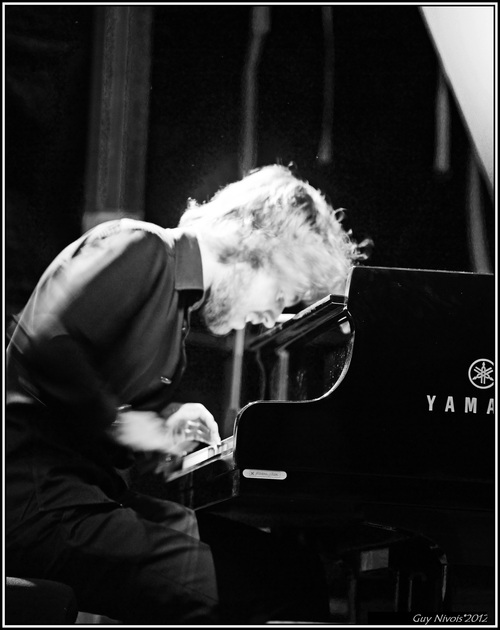
 

Bonne nouvelle : les bons pianistes romands se mutiplient!

Malcolm Braff et ses microrythmes, Michel Wintsch et son piano global, habité de sons annexes, Colin Vallon en trio ou en collaboration avec Nicolas Masson (Parallels) et Elina Duni, Marc Perrenoud et son power trio en perpétuelle ébullition, Leo Tardin maître des cérémonies de son grand Pianoramax, Johann Bourquenez, tête pensante de Plaistow (sans oublier le Fribourgeois Florian Favre et d’autres plus jeunes) : le pianistes romands sont légion. D’eux d’entre eux se disputaient les faveurs du public samedi soir au Festival Jazz Onze +.

SONY DSC
SONY DSC

Gauthier Toux n’est pas Suisse, mais presque! Français, il a fait ses classes à la HEMU de Lausanne. En combo avec le batteur un brin énervé, Maxence Sibille (un autre Français de Lausanne) et le contrebassiste danois Kenneth Dahl Knudsen, Gauthier Toux jongle entre Fender Rhodes et piano. Il faut dire que le pianiste a beaucoup de choses à dire, beaucoup de territoires musicaux à défricher. Gautier Toux a ici le doigté classique, là un penchant pour l’improvisation jazz, Son trio est traversé par le feu du funk, par l’énergie du hip hop. Il surprend aussi en flirtant avec des rythmiques empruntées aux musiques de danse ou au rock. Avouant avoir été être influencé par Jason Moran ou Eric Legnini, le Gautier Toux trio séduit par son énergie jubilatoire et communicative et sa palette de sons variées. Il faut pourtant s’échapper après 40 minutes de concert : direction la salle Paderewski où Gabriel Zufferey s’illustre lui en solo. Et un concert solo ça se déguste de bout en bout!

“La musique donne une âme à nos cœurs et des ailes à la pensée

©Mehdi Benkler
©Mehdi Benkler

Gabriel Zufferey n’hésite pas à citer Platon sur son site Internet pour proclamer haut et fort son credo: une vision transcendante de la musique et un esprit vif toujours sur le qui-vive.  Samedi soir, le pianiste romand a choisi de placer sa performance sous le haut patronage de Bill Evans auquel il consacre son morceau d’ouverture et de clôture. Depuis qu’il a quinze ans, Gabriel Zufferey est considéré comme le petit génie du piano de ce côté-ci du la Léman. Désormais trentenaire, Zufferey n’est plus seulement un phénomène: il allie aujourd’hui à son intuition, une maturité et une dextérité toujours aiguisée. Couché sur son piano, on ne sait pas vraiment qui de ses doigts, de sa tête ou de son cœur contrôle la performance. Gabriel Zufferey peut caler sa main droite sur boucle rythmique de trois notes jusqu’à friser la saturation pendant que sa main gauche tourne autour de ce trinôme, semble parfois vouloir s’échapper pour de bon, mais n’y parvient jamais. Avec un petit air de professeur Tournesol, Gabriel Zufferey est un personnage et un artiste à la fois. Parfois drôle, parfois lunaire, il est capable d’évoquer  Satie, l’anniversaire de son amie et de jouer avec l’alphabet pour dire que le plus important est que sa musique vient du cœur. Gabriel Zufferey officie aussi dans un trio, Paralog, non moins libertaire, dont le nom  vient du grec paralogos qui signifie absurde…


Marc Perrenoud Talks on the Eve of his US Tour

2014 has been a good year for Marc Perrenoud and his trio of Cyril Regamey on drums and Marco Müller on double bass. They’ve toured China, Taiwan, Europe and are off to the US this month to play five cities and cover about 20,000 kilometres of American soil.

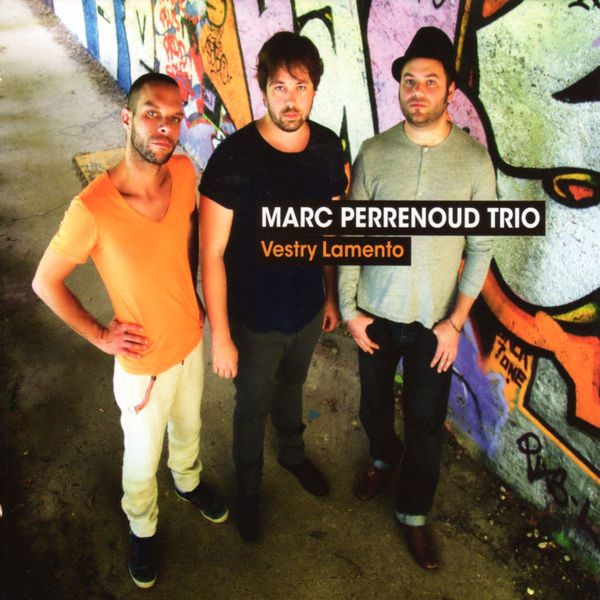
The gigs have followed their well-received third album, Vestry Lamento (released October 2013-April ’14). Frank Alkyer of Downbeat magazine crucially wrote, ‘Would someone please book this band for a tour of the States? We want to see them live!’


MarcPerrenoudUSAI spoke to Marc Perrenoud about his feelings on the eve of the trio’s US tour.
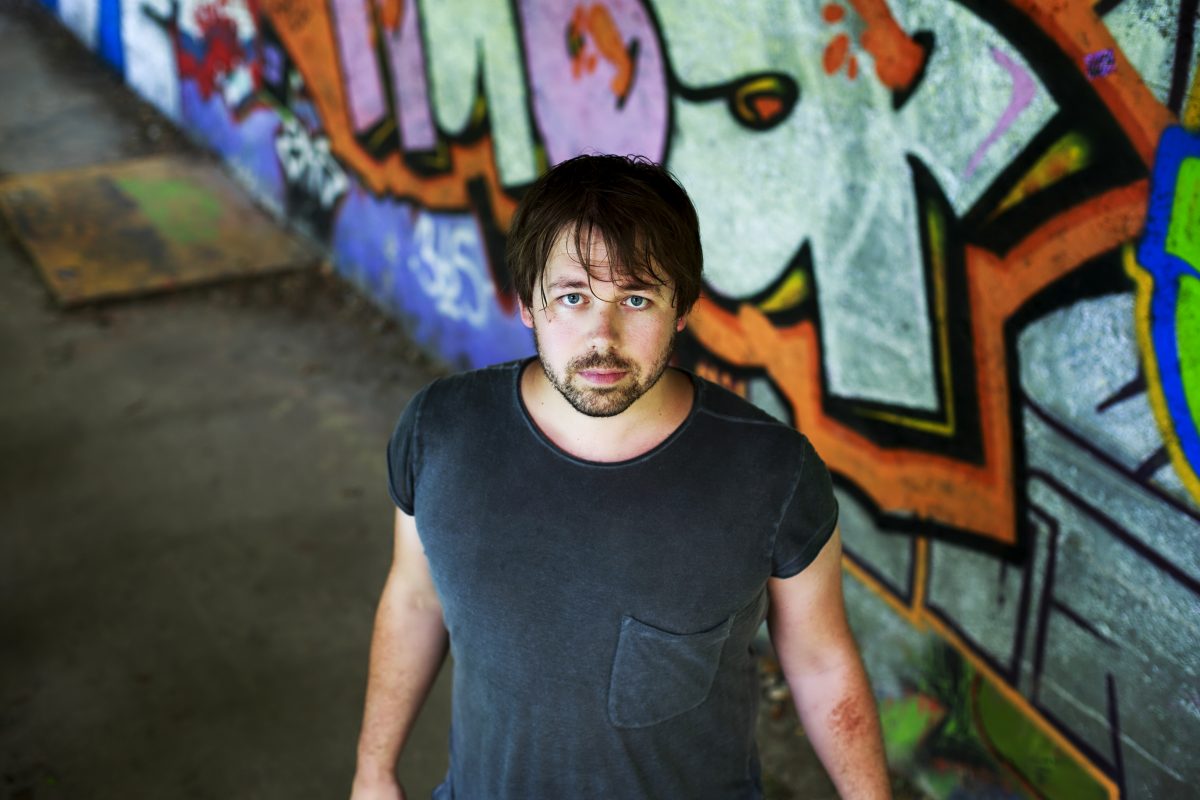
Marc Perrenoud I’m very excited. US people are very open, I’m not nervous, I just feel pleasure to go there…Playing in New York is always a big thing, but I am very excited to discover New Orleans, it must be an incredible place…and it’s the birthplace of jazz. There’s so much music there and I’m really looking forward to that, to ‘feeling’ Louisiana.

Sometimes it can be hard to be from a little country but sometimes it makes you more curious…you have to be because we have to leave Switzerland and that’s very stimulating. I am very honoured that these guys invited me, a Swiss guy, to play jazz there – it’s crazy. It’s so cool.

Do you think Vestry Lamento was particularly suitable for US audiences?

Marc Perrenoud There is a very big difference between Two Churches [his previous album] and this one. I was a little bit, not bored, but tired of the top, classical jazz, European style…so I tried to think about what I love about this music – and that is American jazz from the ’60s and even earlier. I tried to put some musical ideas like the energy and the swing style into this CD but with my European culture too, to make a mix of these two cultures.

In this album I was more confident in my partners. I was a control freak before, so I had an idea and would be like – you have to play that and that. Now the ideas are more precise and I can give more liberty to the musicians…It gave more pleasure and more energy to the drummer and bass-player and they had more fun playing because their ideas are in there too. It really grew together.

When will you work on a new album and what direction will it take?

Marc Perrenoud When we finish the US tour we are working for the month of December on the new repertoire and the new trio CD for 2015. I think recording will take place in February or March. After the US we’ll be full of ideas, I think it will be a good moment to write new things. We had a very exciting year, but it will be good to calm down and write.

The direction: you can never say exactly what it is, but I am sure about the manner with which to work and write together with the trio – it will be the same way and same kind of energy as with Vestry Lamento.

With the new album I will try to have a longer release time to focus on a new country every month with good PR. It’s good to have big festivals [to play] but it’s always important to meet people in smaller clubs. At Ronnie Scott’s we jammed til 3.30am…it was nice to meet the London jazz scene and have a real bebop jam session. Then I went straight to the Gatwick Express at 5am [to get to the airport – proper jazz stylee].

What have you found inspiring recently?

Marc Perrenoud I try to often go to concerts but also to theatre – I saw a very good theatre piece of Dostoyevsky, I go to opera, rock, jazz concerts. It’s very important to me to go to live music and performance. I’ve seen Roy Hargrove, a cool concert of Brad Mehldau solo and Joe Lovano.

I have a project next year with actors, poetry and music – trying to make something new. I think jazz is made from these things, we need improvisation in jazz and to do that we need to look everywhere. It’s why it’s unstable and moving because we have to continually find ideas and, sure, other arts are very inspiring.

18/11 Somethin Jazz Club, New York
20/11 Snug Harbor, New Orleans, Louisiana
21/11 The Jazz Station, Eugene, Oregon
23/11 Upstairs at Vitello’s, Los Angeles, California
24/11 Lobero Theatre, Santa Barbara, California

Montreux Jazz Festival: l’art du solo

Le batteur Julian Sartorius et le pianiste Marc Perrenoud confronteront leur art du solo au Château de Chillon le 11 juillet. Tous deux ont accepté de livrer à  Swiss Vibes quelques-uns de leurs secrets de fabrication.
@Reto Camenisch
@Reto Camenisch

Pour le plus grand malheur de ses parents et pour le plus grand bonheur de nos oreilles, Julian Sartorius a la fâcheuse habitude de taper sur tout ce qui l’entoure depuis qu’il est en âge de marcher. Quelque trente ans plus tard, il a fait de cette pulsion profonde son fonds de commerce. Pendant toute une année, il s’est astreint à la délicate mission de réaliser un beat par jour où qu’il soit. D’abord publié sur son blog, son « beat diary » est sorti l’an dernier sous la forme de 12 vinyles accompagnés d’un livre de photos. Depuis l’homme à la batterie écume les scènes les plus diverses. Il joue au milieu du public au Festival Onze plus, tape sur les murs du Musée Rietberg lors de l’inauguration d’un nouveau pavillon et se risque sur la grande scène du Cully Jazz Festival.

 « Le plus important c’est l’espace »

Le 11 juillet prochain, il investira un haut lieu historique, le Château de Chillon, dans le cadre du Montreux Jazz Festival. «  Le plus important c’est l’espace », explique Julian Sartorius au bout du fil alors qu’il attend un avion pour Copenhague. Le jour du concert, je vais tester l’acoustique de la salle avec ma batterie. Selon la façon dont elle sonne, je prépare des accessoires différents, acoustiques ou non ». Dans sa tête les plans des morceaux s’enchaînent, mais la prestation n’est jamais deux fois pareille. L’homme-orchestre peut à tout moment changer de direction, imprimer d’autres couleurs, d’autres harmonies à son set.

« C’est juste toi et le public »

Après s’être fait connaître comme batteur de Sophie Hunger, Julian Sartorius est devenu un amoureux de liberté d’improvisation, même si et surtout si ce travail est plus accaparant. « Quand tu accompagnes quelqu’un, tu peux compter sur l’autre ou le suivre, quand tu es seul, c’est juste toi et le public.». Julian Sartorius propose également dans le cadre du Montreux Jazz festival un duo « totalement improvisé » avec Benoît Delbecq (Montreux Palace, mardi 8 juillet).

 « Je préfère travailler sur les mouvements »

02 Marc SoloForcément l’exercice du piano solo est plus connu que celui de la batterie solo. Marc Perrenoud le conjugue pourtant à sa manière. « Plutôt que de travailler en improvisant sur un base de 32 mesures comme cela se fait dans le jazz, je préfère travailler sur plusieurs mouvements, à l’instar dans la musique classique ».
Solo de batterie versus solo de piano

Pour pousser l’exercice plus loin, le pianiste, dont le dernier CD en trio « Vestry Lamento » a séduit les critiques de New York à Paris, aime prendre pour point de départ une technique ou une texture. Il peut ainsi choisir d’improviser à partir d’octaves ou s’amuser à retranscrire au piano un solo de batterie. A chaque son – la grosse caisse, la caisse claire, les cymbales – il associe des notes, créant ainsi d’autres formes rythmiques sur son instrument. Le but étant bien sûr de prendre un maximum de risques, de chercher à ce que le résultat soit à chaque fois différent.

 « Ne pas se laisser dépasser par ce qui est entrain de se passer »

« Lorsque tu joues en groupe, tu cherches d’abord la résonnance, l’osmose. Le groupe trouve alors sa propre énergie et se met à fonctionner de façon autonome, un peu comme une meute. En solo, tu dois entrer en connexion avec toi-même sans aller trop loin. Tu ne dois pas te laisser dépasser par ce qui est entrain de se passer, garder un temps d’avance, garder le contact avec le public. Tu dois être en permanence ultra-concentré. Il ne peut y avoir que très peu de déchets. »

Les pierres millénaires du Château de Chillon et la féérie du lac au crépuscule ne pourront qu’inspirer la batterie insolite de Julian Sartorius et le piano expansif de Marc Perrenoud. Ne ratez pas ce moment d’exception !

Julian Sartorius solo/ Marc Perrenoud Solo, Montreux Jazz Festival, vendredi 11 juillet, 21 h.

Montreux Jazz goes Switzerland

« Claude Nobs aimait comparer le jazz à un bouquet de fleurs. Plus les fleurs rassemblées étaient d’origines et de couleurs différentes, plus il appréciait le bouquet. Le jazz suisse est lui aussi particulièrement intéressant parce qu’il s’abreuve à de multiples sources culturelles». Stéphanie-Aloysa Moretti (directrice artistique de l’Artists Fondation du Montreux Jazz Festival)


L’édition 2014 du Montreux Jazz Festival fait la part belle aux Helvètes. Ouverture des festivités avec Leonzo Cherubini  et sa composition « Flora » pour trois batteries et trois percussions  (dimanche 6 juillet à 17 :00) et clôture avec « Ivresse » de Jérôme Berney, une création mêlant classique et jazz (vendredi 18 juillet à 17 :00). Le pianiste François Lindemann, qui avait joué en son temps à Montreux, est également de retour en quartet (mardi 8 juillet en première partie de Tigran Hamasyan). Quant à Julian Sartorius, il improvisera en duo avec le pianiste Parisien Benoît Delbecq (mardi 8 juillet, 21 :00).

Un week-end de folie dans les différents espaces du Festival
Leo Tardin
Leo Tardin
Marc Perrenoud
Marc Perrenoud

Du 11 au 13 juillet, les artistes suisses investissent la plupart des salles du Montreux Jazz Festival. Jugez plutôt: Le 11 juillet, Julian Sartorius – encore lui, mais en solo cette fois – tapera sur tout ce qui bouge dans le somptueux décor du Château de Chillon, victime du succès de son « beat diary » (un coffret de 12 vinyles qui compte 365 beats, soit 1 beat composé chaque jour pendant une année).


Le même soir, Marc Perrenoud fera aussi voler en solo les touches de son piano. Un coucher de soleil musical inédit et intriguant en perspective au Château de Chillon.

Et pour ceux qui sont doués du don d’ubiquité, signalons qu’au même moment, les inclassables Plaistow se produiront au Club juste avant la pianiste japonaise Hiromi.

Quant au maestro Stephan Eicher, il se voit offrir les honneurs de l’Auditorium Stravinski le 12 juillet. Enfin last but not least, Leo Tardin rencontre le percussionniste turco-suisse Burhan Oçal le 13 juillet au Château de Chillon. Nous y reviendrons.

Ne manquez surtout pas de découvrir ou de re-découvrir cette scène suisse en pleine expansion !

Concours

logo_Swiss Vibes-compilInscrivez-vous ici, à la newsletter de Swiss Vibes (ça prend une minute) et  gagnez une des dix invitations pour la soirée du 11 juillet (Sartorius et Marc Perrenoud) ou pour la soirée du 13 juillet (Leo Tardin et Burhan Oçal).


Disque du mois: Marc Perrenoud Trio “Vestry Lamento”

0608917112627_600Cet automne paraissait en Suisse Vestry Lamento, le troisième opus du pianiste Marc Perrenoud, un disque brillant, inspiré, fluide, lyrique….. Marc Perrenoud m’avait informée que le disque devait faire son apparition dans les bacs des disquaires français (un pays où il reste encore quelques disquaires….) en janvier. J’avais donc mis au frigo pendant trois mois mon enthousiasme, en prévision d’une critique “disque du mois” sur Swissvibes.org. Seulement voilà, entre-temps, Vestry Lamento semble avoir séduit les journalistes de la terre entière, ou presque….
“It’s an 8-minute ride that makes you want to hit repeat as soon as it’s over”

A commencer par le saint des saints, le magazine américain Downbeat qui s’enflamme : “The title track opens the set with an incredible bass solo by Marco Müller that kicks off a high-wire groove. Müller and drummer Cyril Regamey lock the rhythm down tight, allowing Perrenoud to glide over the piano with extreme soul in his heart and classical chops in his fingertips. It’s an 8-minute ride that makes you want to hit repeat as soon as it’s over.“

03-Marc-SoloLes Allemands ne sont pas en reste qui affirment dans le dernier numéro de Jazzthetik: „Die Stücke auf Vestry Lamento finden Ruhepole. Sie treiben meist zügig voran, lassen den Zuhörer in leuchtende pianistische Klangfarben eintauchen – und haben dem Rezensenten beim Anhören schon viel treibenden Schwung und Wärme vor allem bei regnerischen Autofahrten durch die Dunkelheit gegeben.“  (Stefan Pieper)
“Même dans ses ballades, il parvient à vous décoiffer”

Quant au quotidien genevois Le Temps, dans son édition du 31 octobre 2013,  il expliquait: “Le pianiste genevois, 32 ans, laisse tomber ses phalanges de compétition, ses gammes à toute bombe: l’odeur du silence sans son goût pesant. Pour tout dire, Marc est un prodige. Parce que, même dans les ballades, il parvient à vous décoiffer.“ (Arnaud Robert).

” Vestry Lamento, c’est à la fois le mouvement vers l’orgasme et la redescente…”

Que dire après cette déferlante d’éloges? si ce n’est que Vestry Lamento n’est pas aussi compliqué que son nom pourrait le laisser supposer. Aux dires de son auteur les choses sont mêmes extrêmement simple: « Vestry Lamento, c’est à la fois le mouvement vers l’orgasme et la redescente…» Pour revenir à l’essentiel, Vestry Lemento est revenu à l’essence de bien des musiques: la gamme pentatonique. Virtuose sans avoir plus besoin de le montrer, Marc Perrenoud ose avancer à visage découvert, ose pousser à bout la puissance de son power trio, ose la mélancolie. Une musique qui ouvre des portes, tire des liens, embarque comme une lame de fond. Un disque vivement recommandé à toutes les oreilles, des spécialistes aux néophytes.

Vestry Lamento | Marc Perrenoud Trio – Télécharger et écouter l’album. Label Doublemoon

Prochains concerts et émissions de radio:

France Musique (F)  “Un mardi idéal”, mardi 21, 22 h 30

Munich (D), Unterfarht, 28.01.14

Berne (CH), Bejazz Club, 31.01.14.

Genève (CH), AMR, 01.02.14

Sion (CH), La Ferme Asile, 08.02.14

Paris (F), Le Duc des Lombards, 13.02.14

Serge Wintsch à propos de la scène jazz suisse

Francine et Serge Wintsch

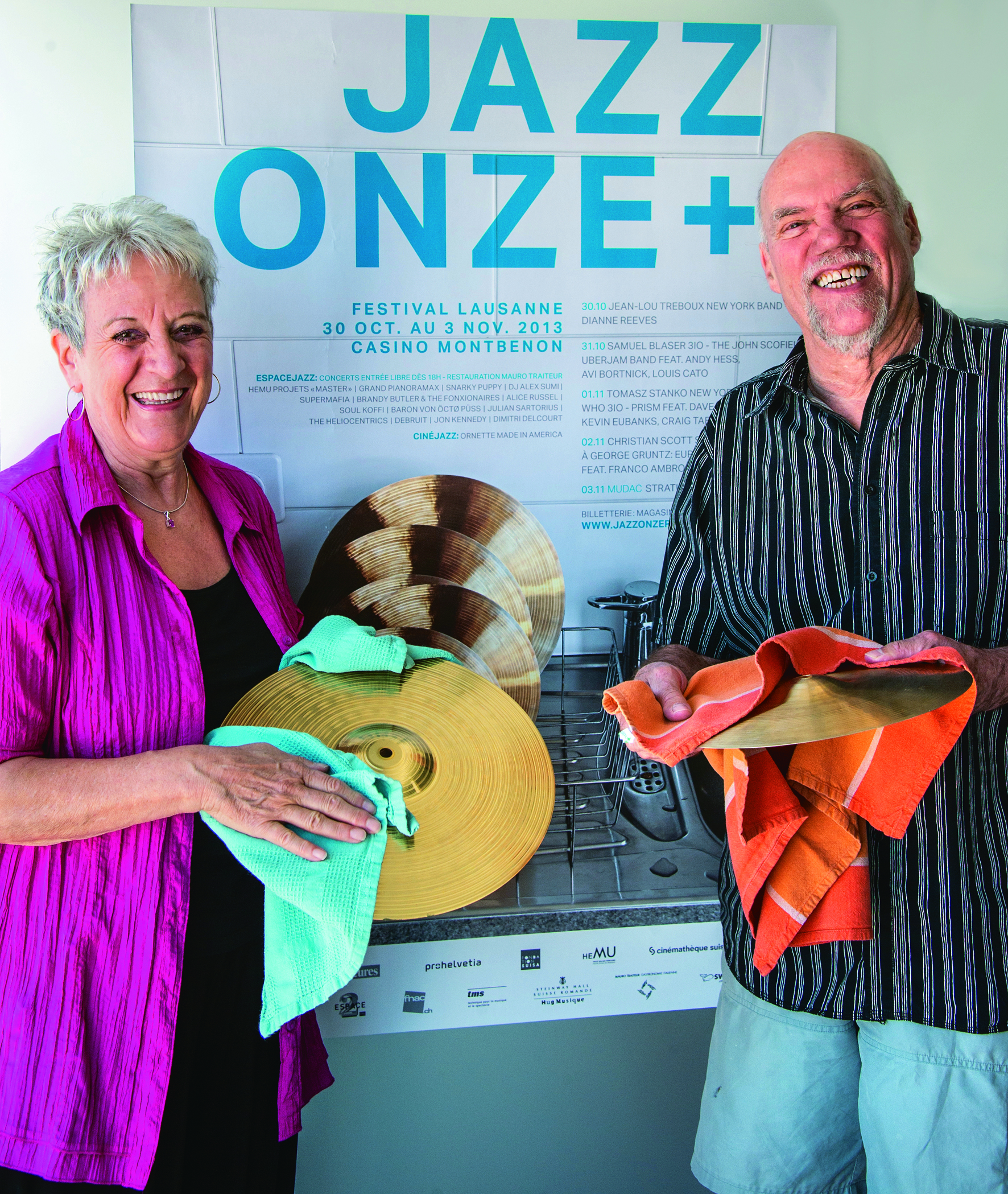
Directeur du JazzOnze+ Festival avec son épouse Francine depuis plus de vingt ans, Serge Wintsch est aussi un musicien à ses heures perdues. Il connaît la scène suisse sur le bout des doigts. D’autant qu’Onze+ était à l’origine une association de musiciens lausannois, rassemblés pour donner plus de visibilité « aux musiques d’improvisation, à la musique contemporaine ». Du haut de ses 25 éditions, Onze+ s’impose aujourd’hui comme un rendez-vous incontournable du jazz suisse  comme international ainsi que des musiques actuelles. Les concerts de jazz ont lieu dans la salle Paderewski alors que depuis 2001, la salle des Fêtes du Casino de Montbenon se transforme en EspaceJazz et propose des concerts gratuits destinés à un public plus jeune, amateur de musiques africaines, de soul-funk ou d’electro.

Le festival a toujours accueilli des musiciens suisses. Parlez-nous de ceux que vous avez invités en 2013 ?
Serge Wintsch Le Who Trio est une valeur sûre. Michel Wintsch (mon homonyme sans être un parent) joue depuis de nombreuses années avec Gerry Hemingway et Bänz Oester. Ce trio s’est rarement produit à Lausanne. Idem pour le guitariste genevois Christian Graf dont le côté rock me plaît beaucoup. Et comme cette année, nous voulions mettre l’accent sur les guitaristes, l’occasion était toute trouvée.

Qu’en est-il de Samuel Blaser et Jean-Lou Treboux ?
Serge Wintsch Samuel Blaser est un extraordinaire inventeur de musiques. Il trace sa propre voie dans la musique improvisée sans s’inscrire dans un genre particulier. Sa formation autant classique que jazz lui a permis d’acquérir des bases techniques solides pour créer avec la plus grande liberté formelle. Jean-Lou Treboux est un jeune vibraphoniste que nous suivons de près. Il a décroché une aide financière institutionnelle pour résider à New York pendant six mois. Cette invitation à Onze+ constitue son premier concert en Suisse avec cette nouvelle formation. Nous ne savons pas du tout ce que cela va donner, mais nous lui faisons entièrement confiance.

Que pensez-vous du jazz en Suisse en 2013 ?
Serge Wintsch Cette scène est extrêmement intéressante et riche. Rappelons qu’en Suisse il y a une longue tradition du jazz. Avant elle existait sans doute plus à l’intérieur des frontières qu’à l’extérieur. Je pense en particulier au Zürcher Jazz Festival qui de 1951 à 1973 fut un lieu de rendez-vous incontournable des musiciens alémaniques comme romands. Mais peu de musiciens s’exportèrent. On peut citer, parmi ceux-ci, Pierre Favre, Daniel Humair, George Gruntz, Irène Schweizer, Matthieu Michel ou Mathias Rüegg (Vienna Art Orchestra). Dans la nouvelle génération, il suffit d’écouter les pianistes, Colin Vallon, Stefan Aeby, Gabriel Zufferey, Léo Tardin ou Marc Perrenoud pour être convaincu que la relève est là et qu’elle possède un haut niveau créatif.

Les musiciens que vous mentionnez se sont souvent intégrés à d’autres scènes, comme Daniel Humair en France ou Pierre Favre en Allemagne. On oublie presque que ce sont des Suisses.
Serge Wintsch Oui, les Suisses sont discrets ! Peu nombreux sont ceux qui se sont exportés et ceux-là se sont fondus dans l’internationalisme du jazz. Ce qui manque, c’est un mouvement spécifiquement helvétique. Il me semble toutefois que les musiciens circulent plus qu’avant, qu’ils collaborent plus entre eux, peut-être aussi grâce à l’apparition d’écoles comme l’HEMU (Haute Ecole de Musique) de Lausanne).

Les conditions seraient donc réunies pour un mouvement spécifiquement helvétique ?
Serge Wintsch Ce serait drôle d’imaginer des tournées internationales avec des ensembles suisses en alternance. Un peu comme le Chicago Blues en son temps. Cela permettrait de montrer le foisonnement de cette scène suisse au reste du monde.

Festival JazzOnze +, Lausanne, du 30 octobre au 3 novembre. www.jazzonzeplus.ch

How Do I Look? Image in the Digital Era

Forget Twitter’s 140 character limit and just post a photo, or 15 second video – and you’ve got the new digital craze, Instagram (16 million active users per day). It’s responsible for the widespread ‘selfie’ (taking a picture of yourself and posting it) and along with Facebook, YouTube and camera/video devices within our smartphones, tablets and consoles has blown the importance of our own image into a monstrous size. This is impacting society and culture, and that includes jazz.

“You can take a stand and decide what emphasis you will apply to your image”  Elina Duni

Elina1(1)There is resounding evidence that Dr Catherine Hakim was bang on the money when she wrote a book asserting that those who use beauty, physical fitness, charm and sexiness will find success (Honey Money: The Power of Erotic Capital) and it’s especially true in the music industry. “I am so sad about what I see today, what are the role models for young girls? Mostly women stars who don’t represent the feminist way of thinking, but represent the sexual object,” says vocalist Elina Duni when I ask her about women’s image in music, “but you can take a stand and decide what emphasis you will apply to your image, if any, or what it says about you.”
Duni instinctively realized the importance of engaging visuals from the start of her career, but it was when she found a kindred spirit in the Albanian photographer Blerta Kambo that she could realize her ideas. “Some things can be sensual or sublime without being cheap or sexual,” comments Duni, “she represents me very well.” Trombonist Samuel Blaser didn’t have the same issues to face but admitted he’d changed his thoughts on his image, “Now I’ve hired a fashion consultant. We went shopping for a day together. I spent way too much money, but I think it’s important to present yourself well.

“In some parts of Europe music is more connected to hipness than to good music”  Florian Arbenz

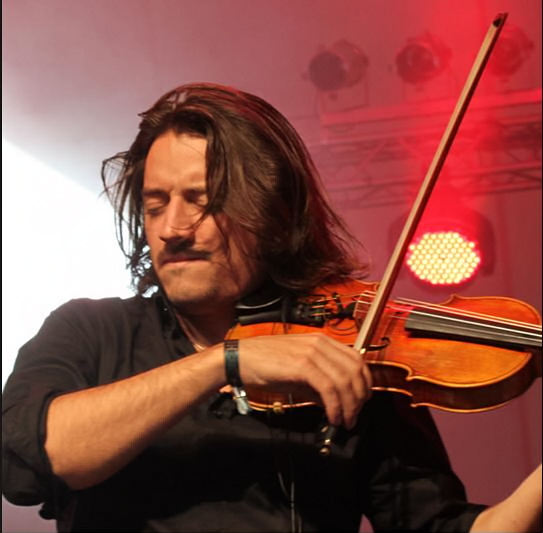
In my own career I witnessed how having a strong visual identity helps people remember you (I had dreadlocks for many years), but as pianist Rusconi notes, it has to be genuine, “If it comes from you and who you are as a band then great, but there’s no need to force it.” Some people have a natural visual intelligence, such as Tobias Preisig. He plays violin and in a subtle way, plays upon the look of a free and fiery but very modern gypsy. He forges a clear identity, very useful tobias1when establishing a ‘brand’. If any artists out there are flinching as I use the word ‘brand’, consider the creative accomplishments of Björk, one of the most magical musicians of my generation whilst being one of the strongest brands. Brands enable people to get who you are and, if it’s strong or unique, remember it. You may not say Eric Vloeimans’ indulgence in colourful clothes and ‘funky’ shoes launched his career, but you could see how his image, along with his playing has set him apart.
Florian Arbenz of Vein commented that not everywhere was infected by “fashion”, “In some parts of Europe music is more connected to hipness than to good music. In Eastern parts [of Europe] you are still judged very hard when you play and I like that.” He found that his band’s classical training and passion for vintage jazz, not their choice of clothes, had given Vein a strong profile in those regions.

Image in music isn’t just about personal appearance

Bebop and modernist jazz was helped by the daring graphics of Reid Miles at Blue Note in the 50s and 60s, whilst Manfred Eicher’s audio vision for ECM was perfectly interpreted by designers Barbara Wojirsch in the ’70s and Dieter Rehm who nurtured the photographic style of windswept trees and monochrome landscapes. On the other hand you could argue that GRP Records sold a lot of albums despite some of the ugliest record sleeves ever (though they were operating in the ‘style-free’ era of the 1980s). As digital downloads and streams find their feet there’s less attention paid to album covers, but a few of the Swiss artists I interviewed confirmed their audiences were still buying CDs. In the wider picture of music, however, the music video, once the marketing tool of pop alone, has taken on increasing weight. Use of YouTube as a device for discovering music is mostly responsible.

“We did it like a piece of art”, Samuel Blaser

samuel1(1)Samuel Blaser has found himself experimenting more with visuals such as photos and videos and, like Duni, recognizes their importance as publicity. They also have both relished these added dimensions to their creativity. Blaser met Polish video maker, Ewa Kozanecka in New York and asked her to shoot something for a shorter version of Pieces of Old Sky. “I don’t know if it was totally useful because we did it like a piece of art.” From a listener’s point of view that video held the music more firmly in my memory. And that’s where videos and photos can really assist musicians – by etching their sound into the consciousness of the public. Rusconi are a band that have also naturally partnered with video to explore ways to extend their expression.
“The video thing opened up our music to a totally different crowd” Stefan Rusconi

[youtube=http://www.youtube.com/watch?v=XDdzOFYnLuo]

They have forged a successful pairing with the film collective,  Zweihund, producing engaging and professional work for comparably small budgets. Stefan Rusconi told me, “The video thing opened up our music to a totally different crowd. What we’re interested in as an audience is people that are interested in different fields of culture. Doing the video got people interested that would never have come to a Rusconi jazz gig,” and it enabled them to crossover to contemporary music festivals outside of the ‘jazz’ genre.

“You need good clothes…” Marc Perrenoud

This has proved useful as a piano trio, because as Marc Perrenoud, the leader of another piano trio, noted, “You have to find something different form other trios, find another visual identity.” Some of the artists I interviewed were also filming their gigs, tours and recording sessions as ‘documentaries’ in order to extend their ‘visual presence’. The digital world is forcing the hands of musicians, “You have to be very connected on the web, you have to have very good presentation and have very good pictures [and] you need good clothes,” noted Marc Perrenoud.

A few months ago I went to a jazz festival. One of the bands I came away very firmly etched in my mind were Snarky Puppy – they had great stage presence (helped by the fact there were so many of them) but also their fans were wearing well-branded T-shirts, with a print of a dog’s head wearing headphones. Jazz musicians may not feel the pressure to look like George Clooney, yet, but the world is changing rapidly and visual intelligence or ‘erotic capital’ if you like, won’t be diminishing their influence in the near future.

“Tweet Me!” Jazz in the Digital Age

Swiss Vibes 2013_01_Mix 4As far as I see it, social media is a form of Internet dating, just without the romance (though not always). It’s relationships, connecting, communicating, dare I say, flirting, and showing off your best photos. There’s also a lot of hype about what it can do for a career.
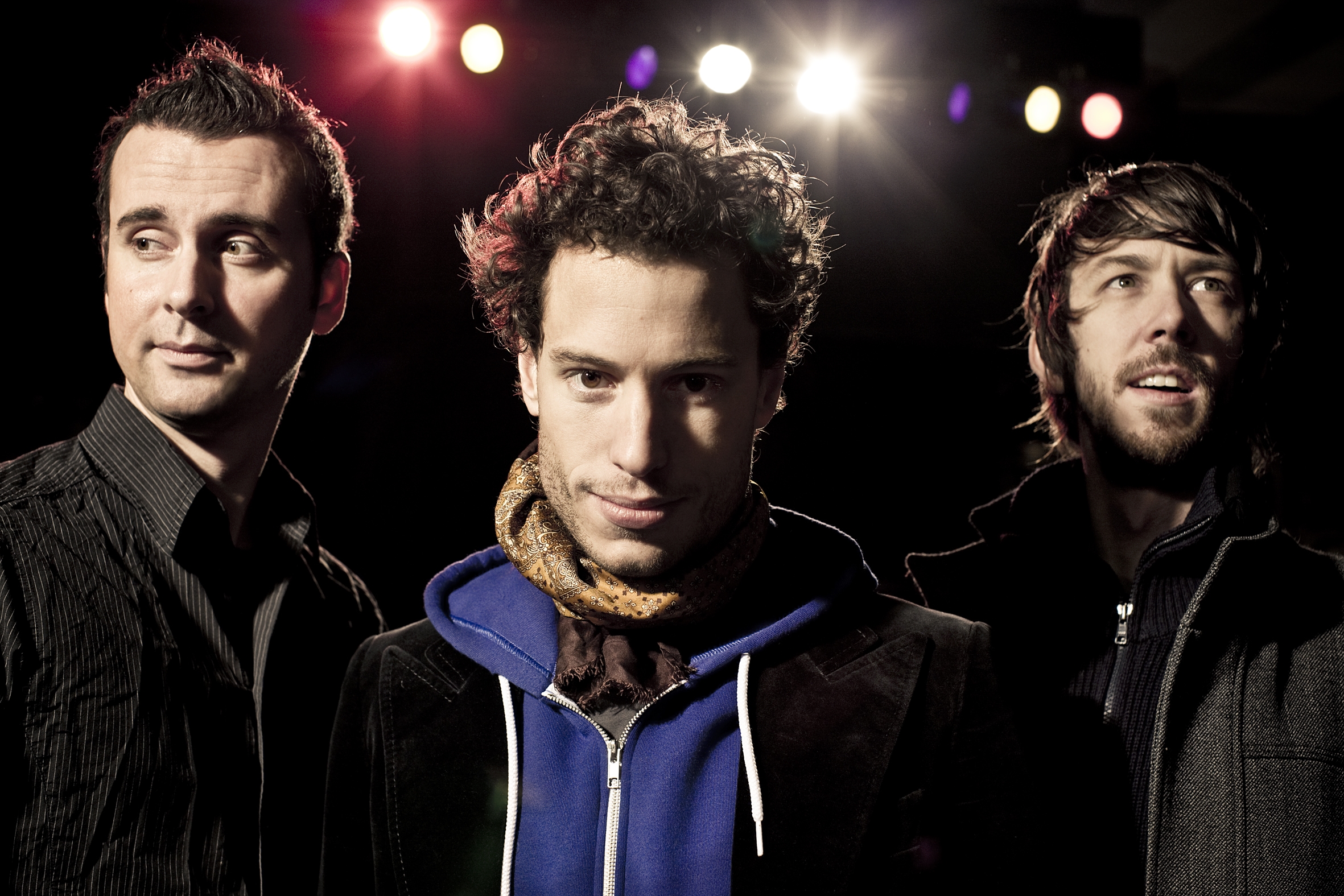
Example: kid playing guitar uploads to YouTube, sets up Facebook page to consolidate following, finds a manager via Twitter, releases EP, tweets to major UK shop about singing on their next Christmas advert – gets job, the track goes to no.1 in UK charts, she gets lots of press. This is the true story of Gabrielle Aplin who literally created her own career in a few years using digital media and it shouts at us, “Digital and social media matter!”

“It’s the most neglected field in jazz music”  Stefan Rusconi

Rusconi_2But what are the implications of this explosion of media for the new generations of jazz musicians? Out of the eight musicians I spoke to they had all breathed the same air, tainted by these hyped success stories of social media, but only three were already forcing themselves to fully utilize the Internet. Stefan Rusconi observed, “I understand our music is about being a master of playing for real, you invest a lot of time in your instrument, you’re a craftsman and it’s sometimes hard to accept the digital side, but I think it’s the most neglected field in jazz music.”

“it’s not up to me to decide if it’s important or not, it’s just a fact that it’s important” Andreas Schaerrer

Andreas SchaererCertainly they don’t share the same audience as Justin Bieber (over 42 million Twitter followers) but Herbie Hancock has doubled his followers in the last year to 54,000 and it’s doubtful the trend will reverse. Andreas Schaerer reflected the thoughts of others when he said, “I personally don’t enjoy Facebook…This concept of communication is a fake one to me, but I realize I’m living in a time when it’s not up to me to decide if it’s important or not, it’s just a fact that it’s important.” However, the issues around digital media aren’t only about personal taste, a key problem mentioned by all the musicians was, time.
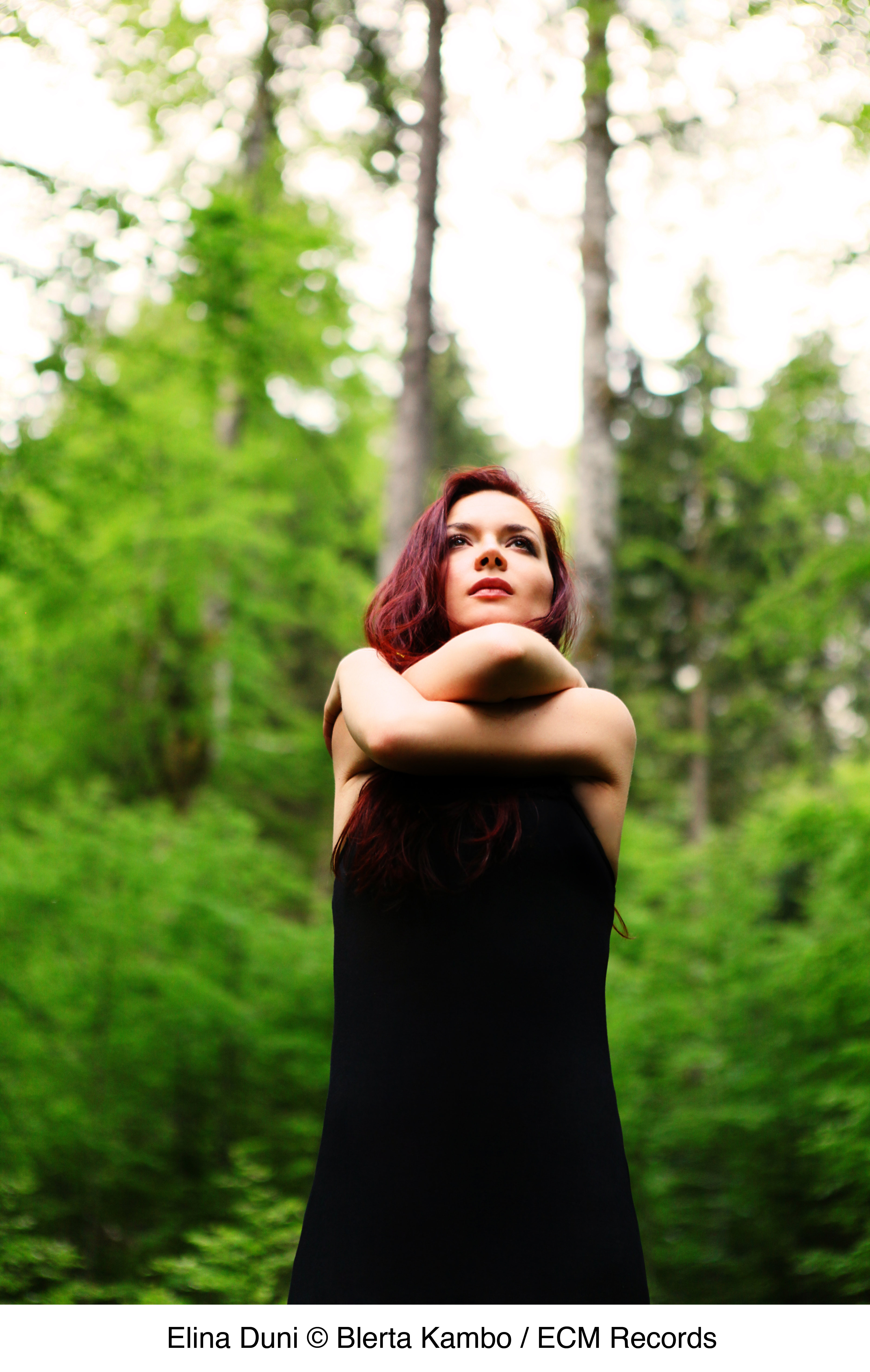
“To create, you really have to shut down your Internet and phone”   Elina Duni

Elina Duni_PF1Creating and updating websites, Facebook pages, blogs and tweets take an enormous amount of time and more notably, headspace, because it’s ongoing, always on the ‘to do’ list. Smartphones have supported social media by making it easier to update ‘on the go’ but as Elina Duni noted, “It’s not just posting things, you have to be active, to answer, people have to feel you’re near to them.” It’s this consistency that can be at odds with a creative process such as composing that demands focused, uninterrupted time. Duni explained, “To create you really have to shut down your Internet and phone…but today you always have to be reachable…It’s not easy and sometimes it depresses me, but I try to find a way…I try to improve.”
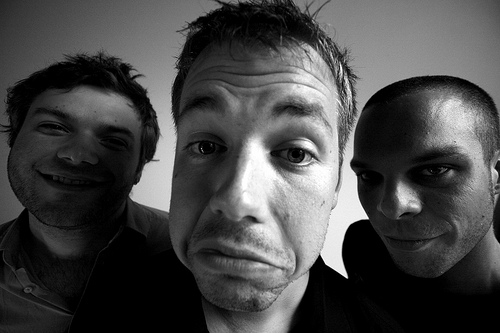
Building a database of loyal fans…

Marc Perrenoud Trio_LD1There are other issues such as keeping your website alive and relevant and the cost of that. The pianist Marc Perrenoud realized, “I just made my new website last year, but I want to change it already.” These Swiss musicians accepted that their websites needed good translations into English for the international market (which they need to survive), but this point leads us on to one of the big positives of digital media: it makes musicians completely accessible. When researching these artists I watched all of them live, got their discography, biography and the geography of their forthcoming gigs without leaving my South London apartment.
The Internet has also helped them connect with other musicians and collaborators, and most importantly, in the case of Rusconi, their audience. This group took time to research these new forms of promotion and communication, watching e-marketing videos by Seth Godin amongst others. They decided to adopt the ‘download and donate what you want’ approach to their recent album, Revolution, as opposed to giving it a price tag. Not only did it help the band connect to a broad-based audience beyond the jazz market, “people that are interested in different fields of culture…people who are active, who want to be a part of society, who are aware of others and a vibrant thing…” but also it helped them win the Echo Jazz Award for Best Live Act (up against Wayne Shorter, no less). That’s a big win that would not have been possible without having built a database of loyal fans.

“it can be serious stuff that you post on your Facebook page which people would enjoy”  Florian Arbenz

FlorianSI’m going to skirt around the subject of digital downloads and e-commerce here as it’s a big and complicated field. However, as a marketing tool, digital media is up there as a new force. In some ways Rusconi are lucky in that their explorations of the digital world and the videos and imagery that need to accompany that fit naturally with their own tastes and interests. Drummer Florian Arbenz of Vein was one of the artists who openly admitted that he hated social media, but realized he’d been looking at it in the wrong way. “We didn’t want to write stupid stuff like, ‘I’m waking up in Paris, yeah guys,’ so we rarely wrote anything. But if you think business-wise, you can connect with your audience.” He was going to look again at digital media from a new persepective, “The music is still the priority but we could build some concept around that, it could be art, a series of films – it can be serious stuff that you post on your Facebook page which people would enjoy – and reflects us.”
Digital media can also consolidate an artist’s musical expression, make them appear stronger and bigger, as well as provide more aspects to their personality when they use other art forms. Imagery and Swiss jazz is something I’ll write about next time but for now, it’s worth considering that whatever your opinion of social media, understand that you can interact with it in whatever way you want. And in doing so, connect to like-minded people. In terms of time, money and energy, digital media can suck you dry, but what musician wants to risk missing out on its benefits? It’s not just about crossing borders and continents to make sure people turn up at your gigs, it’s also about developing your ‘voice’ and at what volume it’s heard.

Take 5: Switzerland

Take 5_Swiss team

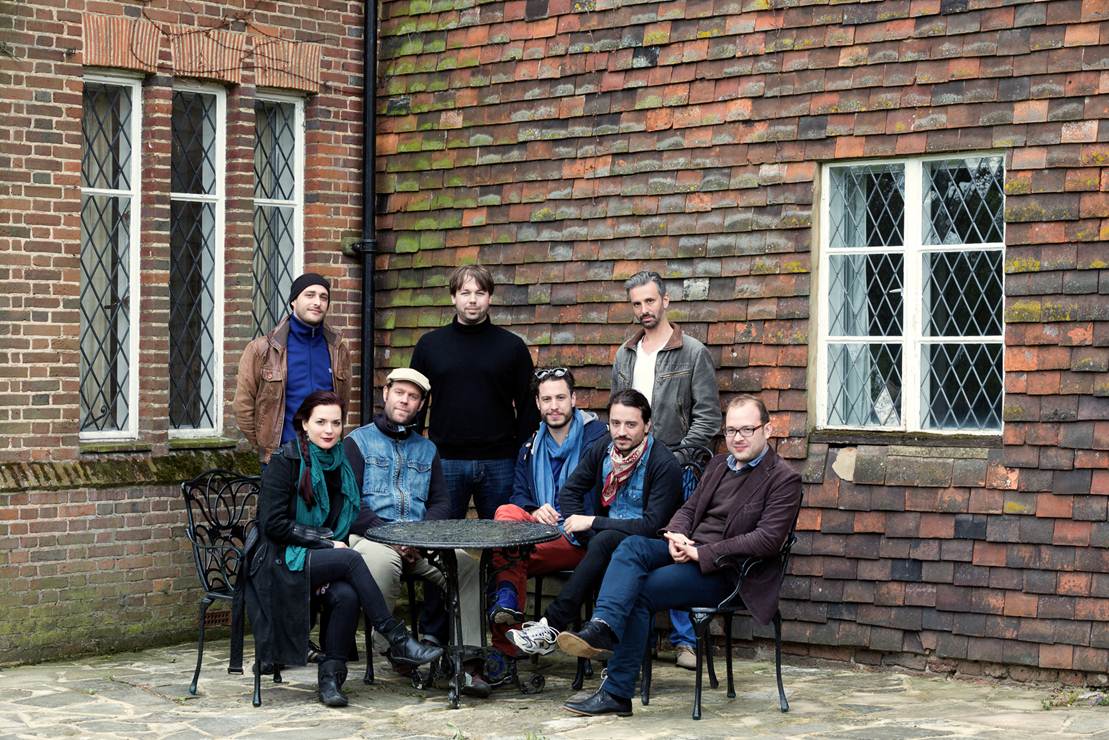
(Left to Right) Andreas Schaerer, Elina Duni, Florian Arbenz, Marc PerrenoudStefan Rusconi, Tobias Preisig. Leo Tardin, Samuel Blaser. ©Emile Holba

The heated kitchen for innovative artists

Take Five is a “heated kitchen” for innovative, young jazz artists, with five concentrated days of coaching, learning, sharing and networking (along with some fun and seriously good food). Created by the UK’s foremost jazz producer, Serious, and funded by Pro Helvetia, Take Five:Switzerland was designed to isolate eight Swiss musicians in the lush setting of Bore Place in Kent – think bluebell woods, gardens bursting with wisteria and mock orange, slouchy sofas and log fires – and lead them through sessions with a performance coach (Mary McCusker), music promoters from across Europe, as well as, digital, legal and industry experts including Wulf Muller of Sony.

“It’s been a rich experience,” said Tobias Preisig, as a comment on the variety of “inside information” they could garner, even when that meant facing tedious home truths. Musicians, such as Florian Arbenz, were aware they could improve their social networking and online presence, and some learnt the value of visual presentation, possibly helped by the photo shoot with experienced portraitist, Emile Holba. Scott Cohen of The Orchard gave a blistering session on aggressive digital distribution and ways to make money from music in an era of sporadic CD sales, with pianist Leo Tardin commenting, “He was the one to shake our ground the most, not someone to pat us on the head, but kick us in the butt, and he did that very well.”

“We need some space for our dreams” Andreas Schaerrer

Sometimes the message from promoters was dour, “We’re learning about the business, but there is no business”, said Marc Perrenoud noting that, “You have to build your audience because, apparently, no audience is interested in jazz.” However, as the vocalist Andreas Schaerer explained, “We need some space for our dreams,” and without exception they were resilient to negative messages. They have to be.

Jazz will need to go on beyond the passing of the classic “greats” and continue sculpting its own relevant identity whilst earning a living. Schaerer felt supported by some promoters learning that, “It’s not only our job to build up our career but it’s also that everybody is interested in having a future generation of active people.”

“We are a community, we are coming from the same place” Stefan Rusconi

What became achingly clear was the wall of work that faces these artists on a daily basis and that as they’d been given this break away from emails, calls, rehearsals, travelling, organising, etc, they were keen to squeeze every drop of tangible use out of the time with little patience for anything deemed irrelevant. Although Take Five is an extremely organised and detailed affair, thanks in part to the sterling work of Martel Ollerenshaw, it also tried to be flexible. So when the Swiss crew stood up to say they wanted time to simply hang out to share concepts, contacts and knowledge with each other, they were given it.

Something I was most struck by was the honesty with which the artists spoke to me about issues they were facing. Somehow the bombardment of information along with the intimate environment and maybe the odd glass of wine had enabled them to face up to their personal challenges: do they follow their business head or artistic heart, how can they deal with the amount they should be doing whilst having focused rehearsal/practise days, or time for their family, what step should they take next?

A Tribe Called Swiss

On the last day there was an extraordinary jam session led by one of the UK’s most exquisite saxophonists, John Surman. And there was an impromptu game of “football-piggy-in-the-middle”. It was actually in the kick about that I most clearly saw a key triumph of Take Five: the founding of a connected, bonded and inspired group. Let’s call it, A Tribe Called Swiss. Without exception each artist echoed Stefan Rusconi’s sentiment, “I knew all of them at least by name, but it’s been great to meet the other musicians. Also, to see we are a community, we are coming from the same place.”

Take Five can shake things up and it will take a while for the musicians to digest it all. I agreed with Rusconi when he said, “We need to be proud of what we’re doing. Swiss music is the new thing – chaotic, strange but rooted too.” Now all they need to do is buck the Swiss trend and force the spotlight onto themselves. As John Surman noted after their music session together, “I won’t forget you guys in a hurry,”  and if they utilise their newly found esprit de corps, they stand a chance of the music world saying the same thing.

Take 5 Switzerland website