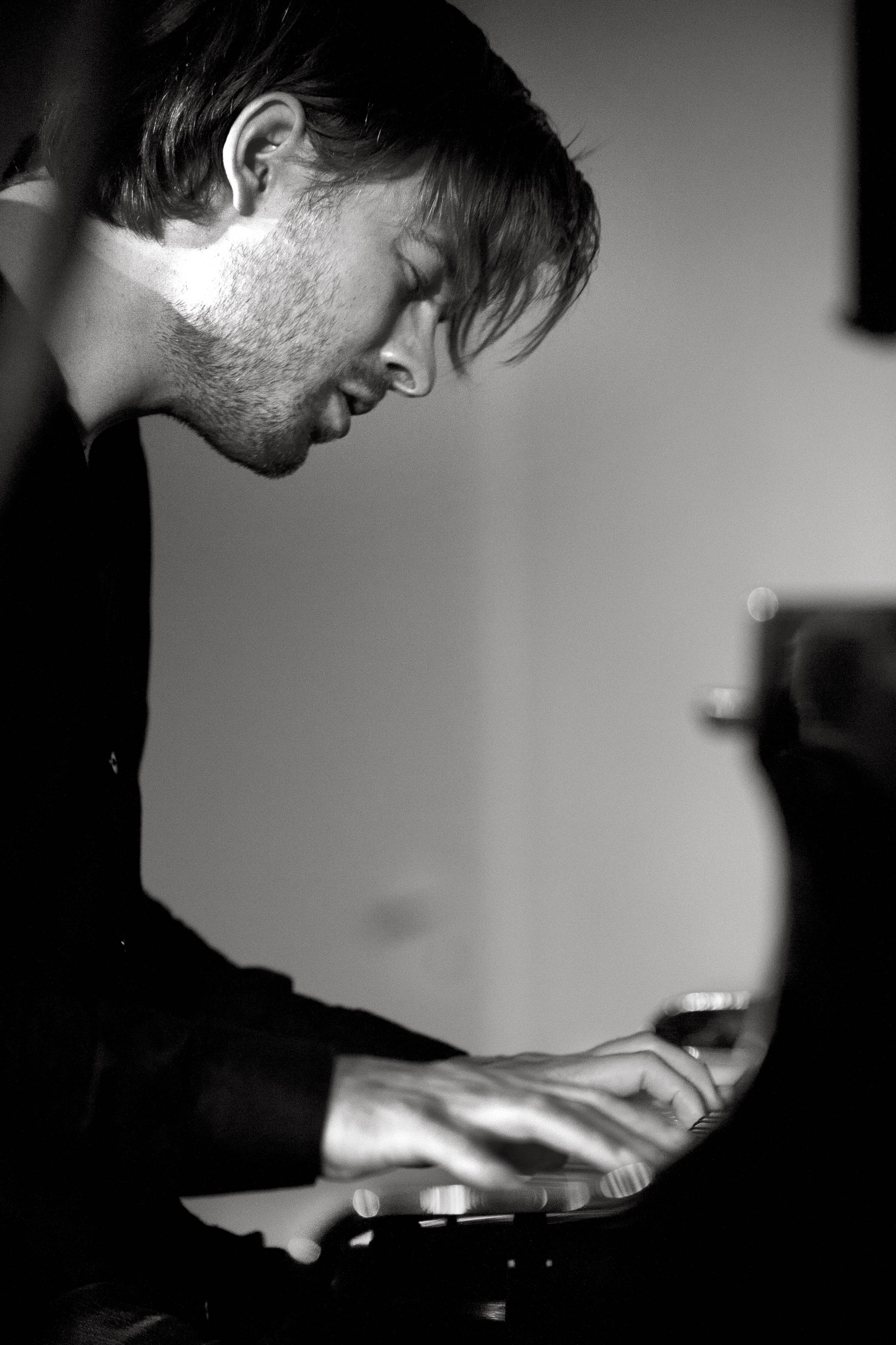
 “Le Vent” is Colin Vallon‘s second album for the prestigious label ECM. Listening to it, or to him speak, you might think he’s a bit soft – a gentle soul. There’s a distinct aesthetic to his playing, it’s mindful and sombre as if remembering a lost love. Interviewing him, I found an assured and fiery spirit; a pianist with a clear intelligence, driven to carving out his own, individual path.
“From the moment I could stand I tried to press down the keys”
Music was always around Vallon – when most families were arguing at Christmas, his was gathering at the ever-present piano, singing hymns and Gospel. “I loved the sound of the instrument, from the moment I could stand I tried to press down the keys”. Despite this, he quit piano at the age of 12 because he could no longer play by ear and reading music frustrated him. Then two things happened: his uncle taught him some blues chords that he could play, “Without paper in front of me” and he saw a solo concert of Keith Jarrett, “It was really amazing to hear that.”
He returned to music lessons at 14 and began composing. By 19 he was at the University of Arts in Bern and had his own trio. Here he found the American theory of copying the standards until you could imitate them too restrictive. “But this was also very good for me,” he says, “because it meant that if I wanted to do something of my own then I had to do it really on my own and to be more didactic in terms of composing. I was really independent.”
“It’s a music that has something very raw about it”
However the composition tutor, Frank Sikora, inspired Colin and for his class he recorded, “A huge fence or gate that was screeching, making harmonics and noises.” By 2002 he developed this interest in strange sounds with prepared piano techniques and had begun an enduring curiosity for Eastern European music. “It has something very raw about it and, like this fence maybe [that he’d recorded], it’s a very different sound and it’s something that caught me immediately.” He joined a band with the saxophonist Sascha Schönhaus playing Balkan music and discovered one of his “desert island records”, Le Mystère des Voix Bulgares.
A journey in Albania
Meeting Elina Duni provided fertile creative soil as Albanian music opened up to him and the Trio’s third album, (their first for ECM) was entitled Rruga, the word for “path” or “journey” in Albanian. It was critically acclaimed, so did this make it hard to follow? “There was a bit of pressure,” admits Colin, “not from the label, but from myself..it’s hard to come with a second album…and changing the drummer [from Rohrer to Sartorius], but in the end I’m really happy with the results.”
“There are a few goodbyes, a tribute to Asita Hamidi”
Colin found his material came naturally as he dealt with several deaths and saw a suicide jump from a bridge. “Le Vent was an elegiac album, a lot to do with death…and the passing of time and life. It sounds really dark but it’s not just about that…There are a few goodbyes, a tribute to Asita Hamidi [the harp player] who died…things that are a part of life but I needed to express somehow.” It’s Vallon’s careful listening for, then stating his own truth, that makes him a compelling artist.
On tour:
26/04/14 Jazzahead, Bremen DE
27/04/14 A-Trane, Berlin DE
29/04/14 Mokka, Thun CH
30/04/14 Bee-Flat, Bern CH
03/05/14 L’Azimut, Estavayer-Le-Lac, CH
13/05/14 Mokka, Thun CH
17/05/14 AMR Genève, CH
27/05/14 Mokka, Thun CH
01/06/14 Green Hours Festival, Bucarest RO
07/06/14 Paris Jazz Festival, Paris FR
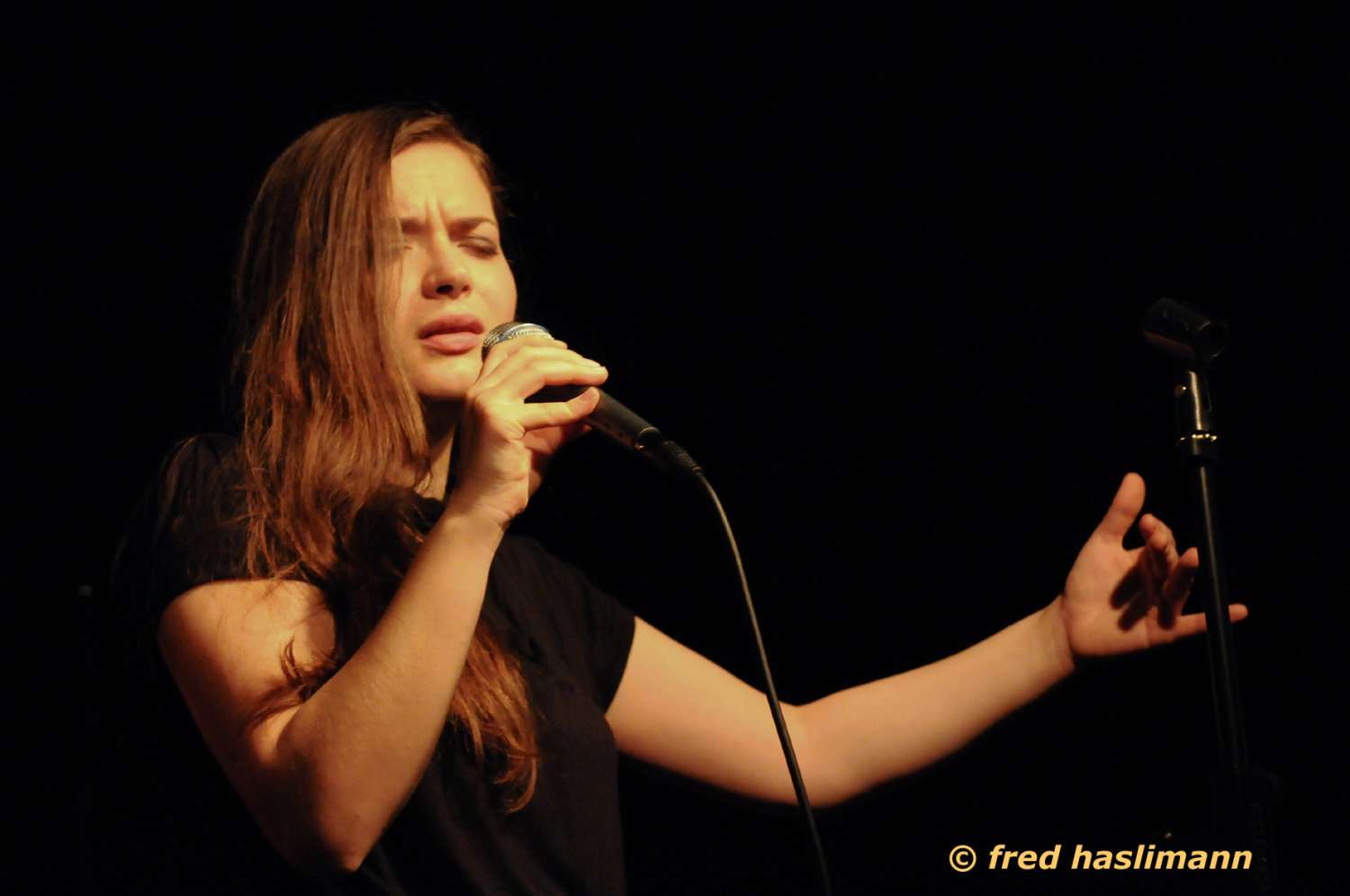 You physically feel the power of Elina’s cry
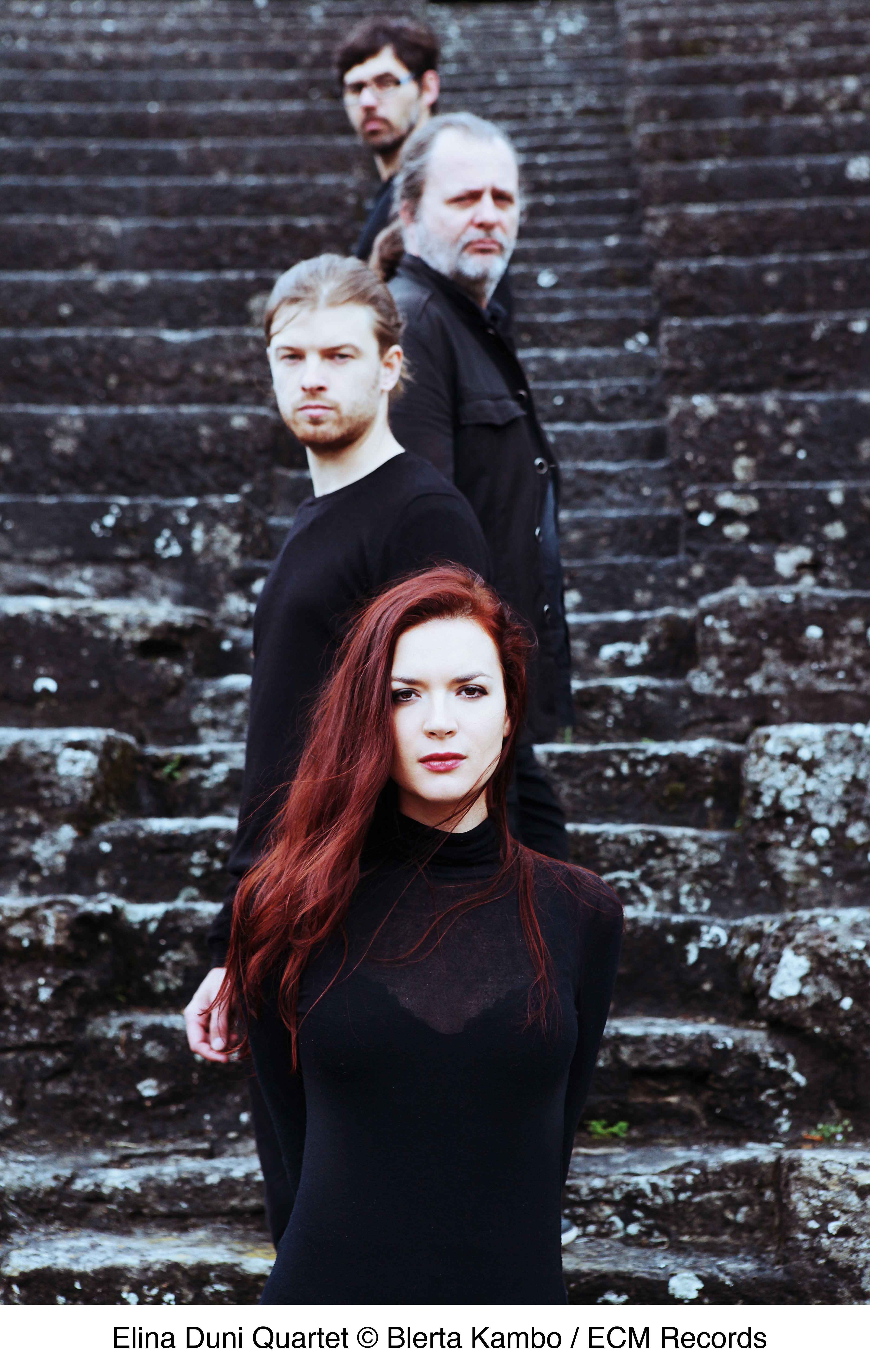 I have to admit I was entranced by Colin’s imagination; he is a potent voice and I want to check his own trio now. At times he played with such melancholy it broke my heart, then in a moment, flashed his anger or became cold, like ice cubes dropping into Elina’s blood-red cocktail, cracking and clinking, changing the temperature. He used various techniques to physically alter the piano, deadening the resonance or twisting the keys into cimbalom-like notes, revealing a Balkan soul whilst never breaking the spiritual thread of jazz.
 Pour la soirée d’ouverture du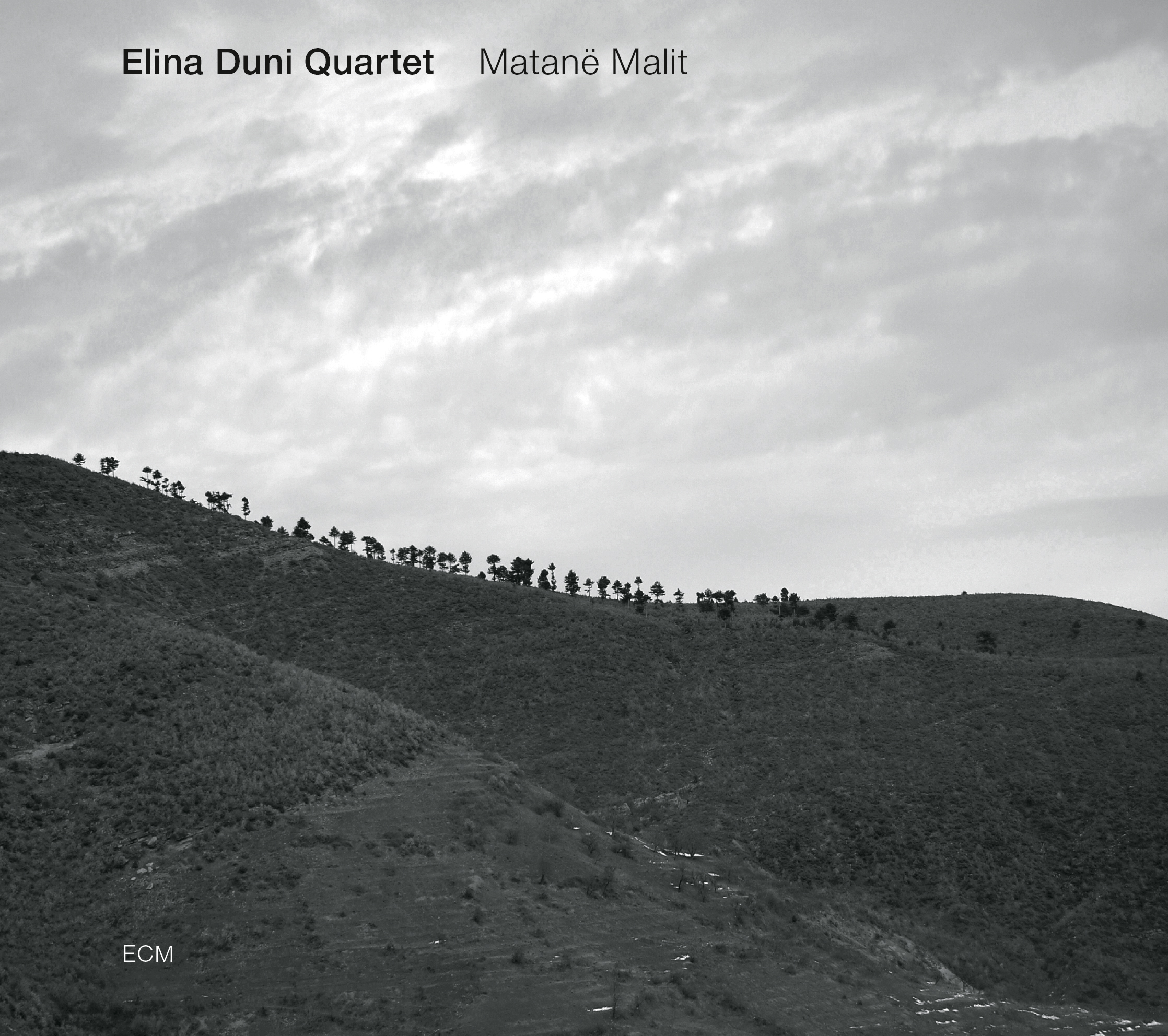
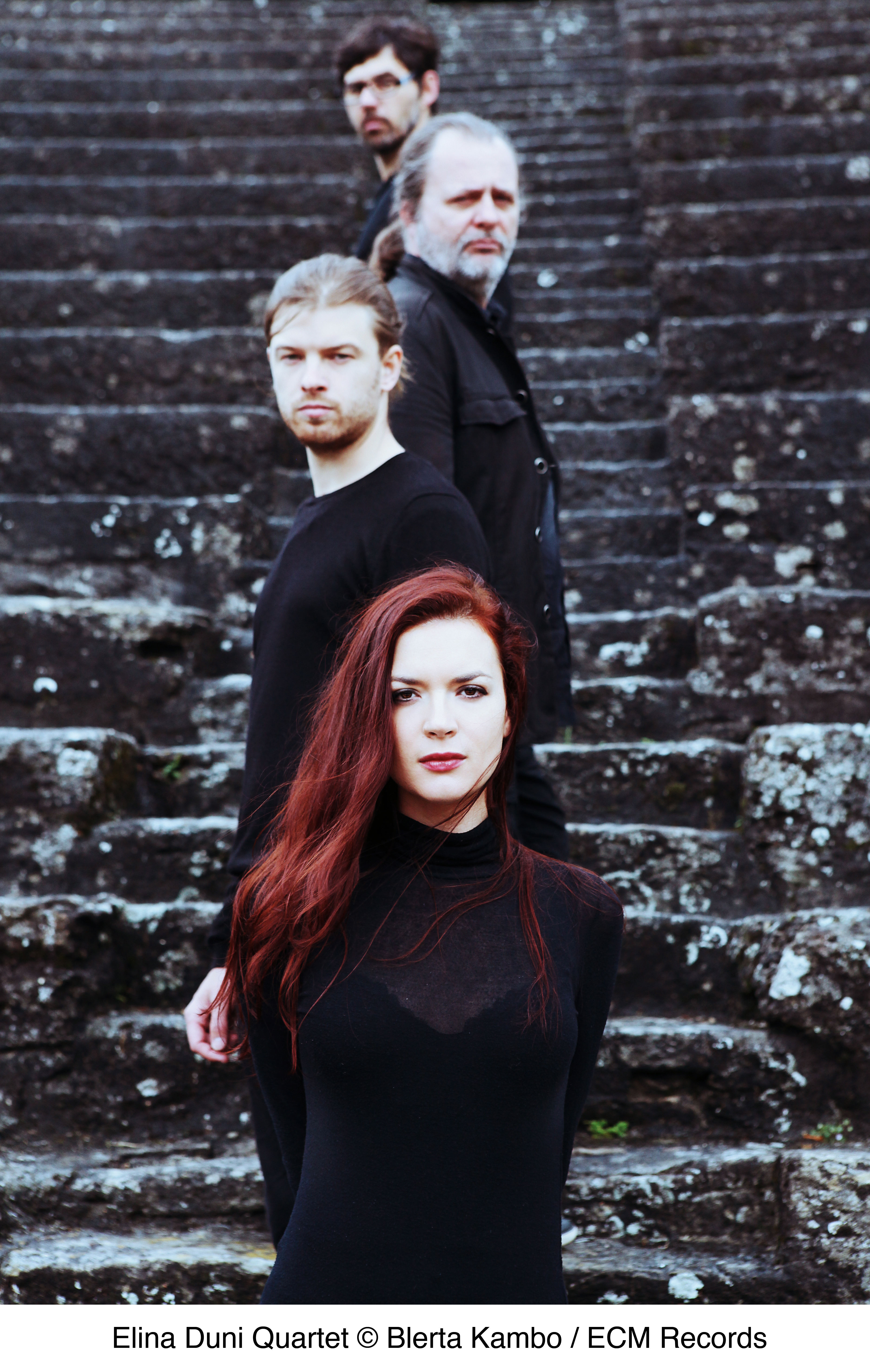
 Elina Duni Das Album ist für mich tatsächlich eine Reise in die Ferne, die mir aber auch sehr vertraut ist. Gleichzeitig bezieht sich “Matanë Malit” aber auch auf die Standorte meiner beiden Heimatländer. Egal ob du von der Schweiz oder Albanien aus schaust, die Länder liegen immer Jenseits der Berge. Der Albumtitel bezieht sich aber auch auf das westliche Publikum. Die Texte handeln alle von universellen Themen, wie z.b. der Liebe, dem Tod, Freiheit. Themen die uns alle beschäftigen. Auch die Musik empfinde ich als sehr universell. Es sind also Stücke, die uns hier zwar fern sind, aber im Grunde genommen sehr vertraut.