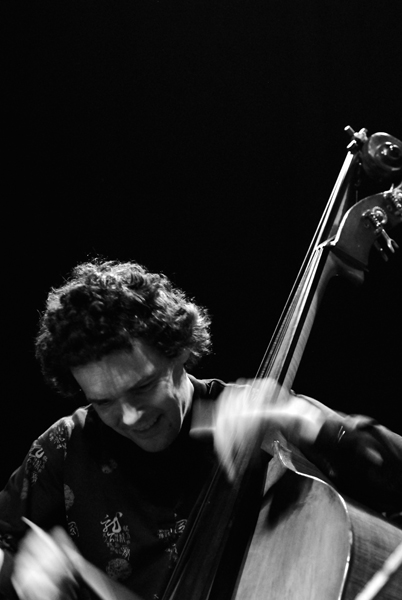
Bass maestro, Bänz Oester and his friends The Rainmakers are a joyful union of Swiss and South African musicians who grouped together after a chance encounter at the Grahamstown National Arts festival in 2011. 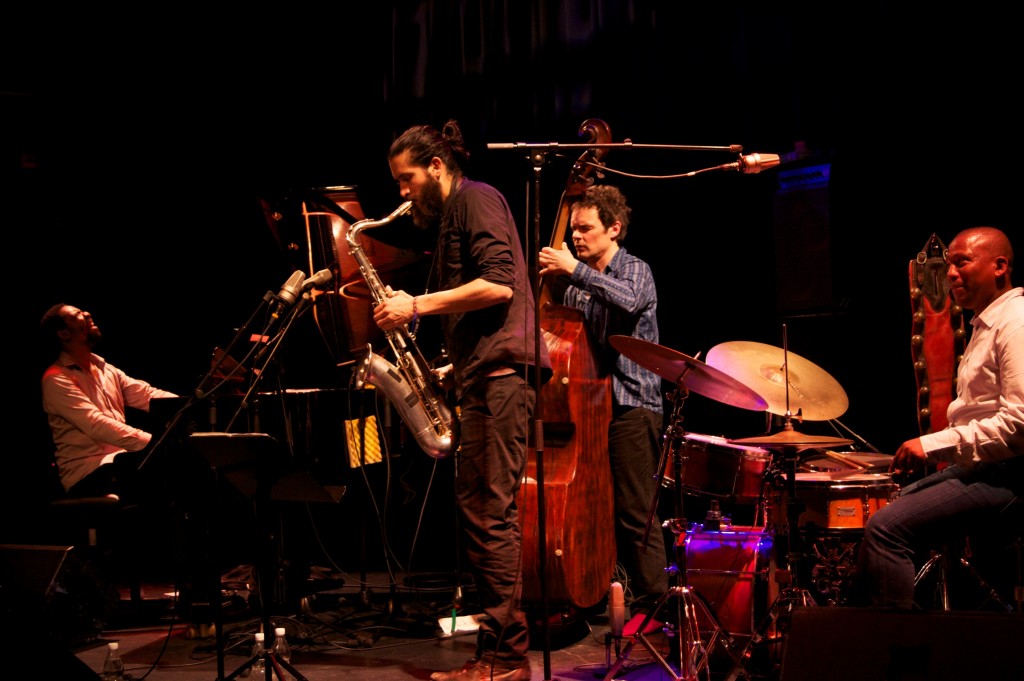 Spontaneous cameraderie and a deeply felt musical intention are what unite this group and deliver an immediate, powerful jazz punch. Tonight at Lausanne’s Chorus Club they perform the final date of their 2 week tour, show-casing their first LP, Bänz Oester and The Rainmakers ‘Playing at the Bird’s Eye’ – an album that took just four days to put down and that captures an intimate sense of wonderment, spirituality and emotion.
Only two days of rehearsals
Live, their style and content vary from the languid jazz standard, African polyrhythms, seductive funky blues, obscure Swiss and Bulgarian folklore to blinding improvisation. Whether introspective or gregarious, all styles are drenched in emotional depth and meaningful purpose. This is a band who describe themselves as playing “the music of intention” after only two days of rehearsals.
Spectacularly lithe piano playing
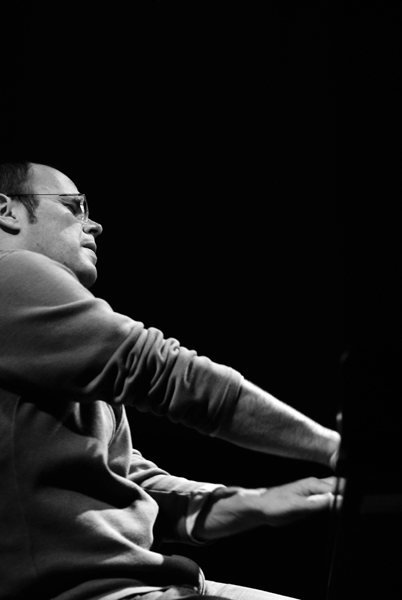
Afrika Mkhize’s spectacularly lithe piano playing is a constant joy, over-brimming with the gospel, blues and afro-jazz colours you’d expect after 10 years on the road as Myriam Makeba’s musical director. His instrument is 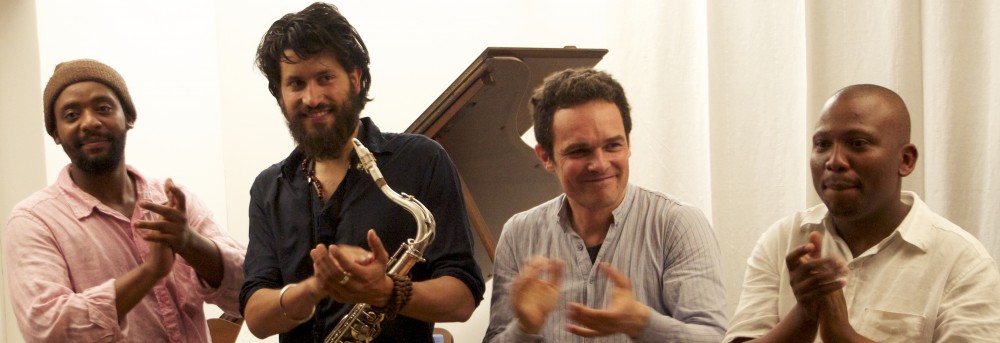 jumping as he scats, sings and cajoles it into action, rolling out the pretty melodies and interplaying beautifully with the often darker hues of the sax. Shame there’s no microphone, I’m curious to hear more of his singing voice but am later informed that his vocalese is not an imitation of Keith Jarrett, just a special way of entering into communication with a foreign piano that is ever-changing whilst on tour.
It’s a miracle we don’t all start stripping
The track “The Rainmakers” is a wonderfully sunshiny example of lilting African rhythms, dynamic and strong, rising and falling with a jovial ambiance that has the band and entire audience smiling from ear to ear. Similarly heart-warming is “Land’s End”, a silky smooth and teasingly bluesy number, full of such playful sexy pacing it’s a miracle we don’t all start stripping. Between the achingly seductive beats, drummer Ayanda Siukande amuses us with his larking about while pianist continues to speak Ray Charles-inspired volumes. There is joy on stage and in the room!
A weight of emotion
From the Swiss camp is Ganesh Geymeier on the saxophone with a style uncontainable as it is delicate, full of  emotional fire as well as delicate spaciouness. Whether building up a frantic storm as in “The Elevator” à la 60s Blue Note soundtrack or hinting at the sinister grey fog in the traditional Swiss-German folksong ‘Wie di graue Näbel schlyche”, his sound carries a weight of emotion and accompanies the listener into a spiritual musical dimension.
Bänz, looking splendid in his African shirt and red pixie shoes, is by no means the understated member of the band. His presence is, as usual, smilingly masterful and his exhuberant musical creativity proving once again that he’s not considered “one of Europe’s leading jazz-bassists” for nothing.
Bänz Oester & The Rainmakers, « Playing at The Bird’s Eye » (Unit Records)
[youtube=http://www.youtube.com/watch?v=N14DMUAVRWQ]
 I’m tempted to describe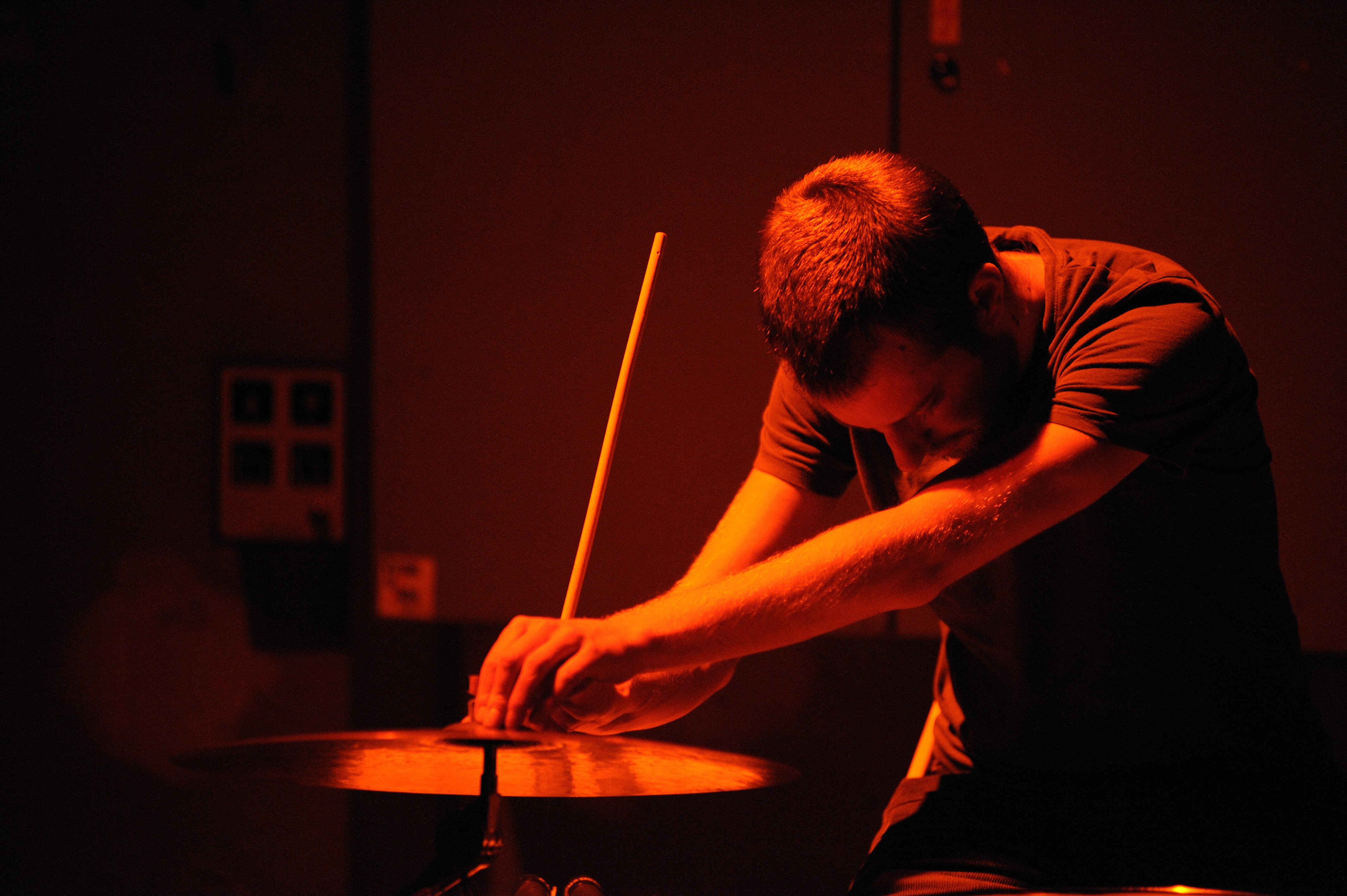
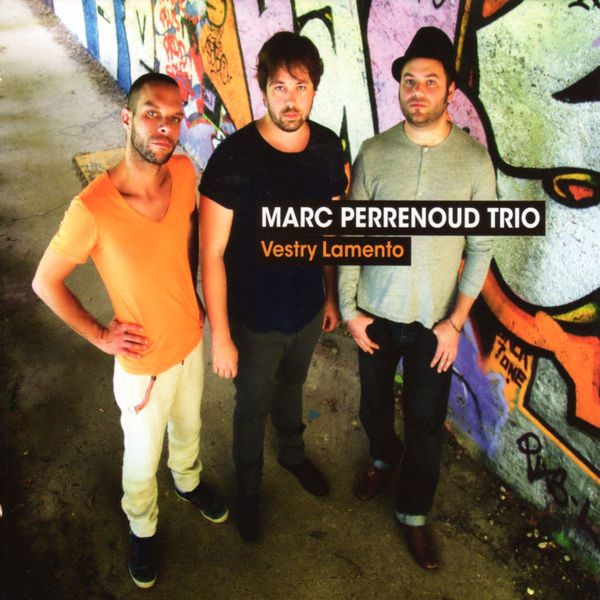 Cet automne paraissait en Suisse Vestry Lamento, le troisième opus du pianiste Marc Perrenoud, un disque brillant, inspiré, fluide, lyrique…..
  Les Allemands ne sont pas en reste qui affirment dans le dernier numéro de

 Dernier chapitre du journal de Johann Bourquenez, pianiste et compositeur de
  Vendredi, départ le matin pour Bangalore. une heure et quelque de vol. Aéroport à plus d’une heure de l’hôtel, une petite route en bon état, qui traverse des petits bleds pleins de gens, de terre rouge, de poules, de vaches, de petites maisons, un singe traverse devant nous. Toujours la conduite au klaxon (qui définitivement, sert à annoncer sa présence, et non pas à signaler son mécontentement), des motos à droite et à gauche, des vélos…
 Notre civilisation bat de l’aile, tout s’effrite et ça se sent, différemment à différents endroits. C’est une chose de le comprendre. C’en est une autre de l’accepter. On parle de cette idée que cette civilisation – celle-là, et toutes les autres – ne nous appartient pas. Un peu de silence, on regarde par le balcon. On en vient à considérer chaque ville comme un animal, puis tout le réseau des villes et des constructions humaines comme une seule entité cybernétique. Quelque chose qui nous dépasse, avec lequel on est en symbiose. Sans s’en rendre compte, et même en se sentant important.
 On va atterrir déjà. La pression me fait mal aux oreilles. J’ai le nez pris à cause de la climatisation. On arrive à Goa. Quel nom mythique. Je ne sais pas à quoi m’attendre. C’est le dernier concert de cette tournée.
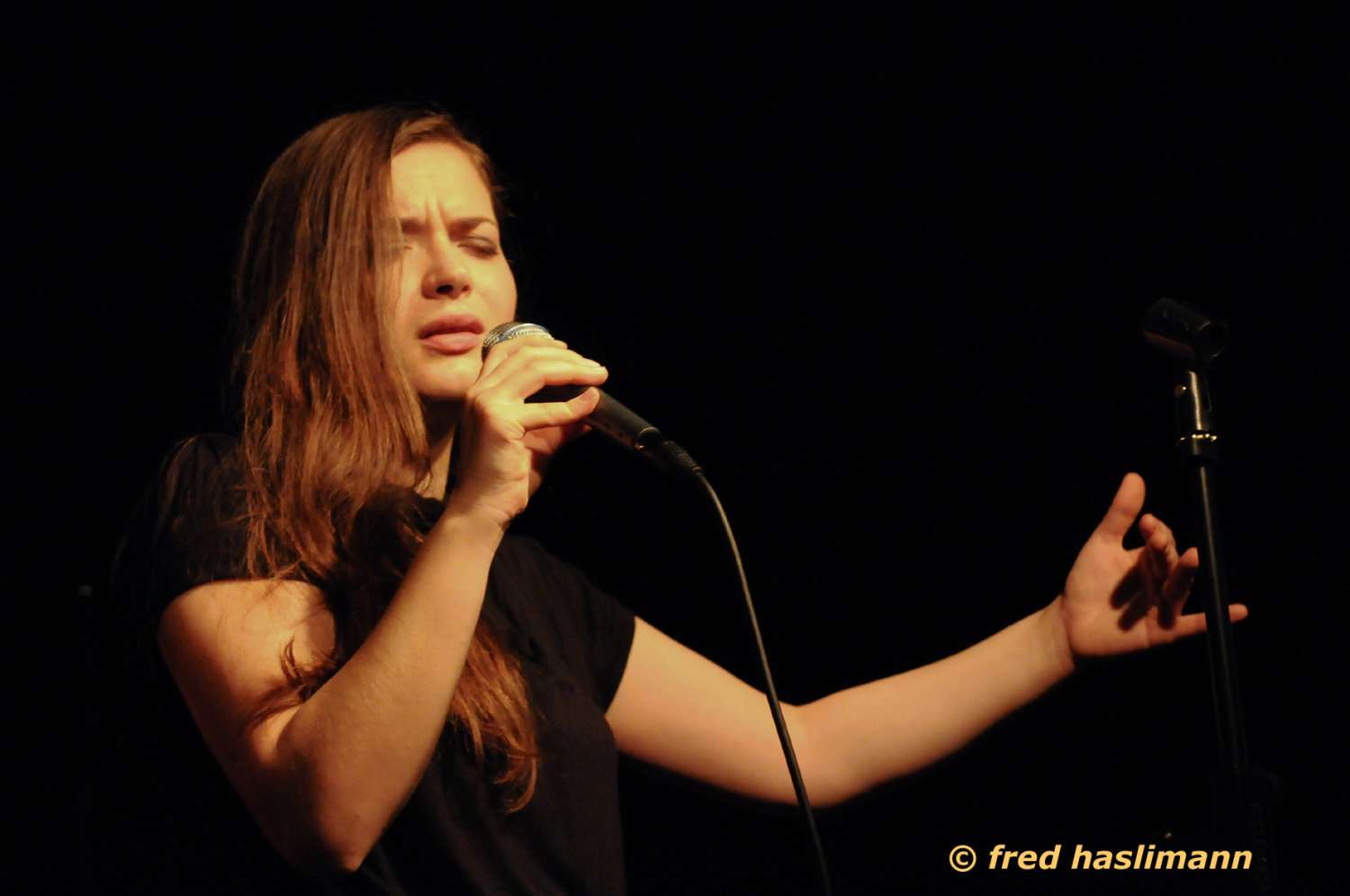 You physically feel the power of Elina’s cry
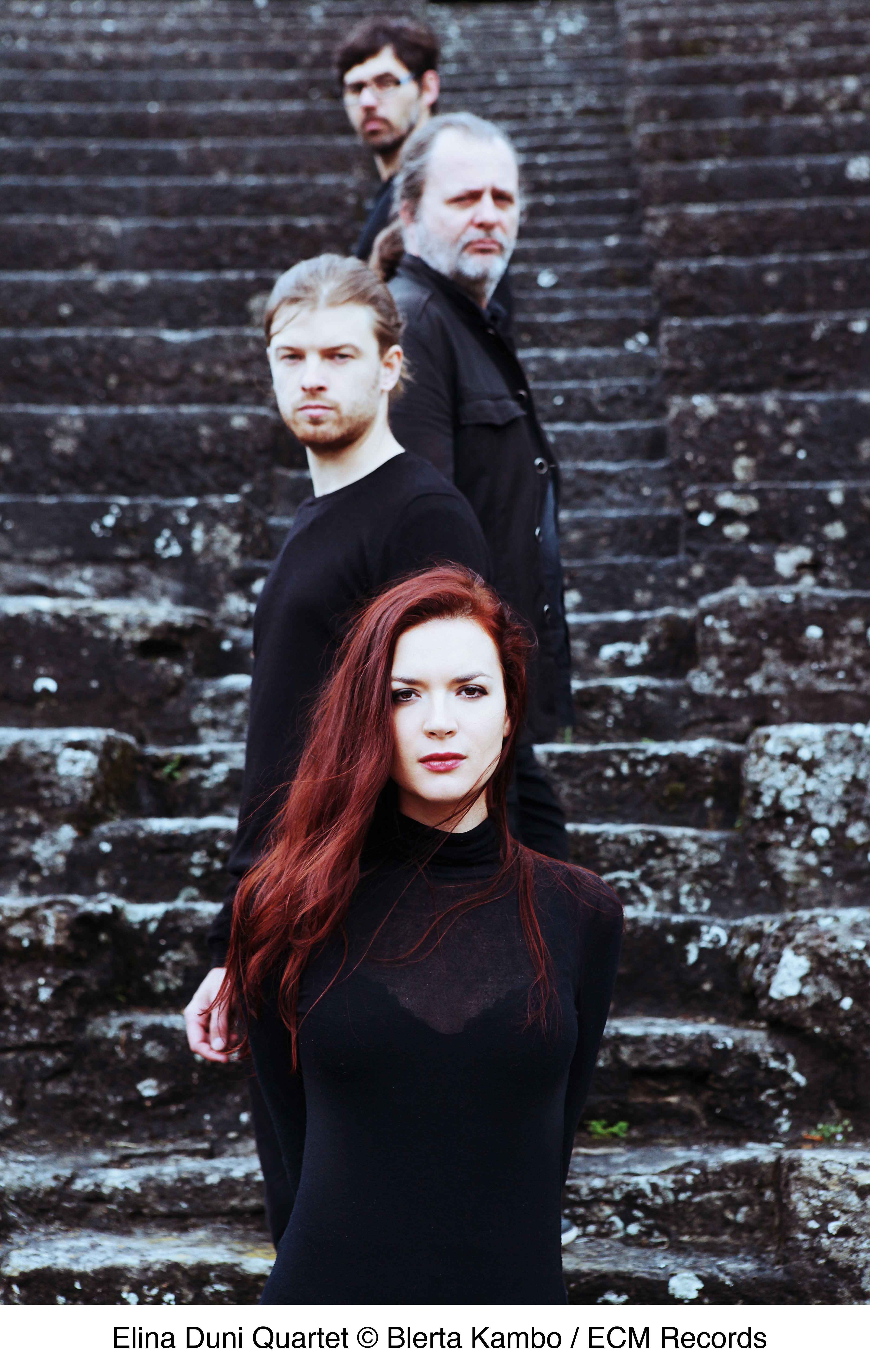 I have to admit I was entranced by Colin’s imagination; he is a potent voice and I want to check his own trio now. At times he played with such melancholy it broke my heart, then in a moment, flashed his anger or became cold, like ice cubes dropping into Elina’s blood-red cocktail, cracking and clinking, changing the temperature. He used various techniques to physically alter the piano, deadening the resonance or twisting the keys into cimbalom-like notes, revealing a Balkan soul whilst never breaking the spiritual thread of jazz.
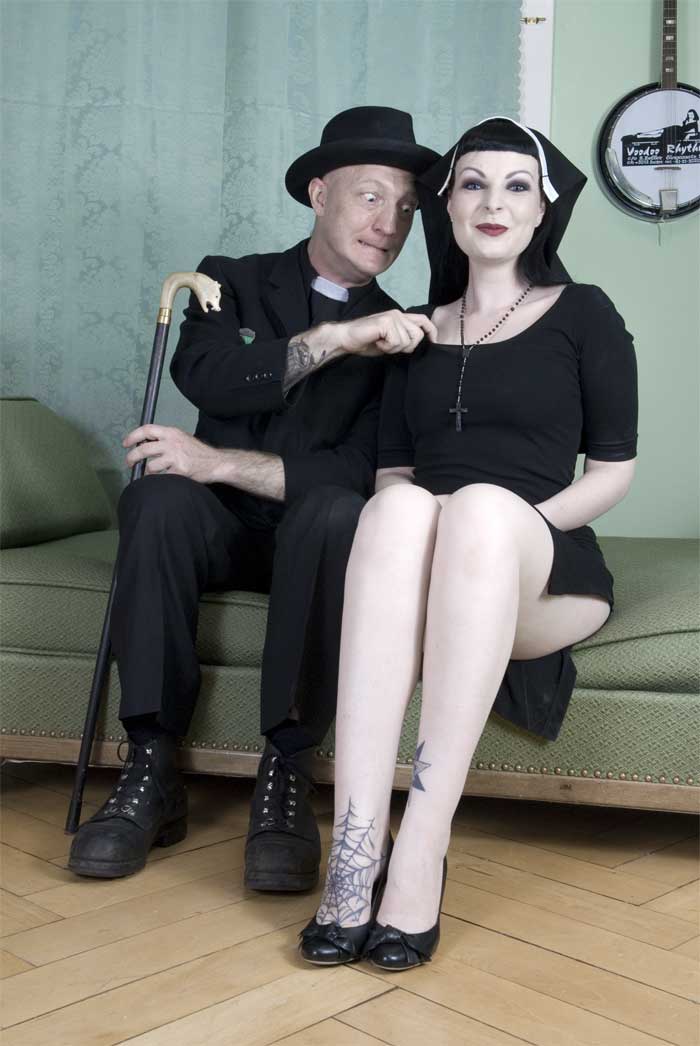 Eine Gitarre („fünzig Bucks.“), ein Verstärker („fünfzig Bucks.“), ein Lautsprecher („fünfzig Bucks.“) und eine Bassdrum („aus dem Abfall.“) ist alles was Beat Zeller, alias
 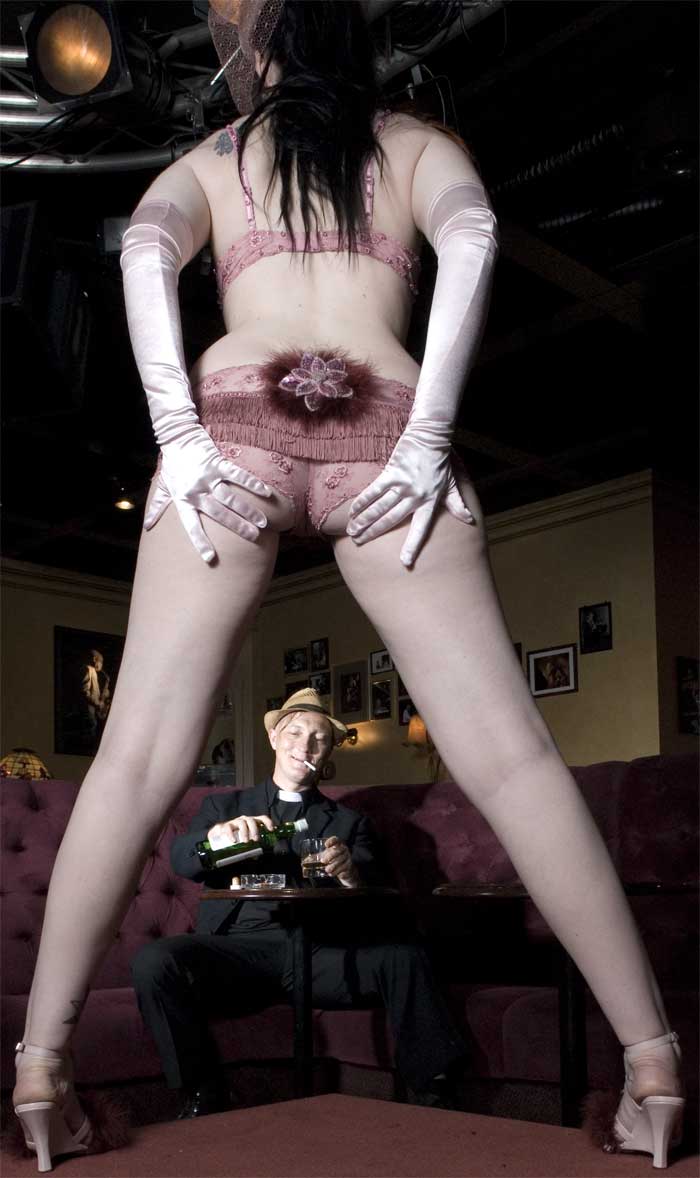 Seine absurden, multi-sexuellen Lyrics stösst er in einer Art Urschrei aus, der teils tierische Lust, teils post-koitale Melancholie und teils pure Komödie markiert. Mittels unablässig ratternder Bassdrum tribt er sich vorwärts, er gönnt sich zuweilen einen Dylanesken Stossseufzer auf der Harmonika und ist rundum ein Original. Bei seinem packenden Auftritt vor einem dankbaren Publikum in einem der vergnüglichsten kleineren Musikvenues in London schafft er es, nicht nur einen, sondern zwei Verstärker zu ruinieren. Klasse!
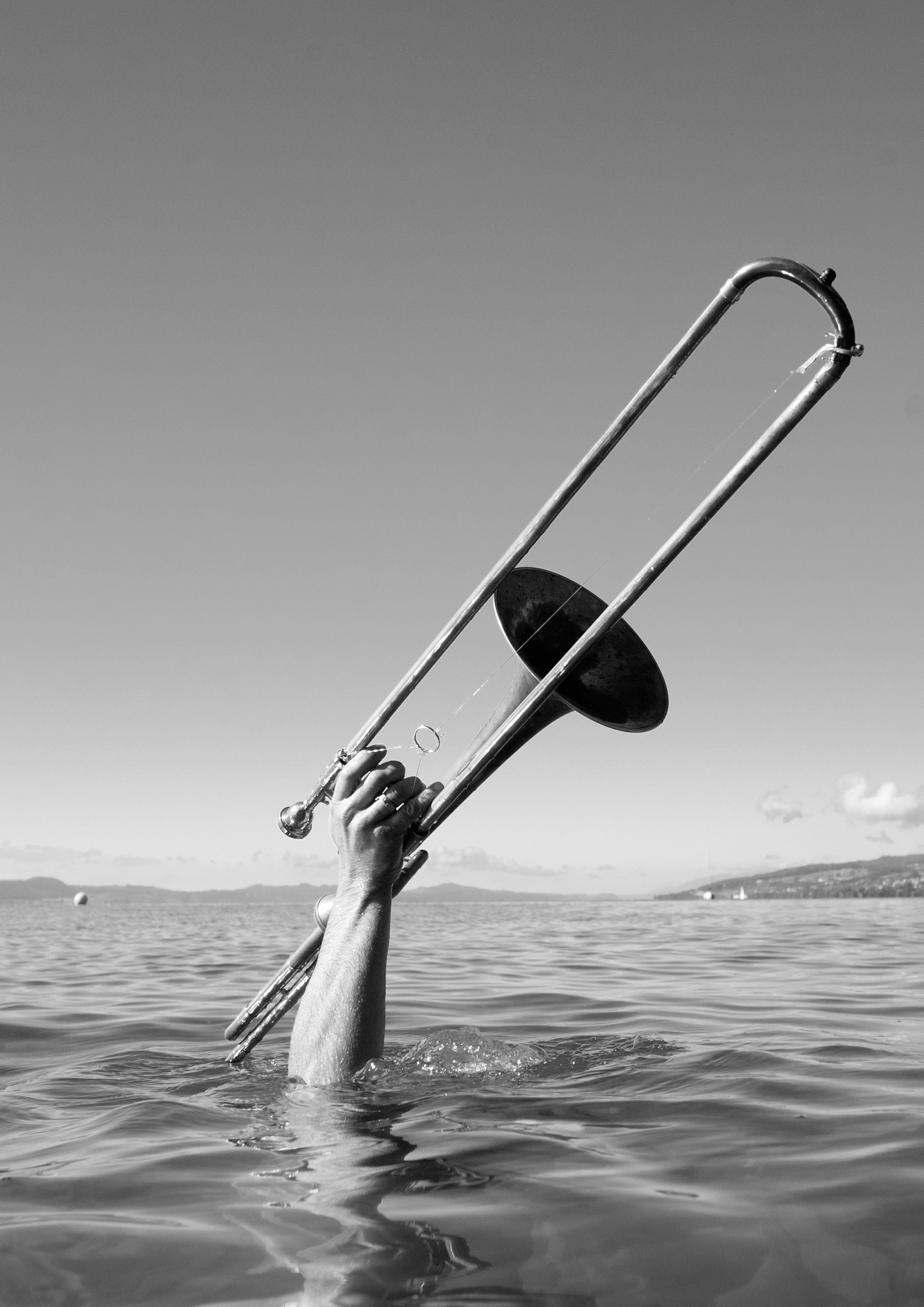 Samuel Blaser
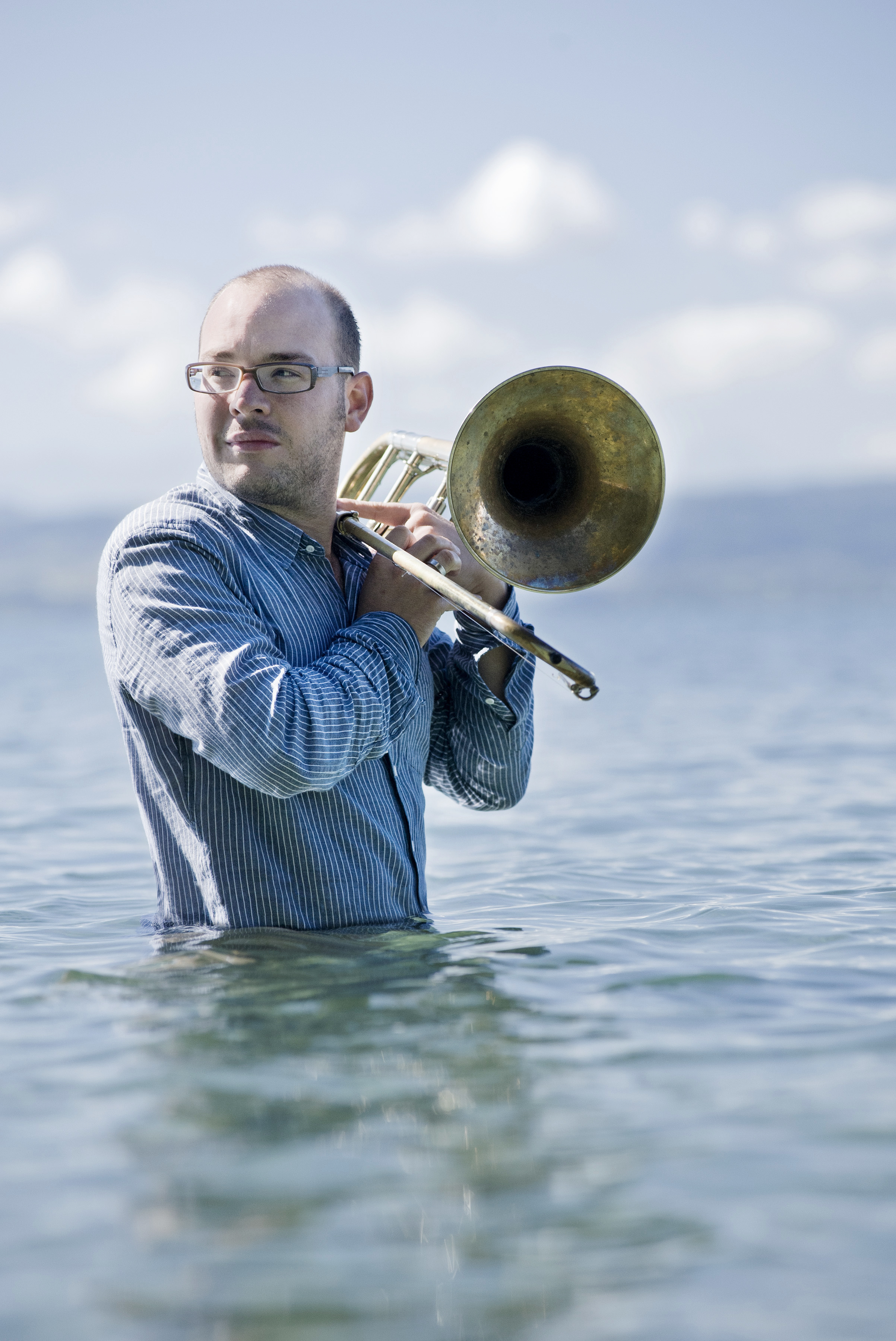 rs to his trombone as ‘her’
 When I hear a band like Who Trio, I feel I need to get out from under my rock and listen to a lot more Swiss-based music. Playing together since 1995, they thrilled Lausanne’s Jazz Onze+ Festival last week with highlights such as drummer
  Put simply, three toddlers. Who are black belts in music improvisation. The way they played, stroked, tweaked, plucked and beat the living daylights out of their instruments, was as creatively done as it could be.